
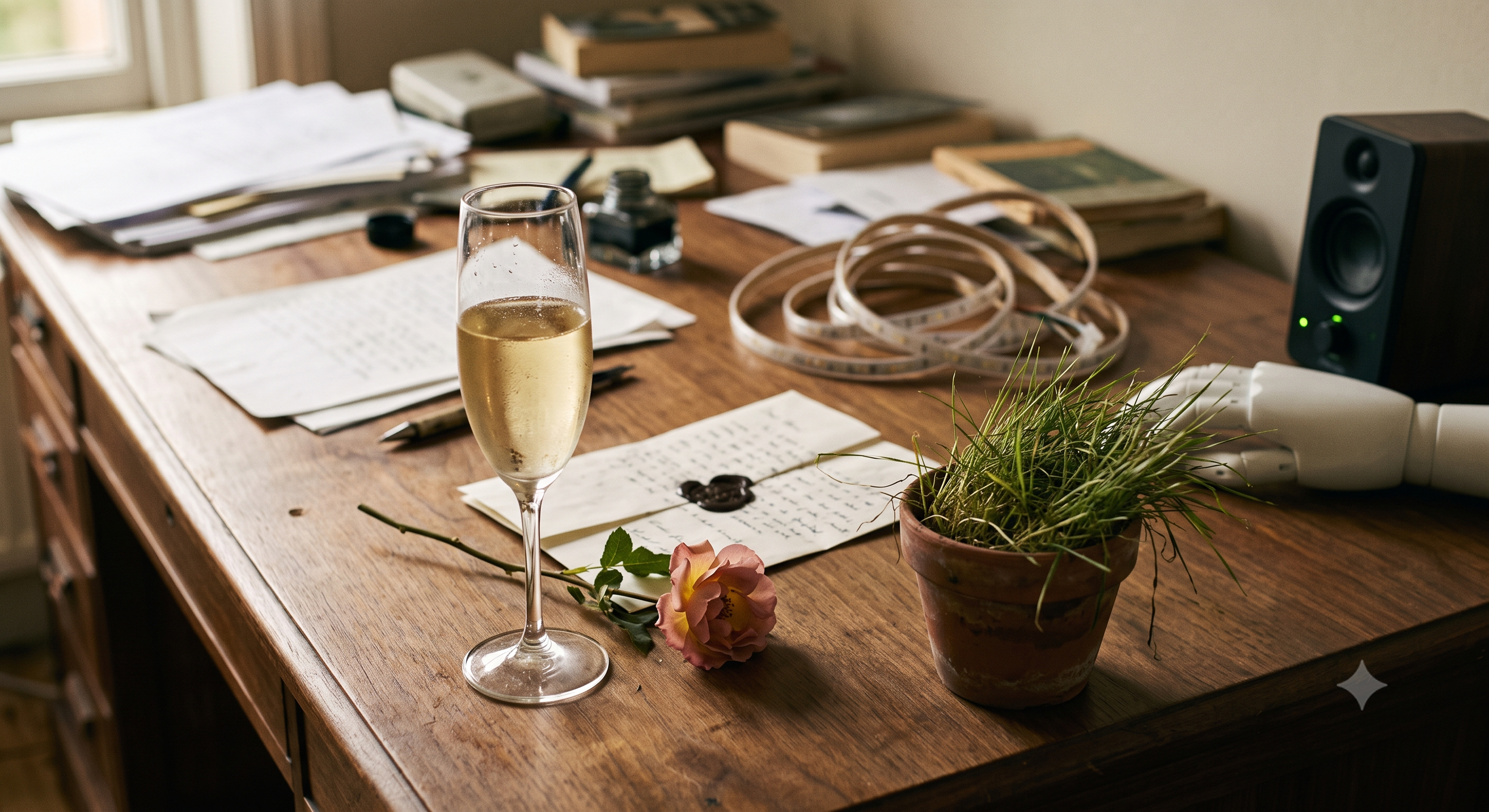
Wavelength · Issue 09 · Early July 2026
Wine and food pairing, Oman's fragrance identity, NEO's robot hands, Le Festival du Soleil, sound of nature, Roosevelt Library by horseback, hotel reservation by letter, GPT-Live's "mhmm"
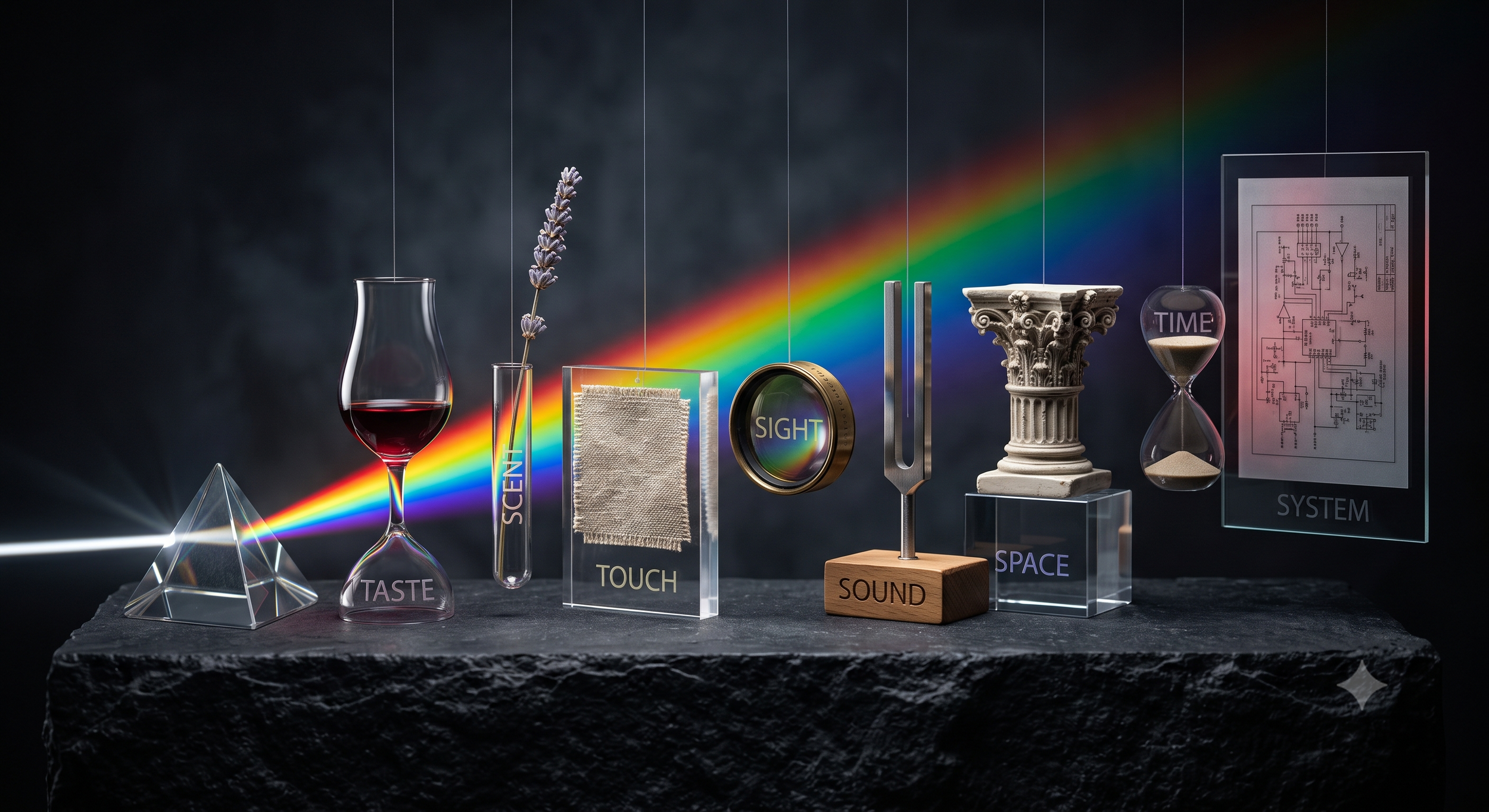
A new frequency
A Week in the 8 Senses is changing names, cadence, but content remains — here's what to expect from Wavelength starting in two weeks.
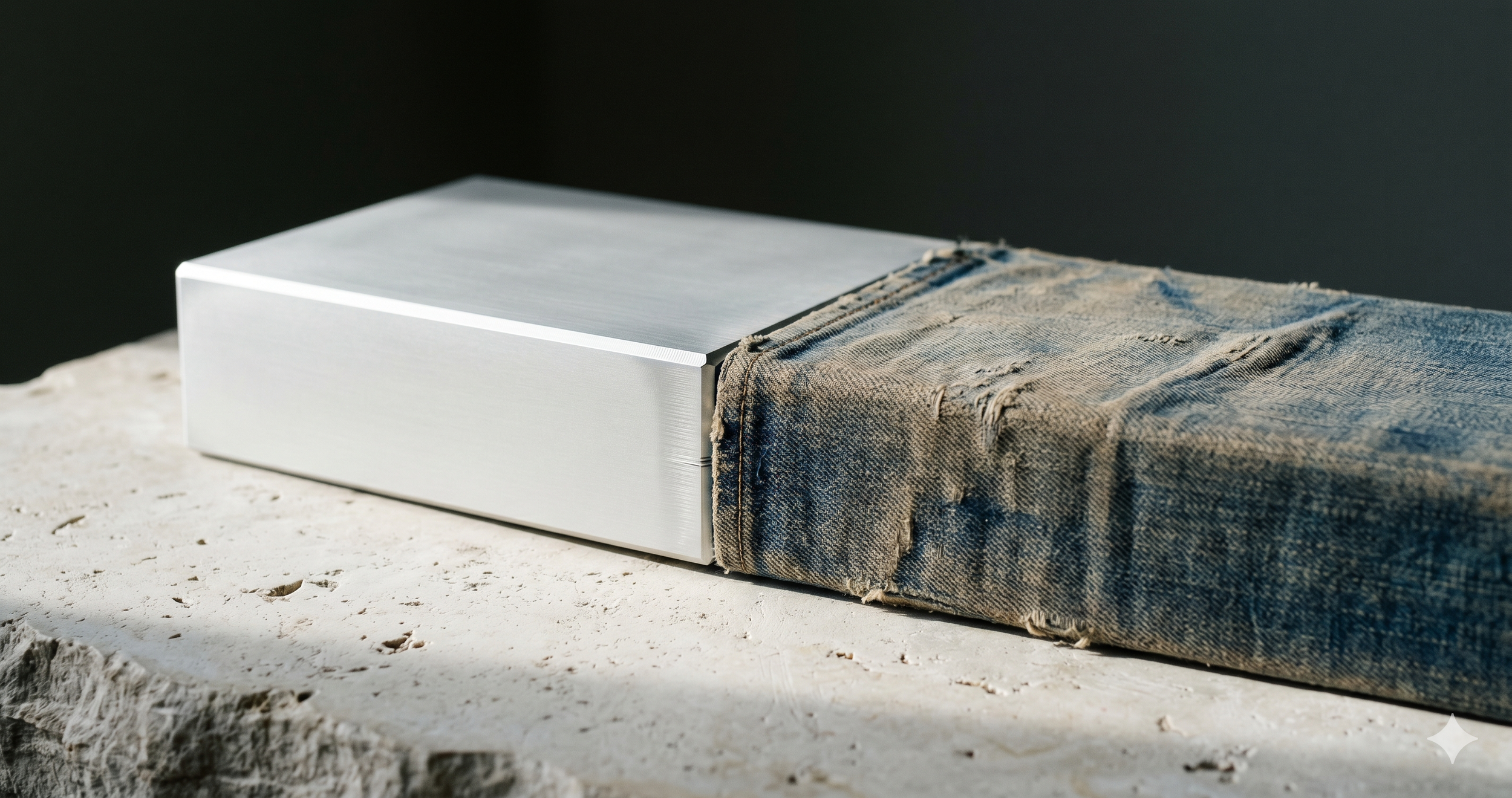
A Week in the 8 Senses · Issue 08 · May 3–9, 2026
This week: first Nepali-Himalayan bar, a scent guide to Italy, Rimowa furniture, Fovel's denim mosaics, the Gankéké speaker, multisensory dining, $585B sleep economy, Chanel's $39 million vineyard
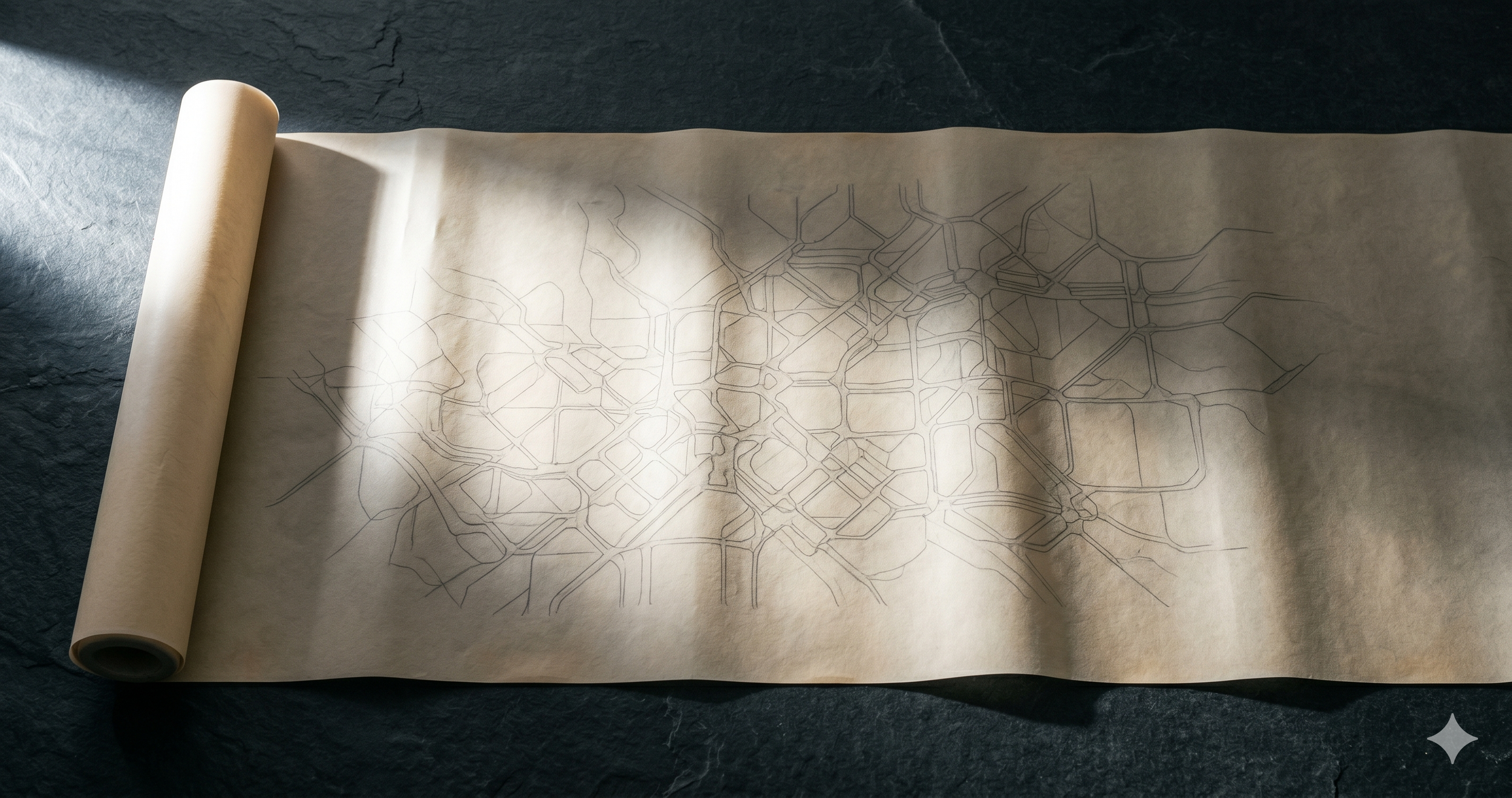
A Week in the 8 Senses · Issue 07 · April 26–May 2, 2026
This week: Indian-American cuisine, Summer Fridays scent identity, EU textile passport mandate, first human navigable map, car-concert sound design, Gucci Storia, LVMH certificate, AI infrastructure
A Week in the 8 Senses · Issue 06 · April 19–25, 2026
This week: Sip & Guzzle, perfumer and chef, Byredo on wood, Zontone pool paintings, Bang & Olufsen outdoor architecture, subtractive design logic, Miu Miu Literary Club, Fenty Beauty AI in WhatsApp
A Week in the 8 Senses · Issue 05 · April 12–18, 2026
This week: AI books restaurants, emotion through scent, Nigerian handcraft, what counts as art, amapiano vs afrobeats, a 3D-printed homes, ancient grains vs GMO, new era of e-fashion and commerce.
A Week in the 8 Senses · Issue 04 · April 05–11, 2026
This week: new Michelin cities, AI scent from memory, algorithmic beauty, analog tech in couture, creator streams beat official, tequila mansion, rare watches in auction, top jewelry school now free.
A Week in the 8 Senses · Issue 03 · March 29–April 04, 2026
This week: a culinary scholarship, emotion to scent, touch in luxury, image and power in art, brain waves to make music, creator campus, 266-year watch retailer ends, multi-sensory museum experience.
A Week in the 8 Senses · Issue 02 · March 22–28, 2026
This week: wine and AI, scent in VR, digital touch advancement, seeing the future in new NYC exhibit, listening lounge launch, lie-flat economy seats, AI fit and checkout, multi-sense brain model.
A Week in the 8 Senses · Issue 01 · March 15–21, 2026
This week: food science and AI, a Madrid perfume laboratory, virtual try-on, urban architecture as art, music deepfake war, a Paris bathhouse, fine jewelry and time, tech company on Fifth Avenue.
Sound8: A framework for multisensory experiences
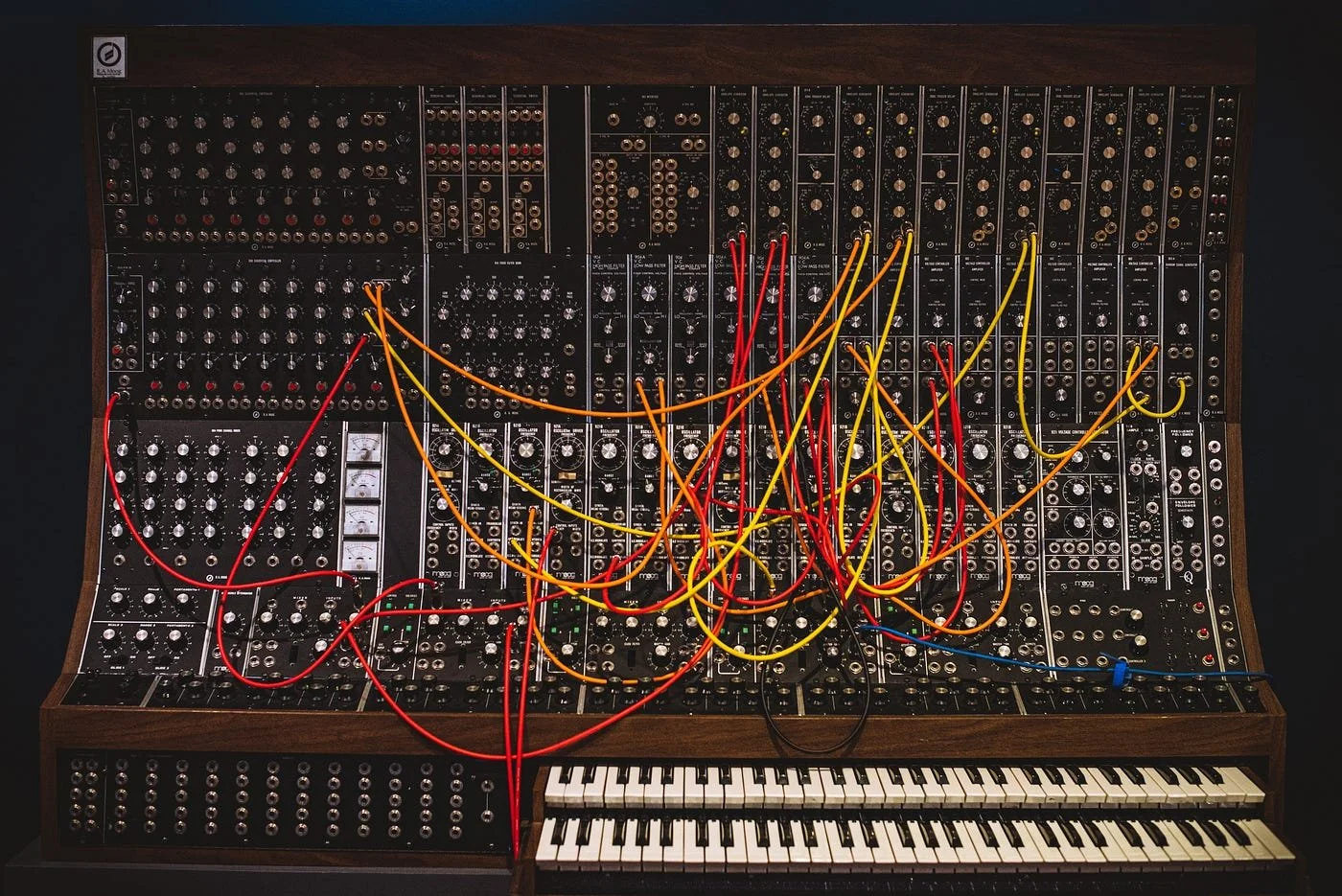
What if you walked into a space where sound moved the air, the air carried scent, the scent shifted with the music, the music created visible patterns, and your own movement fed back into the system? Not metaphorically. Literally. For decades, we’ve treated "multisensory" design as a collection of separate checkboxes: a nice scent here, a cool light there, a playlist in the background. Sound8 argues for the collapse of those boundaries, and exemplifies a core philosophy of Ode.

Sound, taste, time, or space: which comes first in a listening room?
I’ve spent some $$$ on craft cocktails in dimly lit rooms filled with vintage speakers and rare records, yet I’m far from a "vinyl head." In these listening bars, there is a feeling that you need to be an expert just to exist in the space. We usually think of these lounges as being only about the sound, but what if the music is actually secondary to the overall system? This is an exploration of how sound, taste, time, and space work together to shape our mood.
How does sound taste?
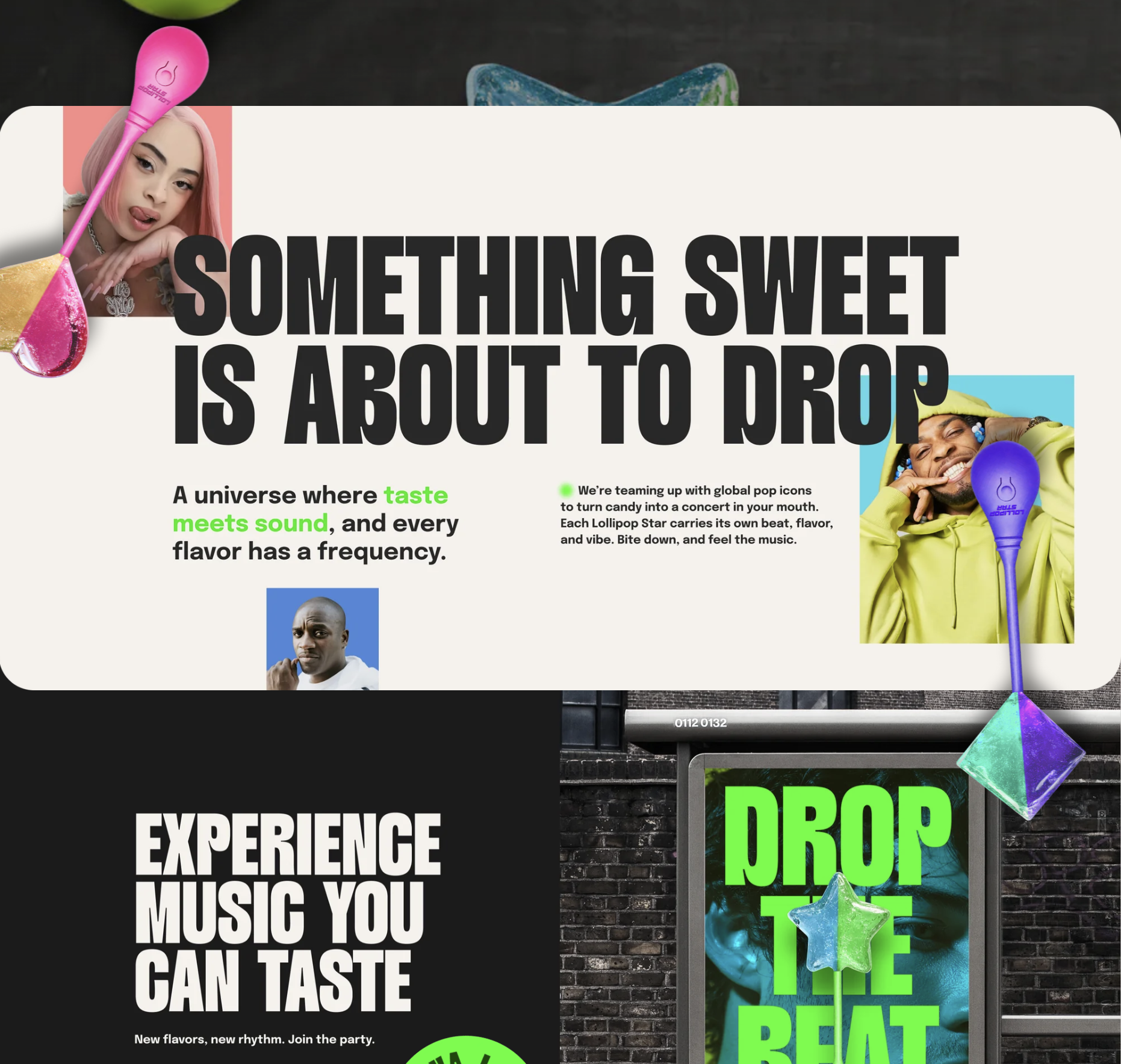
We tend to think of taste as a closed-loop system between the mouth and the nose, but the physiological reality is far more "wired." There’s a new frontier of sensory design. We are seeing the collapse of the wall between what we hear and what we consume. Products like the Lollipop Star are turning candy into a hardware device, using bone-conduction to play music through your teeth while you taste the flavor.
Is nostalgia memory… or vision?
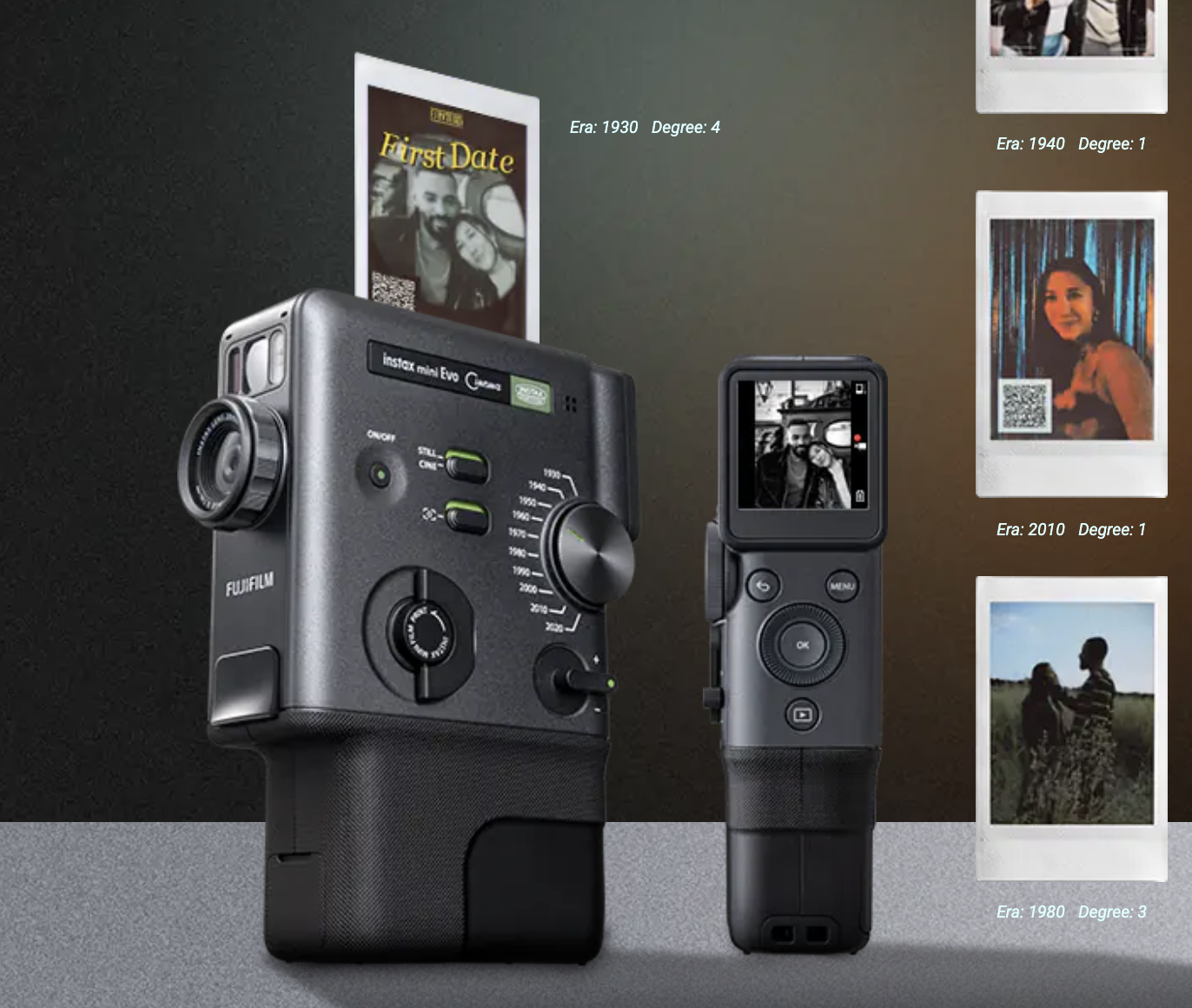
This piece started as a question I kept circling back to: is nostalgia really about memory, or is it about how things looked? Before you remember what was happening, you remember how it looked. A good example to reflect on this is with technology. The more I paid attention to it (old cameras, colorful computers, foldable phones) the more it felt like sight comes first. We don’t just remember what things did, we remember the glow, the grain, the way a device moved or sat in a room. This is me thinking out loud about why visual design keeps returning, and what that says about how we remember, choose, and feel around technology now.
The science behind “skinified” Black hair care
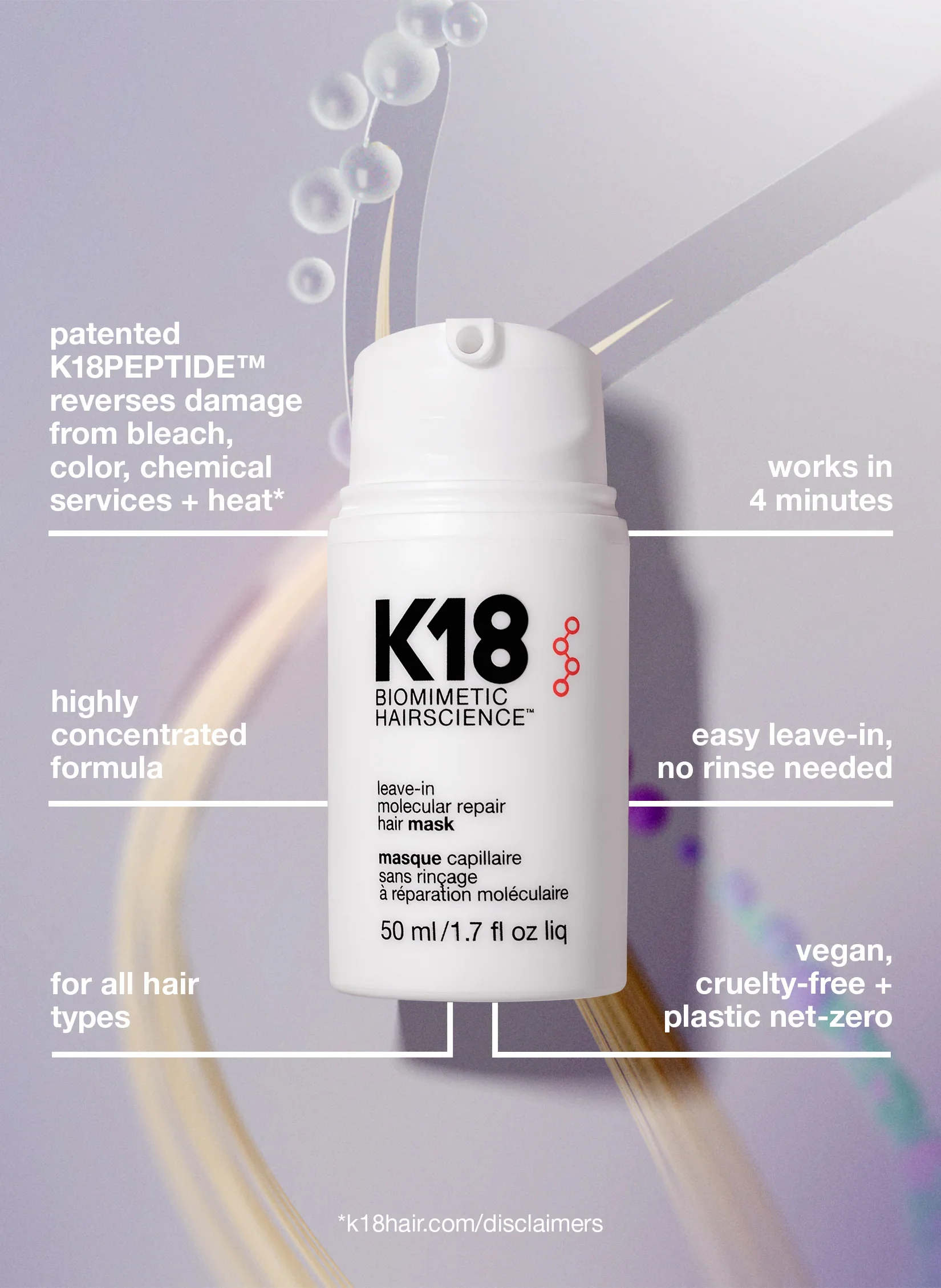
“Wait… this actually works.” Cécred. K18. I know you've watched those kind of videos. And I don’t think that reaction is random. For years, Black hair care leaned on oils and promises. “Skinification” changes that. It means treating the scalp like skin using proven actives, understanding biology, and repairing hair at a molecular level. When products are built this way, results should be guaranteed. This shift toward science-driven formulas truly excites me. Let's talk about all the innovation.
The economics of skincare
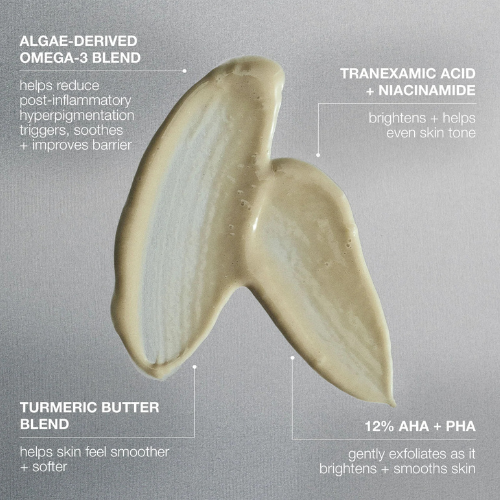
A couple years ago, my skin was going through it; severe acne, hyperpigmentation. I spent months following estheticians online, doing facials, learning what to use for what, trying to decode my own skin. I spent a lot on Dermalogica & some other derm-based $$$ products. My skin cleared. When my routine became maintenance, not prescriptive, I discovered K-beauty. Great ingredients, simple formulations, feels good touch and put on the skin. Quality and cost found equilibrium. (Image from Dermalogica)
Why beauty brands are redesigning experience around touch
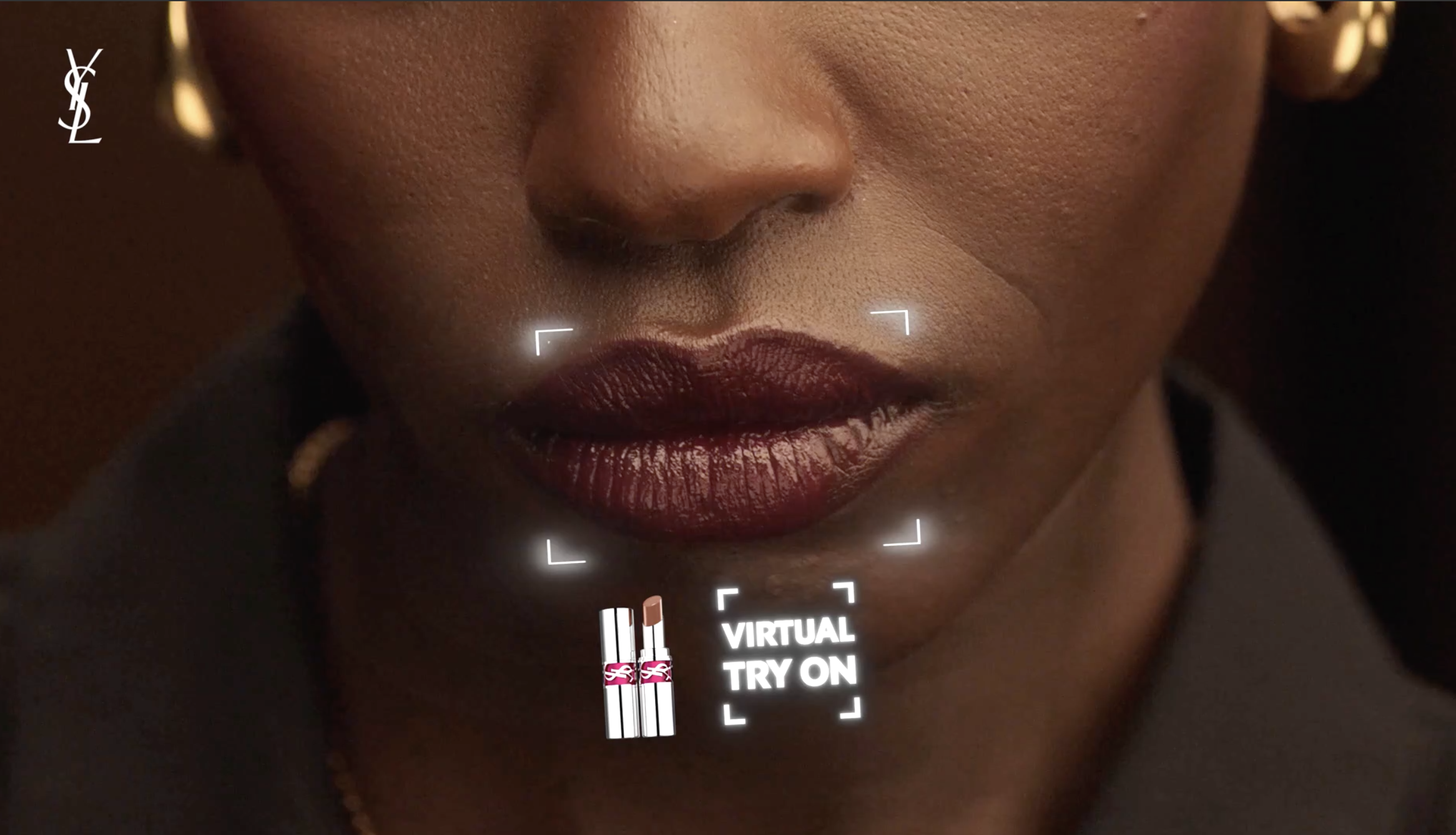
Beauty was never meant to be discovered through a screen alone. It’s tactile. When beauty education majorly moved online, touch disappeared and was replaced by comparison and fatigue. Brands are rebuilding experience through stores and events, while creators gain access through PR and trips. The luxury isn’t the product anymore, it’s being chosen to experience the creation story.
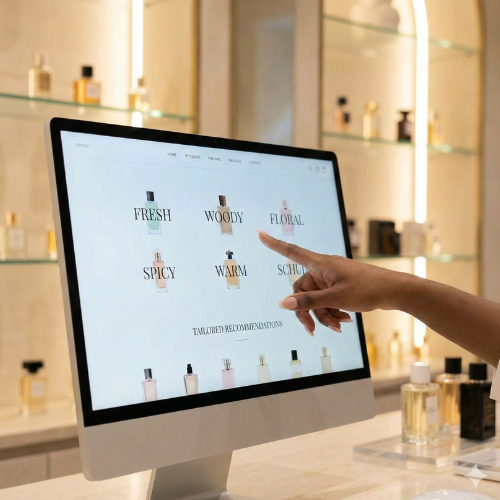
Scent is the next digital frontier
The global perfume market is undergoing a technological revolution. IBM's Philyra has analyzed over two million fragrance formulas. Tom Ford’s 2025 Fragrance of the Year was AI-assisted. From Google → Osmo's neural networks mapping molecular structure to scent, to EEG headsets predicting fragrance preferences, to deep learning models optimizing how perfumes evolve through space and time. This piece explores how advanced technologies are reshaping perfumery while preserving its artistry.
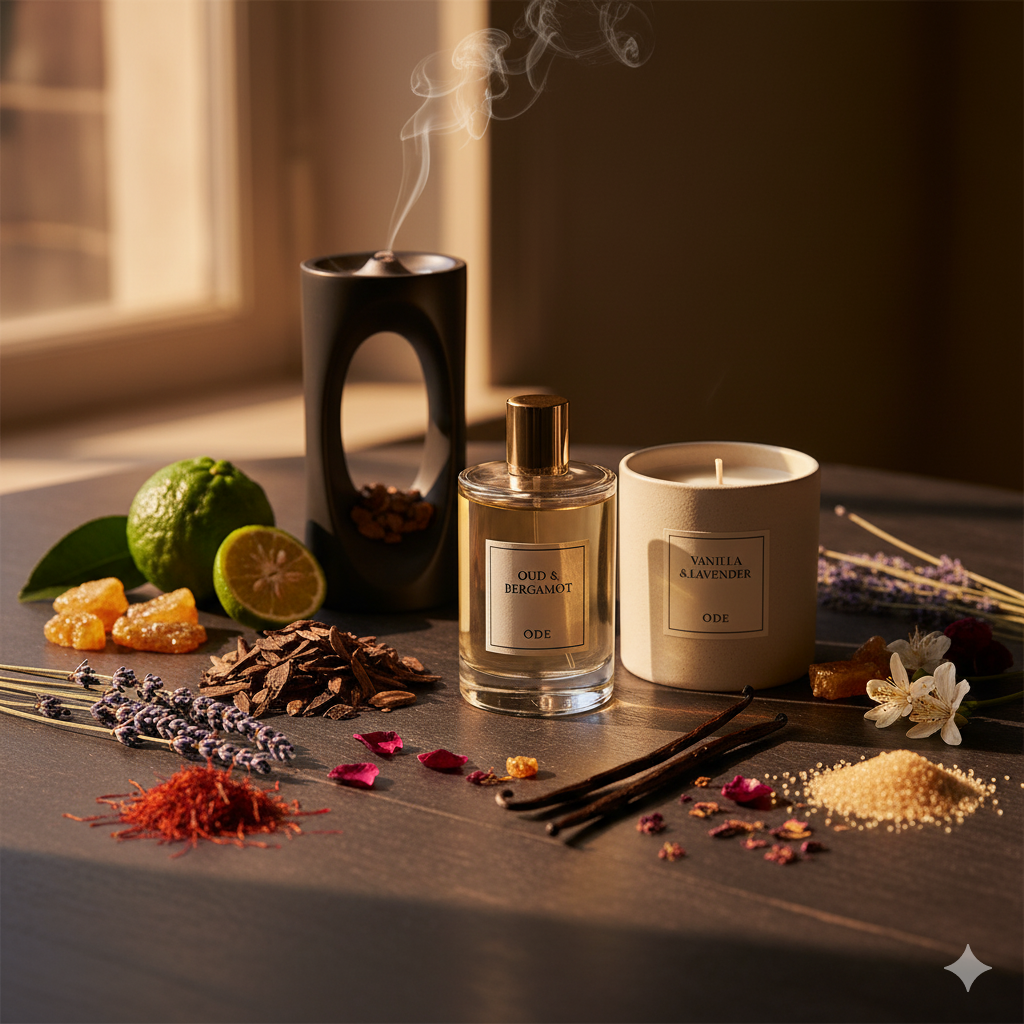
Perfume was our first algorithm
Long before formal math, Tapputi of Mesopotamia was already experimenting with scent. Around 1200 BCE, she distilled flowers, adjusted ingredients, and tested how perfumes evolved on skin and made people feel over time. What she understood intuitively is what we now call the three acts of perfume: the first impression, the heart you live in, and the memory that lingers. We still experiment the same way today, through layering and building scent wardrobes for different moods and moments. Perfumery was one of our earliest systems: input ingredients, test combinations, optimize for feeling.
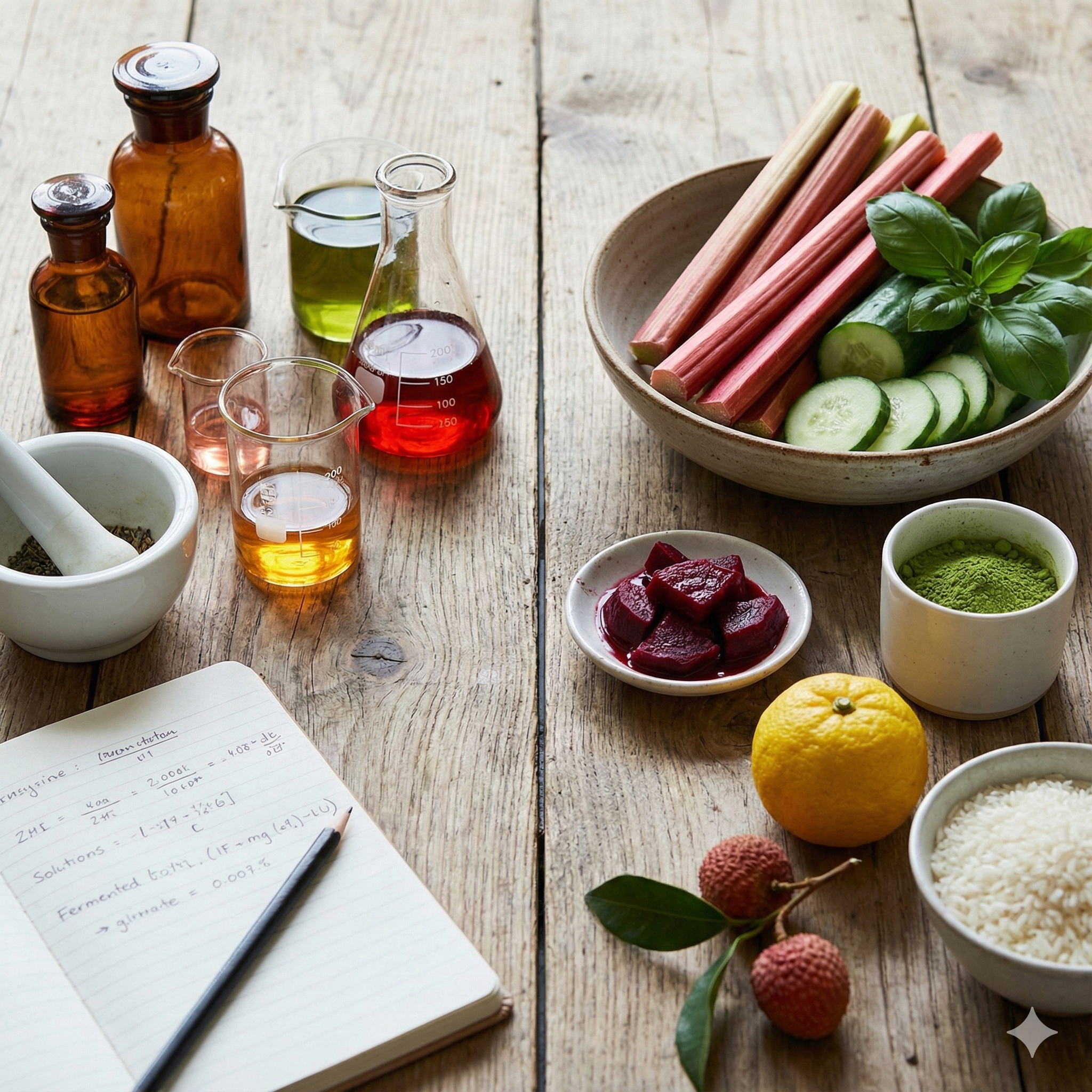
Savory gourmands & the next big fragrance trends
Pistachio perfumes were everywhere in 2025. But the sweet, dessert-style scent trend is starting to change. Perfumers are looking to experiment more with fresher, more savory smells. It feels a lot like what’s happening in food right now. There’s also an interesting angle on the reduction in appetite and turning to food-smelling perfumes. This piece looks at how food trends turn into fragrance trends, and what that means for what we’ll be smelling in 2026.