The science behind “skinified” Black hair care
Black hair care has quietly changed a lot in the past few years. We’ve moved away from the era where everything was about heavy oils with not much benefit, and into something much more precise. Today’s formulas are increasingly built on actual science (biotechnology, fermentation, and molecular repair) designed to work with the real biology of our hair and scalp.
More people are starting to ask better questions: What’s happening inside the hair shaft? What does my scalp actually need to stay healthy? What does fine hair or low density hair mean? That shift is what people mean when they talk about the “skinification” of hair care: treating the scalp like skin, using ingredients you’d recognize from skincare, and using bond-repair technologies that strengthen hair from the inside out instead of just making it look good for the day.
This blog breaks down what’s actually working right now for Afro-textured hair. Across seven key hair needs, it focuses on products that are science-backed, thoughtfully formulated, and proven to do more than coat the hair. The goal is to separate surface-level shine from real repair, so you can understand what’s worth your time, money, and trust.
1. Dense hair: management, detangling, and deep penetration
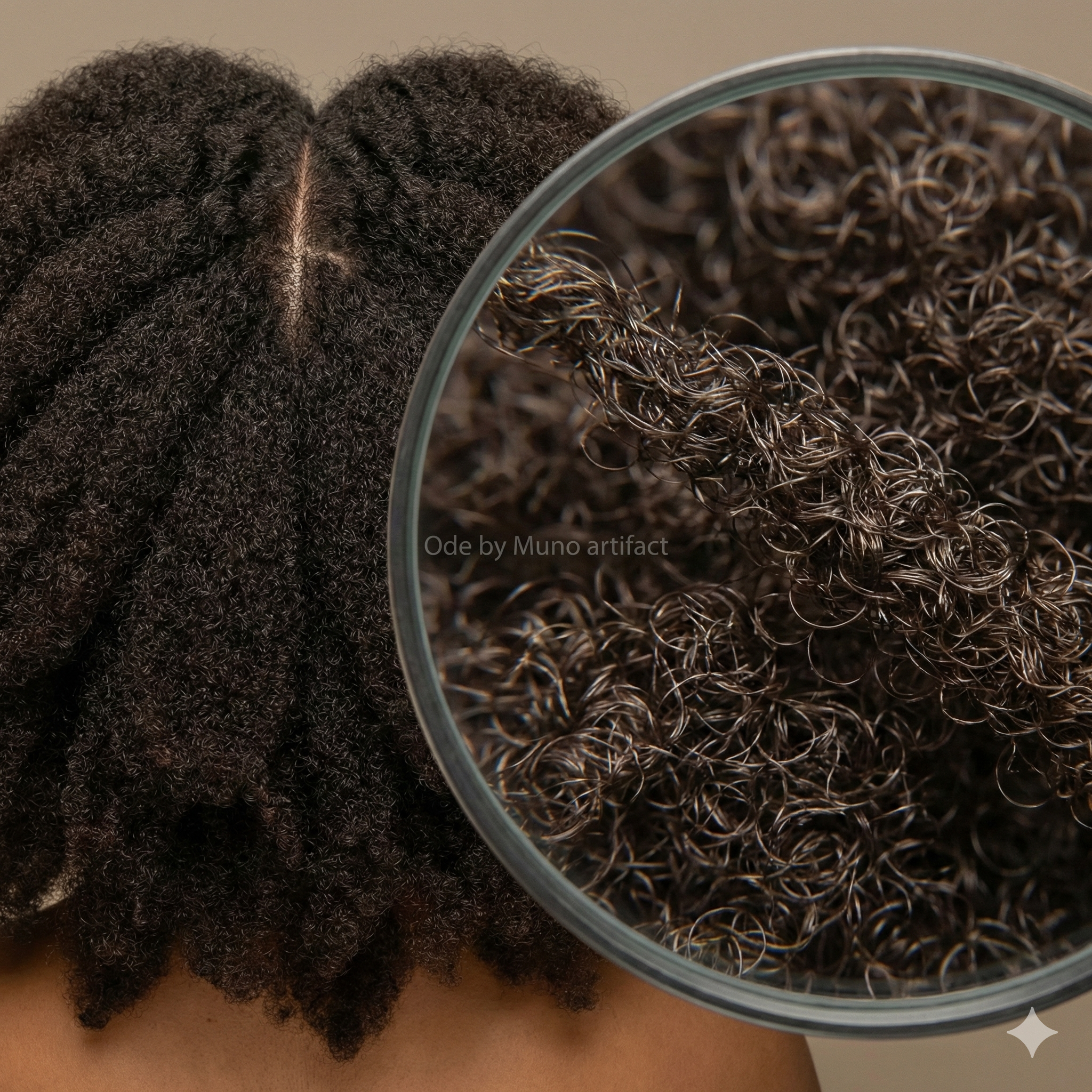
Hair density refers to the number of active follicles per square inch of scalp. While often mixed up with "thickness" (strand diameter), density is strictly a measure of volume and coverage. The challenge with high-density Afro-textured hair is mechanical friction. When thousands of coily strands interact, they act like Velcro, interlocking at the microscopic level.
The primary scientific objective for products in this category is friction reduction and viscosity management. Products must possess a specific flow behavior that allows them to penetrate the dense hair mass without getting stuck at the surface. They must also deliver high levels of "slip," a tactile property to prevent mechanical breakage during detangling.
1. Adwoa Beauty Baomint Deep Conditioning Treatment
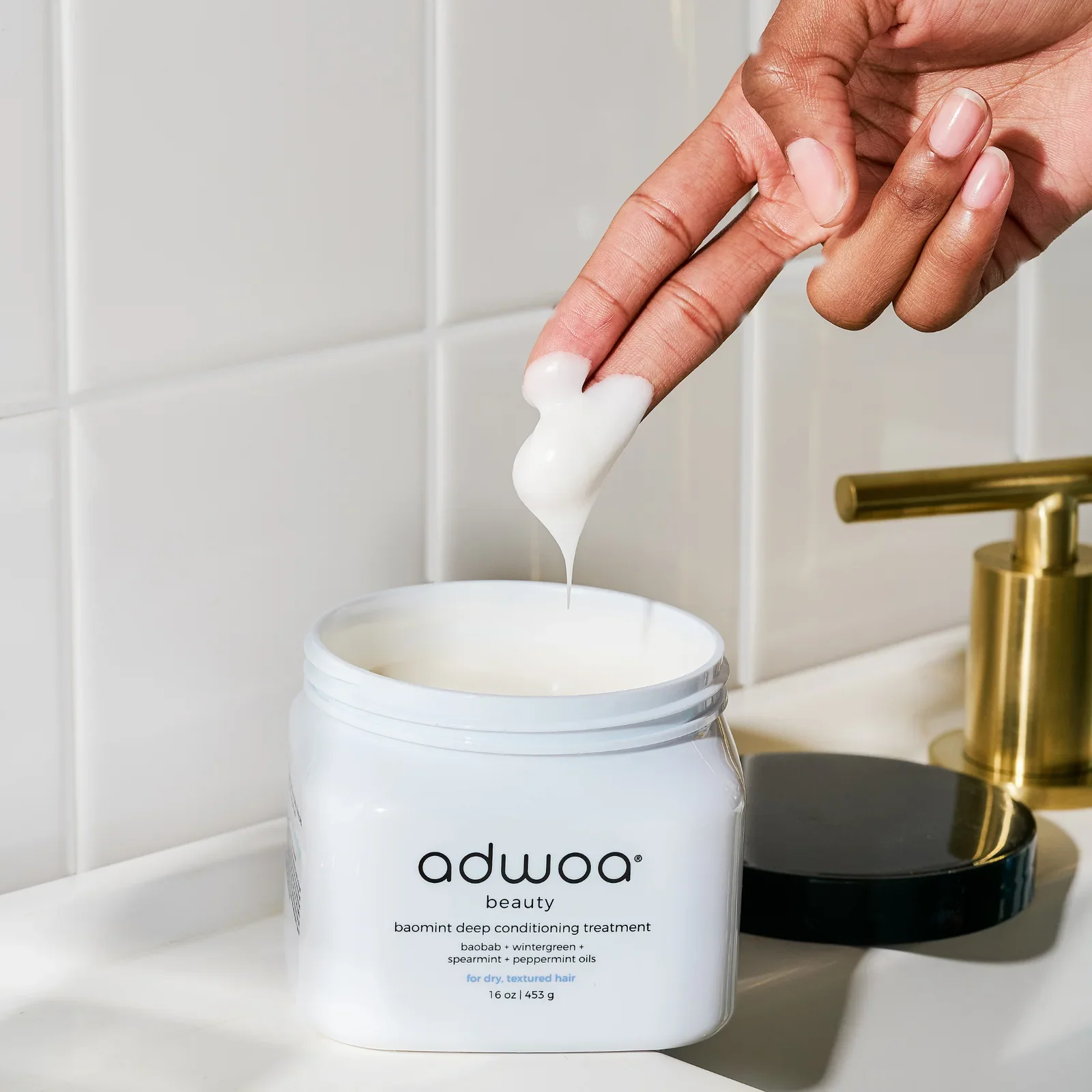
The Baomint formulation represents a shift from heavy, waxy butters to penetrative oil chemistries. Baobab oil is scientifically distinct due to its balanced fatty acid profile, allowing it to act as a "semi-drying" oil that penetrates the hair cortex rather than merely sitting on the cuticle surface. For dense hair, the challenge is getting hydration to the strands buried deep within the section, often referred to as "dry pockets." The Baomint treatment uses mint oils (peppermint, spearmint) to stimulate the scalp, promoting blood flow to the dense follicle clusters.
2. Briogeo Be Gentle, Be Kind Avocado + Kiwi Mega Moisture Superfood Mask
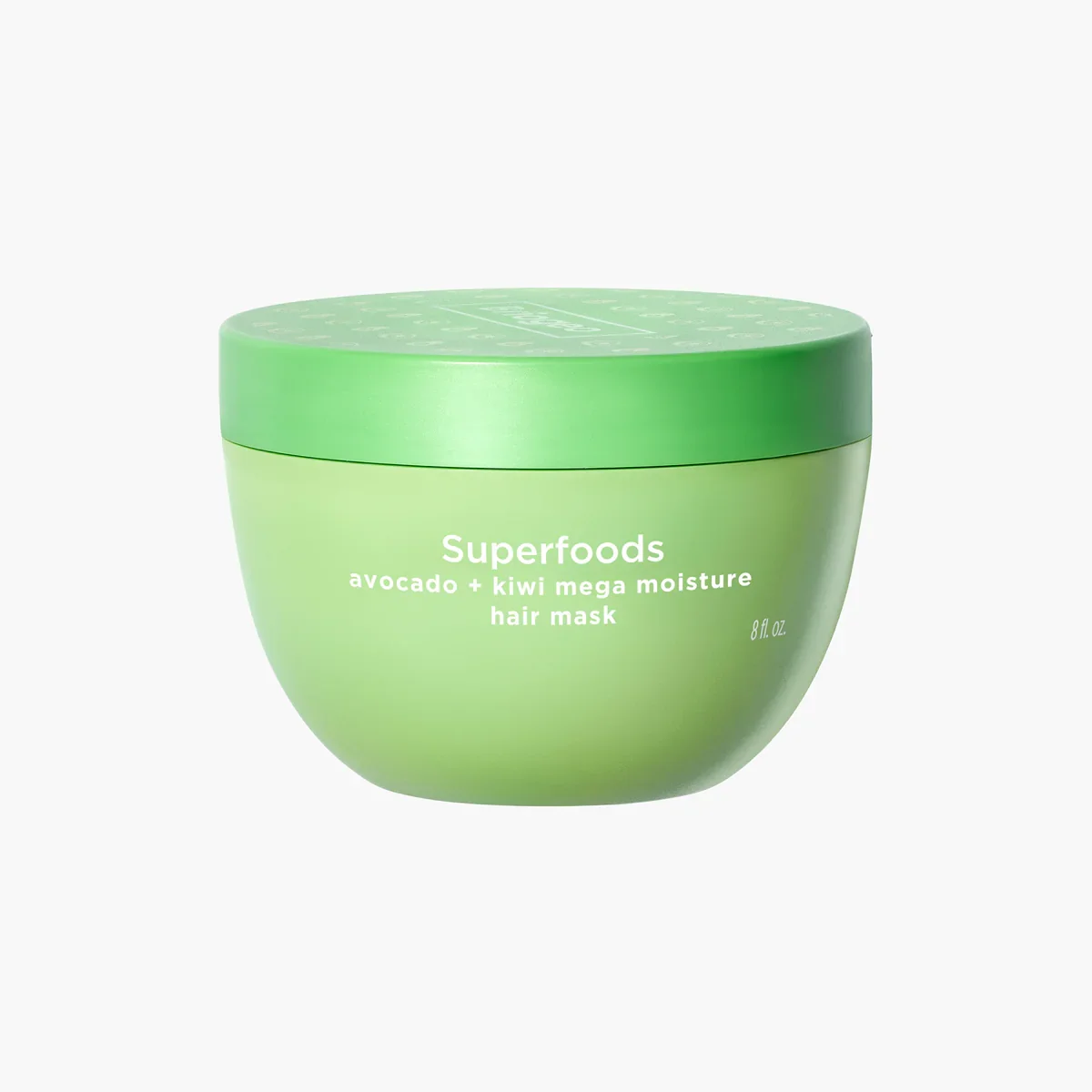
Applies the nutritional science of a "juice cleanse" to hair, using phytonutrients derived from spinach, chia seeds, and cocoa seed butter. The true innovation, is in the micro-emulsification of the avocado oil. By reducing the particle size of the lipid, the formula achieves superior distribution through dense hair matrices. The kiwi extract provides gentle enzymatic exfoliation, helping to dissolve mineral buildup and dead skin cells on the scalp causing friction. Chia seed oil provides alpha-linolenic acid, an omega-3 fatty acid essential for maintaining the lipid barrier of the hair shaft.
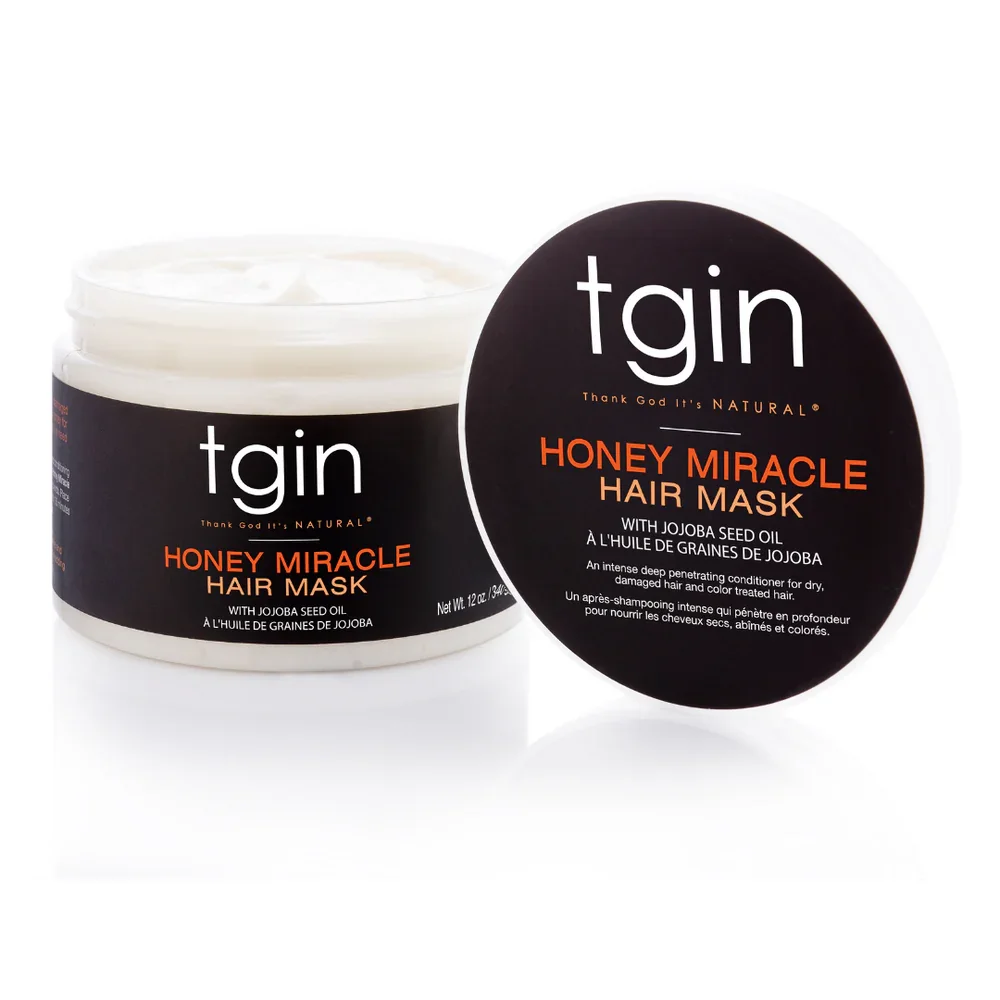
3. TGIN (Thank God It's Natural) Honey Miracle Hair Mask
The hygroscopic nature (the ability to pull water from the environment) of honey is chemically superior to simple glycerin in high-humidity environments. The mechanism here is driven by osmotic pressure. The sugars in the honey create an osmotic gradient that helps force hydration into the hair shaft. For dense hair that naturally repels water due to surface tension, this active moisture draw is critical. The honey also acts as a natural emollient and sealer, trapping the moisture once it has penetrated.
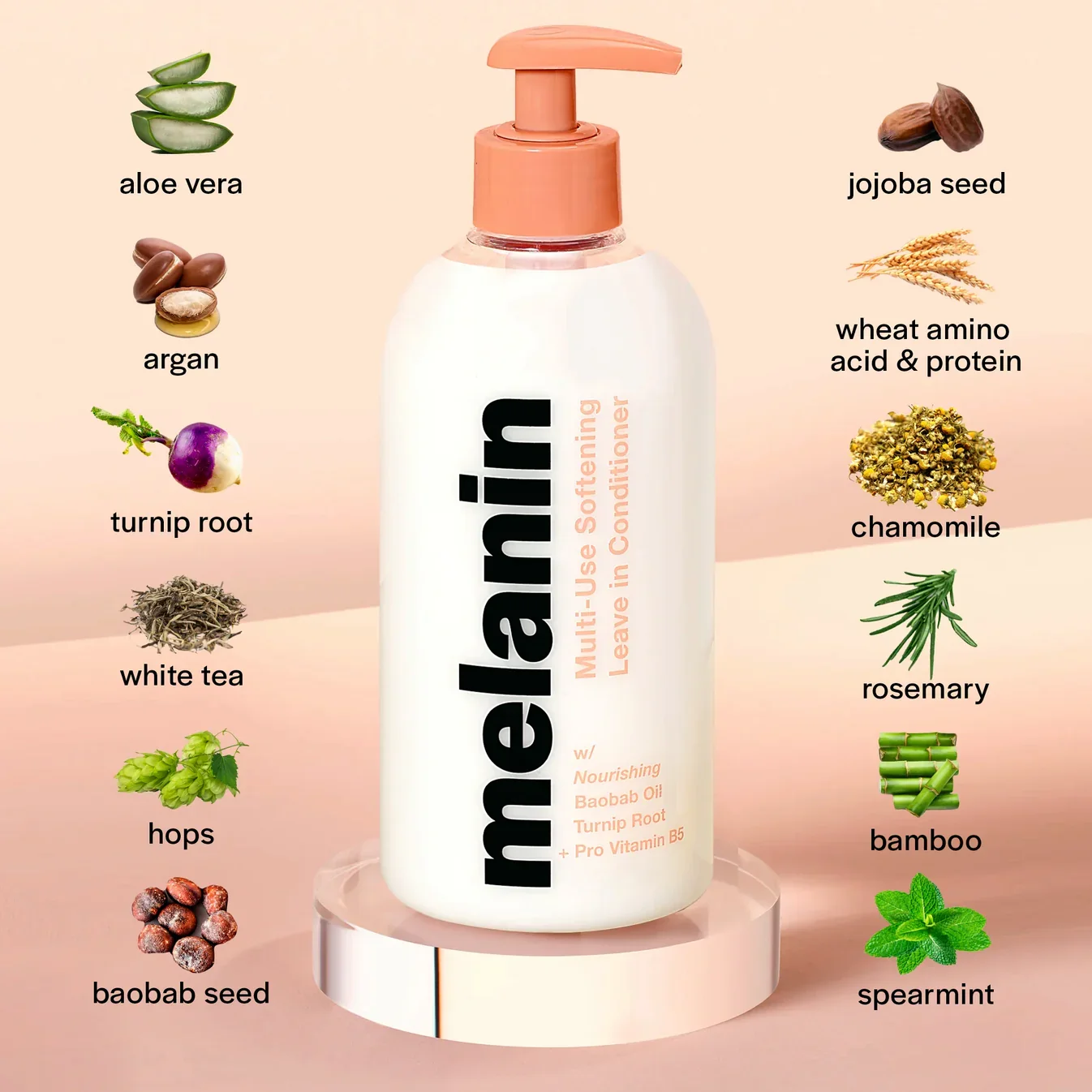
4. Melanin Haircare Multi-Use Softening Leave-In Conditioner
Exemplifies the shift toward multi-functional formulas that respect the hair's biology. It contains Baobab seed oil, Argan oil, and Aloe Vera, supported by Pro-Vitamin B5 (Panthenol) and Hydrolyzed Wheat Proteins. Panthenol is a penetrative humectant that binds to the hair shaft and seals the cuticle surface, smoothing roughness. Hydrolyzed wheat proteins are small enough to penetrate the cortex, providing internal structural support without the brittleness associated with larger proteins. The formula is lightweight enough to be layered. It provides the "slip" of a detangler with the "hold" of a moisture sealant.
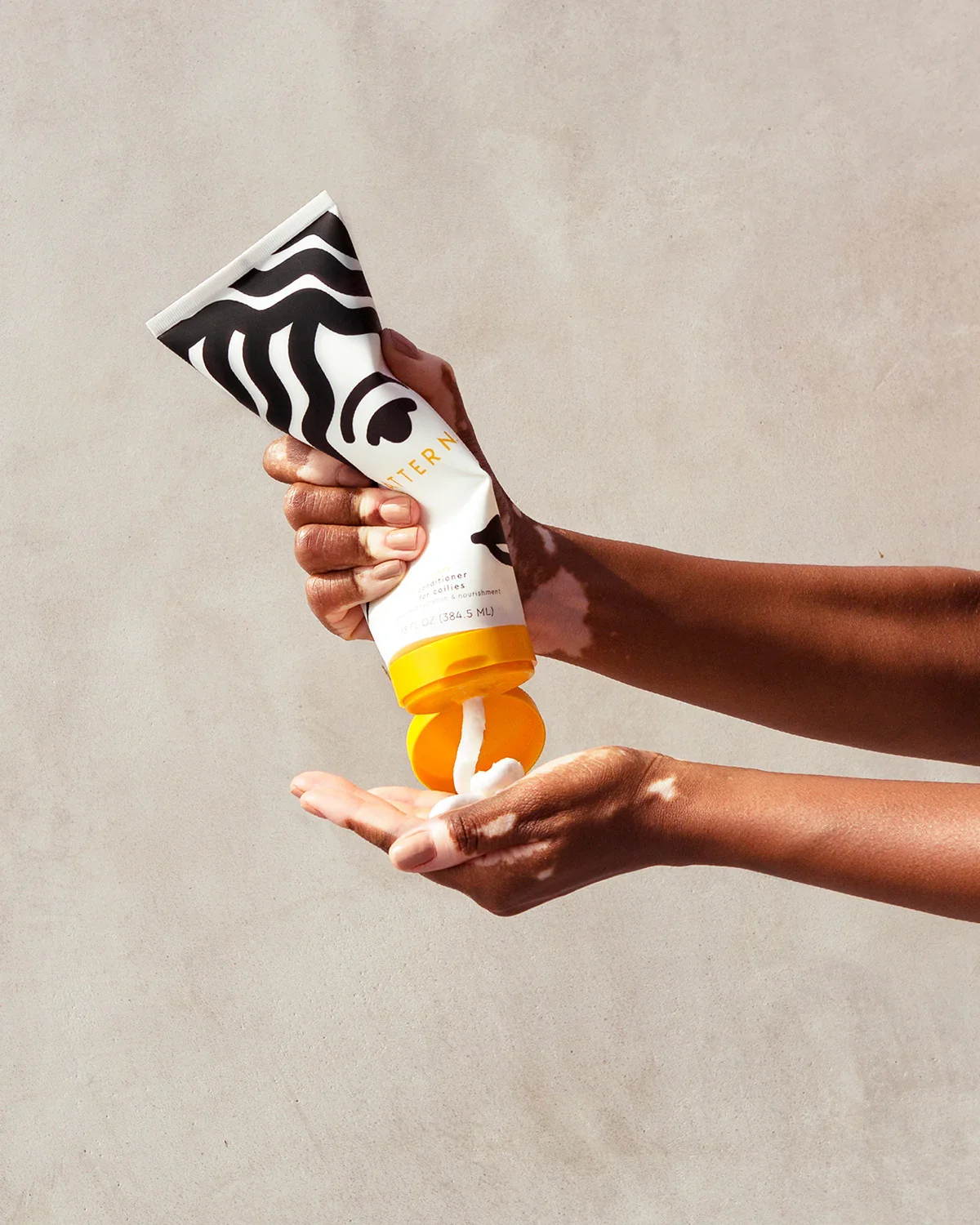
5. Pattern Beauty Heavy Conditioner
Differentiates conditioners by slip and weight, treating density as a specific variable. The "Heavy" variant is formulated specifically for high-density, low-porosity textures. It utilizes a trifecta of Avocado Oil, Shea Butter, and Safflower Oil in a dense, cream-based matrix. Safflower oil is particularly high in linoleic acid, which is crucial for barrier repair and maintaining the elasticity of the hair fiber. The value lies in the physical weight it provides which weighs down the curl pattern during the drying process (if used as a partial leave-in or rinsed late), reducing shrinkage, and defining curls.
2. Low porosity hair: hydrolysis, humectants, and anti-buildup
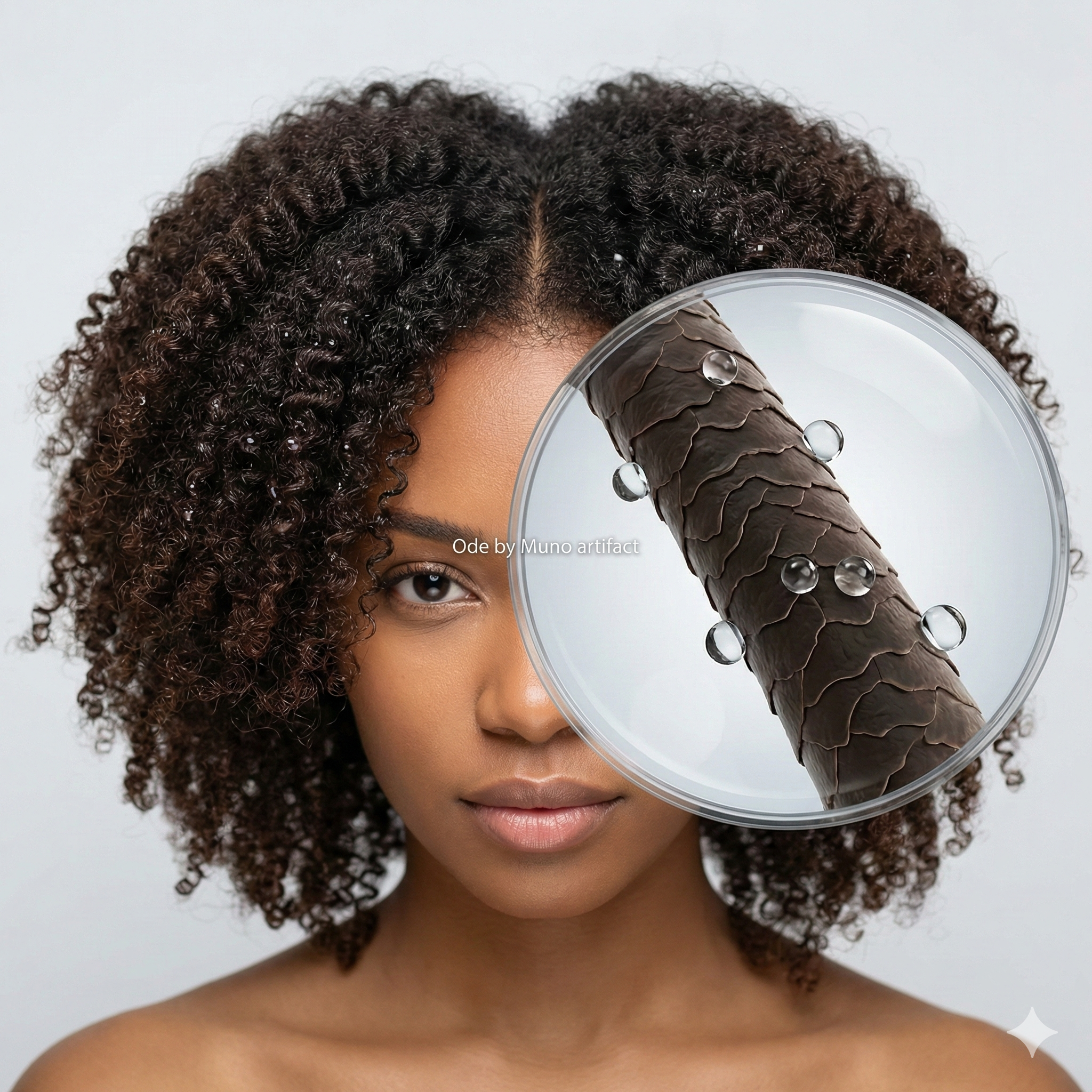
Low porosity hair is primarily caused by genetics, though factors like harsh chemical treatments, excessive heat, or pollution can also affect cuticle alignment over time.
It has tightly overlapping cuticles that lay flat, similar to roof shingles that have been sealed shut. Physiologically, this hair type is hydrophobic; water beads up and rolls off the surface rather than penetrating. While it retains moisture well once hydrated, the difficulty lies in getting the moisture in. The danger for low porosity hair is product buildup: heavy oils and large proteins sit on top of the sealed cuticle, creating a barrier that eventually starves the hair of water, leading to dryness and breakage despite the presence of product.
The scientific solution involves hydrolysis (breaking down molecules into smaller sizes), humectancy (attracting water), and heat activation (to lift the cuticle). The value is found in lightweight, water-based formulations that penetrate without occlusion.
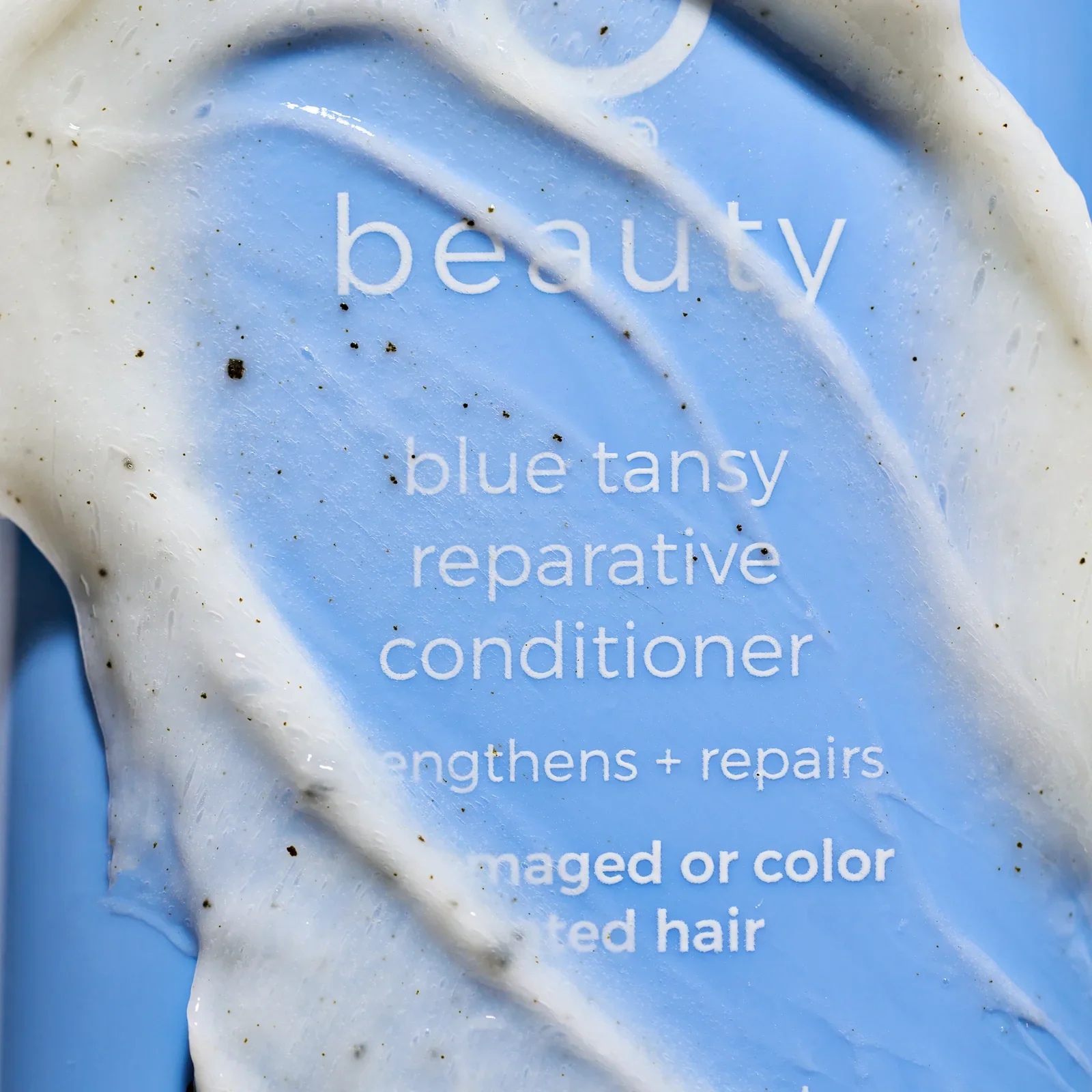
1. Adwoa Beauty Baomint Blue Tansy Reparative Conditioner
This product features Blue Tansy oil and Hydrolyzed Quinoa. The key term here is "Hydrolyzed." Through hydrolysis, proteins and large molecules are chemically broken down into smaller peptide fragments with lower molecular weights. Large, whole proteins cannot penetrate the tight lattice of a low-porosity cuticle; hydrolyzed quinoa can. Once inside, it retains moisture and strengthens the cortex. It provides strength without the "hard" or stiff feeling of protein overload, which low porosity hair is sensitive to.
Also for color treated / overworked hair.
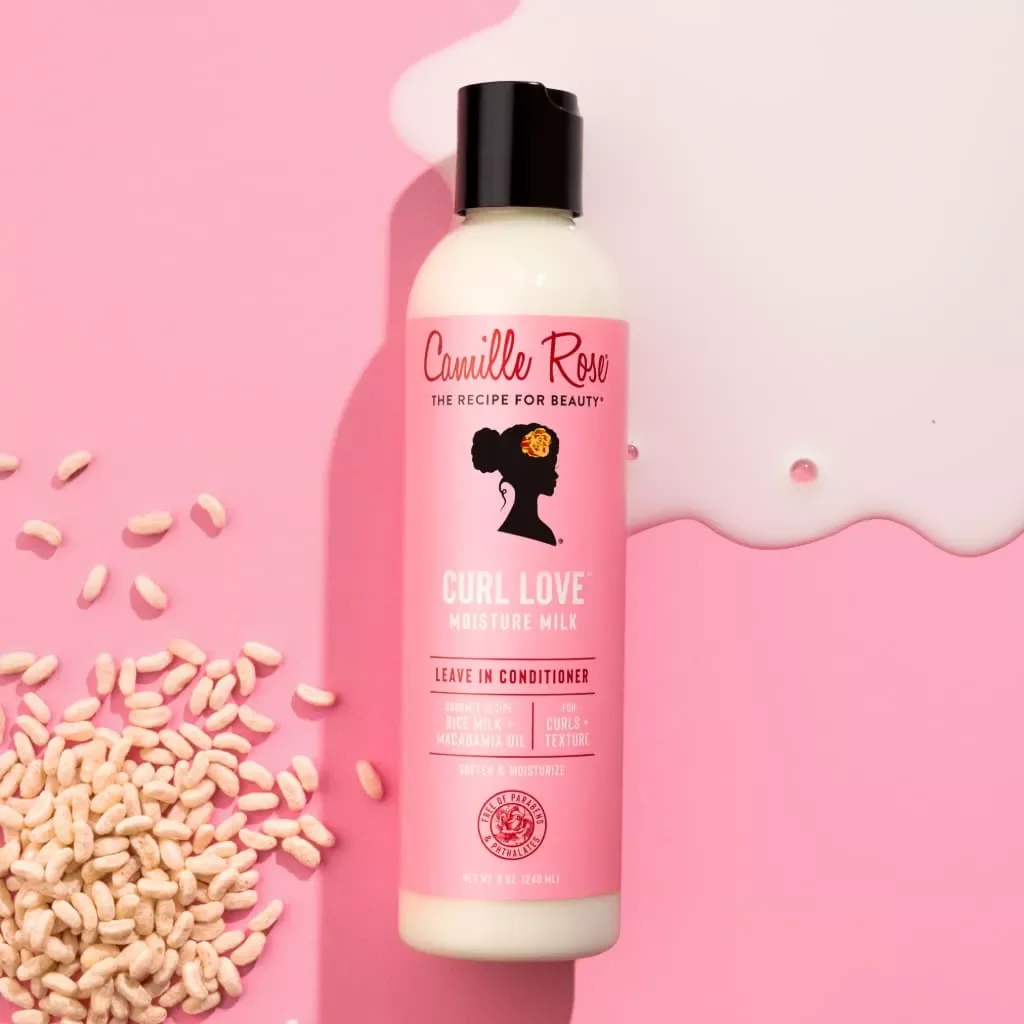
2. Camille Rose Curl Love Moisture Milk
This "milk" formulation utilizes Rice Milk and Macadamia Seed Oil. Macadamia oil is unique among plant oils because it contains high levels of palmitoleic acid, an omega-7 fatty acid that is chemically similar to human sebum. This bio-compatibility allows it to be absorbed more readily by the hair shaft than heavier oils. Rice milk offers vitamins A, D, and B12. The viscosity is low enough to prevent buildup, a critical requirement for low porosity maintenance. It softens the hard, glassy cuticle of low porosity hair, making it pliable without suffocating it.
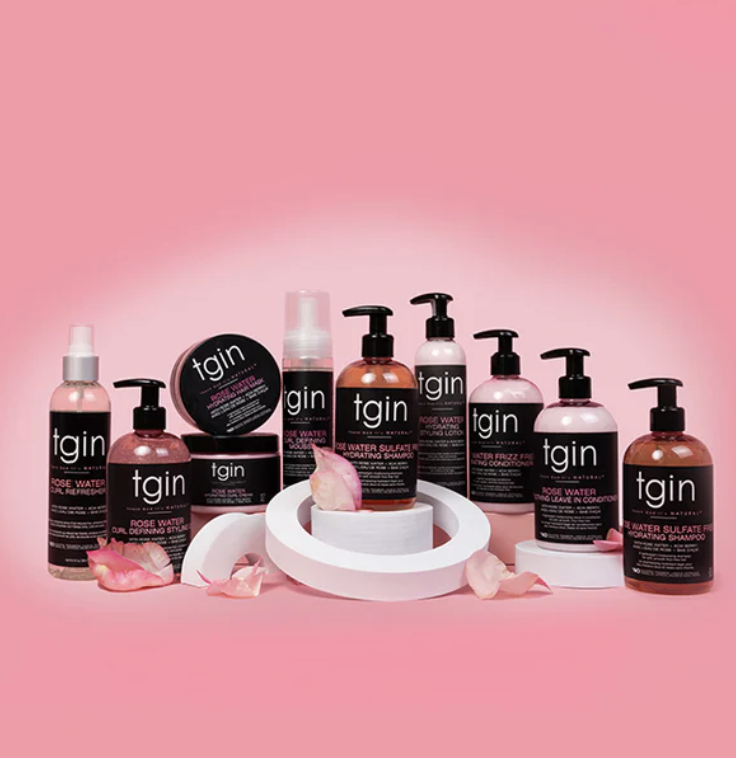
3. TGIN Rose Water Sulphate Free Hydrating Shampoo
Combines Rose Water with mild, non-stripping surfactants. Low porosity hair requires thorough cleansing because product tends to sit on the surface rather than absorbing. However, harsh sulfates (SLS) raise the cuticle too aggressively, leading to damage. This formula uses rose water (natural pH 5.5) to soothe inflammation while effectively removing the "film" characteristic of low porosity buildup. It effectively cleanses the cuticle surface to allow subsequent moisture treatments to penetrate.
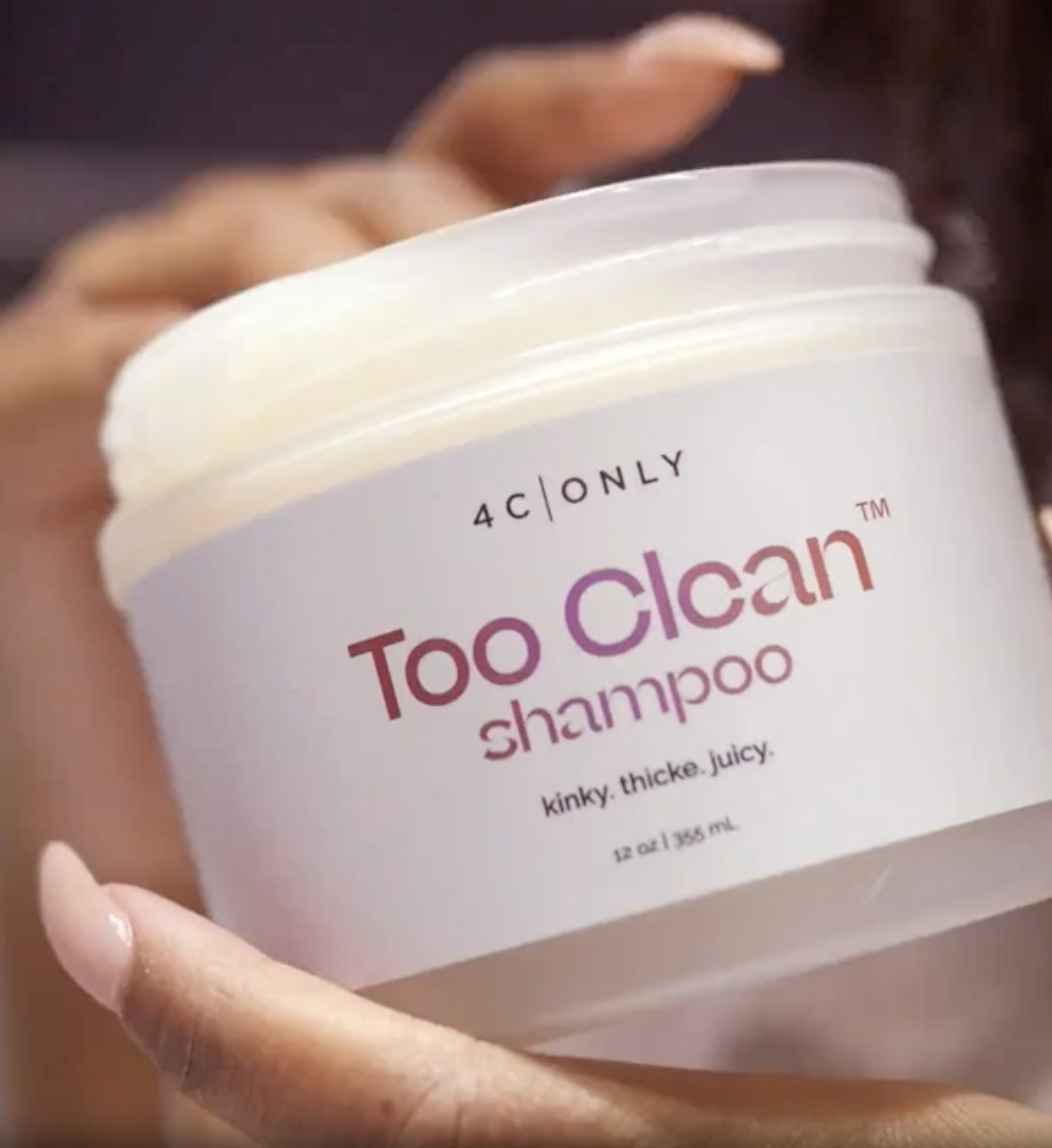
4. 4C Only Too Clean Shampoo
A specialized brand for 4C hair, focusing on Aloe Vera Leaf Extract as the primary solvent rather than just water. Aloe vera contains proteolytic enzymes which repair dead skin cells on the scalp. More importantly for low porosity hair, it acts as a natural pH balancer and mild chelator. It helps remove mineral deposits (from hard water) that low porosity hair is notoriously prone to collecting. It opens the cuticle gently via hydration rather than harsh alkaline agents.
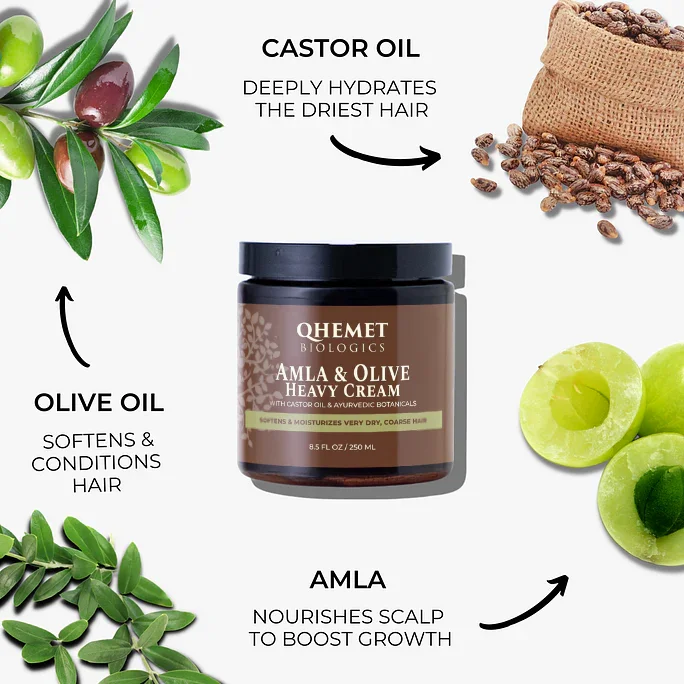
5. Qhemet Biologics Amla & Olive Heavy Cream (Used as a Sealer)
A rich blend of Amla (Indian Gooseberry), Olive Oil, and Castor Oil. While "Heavy Cream" sounds counterintuitive for low porosity hair, its value is specific to the final step of the LCO (Liquid-Cream-Oil) method. Once warm water/steam has opened the cuticle, a robust sealer is needed to trap that hydration inside before the cuticle clamps shut. Olive oil is one of the few oils capable of partial penetration (monounsaturated fats), while Castor oil is a pure sealant (ricinoleic acid).
3. High porosity hair: cuticle sealing, protein reconstruction, and bond repair
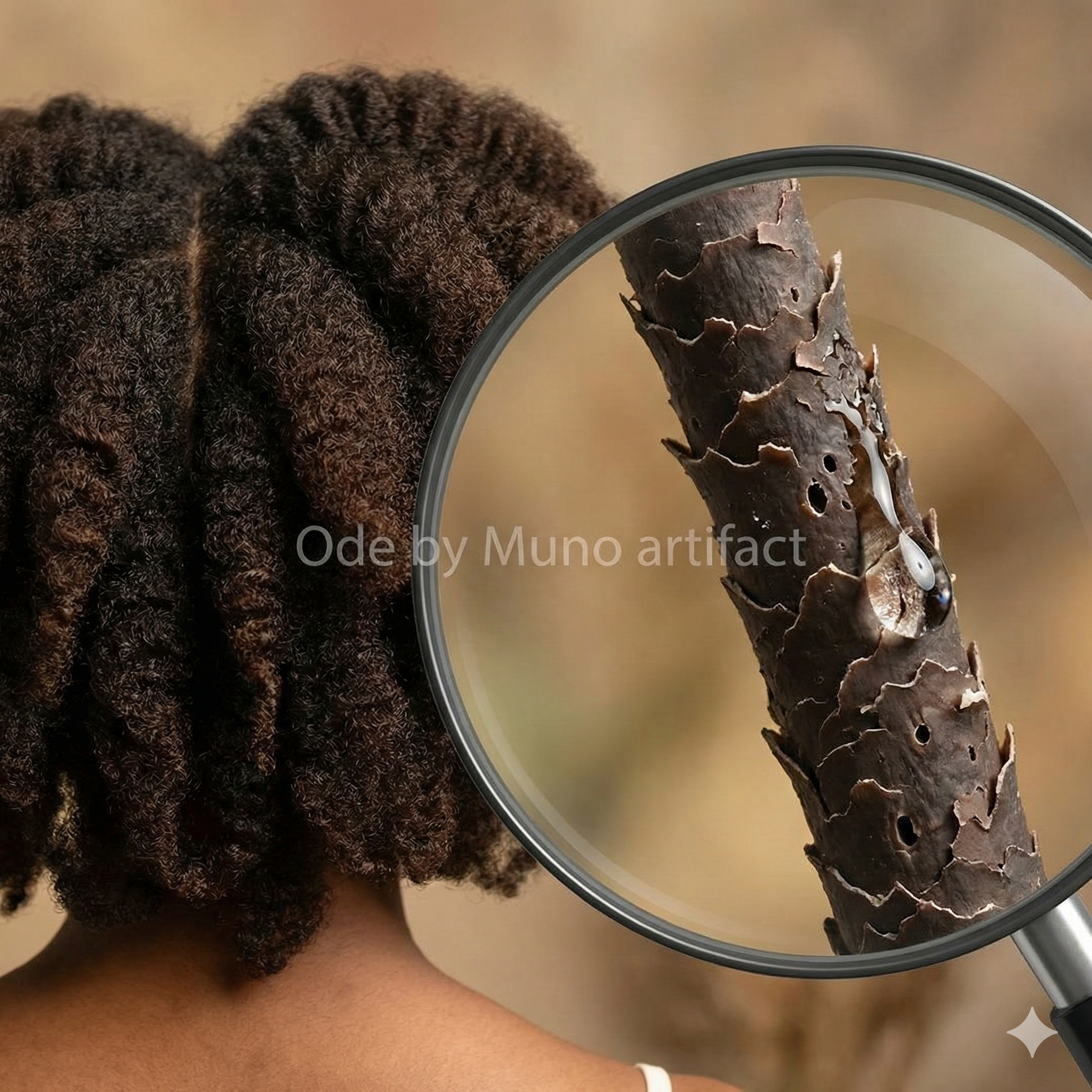
High porosity hair is characterized by gaps, holes, and lifted scales in the cuticle layer, which is the hair's protective outer shield. This state can be genetic, but it is often the result of chemical processing (relaxers, dyes), thermal damage, or manipulation (braids, tension). High porosity hair absorbs water instantly (hydrophilic) but loses it just as fast (poor retention). It lacks structural integrity and is prone to hygral fatigue, the damaging cycle of excessive swelling when wet and rapid contracting when dry.
The scientific need for high porosity products is threefold: gap filling (using protein or keratin), cuticle sealing (using acidic pH or occlusives), and bond repair (restoring internal disulfide bridges). The "value" of products here is their ability to artificially reconstruct the hydrophobic barrier of the hair and restore strength.
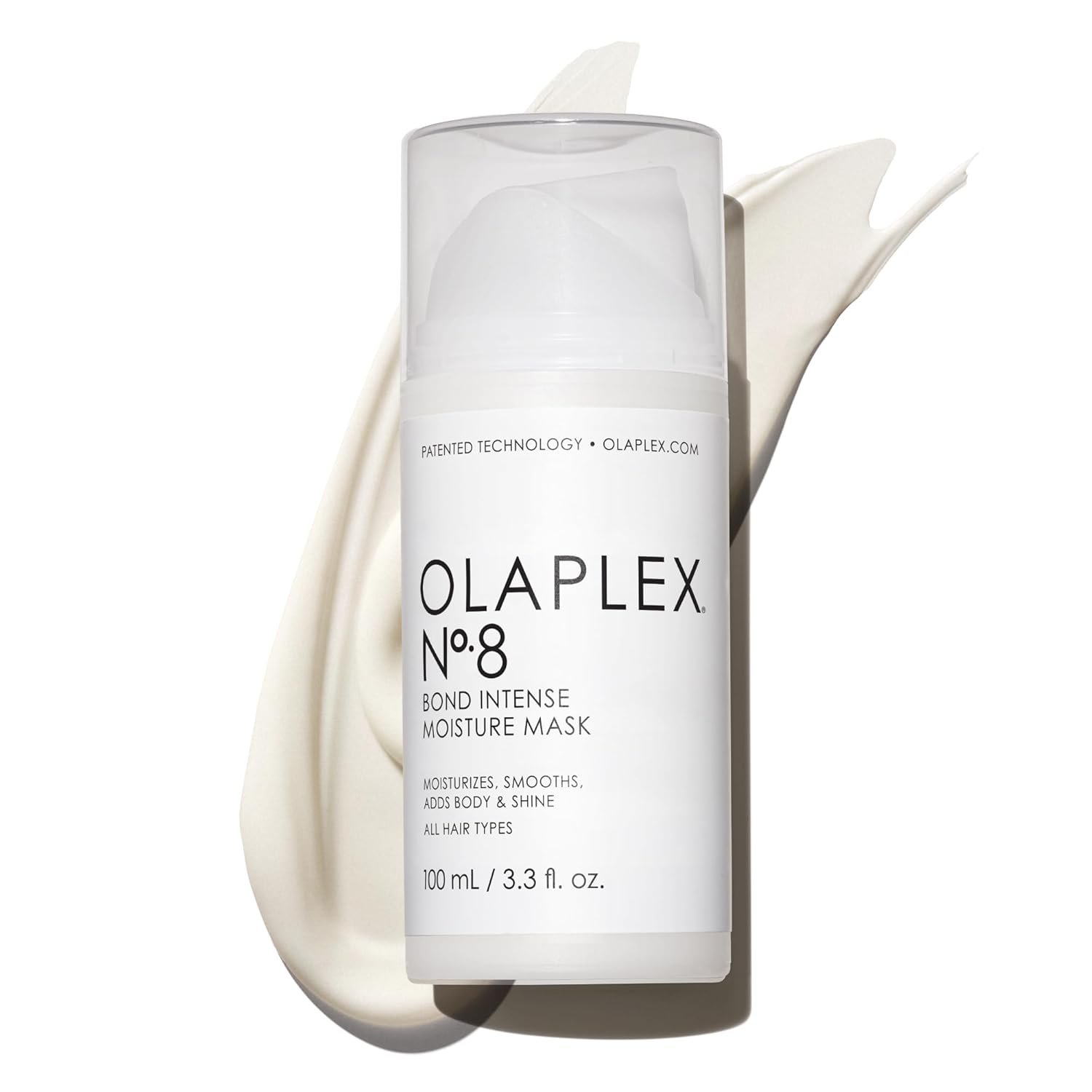
1. Olaplex No. 8 Bond Intense Moisture Mask
Olaplex is the originator of bond-building technology, utilizing the patented molecule Bis-Aminopropyl Diglycol Dimaleate. No. 8 combines this active bond builder with ceramides and hyaluronic acid, addressing both the internal structure and external moisture barrier simultaneously. High porosity hair often possesses broken disulfide bonds, the covalent links that give hair its strength. The Olaplex molecule searches for single sulfur hydrogen paired with oxygen molecules and pairs them with a single sulfur hydrogen to form a disulfide bond. The addition of ceramides effectively "glues" the lifted cuticles back down. It treats the cause of porosity (structural degradation) rather than just masking it with oils.
Just realized that it was discontinued a few months ago ! Oh nooooo
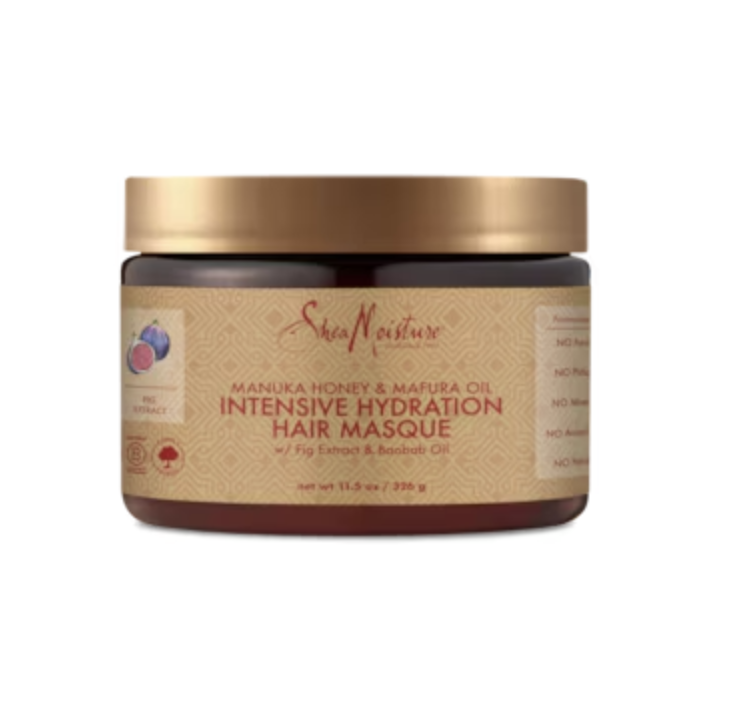
2. SheaMoisture Manuka Honey & Mafura Oil Intensive Hydration Hair Masque
This mask is a classic example of balancing hydrophilic and hydrophobic agents. It pairs Manuka Honey (an intense, antibacterial humectant) with Mafura Oil (Trichilia Emetica), a rich emollient high in essential fatty acids. High porosity hair acts like a sieve. It needs a "trap." The honey draws water molecules into the cortex, but without a heavy seal, that water evaporates immediately. Mafura oil, which is solid at room temperature and high in oleic acid, provides a substantial barrier that high-porosity strands cannot easily shed. It creates a semi-occlusive film that drastically slows the rate of water evaporation (Transepidermal Water Loss equivalent for hair). The formulation is heavy enough to act as a physical filler for the gaps in the cuticle, providing a smoothing effect that makes rough, porous hair feel silky.
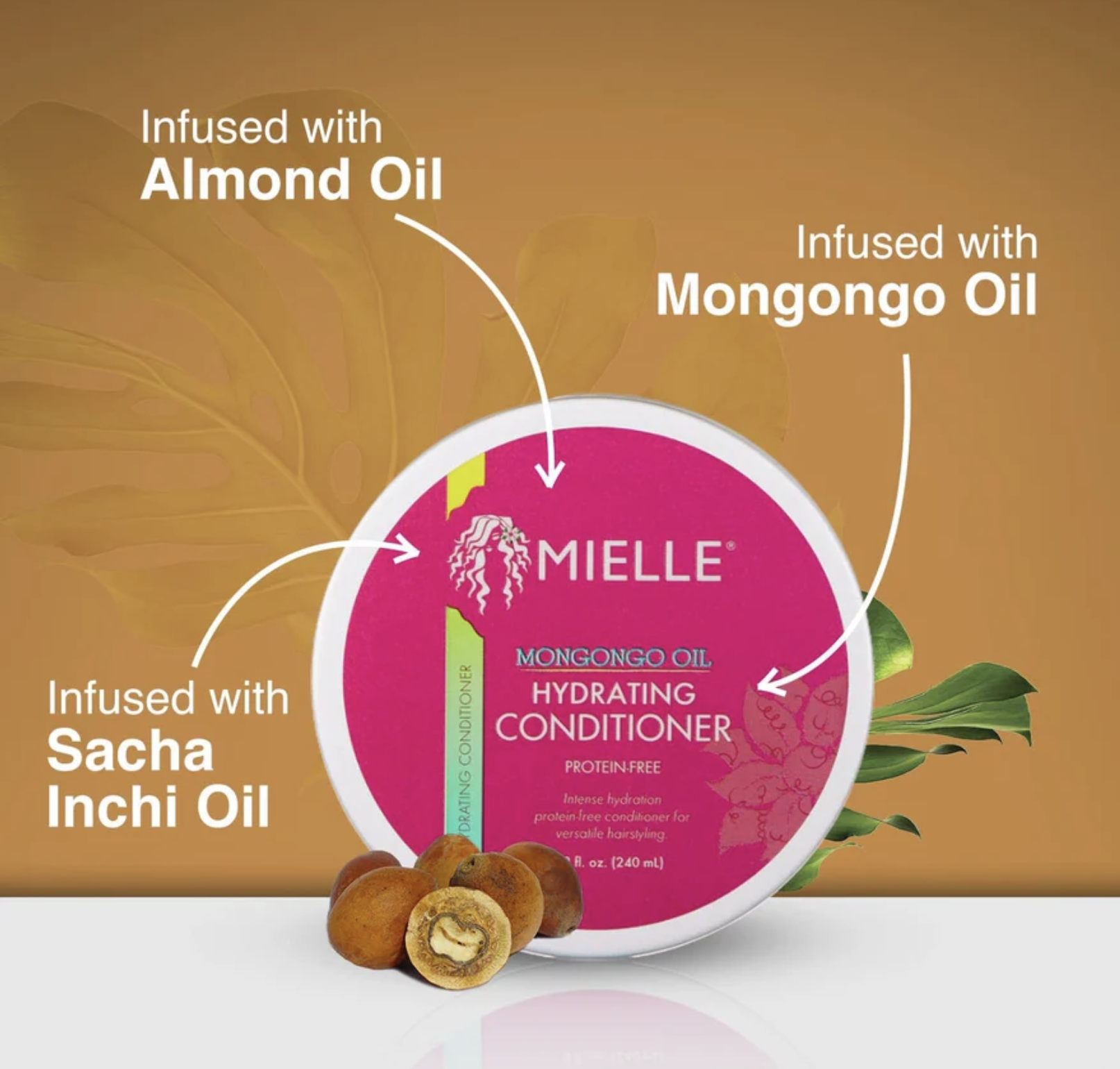
3. Mielle Organics Mongongo Oil Protein-Free Hydrating Conditioner
While many high porosity products rely heavily on protein, some porous hair is also protein-sensitive (prone to stiffening). This formulation uses Mongongo Oil, derived from the Manketti tree. The scientific value lies in the oil's high content of eleostearic acid, a polyunsaturated fatty acid that polymerizes upon exposure to UV light. When Mongongo oil is applied to the hair and exposed to sunlight, the eleostearic acid reacts to form a protective, polymerized film over the hair shaft. It offers a unique "shield" against environmental moisture flux. For high porosity hair that becomes frizzy in humidity (by absorbing too much water from the air), this oil creates a hydrophobic barrier that stabilizes the hair's moisture levels, keeping the style intact.
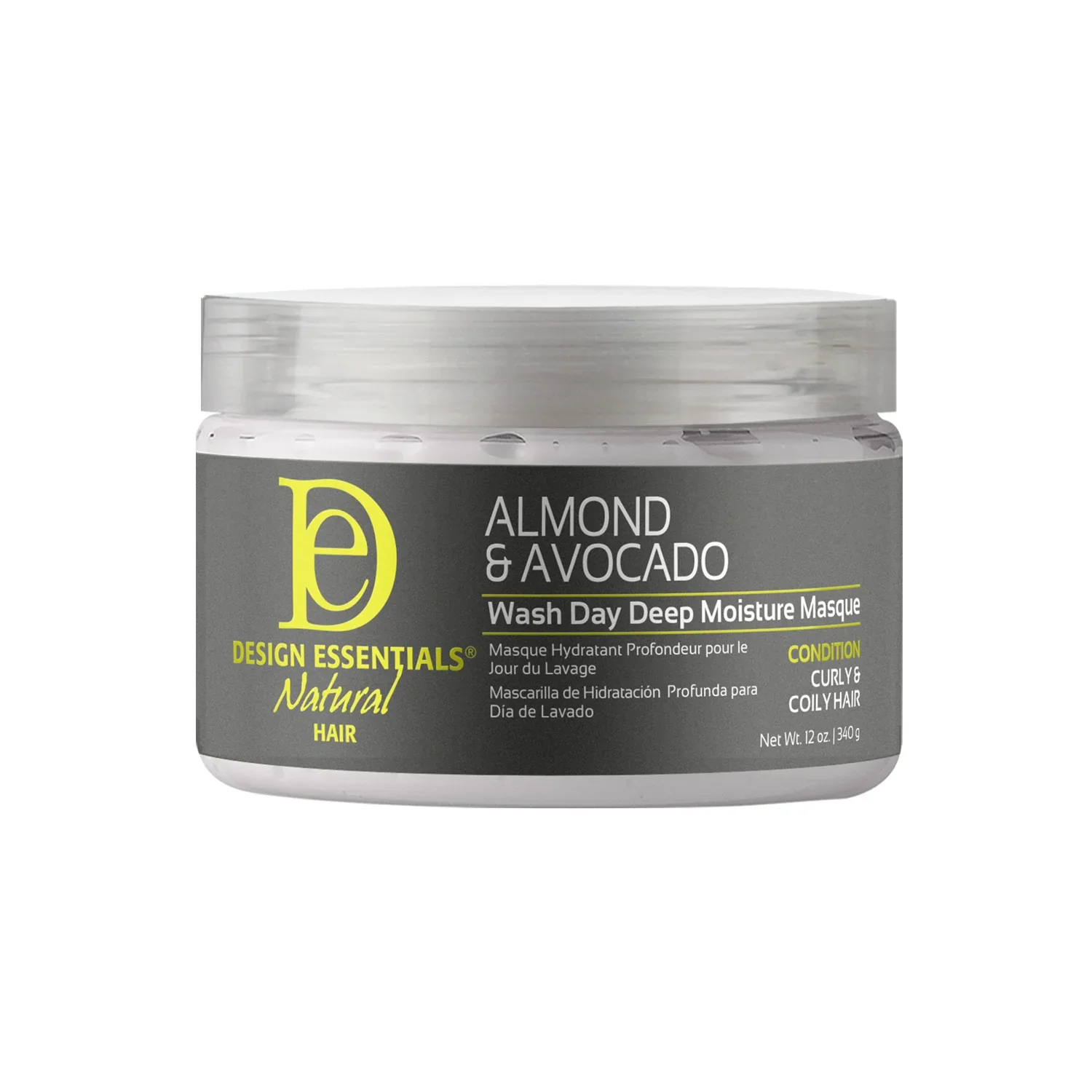
4. Design Essentials Almond & Avocado Wash Day Deep Moisture Masque
Avocado oil is unique in its ability to penetrate the cuticle layer due to its high monounsaturated fat content, while almond oil sits slightly higher to seal the surface. High porosity hair is often lipid-depleted; the natural 18-MEA layer (18-methyleicosanoic acid), which provides the hair's natural waterproofing, is usually stripped away by high-pH shampoos or relaxers. This mask attempts to artificially replace that lipid layer, reducing the hydrophilicity of the hair. The primary value is the reduction of drying time, friction, and water-induced swelling damage.
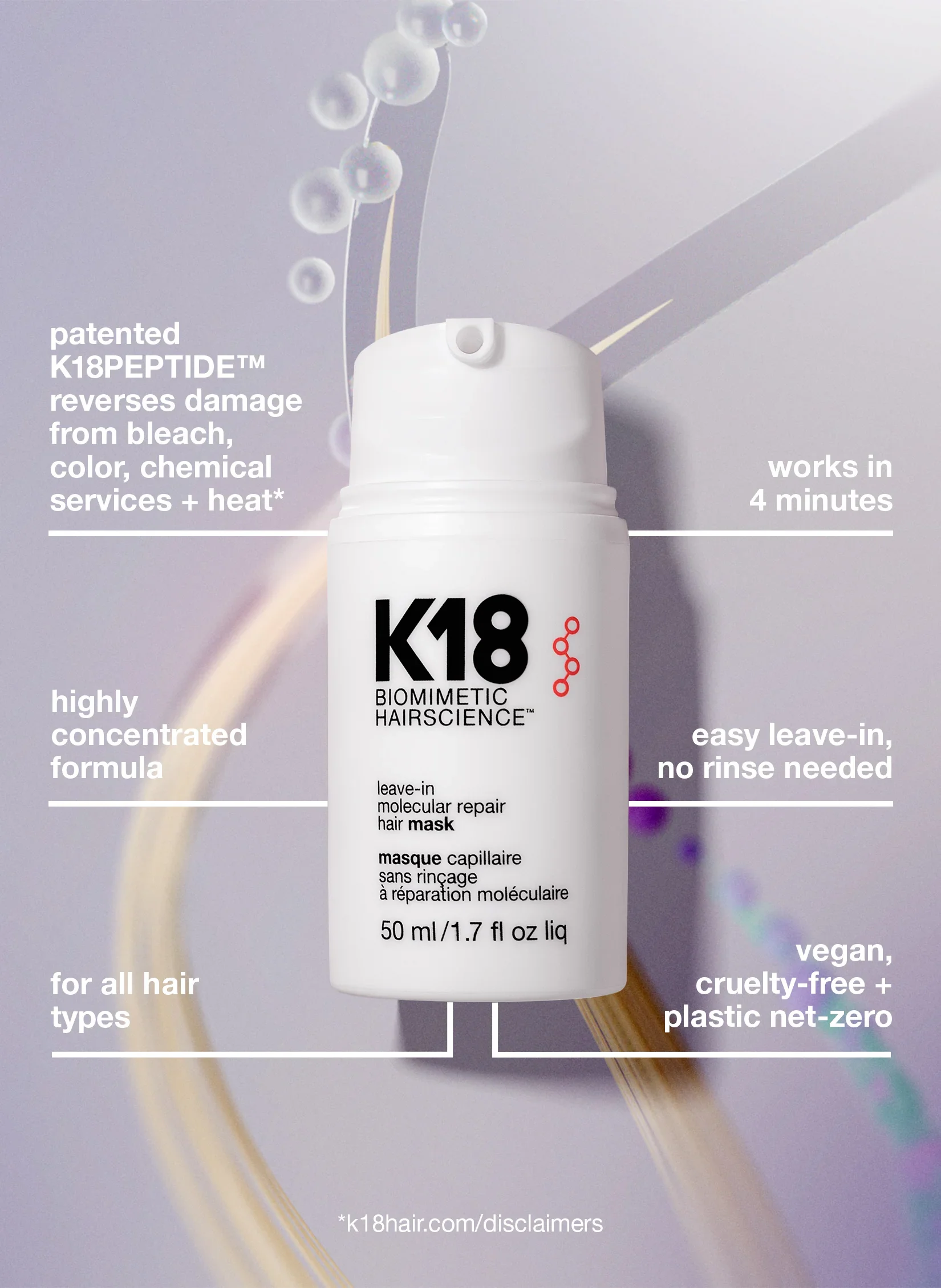
5. K18 Leave-In Molecular Repair Hair Mask
K18 represents the second generation of bond builders, moving beyond chemistry into genomics. It uses the K18Peptide, a bioactive peptide sequence discovered after mapping the entire keratin genome. This peptide mimics the natural structure of the keratin protein. Unlike conditioners that coat the surface, the K18 peptide is small enough to travel into the innermost layers of the hair (cortex). Once inside, it recognizes the broken polypeptide chains (the "ladders" of the DNA helix structure of hair) and reconnects them. It does not wash out with shampoo; it structurally reintegrates into the hair fiber, restoring elasticity. It is the most advanced "repair" technology currently available for reconstructing the porosity landscape of the hair from the inside out.
4. Damaged hair: molecular repair, cross-linking, and thermoprotection
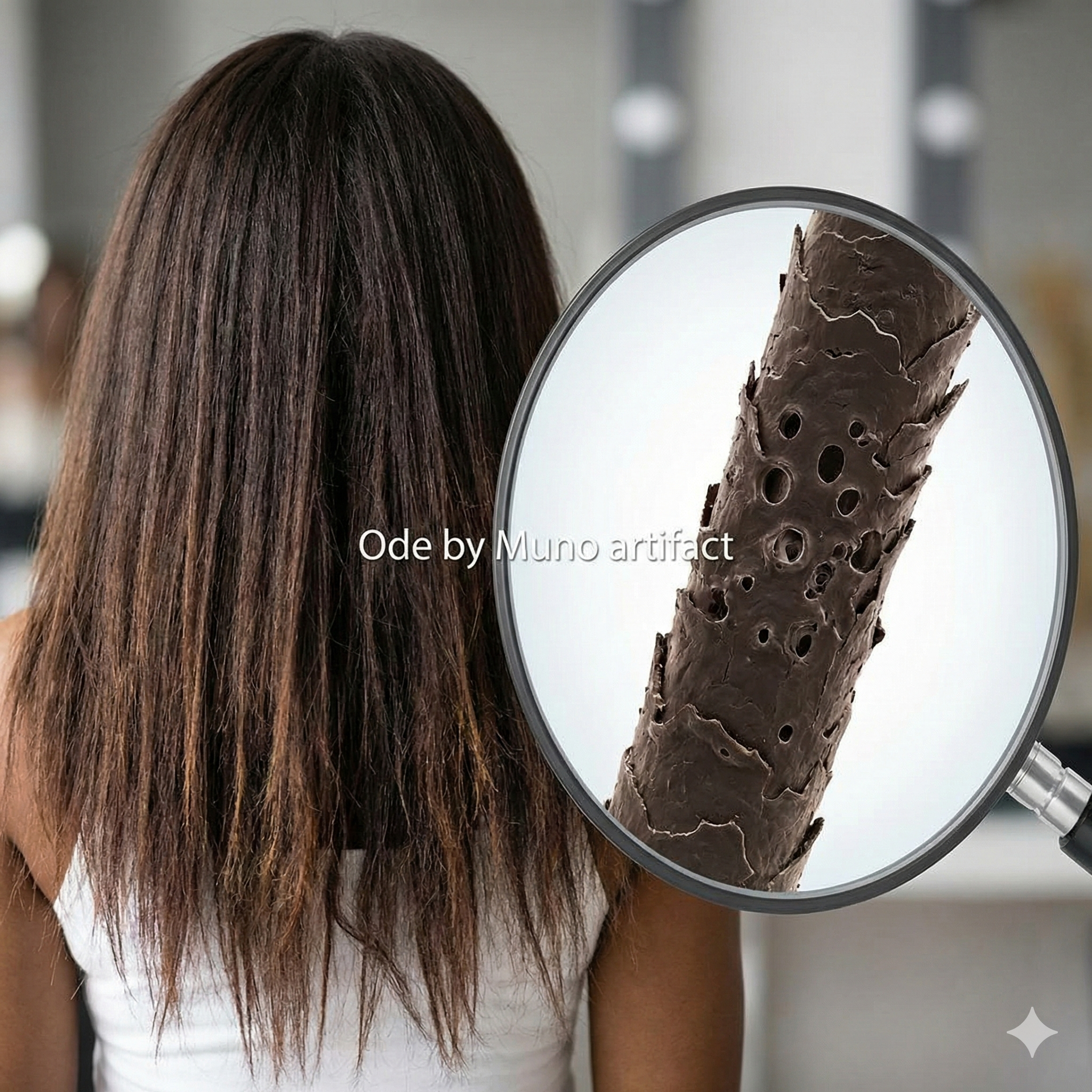
Heat damage, color damage, and tension damage all change porosity and elasticity, which means your hair literally behaves differently. Most Black women aren’t “one type,” we’re always managing transitioning zones.
Heat damage is the denaturation of the keratin protein: the alpha-helix structure "melts" and loses its shape, and moisture vaporization blows holes in the cuticle ("bubble hair"). While protein cannot technically "un-cook," modern bond builders can stabilize the remaining structure, patch the holes, and restore elasticity. The "value" is in bond cross-linking and extreme protein reinforcement.
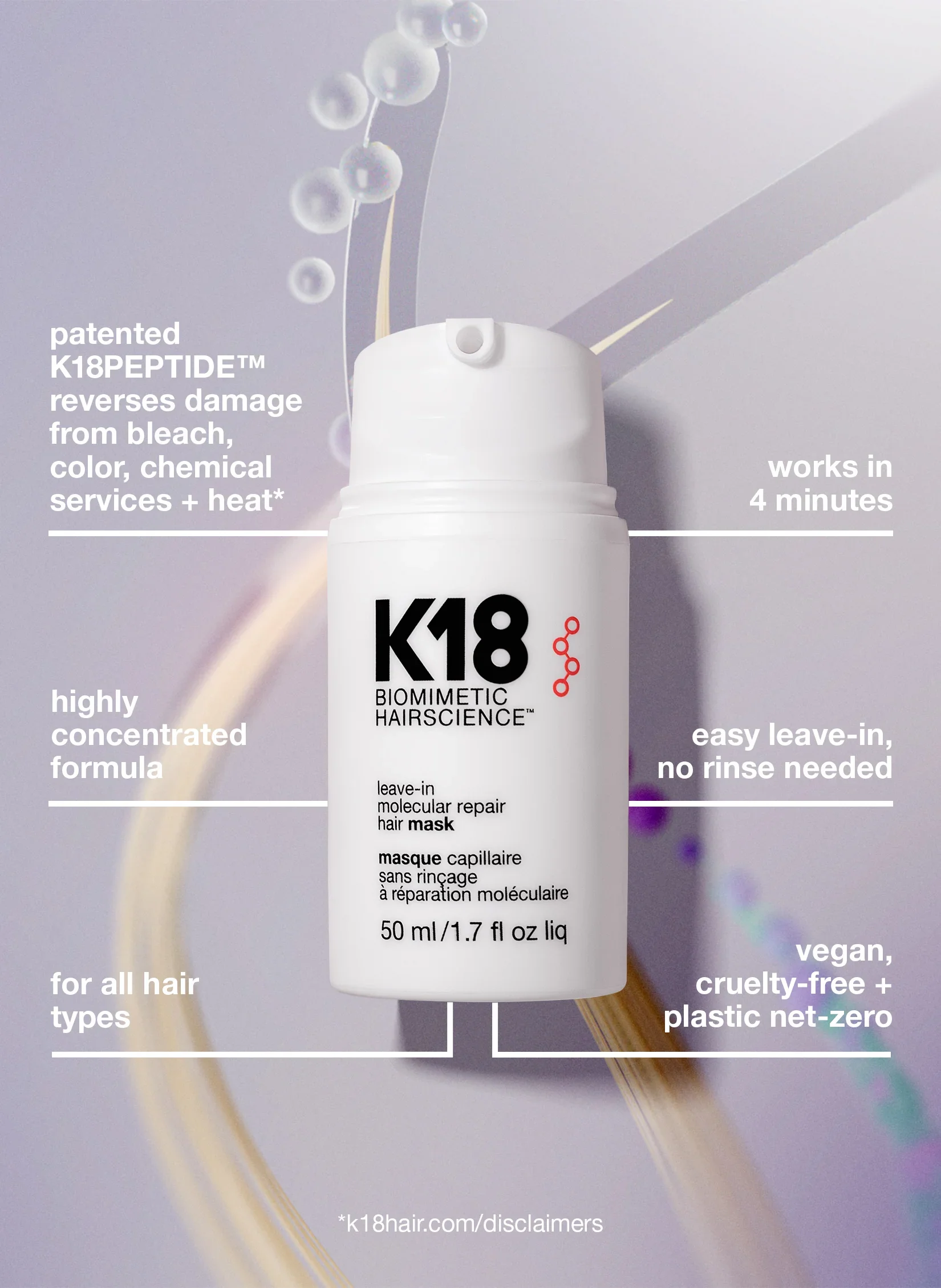
1. K18 Leave-In Molecular Repair Hair Mask
Also used for high porosity hair
Uses the K18Peptide to reverse elasticity loss. Heat damaged hair loses its elasticity, it doesn't snap back when pulled, it just breaks or stays stretched. K18 reconnects the polypeptide chains responsible for that elasticity. It works in the cortex, the inner strength layer. It works in 4 minutes and requires no rinse.
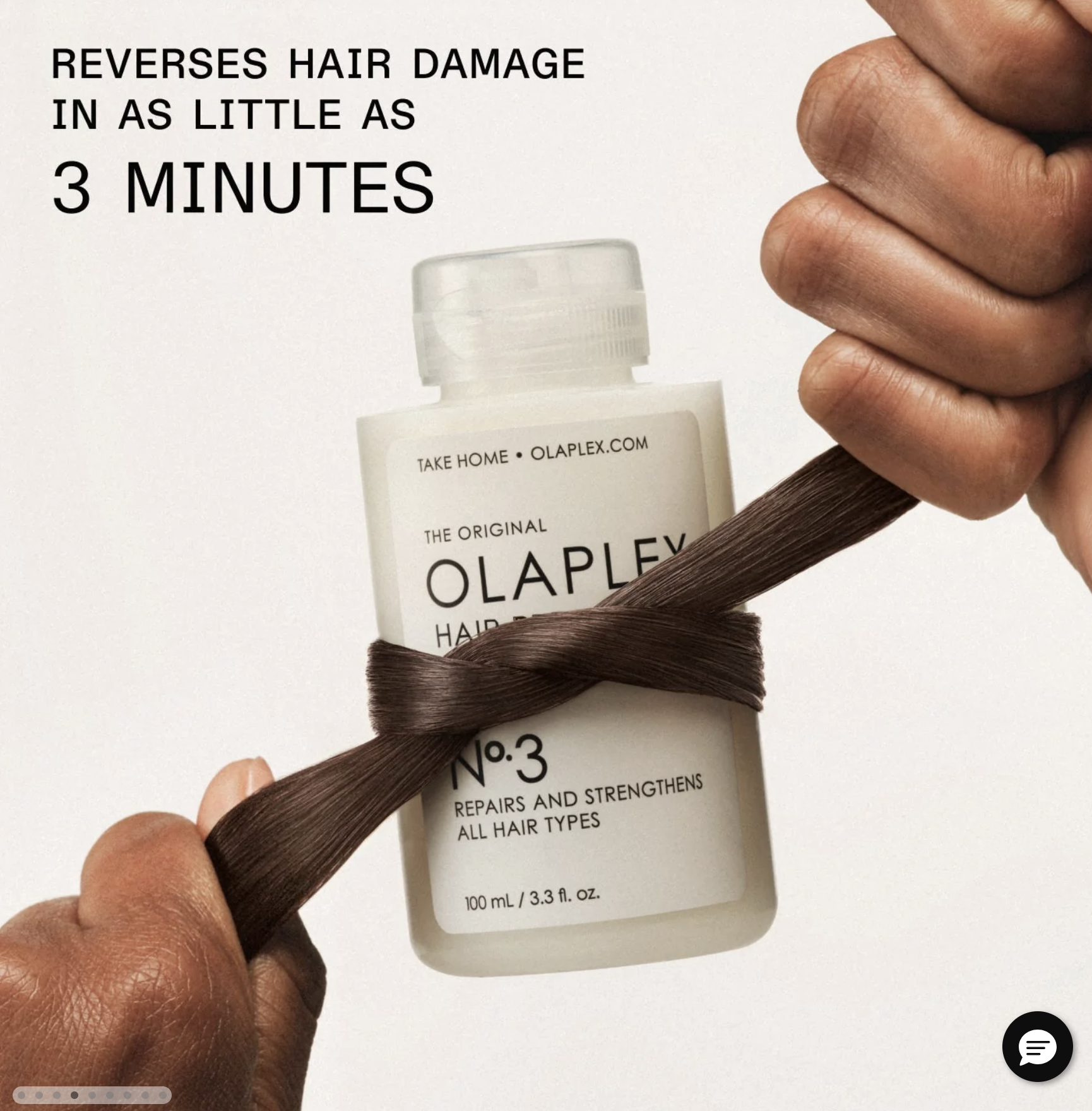
2. Olaplex No.3 Hair Perfector
Olaplex is the bond builder most people know, but don’t always understand. Its patented Bis-Aminopropyl Diglycol Dimaleate targets disulfide bonds, the strongest bonds in hair and the ones most compromised by heat, bleach, and chemical treatments.Olaplex works by relinking broken sulfur bonds inside the cortex, restoring structural integrity rather than coating the hair. It doesn’t add moisture or protein, which is why it can feel underwhelming if used alone. Think of it as structural repair, not softness. For Black hair with repeated heat exposure, it’s most effective when layered before moisture- or protein-based treatments.
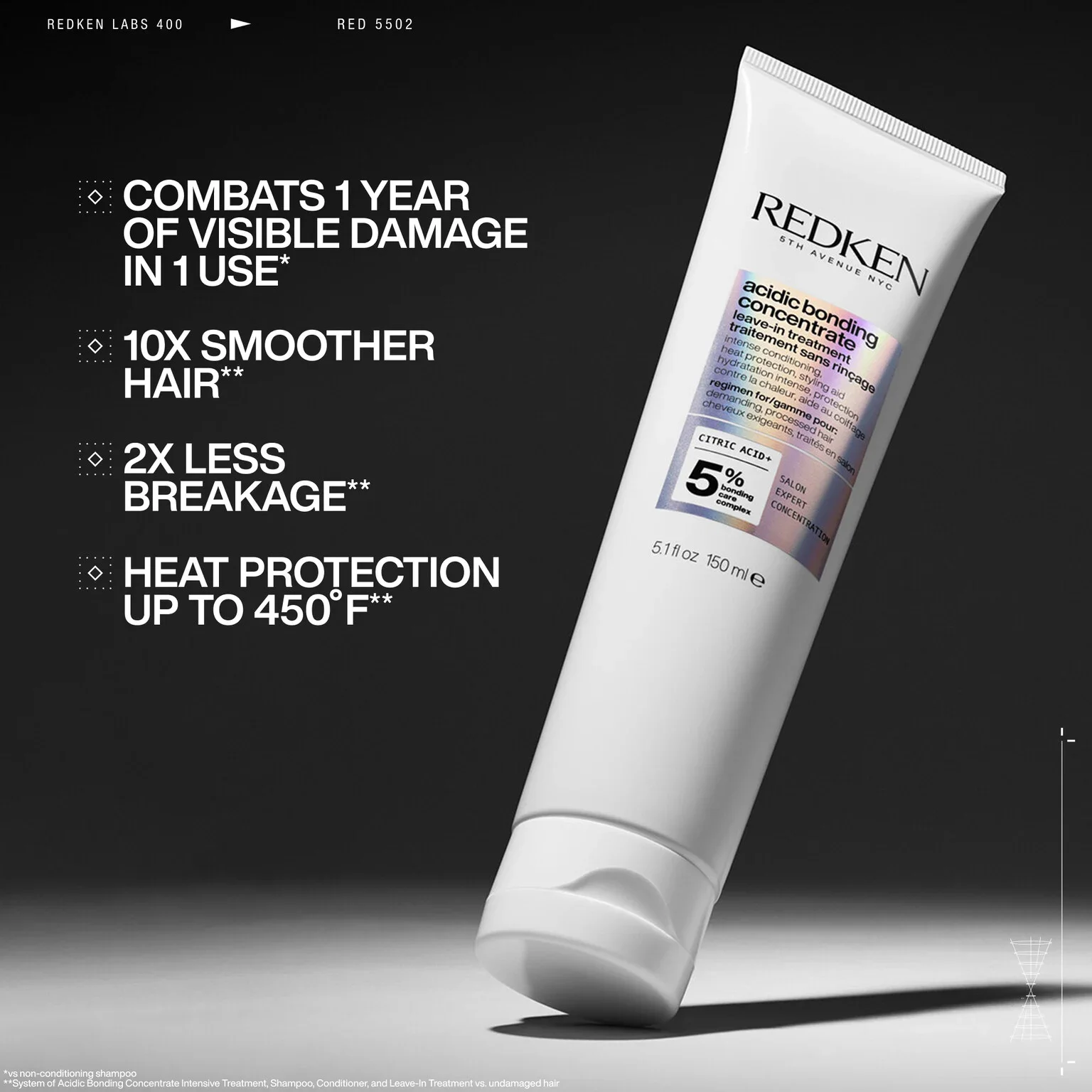
3. Redken Acidic Bonding Concentrate Leave-In Treatment
Contains Citric Acid and a Bonding Care Complex at an acidic pH. Heat damaged hair is often alkaline and porous with a lifted cuticle. This product is acidic (pH 4.5-5.5). The acidity forces the cuticle to lie flat, while the bonding complex reinforces the weakened bonds. It manages the symptoms of heat damage immediately. It creates a smooth, glass-like finish that disguises the fried texture while protecting against further heat (up to 450°F).
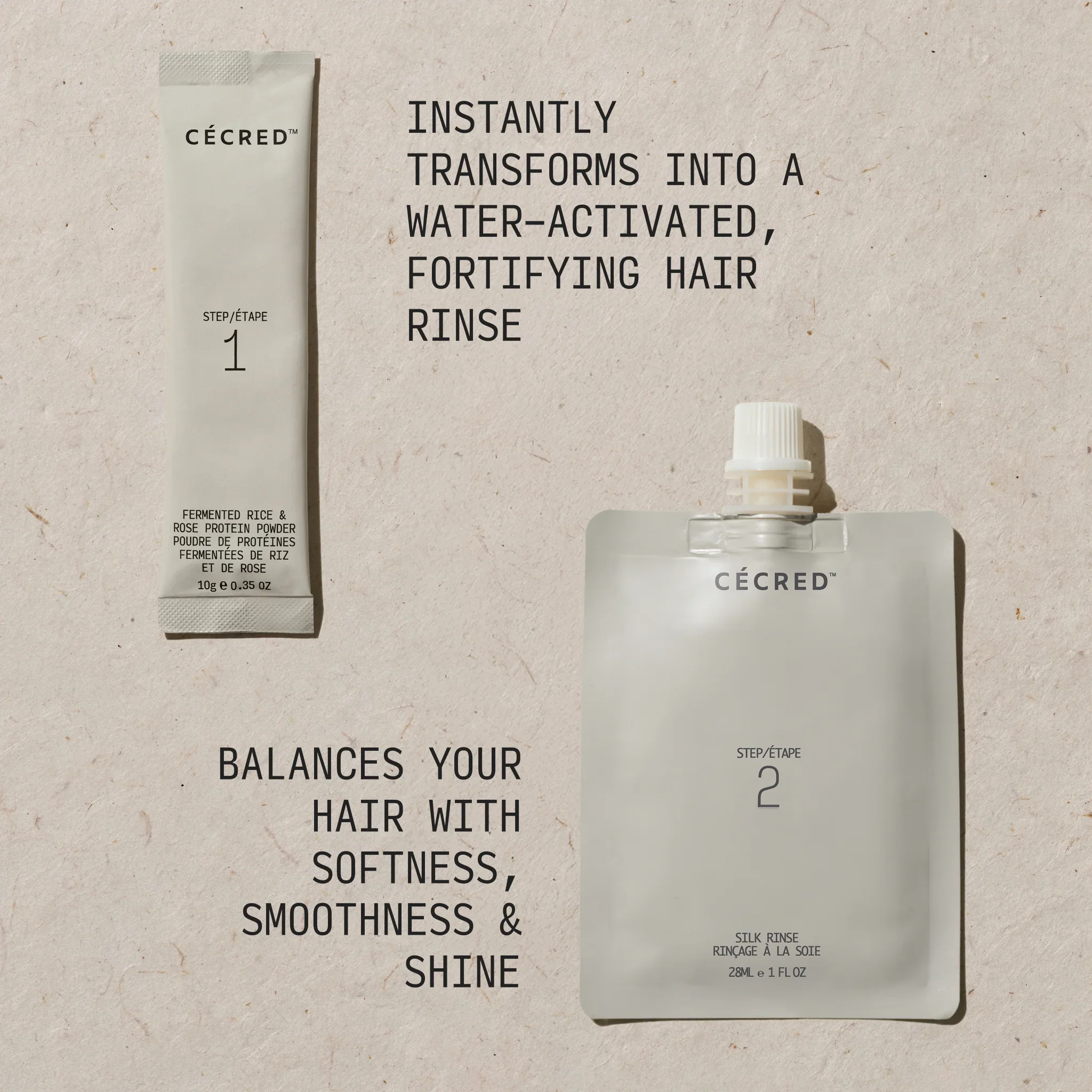
4. Cécred Fermented Rice & Rose Protein Ritual
A two-step system using Fermented Rice Water and Rose Protein. Heat damage creates huge protein gaps in the hair shaft. Fermented rice water has been used for centuries (Yao women) to strengthen hair. This is a heavy-duty protein treatment that hardens the hair shaft, filling the gaps left by heat degradation.
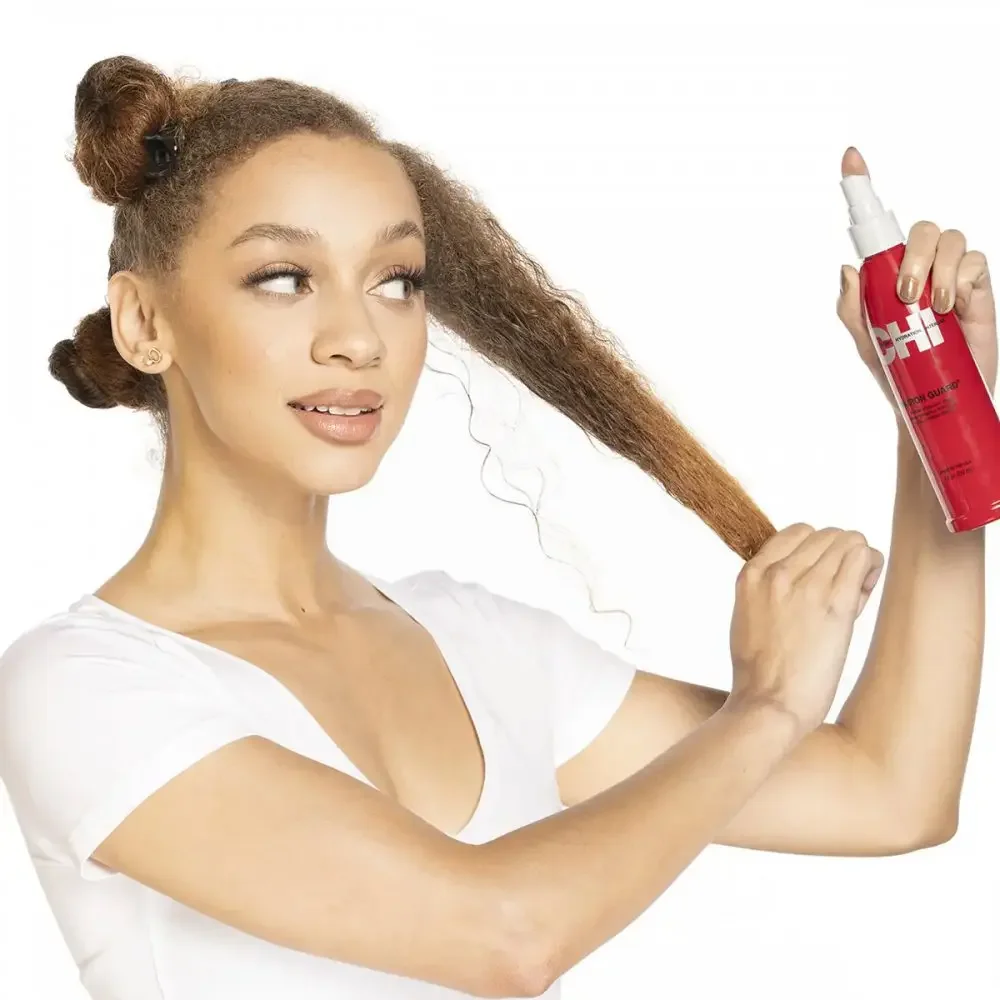
5. CHI 44 Iron Guard
Many protectants are designed primarily for blow-dry heat (lower, indirect, moving air). CHI 44 was built specifically for direct plate contact at high temperatures. Flat irons create: localized heat spikes, repeated passes on the same section, extreme moisture loss. CHI 44’s formula is dense enough to survive multiple passes without breaking down immediately, which is why it performs better during silk presses and straightening. It reduces repeated damage, not just single-use damage. It also balances water + polymer + protein. That balance matters for Black hair, where high porosity sections heat faster and unevenly.
5. Fine hair: volumizing moisture and structural reinforcement
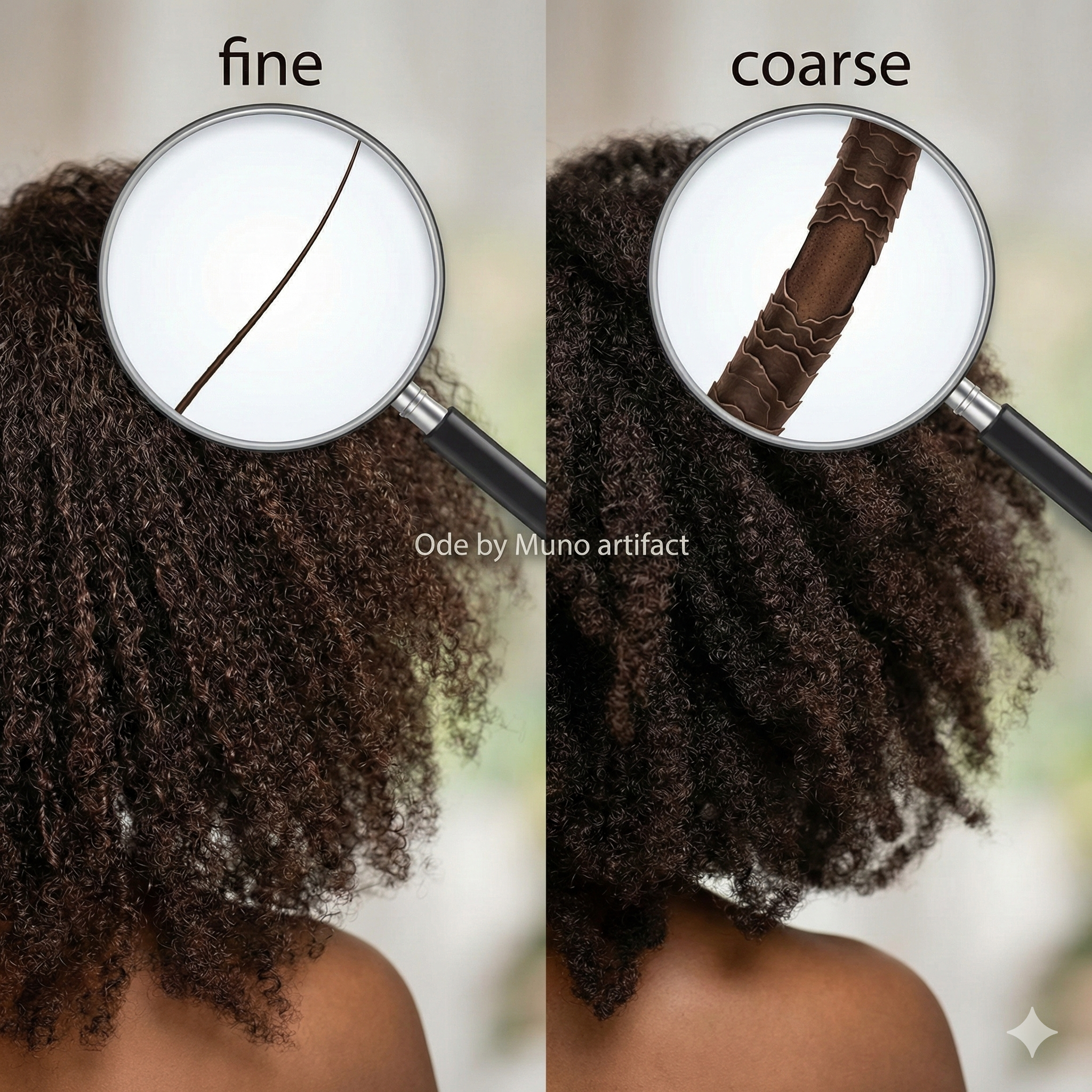
Fine hair refers to the diameter of the individual strand, not the density of the hair on the head. One can have high-density (thick) hair that is comprised of fine individual strands. Fine Afro-textured strands are physically fragile, possessing a smaller cortex and often fewer cuticle layers. They are easily weighed down by heavy butters (shea, castor) and are prone to breakage from mechanical manipulation.
The scientific "value" for fine hair products is volumizing (increasing the distance between strands), strengthening without stiffness (cortex reinforcement), and residue-free moisture (preventing the "greasy" look).
1. Epres Bond Repair Treatment (spray)
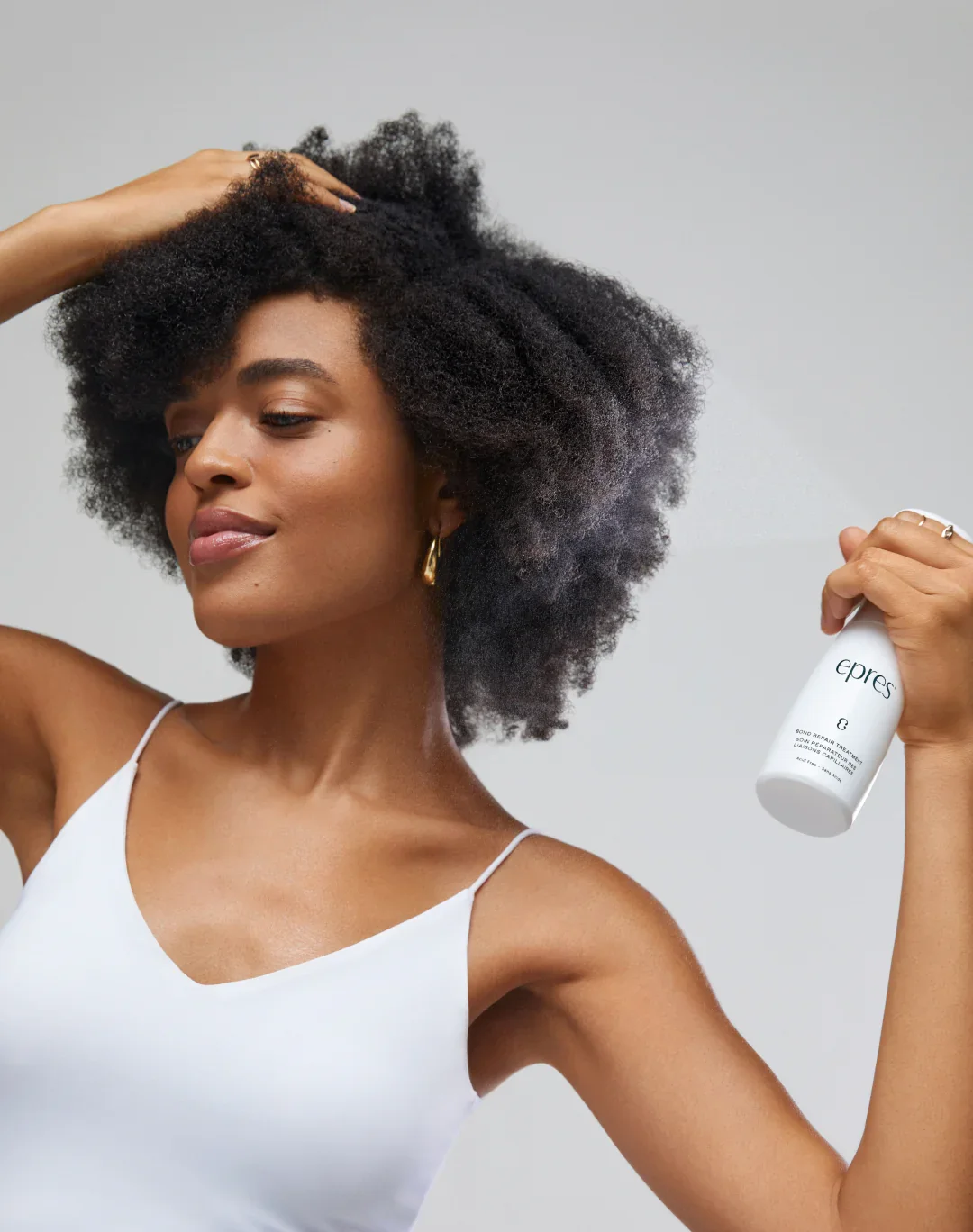
A newer bond builder that targets disulfide bond repair and uses their patented Biodiffusion™ approach, designed to keep working even after hair dries. For fine hair, spray delivery = even distribution and less product heaviness than creams.
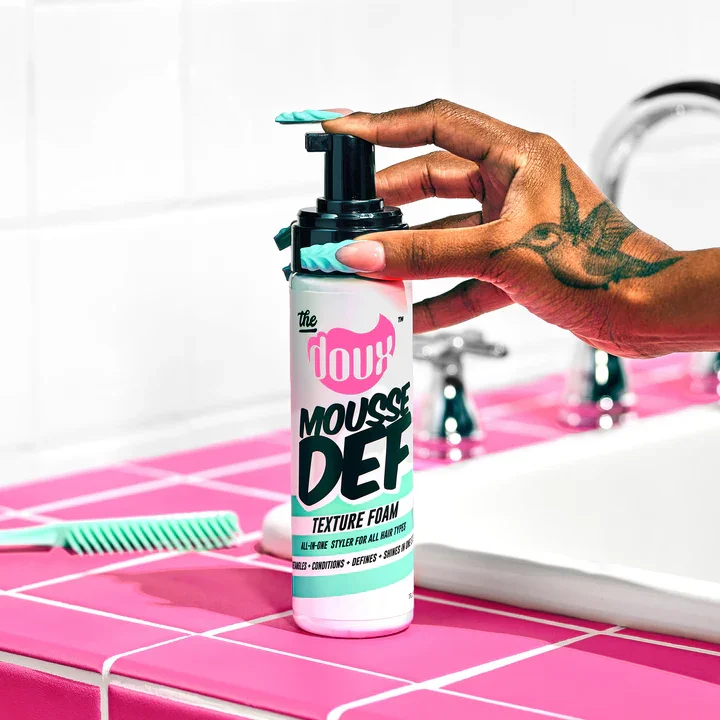
2. The Doux Mousse Def Texture Foam
A foam-based styler containing soluble corn syrup (natural humectant/holder) and hydrolyzed wheat protein. Mousse is aerated, meaning it is mostly air. This is crucial for fine hair physics. The hydrolyzed proteins bind to the hair shaft, temporarily increasing its diameter and stiffness, which supports volume. It provides "Volume with Definition." Gels are often too heavy for fine 4C hair, causing it to look stringy and flat. This foam plumps the strand (via proteins) and sets the curl without the weight, creating the "big hair" aesthetic that fine-haired naturals often struggle to achieve.
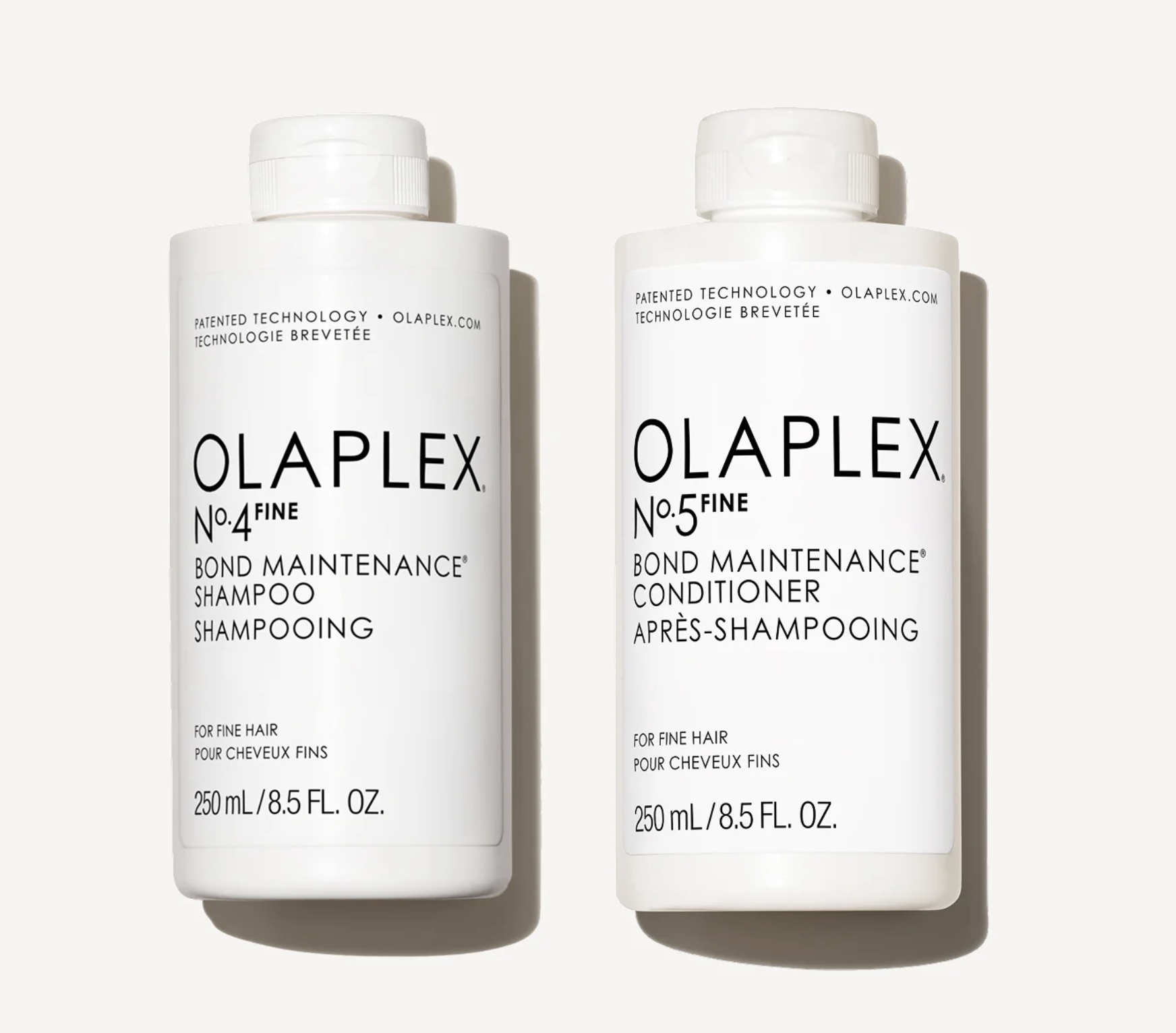
3. Olaplex Double Volume Fine Hair Set
This fine-hair duo works because it treats strength and volume as a systems problem, not a styling illusion. Olaplex Nº.4FINE and Nº.5FINE use their patented bond technology to rebuild disulfide bonds, which fine hair loses quickly through heat, friction, and routine washing. That molecular repair restores internal strength, while flexible polymers add lift without stiffness and low–molecular weight hyaluronic acid hydrates without swelling the strand. The result is hair that’s lighter and stronger, clean at the root, hydrated through the lengths, and able to hold volume because the structure underneath can actually support it.
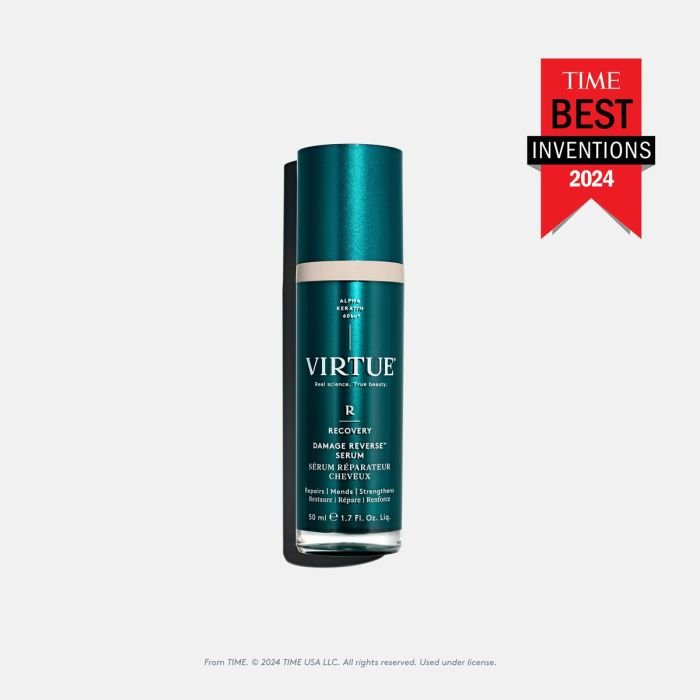
4. Virtue Labs Damage Reverse Serum
Fine hair breaks because there’s simply less material in each strand. This serum is built around Alpha Keratin 60ku®, a bio-identical keratin protein engineered to be small enough to bind selectively to damaged areas along the cuticle. Instead of coating the strand uniformly (which can weigh fine hair down), it targets micro-fractures where strength is actually lost. That localized repair restores tensile strength and smoothness without adding bulk.
Great for split ends
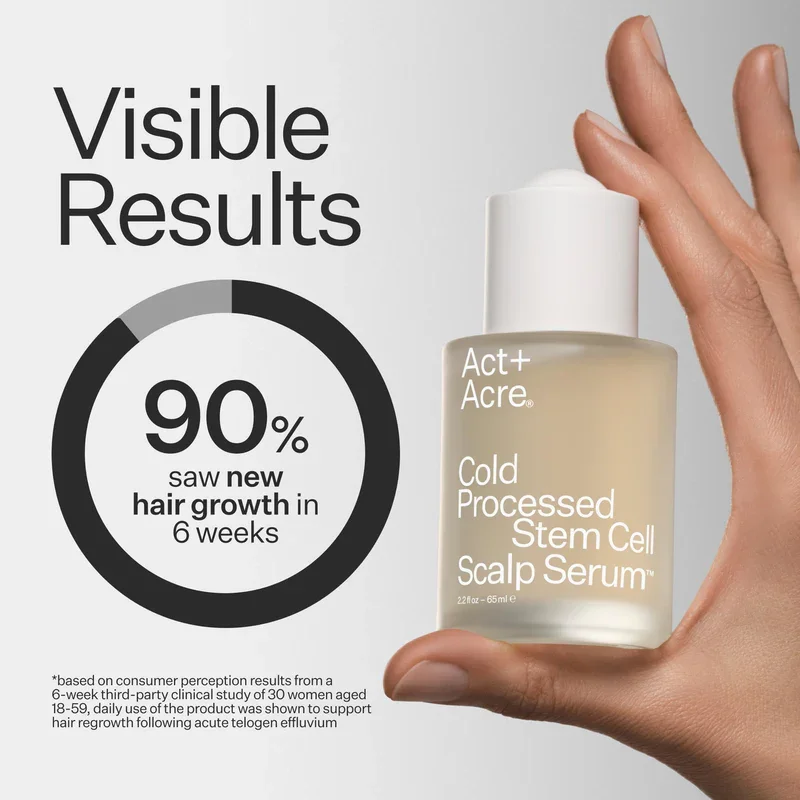
5. Act + Acre Stem Cell Scalp Serum
Founded by trichologist + celebrity hair stylist, Helen Reavey
For fine hair, fullness is often limited more by follicle output and shedding than by strand care alone. This serum focuses upstream, on the scalp environment, using plant stem cell extracts and clinically studied actives to support follicle health, reduce inflammation, and extend the growth phase of the hair cycle. Fine strands benefit disproportionately from this approach: improving density at the scalp increases visual volume without relying on thick styling products. In other words, instead of making hair feel fuller, it helps hair grow fuller, which is the most sustainable strategy for fine textures.
6. Coarse hair: softening, urea, and lipid replenishment
Coarse hair and dry hair are often confused, but they need very different solutions.
Coarse hair is genetic and has the largest diameter and a robust cortex, often with a double layer of cuticles. It is physically strong but can feel "wiry" or "rough" even when freshly washed or moisturized due to the rigidity of the thick keratin bundles. It requires softening agents (urea, intense emollients) and elasticity boosters to prevent snapping during manipulation. The "value" for coarse hair is found in suppleness, plasticization, and manageability.
Dry hair feels rough or brittle until you add water or product. It is temporary and fixable.
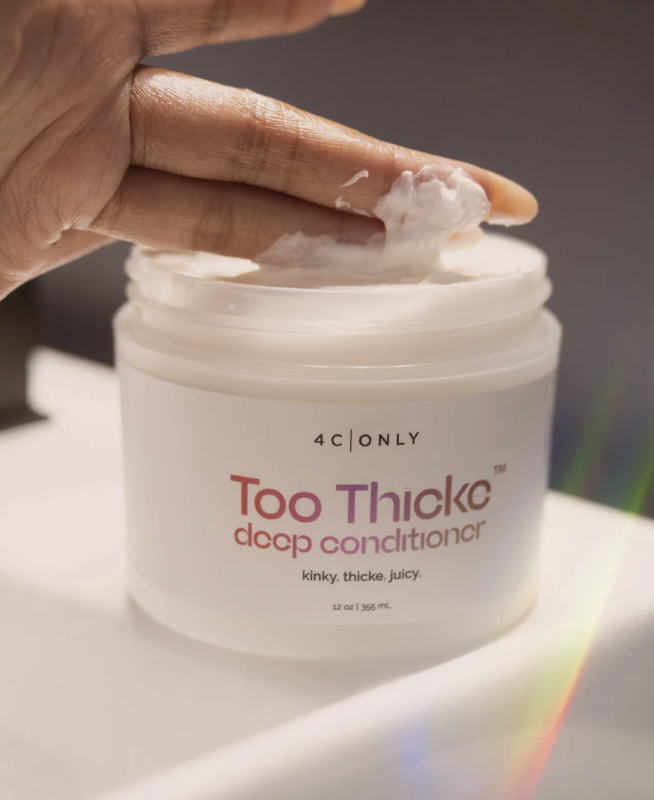
1. 4C Only Too Thicke Deep Conditioner
Features Slippery Elm Extract and Organic Grapeseed Oil. Coarse hair creates high friction when strands rub together. Slippery Elm contains high levels of mucilage, a gelatinous polysaccharide substance. When applied to hair, this mucilage coats the rough, thick cuticle of coarse hair, drastically reducing the coefficient of friction. This creates "slip," allowing the hair to glide past itself rather than catching.
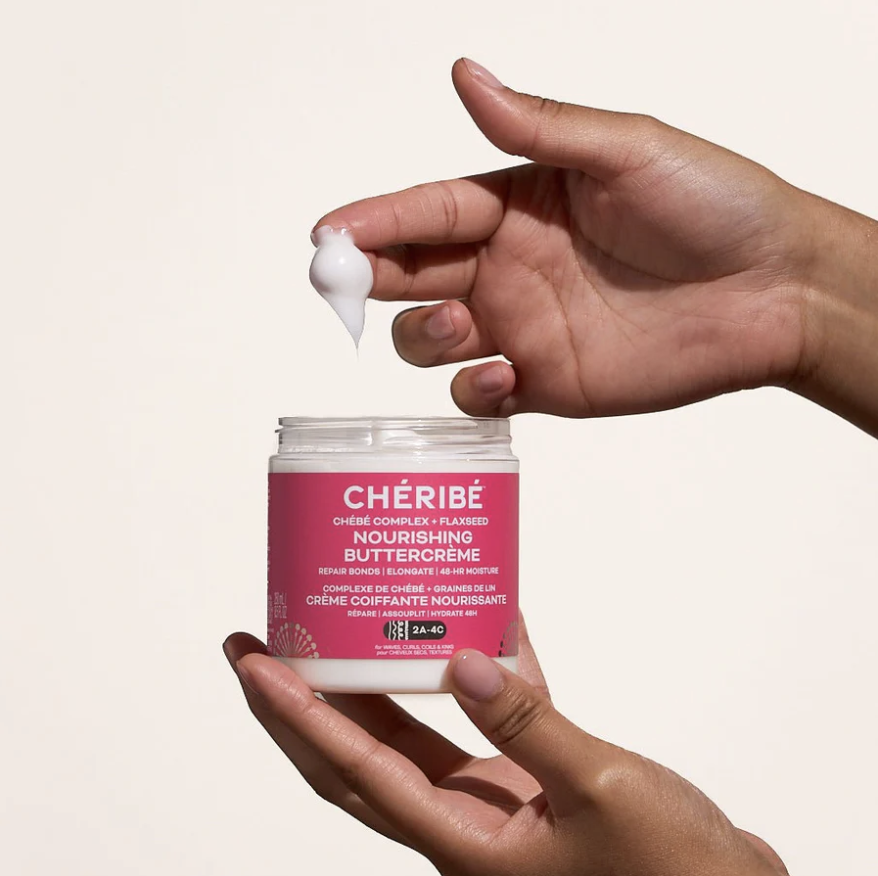
2. Chéribé Nourishing Buttercrème
This brand modernizes the ancient Chadian tradition of Chebe powder (Croton Gratissimus seeds) by refining it into a cream that doesn't leave the traditional sandy residue. Contains the Chebe Complex, Shea Butter, and Flaxseed. Chebe powder has been scientifically analyzed to improve the durability of the hair shaft and retain moisture. It works by mechanically coating the hair and trapping lipids inside. Chéribé's innovation is making this bioactive extract penetrable and cosmetically elegant. The flaxseed adds omega-3s to improve elasticity. Users of traditional Chebe say that coarse hair stays soft for weeks, not days. This product delivers that longevity in a modern formula. It transforms the "wire-like" feel of coarse hair into a soft, cottony texture.
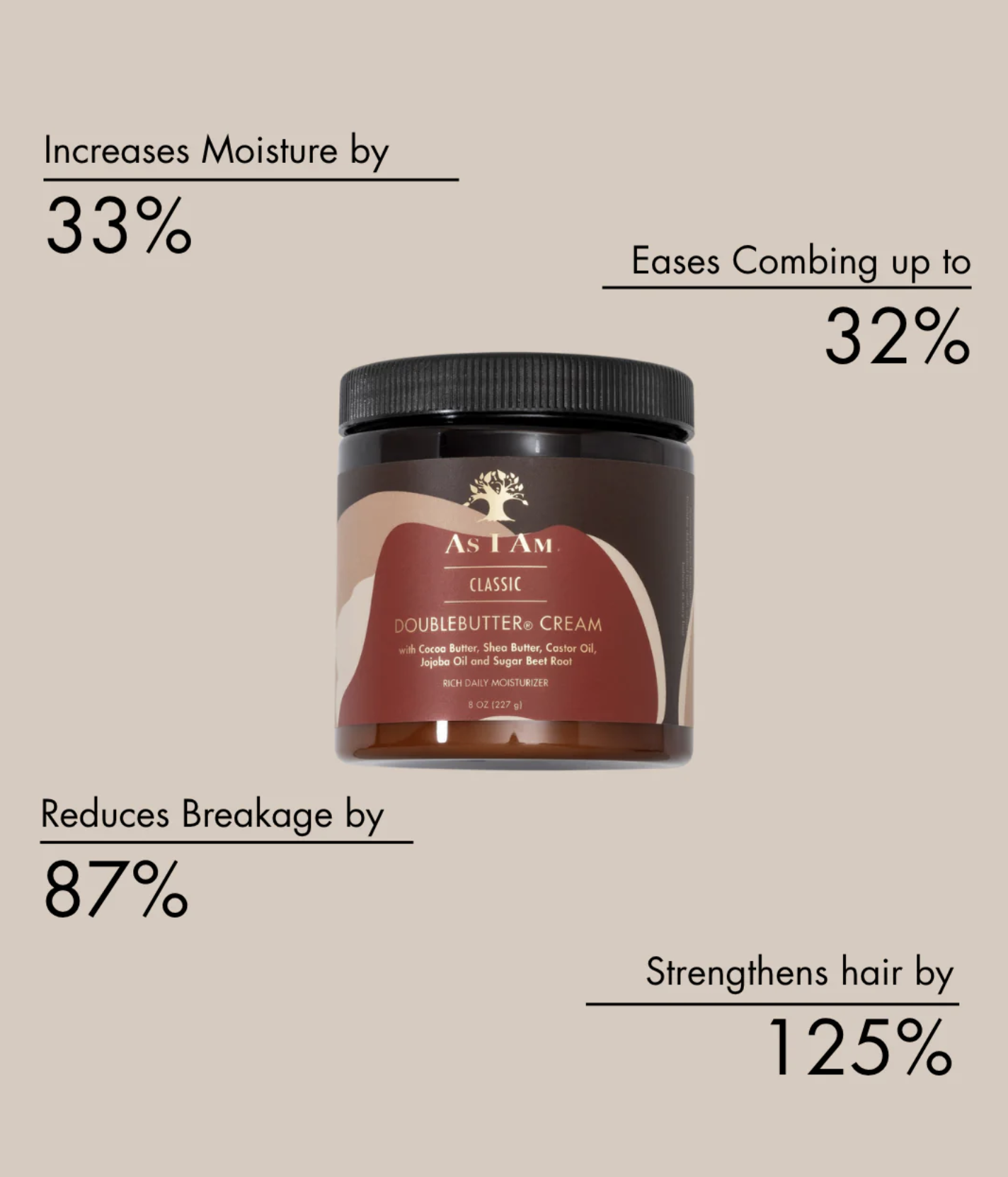
3. As I Am DoubleButter Cream
A rich blend of Cocoa Butter, Shea Butter, Castor Oil, and Jojoba Oil, supported by Pro-Vitamin B5. Cocoa butter is harder and forms a stronger seal on the thick coarse cuticle; Shea butter is softer and penetrates better. Together, they act as plasticizers, softening the rigid keratin structure of coarse hair, making it bendable and malleable rather than stiff. Coarse hair can be rigid and resistant to styling. This cream softens the keratin structure (temporarily) allowing for styles like twist-outs or braid-outs to hold their shape without feeling like stiff wire.
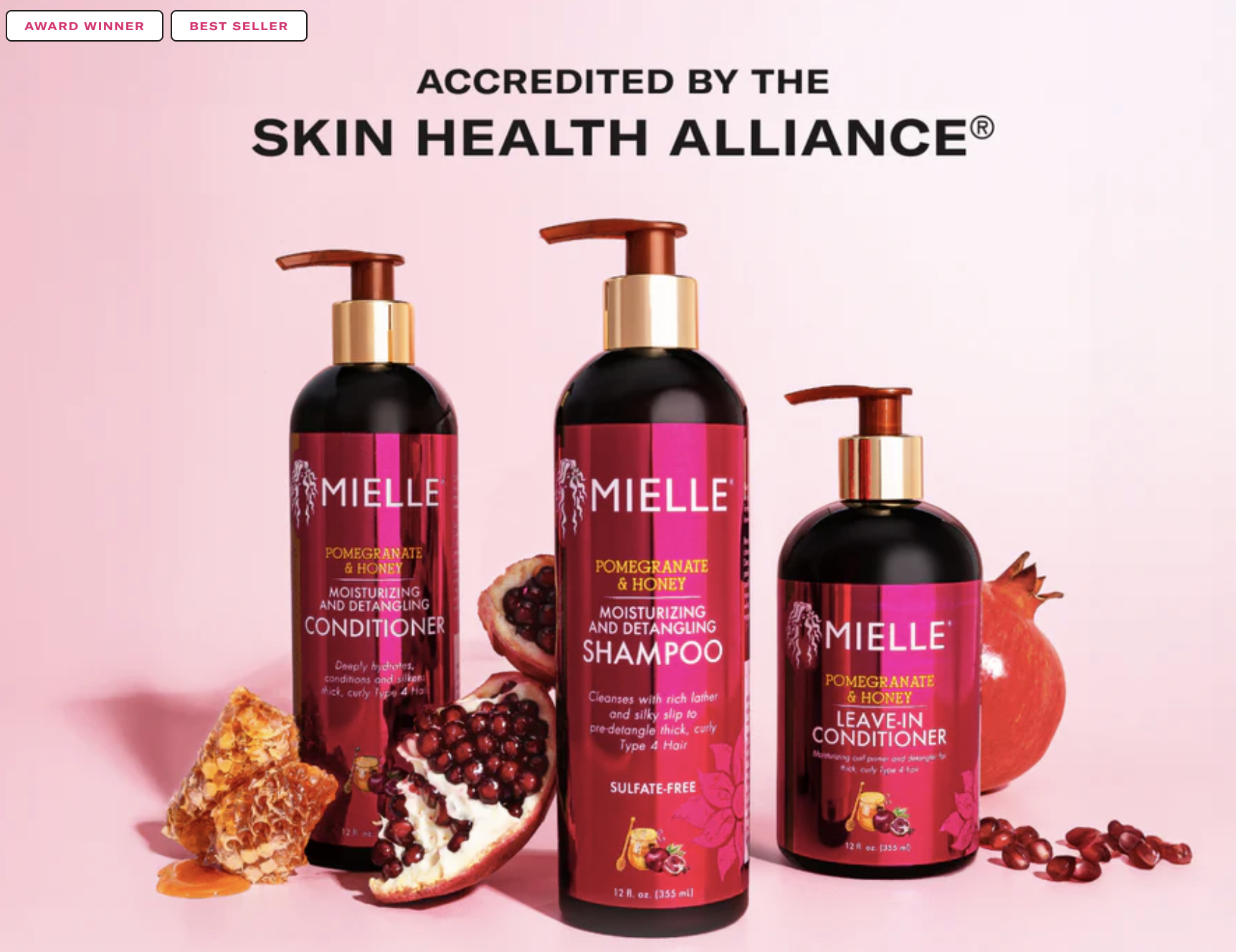
4. Mielle Pomegranate & Honey Twisting Soufflé
Coarse hair needs products with high viscosity (thickness) to control the curl pattern. A watery gel will simply slide off or be absorbed without effect. This soufflé has a viscoelastic nature, it is thick but stretches. It coats the thick strands and forces them into a smooth coil pattern using the natural tackiness of the honey and sugar derivatives. It tames the "frizz halo" often seen with coarse hair by gluing stray cuticles down with a sugar-based matrix. It provides the hold of a gel with the moisture of a cream, which is the "unicorn" product for coarse textures.
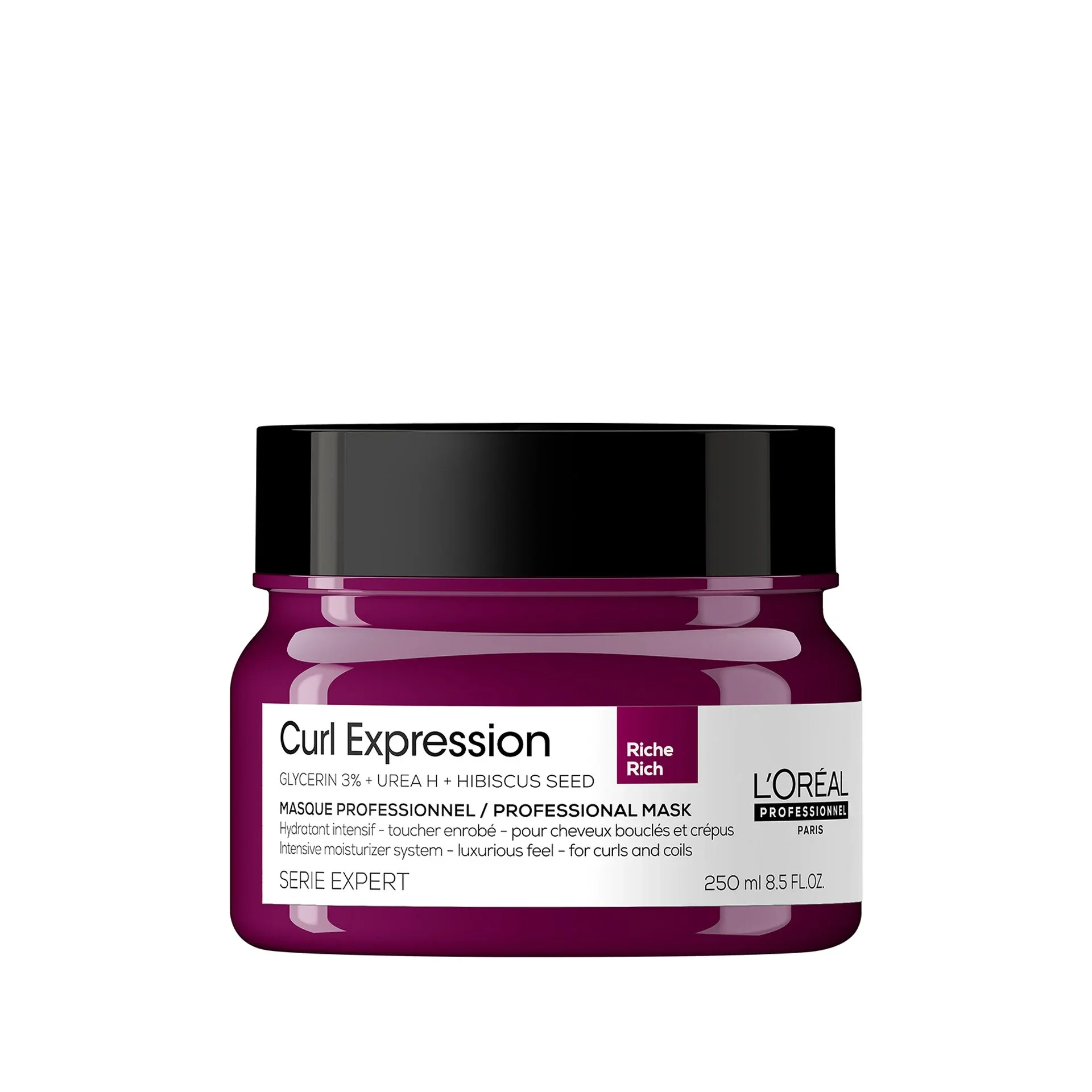
5. L'Oréal Professionnel Curl Expression Mask (Rich)
This professional line highlights Urea H (Hydroxyethyl Urea) and Hibiscus Seed. Urea is a powerful humectant and, at specific concentrations, a keratolytic. This means it helps to soften keratin. In skincare, it softens calluses; in haircare, it softens the rigid protein structure of coarse hair. It helps break down the hydrogen bonds slightly to make the hair softer and less rigid, allowing it to retain hydration. Urea H actually changes the hydration dynamics of the keratin protein itself, making the wire-like texture feel like silk. It represents the "skinification" of hair softening.
7. Short-to-long hair: scalp health, anti-breakage, and follicle stimulation
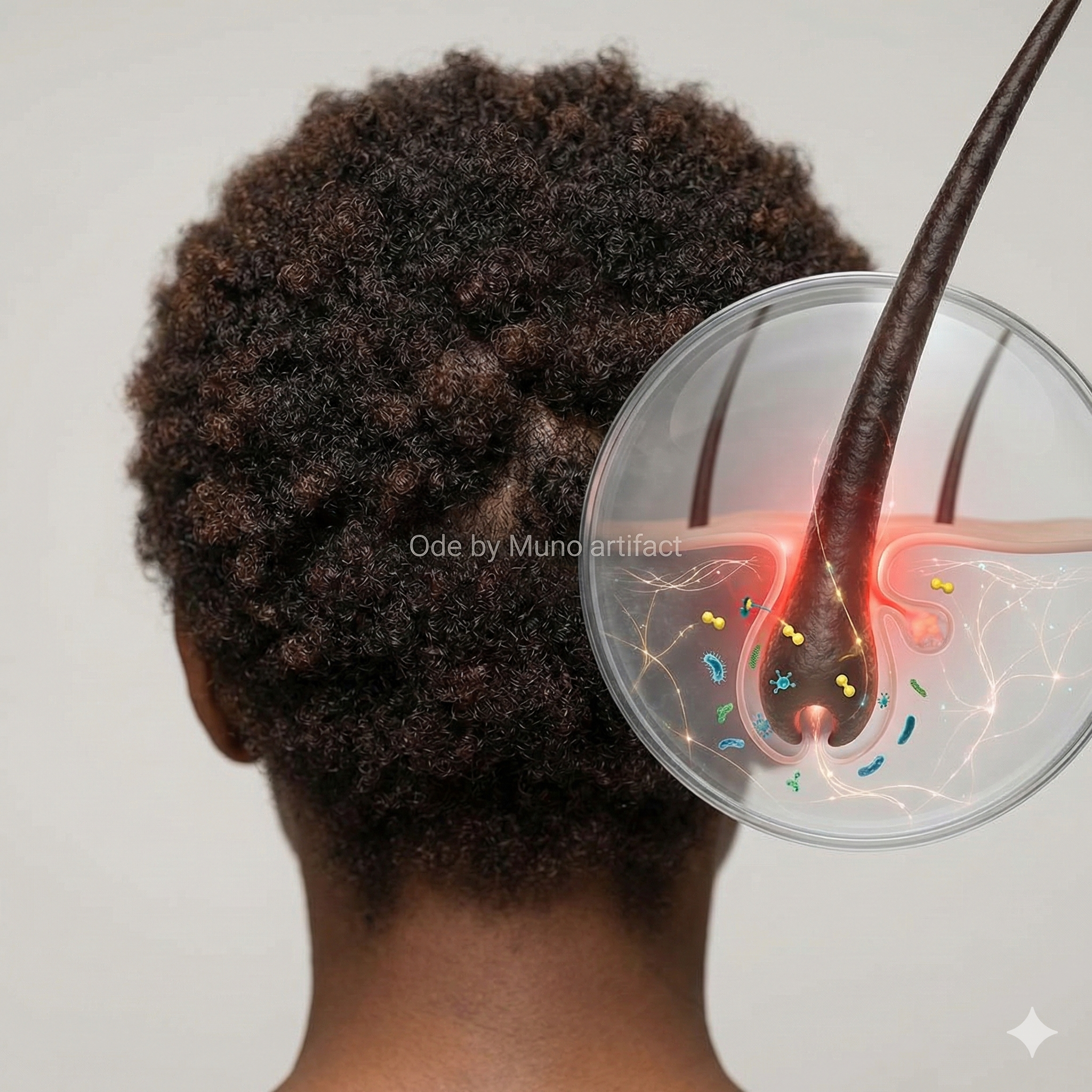
Growing short hair requires keeping the follicle in the Anagen (growth) phase for as long as possible and ensuring the scalp environment is free of inflammation, which triggers shedding (Telogen phase) and miniaturization. The scientific "value" of products in this category is blood flow stimulation (vasodilation), microbiome balance, DHT inhibition, and cellular signaling.
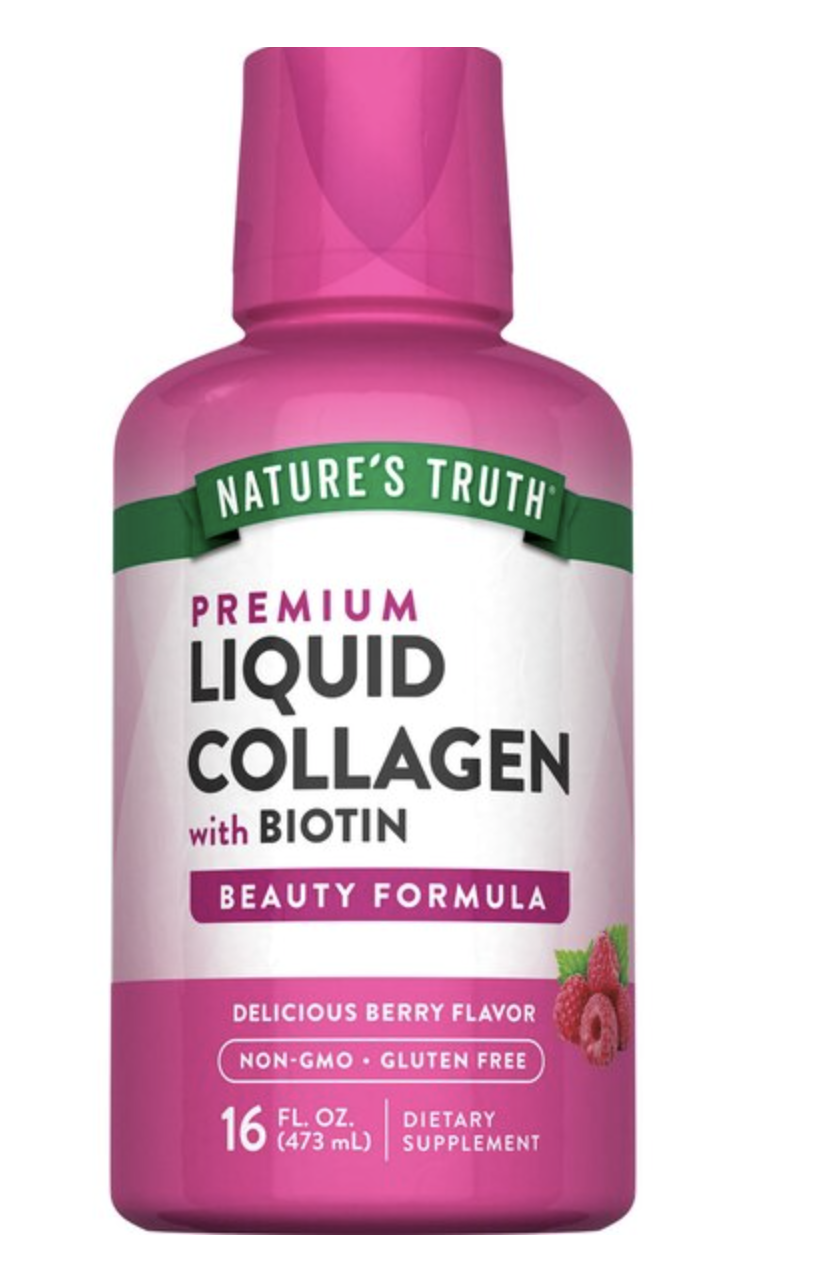
1. Nature's Truth Beauty Formula Liquid Collagen with Amino Acid Protein + Biotin
For hair growth, progress depends less on styling and more on whether the body has the raw materials to build strong strands from the start. Liquid collagen provides Type I and III collagen peptides, which break down into amino acids the body uses to support the connective tissue around hair follicles and the scalp. Paired with biotin, which plays a role in keratin production, this formula supports healthier hair formation at the growth stage. While collagen doesn’t turn directly into hair, it strengthens the biological environment that hair grows from, helping short hair emerge stronger, more resilient, and less prone to early shedding as it grows out.
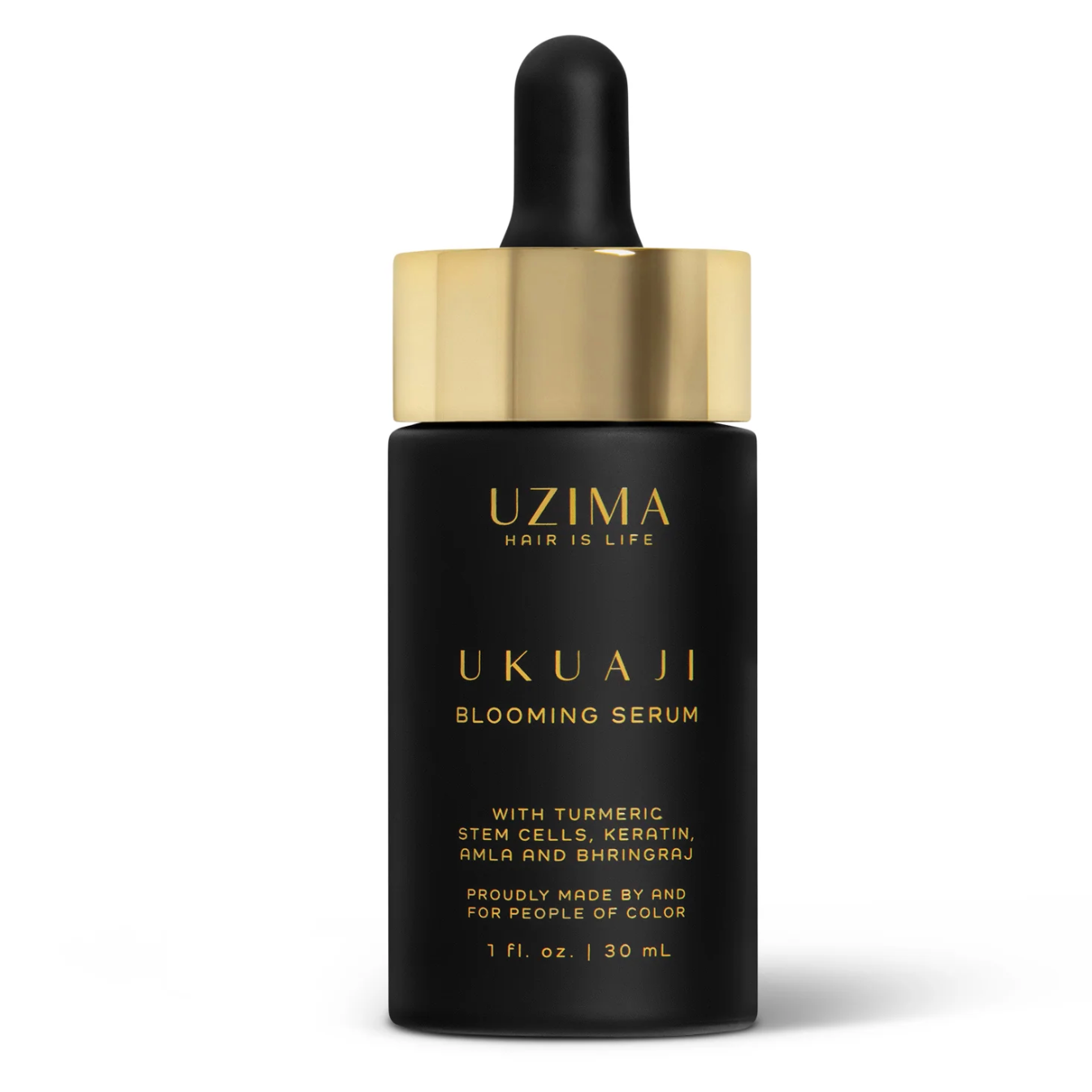
2. Uzima Ukuaji Blooming Serum
A high-tech serum using Turmeric Stem Cells, Bio-Identical Keratin, Amla, and Bhringraj. This is cutting-edge biotechnology. Plant stem cells (Turmeric) are used to signal the hair follicle's dermal papilla to remain active and productive. The "Bio-Identical" keratin means the protein structure matches human hair, allowing it to patch weak spots in the emerging hair shaft immediately as it exits the scalp. By extending the anagen phase via phytochemical signaling, it allows short hair to grow for a longer duration before shedding, increasing the maximum terminal length. Bhringraj, often called the "king of hair" in the traditional Indian practice of Ayurveda, is widely used to promote hair health, strengthen follicles, and address issues like hair loss and dandruff. Same with Amla.
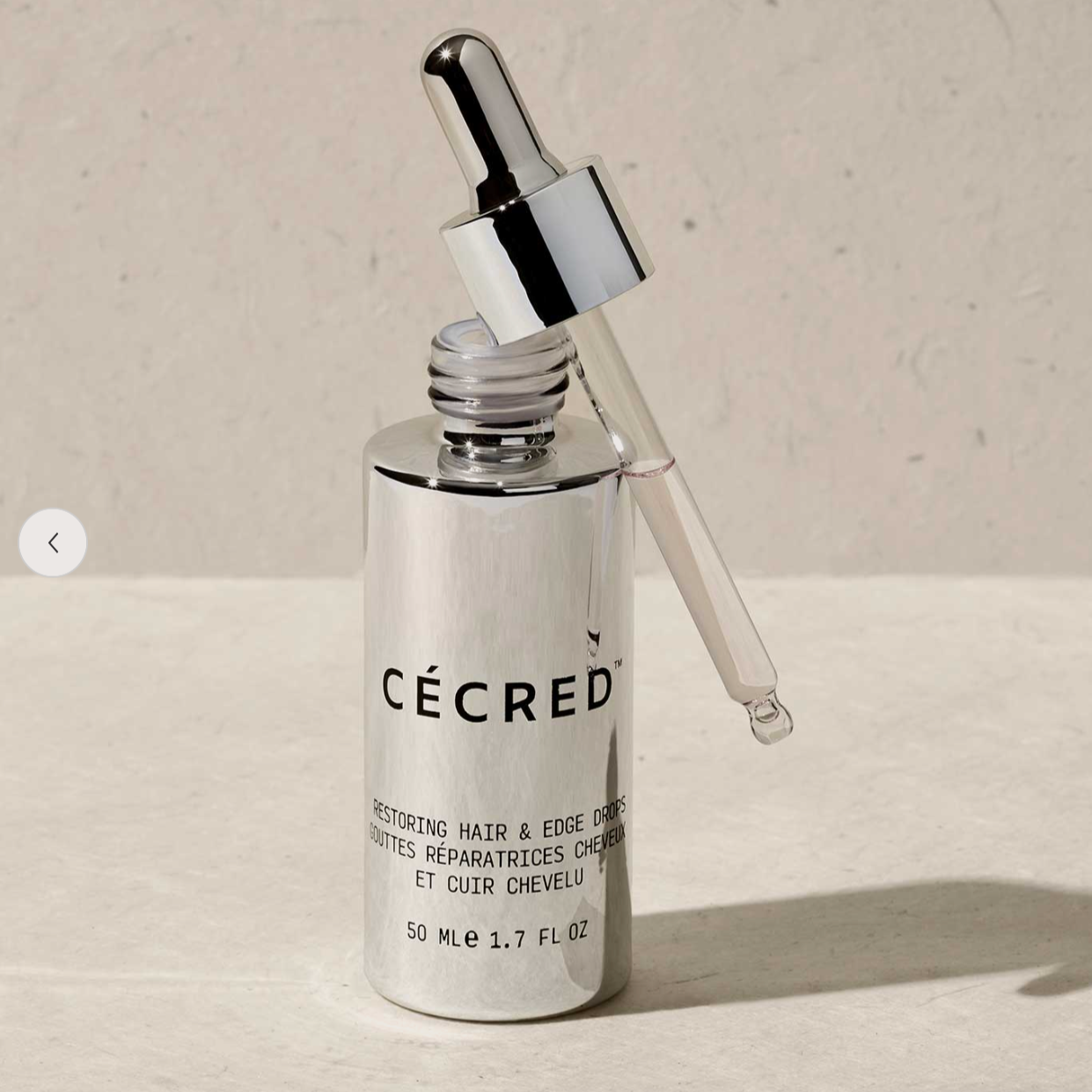
3. Cécred Restoring Hair & Edge Drops
For short hair, growth is less about speed and more about follicle output and anchoring, how well each strand is held in place as it grows. This serum works upstream, at the scalp, using signal peptides (Biopeptide-5) that support the hair’s anchoring structures, helping strands stay in the growth phase longer instead of shedding early. The bioactive keratin and fermented rice reinforce the hair fiber right at emergence, while biotin and botanicals support a calmer, healthier scalp environment. For short hair, that combination matters: improving density at the root makes growth visible sooner, before length alone can do the work.
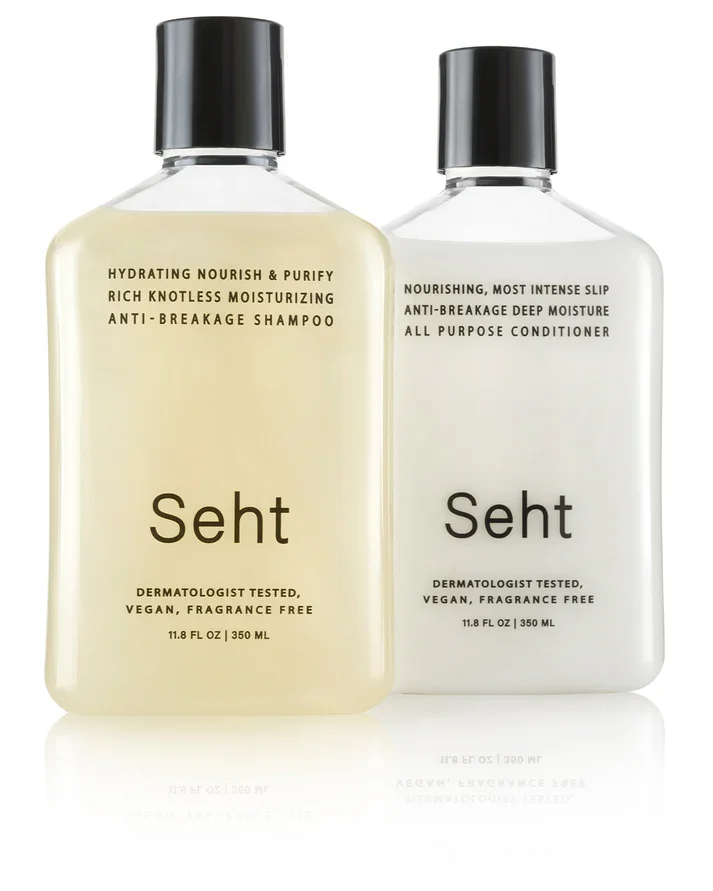
4. Seht Haircare Complete Wash Day Set
Hair growth is often limited not by how fast hair grows, but by how much breakage happens during wash day. This system is important because it targets the most fragile moment in the routine: cleansing and detangling. The shampoo uses gentle, low-irritation surfactants to remove buildup without stripping the cuticle, while humectants like glycerin and panthenol keep hair flexible instead of brittle. The conditioner layers in fatty alcohols, lightweight oils, and cationic conditioning agents that reduce friction and increase slip, so strands can be detangled with less mechanical stress. By lowering breakage and preserving elasticity, the system helps more of the hair you grow actually stay on your head long enough to show length.
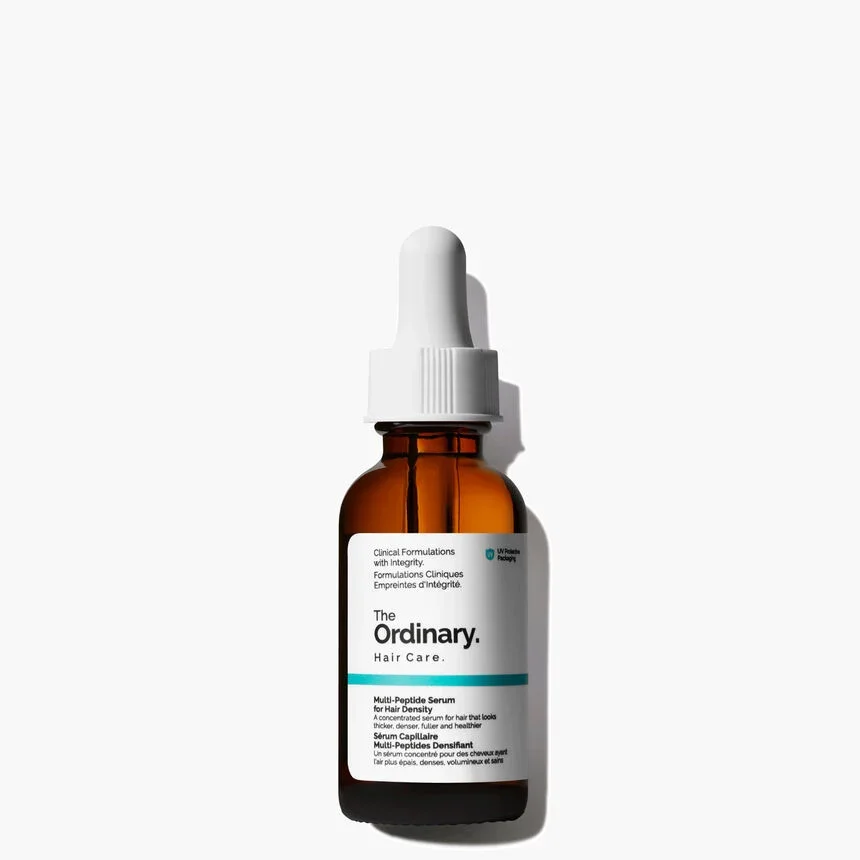
5. The Ordinary Multi-Peptide Serum for Hair Density
A cocktail of trademarked peptide complexes: Redensyl™, Procapil™, and Capixyl™. These peptides mimic the body's natural growth factors. Redensyl targets stem cells in the hair follicle outer root sheath, encouraging division. Capixyl reduces inflammation and modulates DHT. Procapil improves blood flow. It is lightweight, non-greasy, and applies easily to short hair without making it look oily.
The future of textured hair care
The future lies in:
Bio-Fermentation: As seen with Cécred and Chéribé, utilizing ancient ingredients (rice water, Chebe) but processing them via modern fermentation to drastically lower molecular weight and increase efficacy.
Peptide Signaling: As seen with K18 and The Ordinary, utilizing amino acid sequences to "tell" the hair to repair itself or "tell" the follicle to grow.
Skin-Centric Formulations: Treating the scalp microbiome (Uzima) as the primary source of hair health, using skincare-grade actives.
For the consumer, this means the regimen is becoming more sophisticated, often more expensive, but significantly more effective. The focus has shifted from merely "taming" hair to "optimizing" its biological structure and health.
Thank you for thinking with me. This piece is part of Ode by Muno, where I explore the invisible systems shaping how we sense, think, and create.
The quote at the intro is from the book, Systems Intelligence.