

Sound, taste, time, or space: which comes first in a listening room?
I’ve spent some $$$ on craft cocktails in dimly lit rooms filled with vintage speakers and rare records, yet I’m far from a "vinyl head." In these listening bars, there is a feeling that you need to be an expert just to exist in the space. We usually think of these lounges as being only about the sound, but what if the music is actually secondary to the overall system? This is an exploration of how sound, taste, time, and space work together to shape our mood.
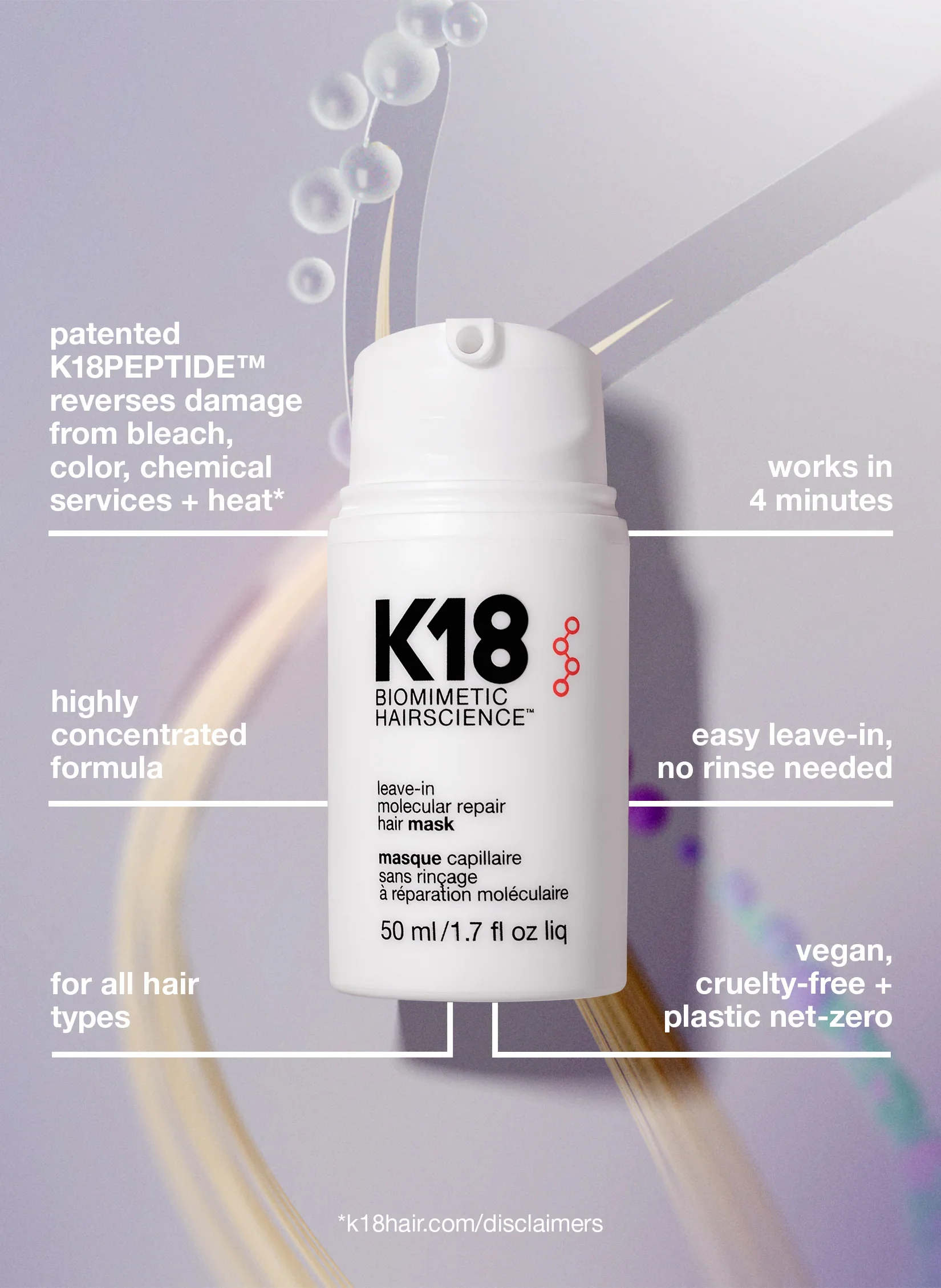
The science behind “skinified” Black hair care
“Wait… this actually works.” Cécred. K18. I know you've watched those kind of videos. And I don’t think that reaction is random. For years, Black hair care leaned on oils and promises. “Skinification” changes that. It means treating the scalp like skin using proven actives, understanding biology, and repairing hair at a molecular level. When products are built this way, results should be guaranteed. This shift toward science-driven formulas truly excites me. Let's talk about all the innovation.
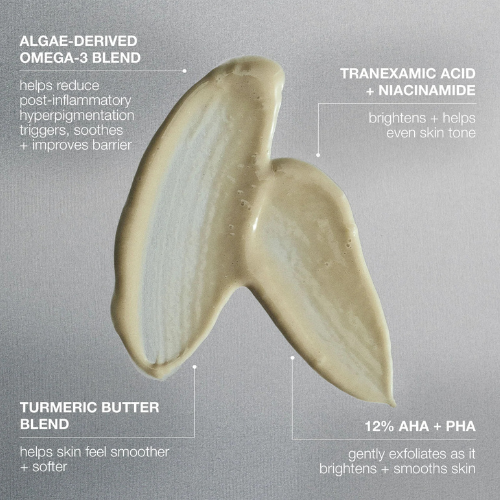
The economics of skincare
A couple years ago, my skin was going through it; severe acne, hyperpigmentation. I spent months following estheticians online, doing facials, learning what to use for what, trying to decode my own skin. I spent a lot on Dermalogica & some other derm-based $$$ products. My skin cleared. When my routine became maintenance, not prescriptive, I discovered K-beauty. Great ingredients, simple formulations, feels good touch and put on the skin. Quality and cost found equilibrium. (Image from Dermalogica)
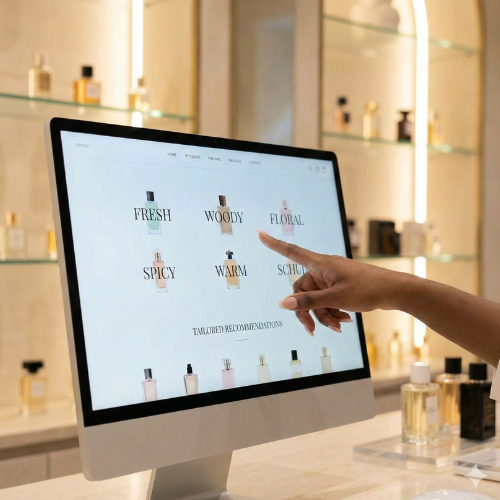
Scent is the next digital frontier
The global perfume market is undergoing a technological revolution. IBM's Philyra has analyzed over two million fragrance formulas. Tom Ford’s 2025 Fragrance of the Year was AI-assisted. From Google → Osmo's neural networks mapping molecular structure to scent, to EEG headsets predicting fragrance preferences, to deep learning models optimizing how perfumes evolve through space and time. This piece explores how advanced technologies are reshaping perfumery while preserving its artistry.
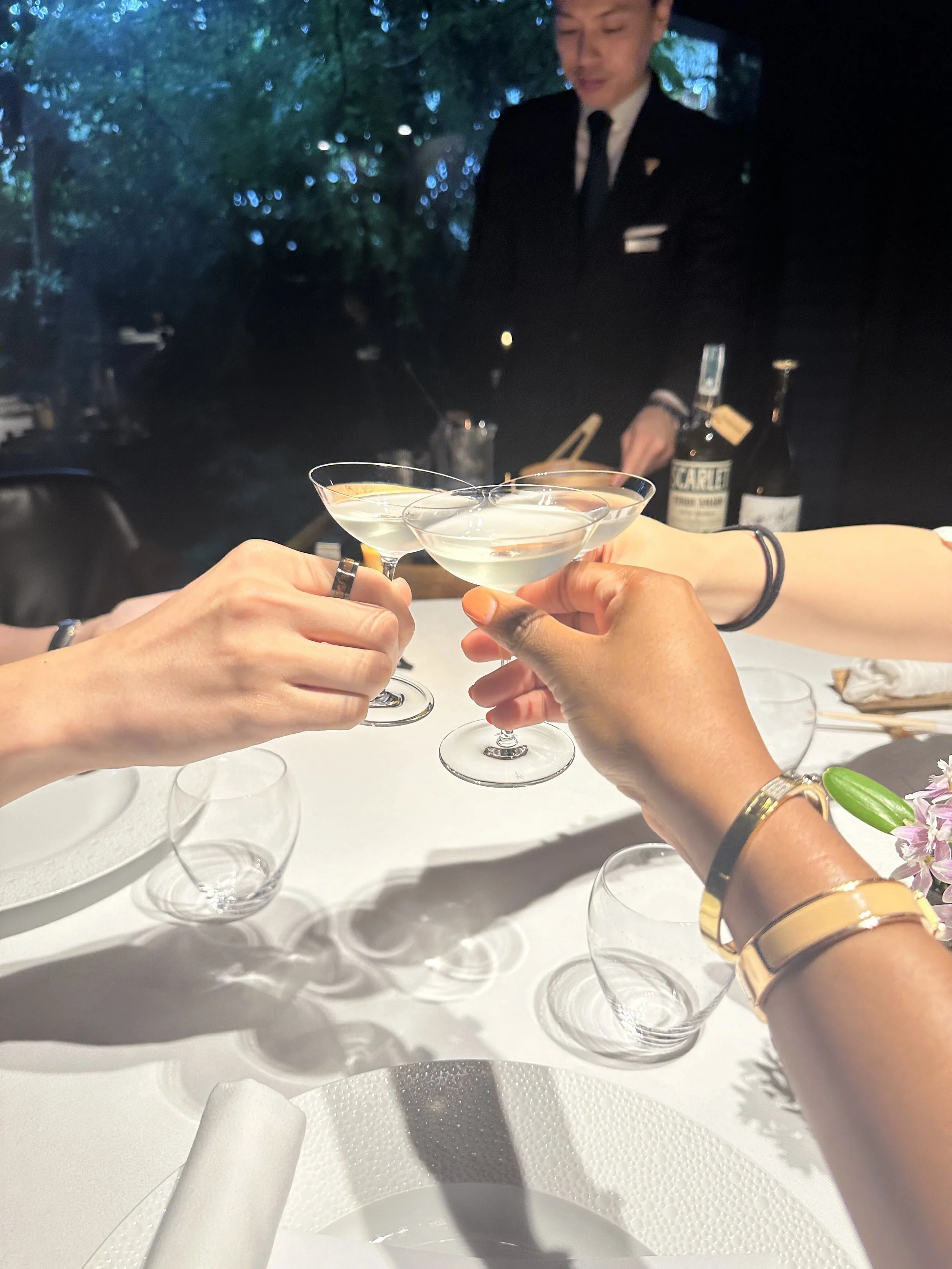
Dining in 2026 | experience economy 2.0
Dining in 2026 is all about the experience. I gathered data from top industry reports (OpenTable, EHL, AF&CO. + Carbonate, dsm-firmenich, and more) to break down what's actually happening. Experiential dining is up 46%. People are paying for the story, the interaction, the memory. Flights of everything, one-hit-wonder restaurants, prix-fixe menus; people want to sample & explore. And discovery is shifting: Reddit is now the #2 site by search traffic, & 44% of people plan to use AI for restaurant discovery. Here's everything you need to know about where dining is headed next year.

Travel in 2026 | experience economy 2.0
People are choosing trips based on how they want to feel, and that’s really what the experience economy 2.0 looks like. In this guide, I pulled insights from the biggest travel and hospitality reports for 2026 and broke down everything from high-energy trips like Rio Carnival, World Cup, and Detty December in Lagos to emerging spots like the Red Sea, Phu Quoc, and the Faroe Islands. You’ll find ideas for solo travel, beaches and wellness, food-focused trips, rare events like the 2026 solar eclipse, and more. If you’re planning travel next year, start here.
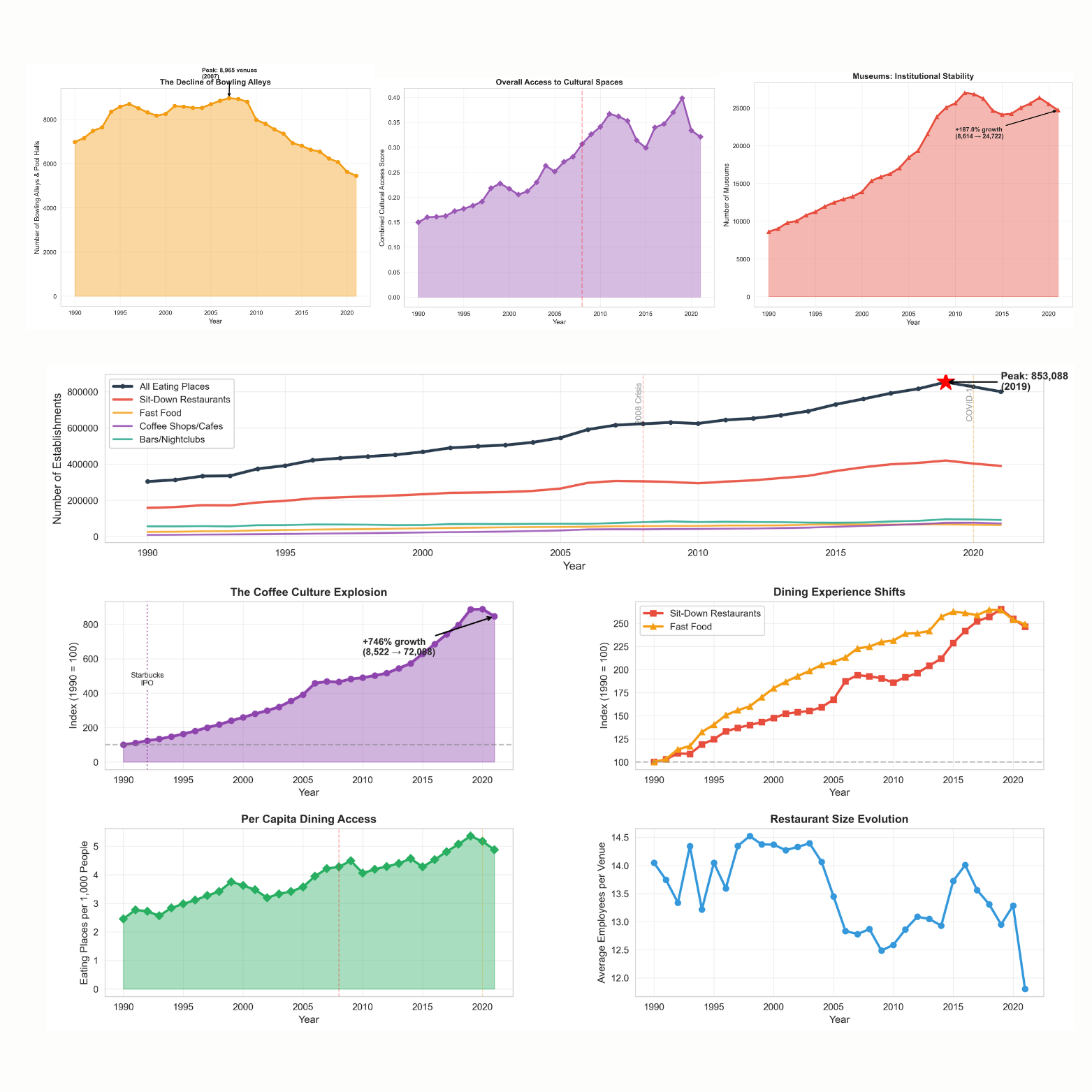
Third places are disappearing — here’s the data
My last post shared my personal experience with disappearing third places. This one looks at the data. Using the National Neighborhood Data Archive (NaNDA), I analyzed three decades of establishment trends across U.S. neighborhoods where people could eat, shop, exercise, and gather from 1990 to 2021. The dataset shows which spaces grew, which collapsed, and where access declined. It also reveals a clear pattern: America’s social infrastructure shifted, segmented, and became more paywalled.
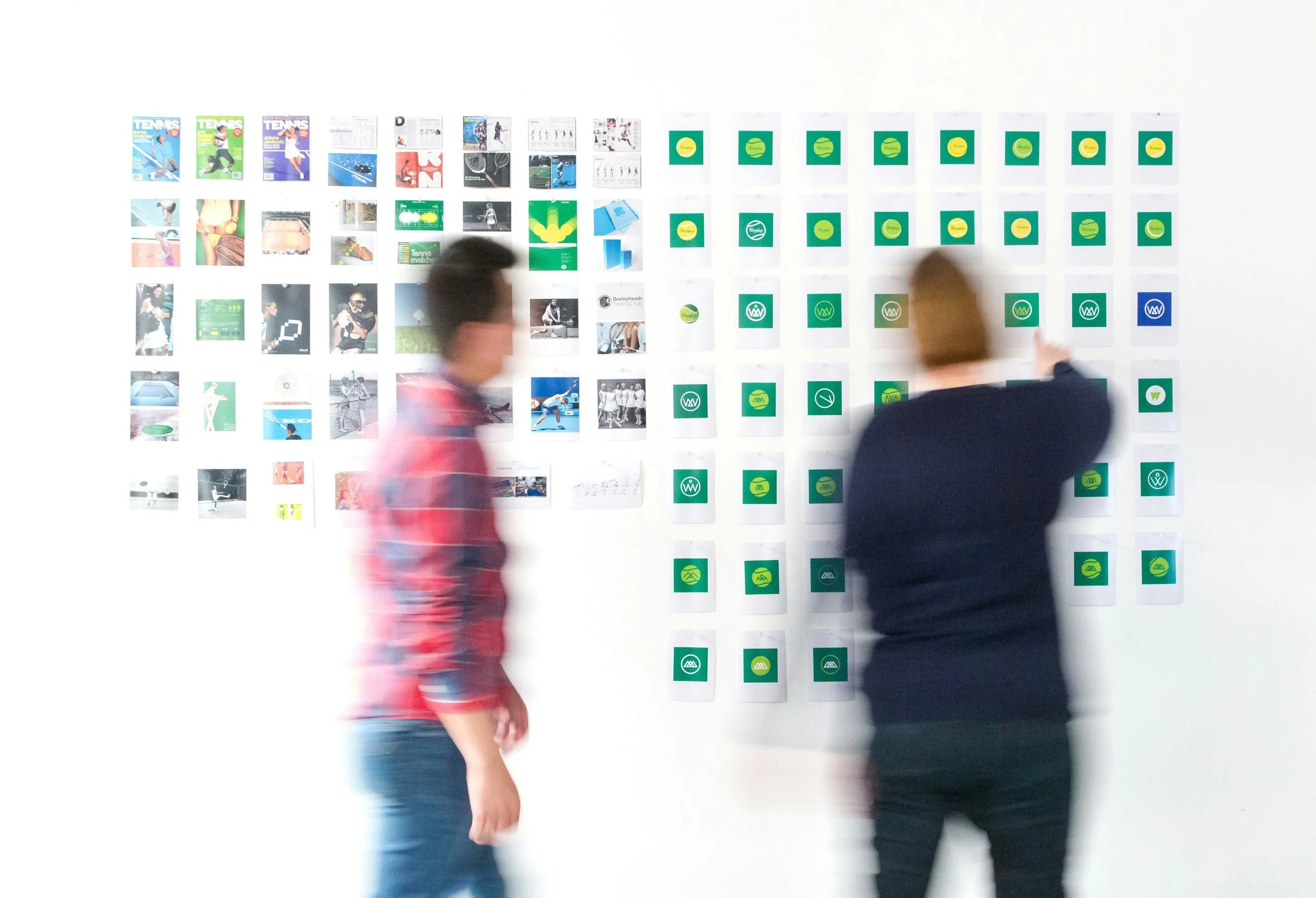
How AI names encode design philosophy: a timeline
From AlphaZero's blank slate to Superhuman's rebrand from Grammarly, 20 systems across 8 years reveal how AI naming evolved from functional to philosophical. Transformer announced a paradigm shift in 2017. ELMo and BERT made NLP approachable through Sesame Street characters. Agents/copilots are creating a new system. The metaphors are changing our relationship with technology.