A look at CES 2026
What is CES?
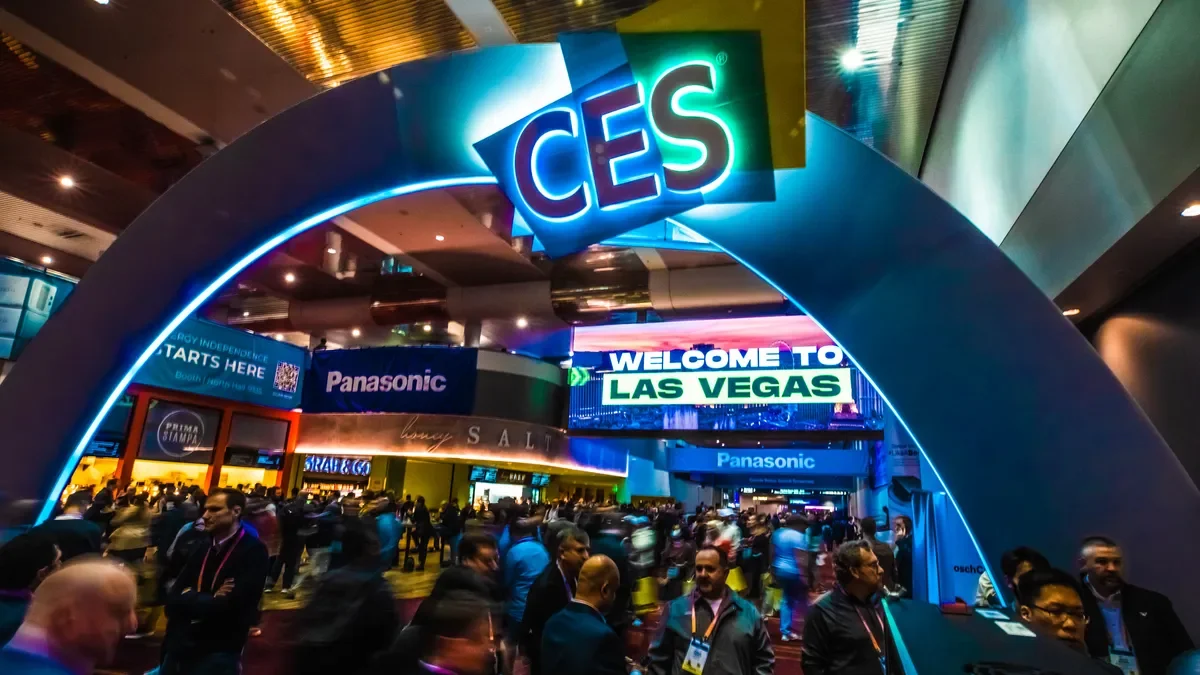
CES stands for the Consumer Electronics Show. It's an annual trade show held every January in Las Vegas, owned and produced by the Consumer Technology Association (CTA).
CES is where tech companies (from massive corporations like Samsung and L’Oréal to academic institutions to tiny startups) showcase their latest products, prototypes, and innovations. It's not open to the general public. Attendees are industry professionals: decision-makers, buyers, journalists, investors, and analysts who shape what tech actually makes it to market. The scale is 148,000+ attendees (from 2026), 4,100+ exhibitors, and 6,900+ media and content creators.
Why CES matters
CES is where you see what technology companies think we'll want in the next 1-3 years. Not everything shown actually ships. Some products are concepts, some are prototypes, some never make it past the trade show floor. But the trends that emerge at CES, what categories get attention, what problems companies are trying to solve, what tech is ready to scale, often shape the consumer electronics landscape for the year ahead.
It's essentially a snapshot of where the industry is placing its bets. And in 2026, those bets were heavily on AI integration, personalized health and beauty tech, and systems that coordinate across multiple senses and data streams.
I scrolled through 400+ products and organized them across eight perceptual systems: sight, sound, touch, taste, scent, space, time, and system. What stood out was a pattern: these devices aren't just responding to how we live, they're learning how we sense. That shift feels worth noticing.
The lens: product index by sense
I started grouping things this way because normal categories hide what's actually happening.
When you sort by "TVs" or "wearables" or "smart home," everything looks like a neutral tool. But when you organize by how something reaches you (sight, sound, touch, taste, scent, space, time, and system), you start noticing the design decisions that shape behavior.
Like how much of CES is still about sight (screens, cameras, displays) because vision is the easiest sense to build for. Or how few products touch smell and taste, because those are harder to digitize and way more personal. Or how "system" is quietly becoming the biggest category, because once you're sensing everything, something has to decide what to do with it all.
It also shows you where tech is heading. More intimate. Closer to the body. Showing up in daily activity like grooming, sleeping, eating, not just tasks. That's a shift worth paying attention to.
If you're curious about how technology shapes experience, not just what it does, but how it wants you to feel, organizing by sense makes that visible. It turns a product list into a map of influence.
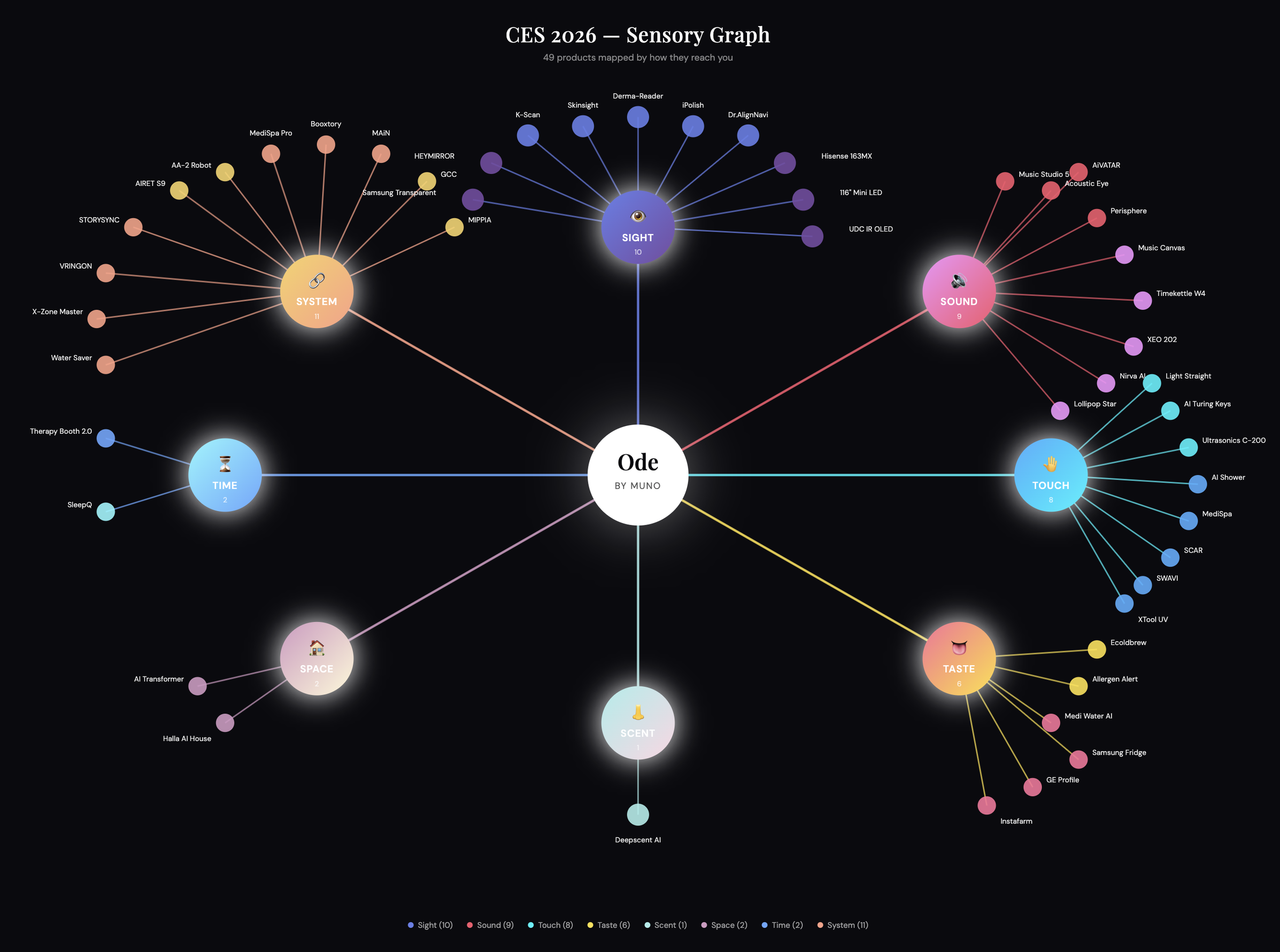
Interactive graph link: https://www.odebymuno.com/artifacts/ces-2026-sensory-graph
1. Sight
Sight is shifting from display to interpretation. It’s no longer just about showing sharper images or bigger screens. Vision tech is increasingly about reading the body, guiding decisions, and shaping behavior. What matters now isn’t how much we can see, but how seeing is used: to diagnose, to recommend, to monitor, and sometimes to step back entirely.
Here’s what I found:
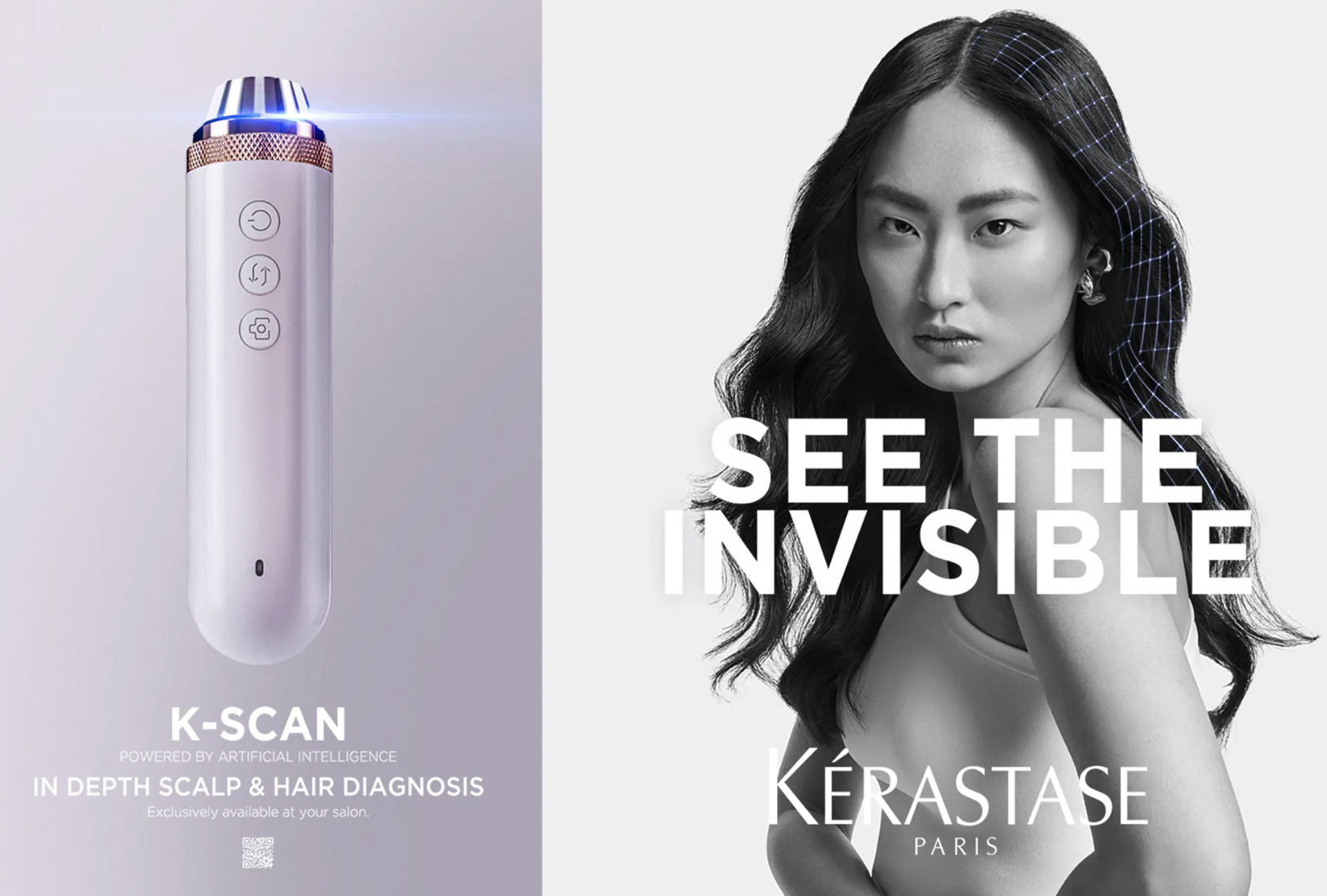
K-Scan — AI hair and scalp smart camera by Kérastase. A microscopic camera for hairdressers to analyze your scalp and hair health. It uses a 3 light technology made of UV, Cross-polarized & White Light which scans for sebum, impurities, volume risk, sensitivity, dandruff; I like this one because it gives stylists real information to work with, not just guessing why your hair feels dry. It is available exclusively at Kérastase salons. Read more
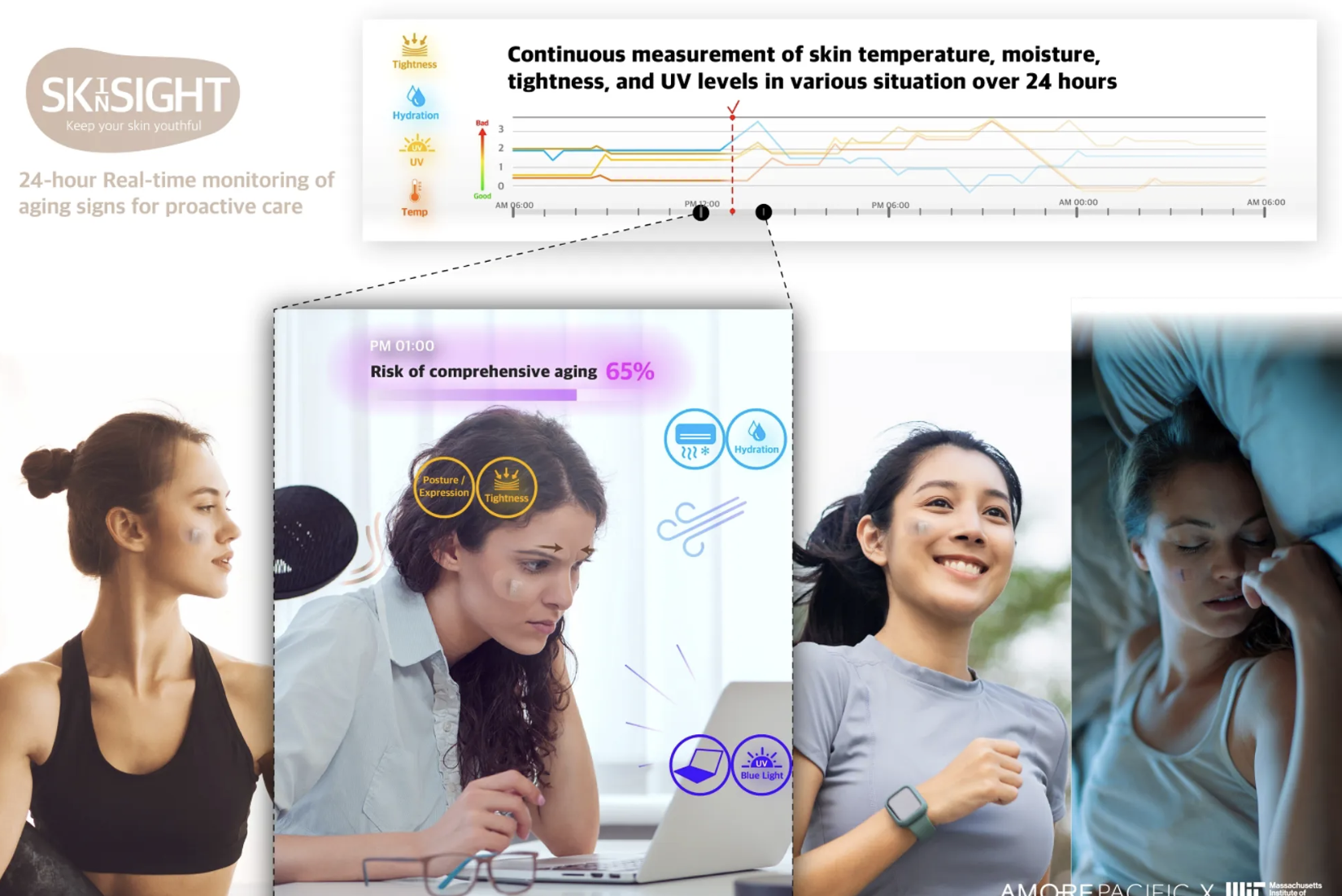
Skinsight — Electronic skin for aging analytics. From a collaboration between beauty brand Amorepacific and MIT researchers, this is an electronic skin platform that reads how your skin is aging at a data level. It uses a sensor patch applied to the skin to track signals influenced by lifestyle and environment. Not just "you look tired." For people tracking health over time, this could be genuinely useful. Read more
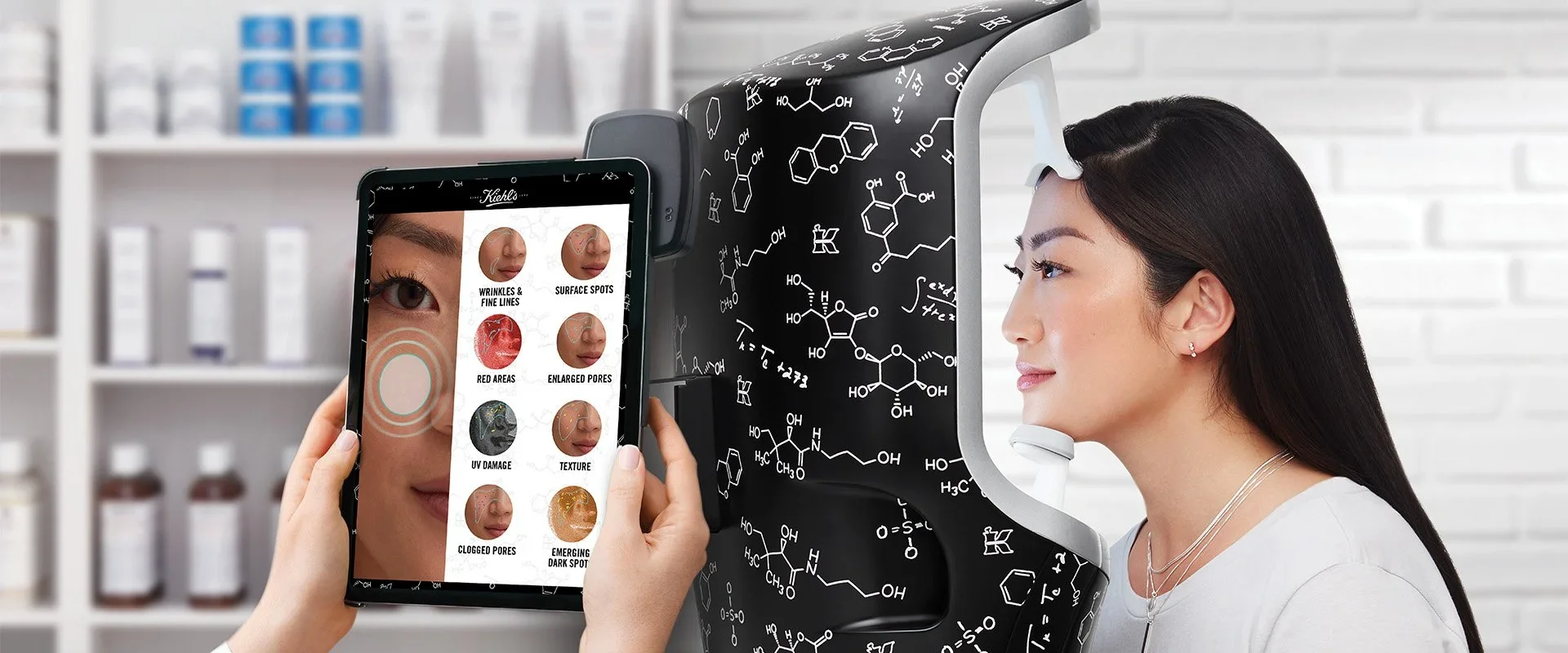
Kiehl’s Derma-Reader — AI dermatologist for retail. Trained on 20+ years of clinical research and 16,000+ medical images, this delivers skin diagnostics (wrinkles and fine lines, dark spots, texture, firmness, visible pores, visible redness, eye puffiness, dark circles, crow's feet, UV damage, clogged pores) in under five minutes. That's dermatologist-level analysis at a mall kiosk. Part of the Kiehl’s Healthy Skin Consultation, the complimentary in-store service, led by a Kiehl’s Skin Pro. I'm curious how accurate it really is, but the accessibility angle is compelling. Not everyone can get a dermatology appointment. Read more
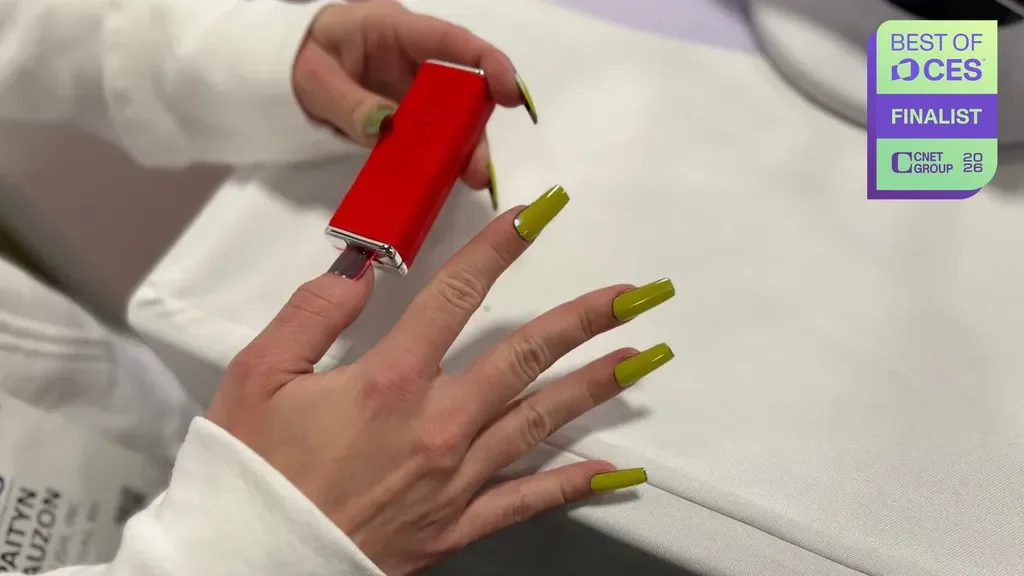
iPolish — Digital color-changing nails. Press-on nails that change color through an app with over 400 shades, swappable in seconds. It sounds like a novelty until you think about it: your appearance is becoming an interface. Something you can update without commitment. That's a quiet shift in how we think about self-presentation. It was a finalist for the Best of CES award for weird tech. Read more
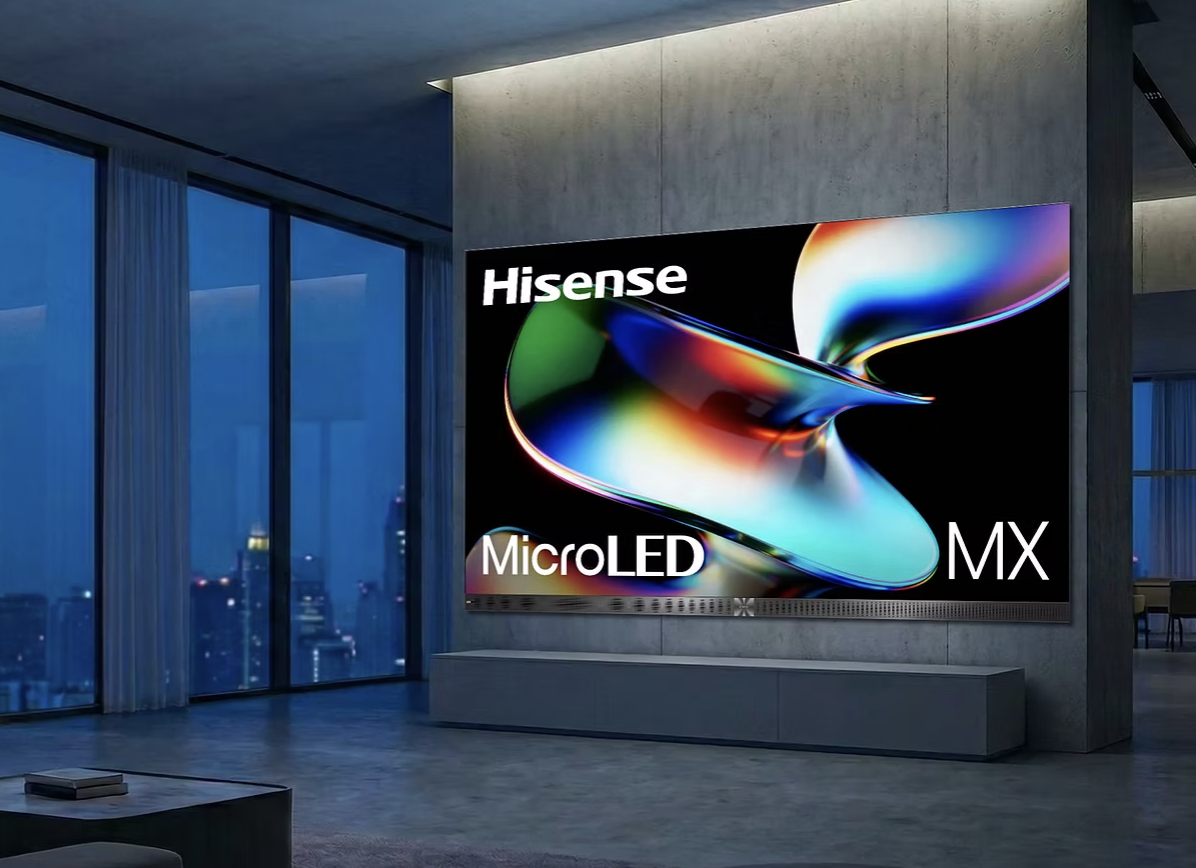
Hisense 163MX — Industry’s First RGBY MicroLED. CES 2026 Innovation Award. 163 inches. RGBY pixel architecture: that's red, green, blue, and yellow. Adding a fourth primary color creates shades that RGB alone can't produce. To maintain color fidelity across its massive canvas, the 163MX employs advanced color management techniques that precisely balance luminance and chromatic uniformity. Read more
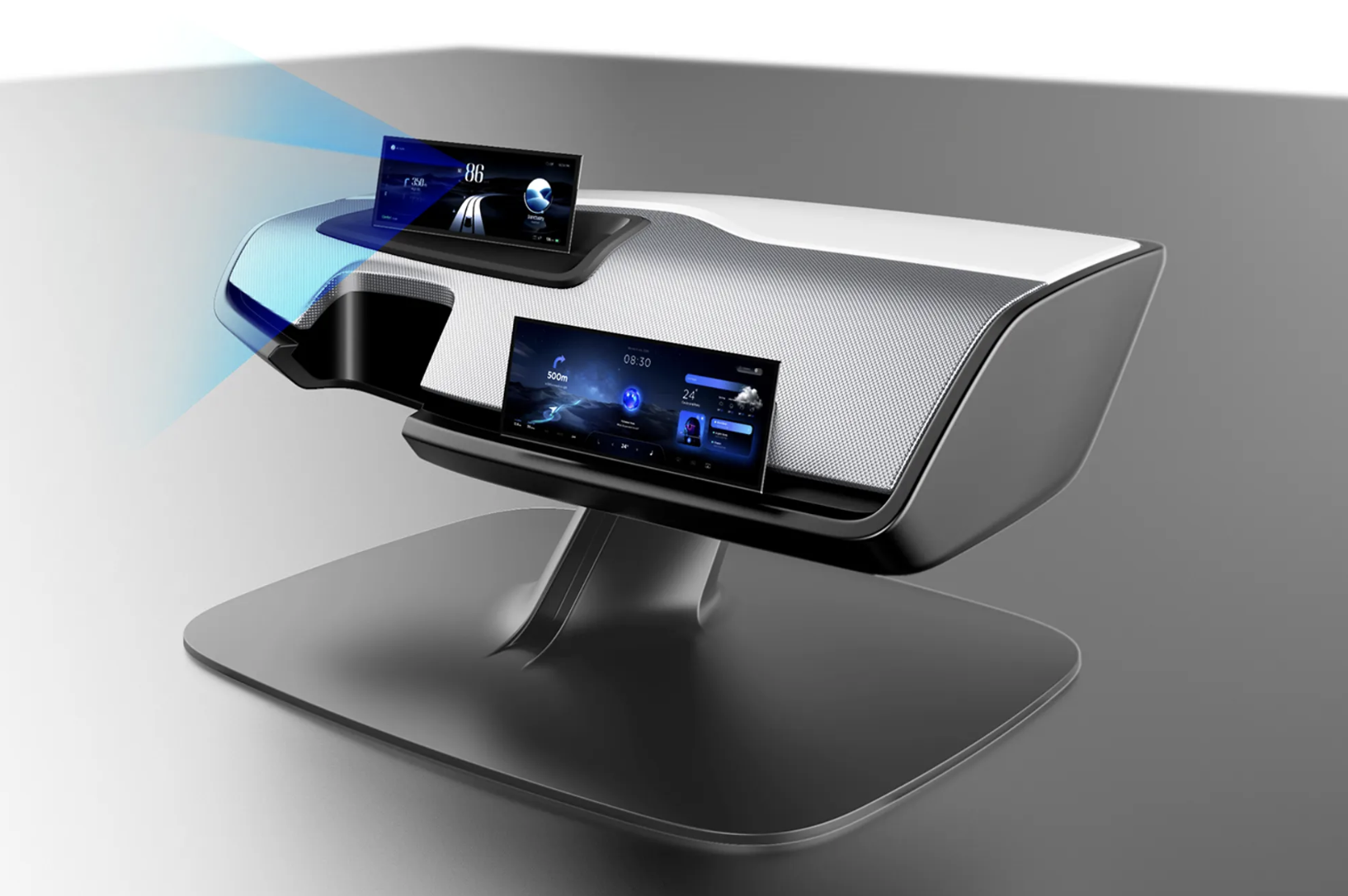
LG 12-inch UDC IR OLED — Driver monitoring. Related to the 2026 driver monitoring law requiring Driver monitoring Systems (DMS) to alert drivers not fully focused. UDC means Under Display Camera. It is described as the world’s first automotive full-screen display capable of concealing an in-screen driver-monitoring camera. Another article mentions that LG Display is the first automotive display maker to obtain cybersecurity certification (“Cybersecurity Assurance Program Certificate for ISO-SAE 21434:2021, Road Vehicles Cybersecurity Engineering”). Feels very 1984-ish. Sight as surveillance, sight as safety. Who’s watching, why, and what happens to that data afterward.
Notable Mentions
Dr.AlignNavi — AI orthodontic treatment planning
Hisense 116-inch RGB Mini LED TV — The world's largest consumer television
HEYMIRROR — AI smart dressing mirror
Samsung Transparent Micro LED. — 83.2 inches. Content that appears to float in midair.
So what should someone take away from this category?
First, vision tech now shapes behavior more than it delivers information.
Second, “seeing” increasingly means being measured, not just informed.
And third, the most powerful visual systems are the ones you barely notice at all.
2. Touch
Touch is shifting from a simple input (press, swipe, turn) into a signal systems actively read and respond to. Products aren’t just reacting to our actions anymore; they’re designed to interact with the body. Pressure, vibration, texture, temperature, even water chemistry are becoming part of the interface. It is the fastest path to trust as it bypasses abstraction and goes straight to the body. That makes it powerful for beauty, wellness, food, and care, but also risky if it feels invasive or overengineered. This category shows how companies are learning to design for respectful intimacy as there is a growing ecosystem of personalized retail experiences.
Here’s what I found:
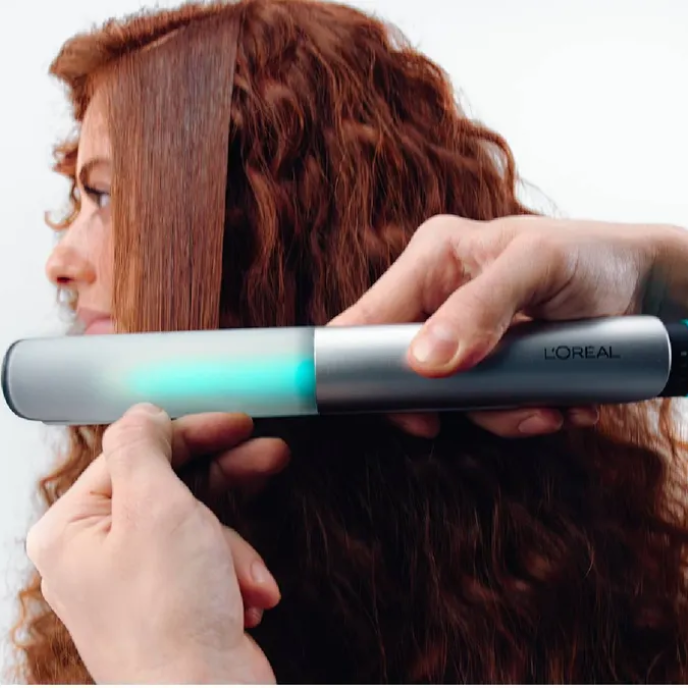
Light Straight — Ultrasonic hair styling by L'Oréal. Traditional irons can reach 400°F, which slowly damages hair over time. This system uses near-infrared light to reshape internal hydrogen bonds while staying well below temperatures that degrade keratin. This one immediately made sense to me. The value isn’t just how your hair looks that day, it’s how it holds up over time. If it really delivers salon-level results with less damage, that’s a meaningful upgrade. R&D will be completed by end of 2027. Read more
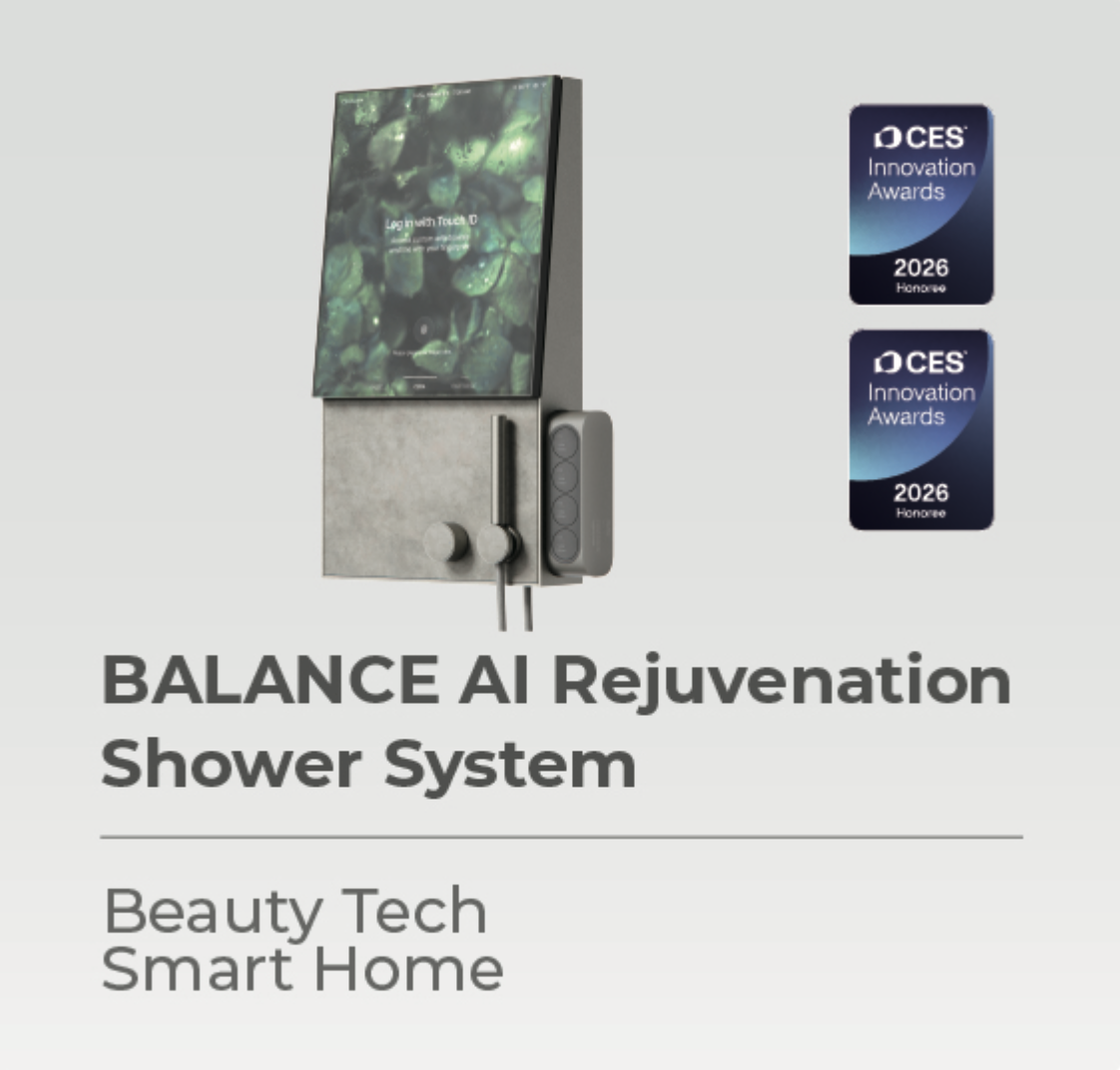
BALANCE AI Rejuvenation Shower System — Camera-Free Touchless Mirror by Ceragem. I’m more on the fence about this. I like the idea of skincare happening passively while you shower, and I really appreciate that they avoided cameras in such a private space. That said, the way it’s explained feels overly complicated for something meant to be calming. There’s potential here if the benefits are obvious and consistent, but if users can’t clearly feel or see the difference, it risks feeling like tech layered onto a ritual that didn’t need it. Read more
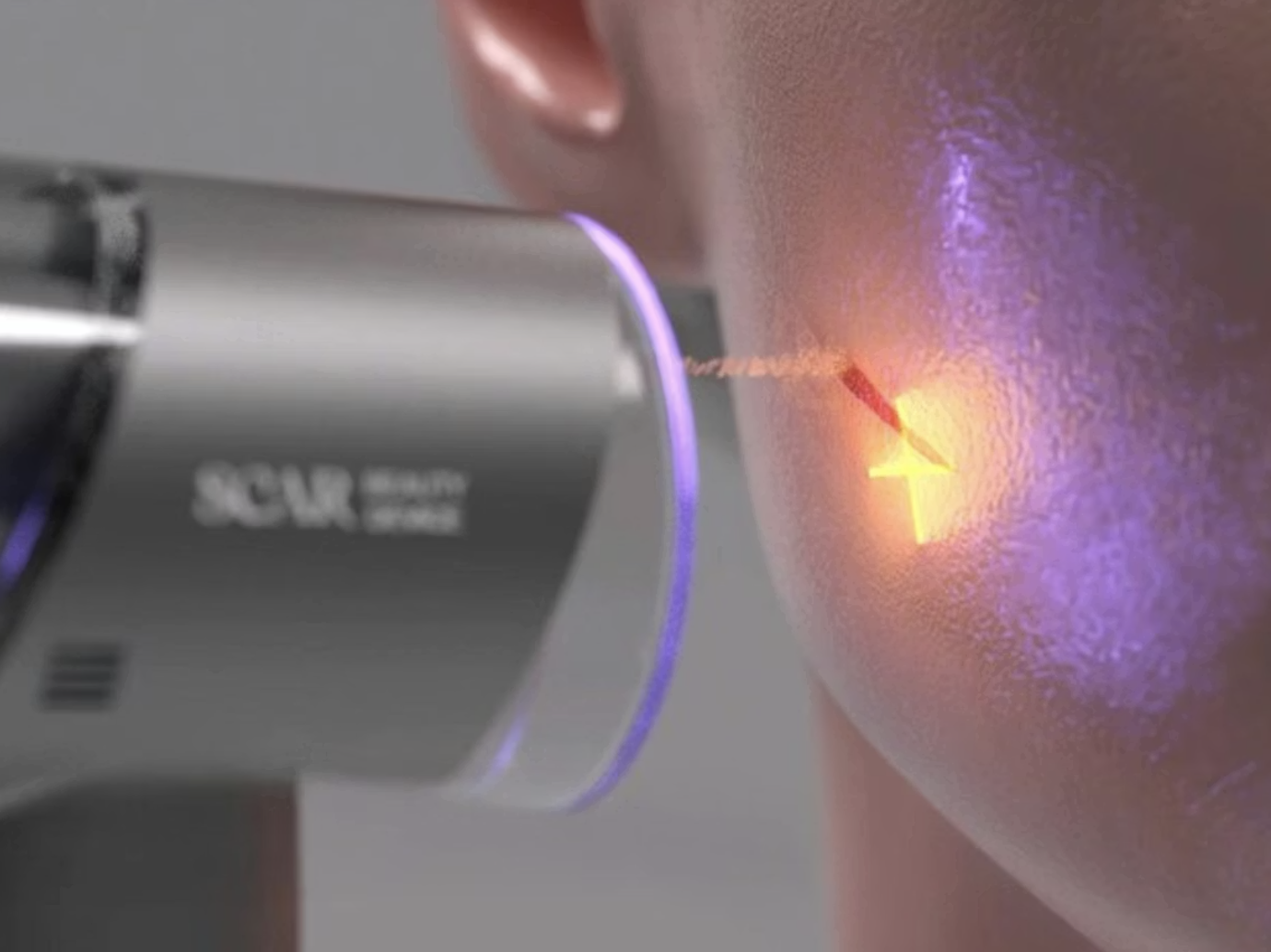
SCAR — AI scar treatment system by Kolmar*. Feels genuinely useful in a different way. Combining diagnosis and treatment into one device makes a lot of sense, especially for something like scar care that usually requires multiple steps and products. I like that it’s trying to bridge professional dermatology and everyday use. The big question is trust: people will want to know how accurate it is and whether it’s actually improving outcomes, not just masking them. Still in R&D phase for 2026. Read more
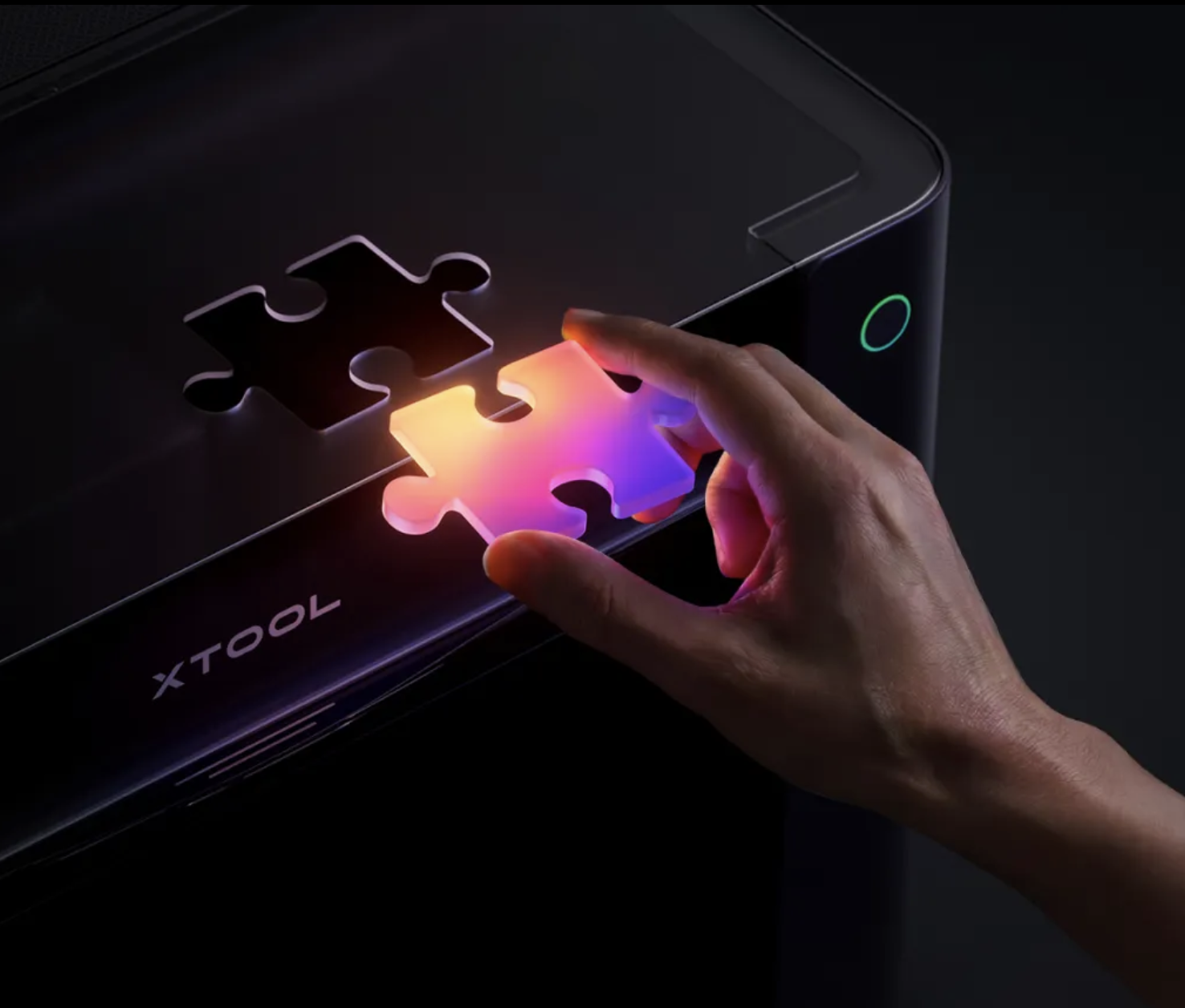
XTool UV printer — UV printing for textured prints. Caught my attention because it treats texture as part of the message. Being able to print raised, tactile surfaces means objects can communicate through feel, not just visuals. That opens up interesting possibilities for small brands, makers, and anyone thinking about physical products as more than just something to look at. The challenge, like with a lot of touch-based tech, is scaling it without losing consistency. Read more
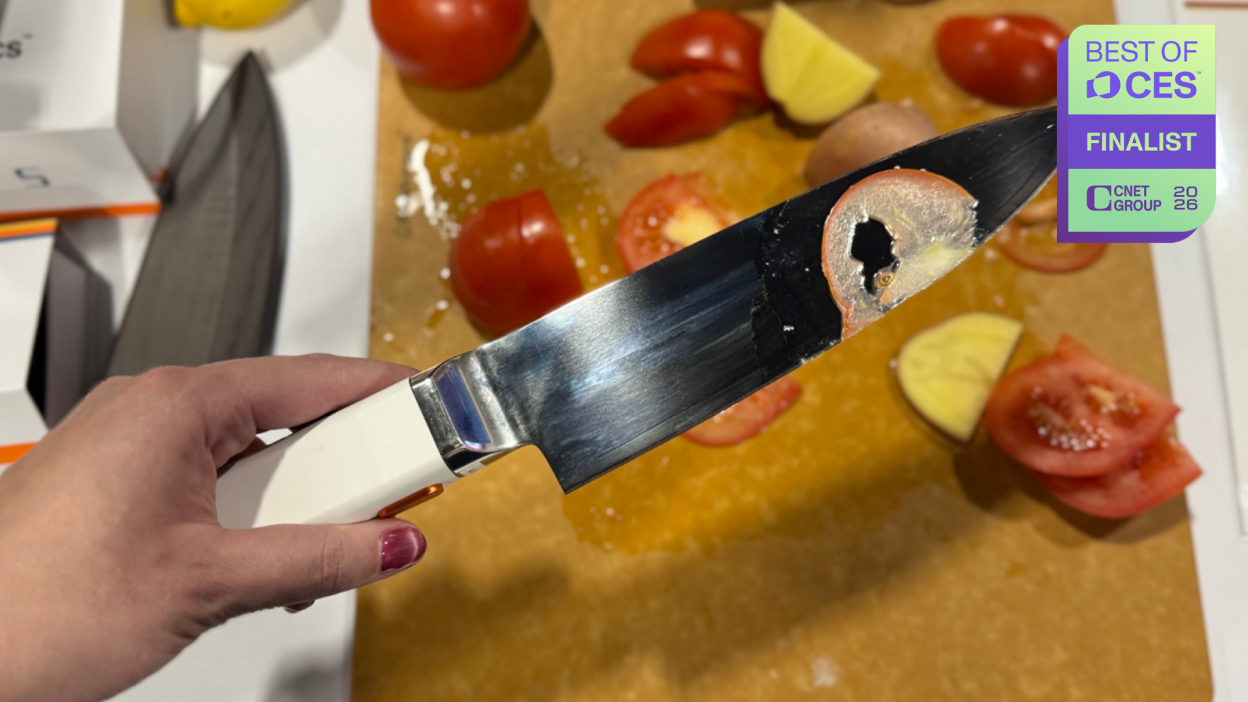
Seattle Ultrasonics C-200 — Ultrasonic chef's knife. This the kind of product that’s hard to explain until you try it & as someone who loves cooking, I would love to try it someday. It doesn’t look futuristic, and it doesn’t turn cooking into a tech experience. It just makes cutting easier by changing how the blade interacts with food. That’s the part I find exciting. For people who cook a lot, that kind of subtle upgrade can change the whole experience. Read more
Notable Mentions:
LED Face Mask — Targeted Skincare by L’Oreal (2027 release). The mask represents the company’s deepening investment in “longevity science” – an intersection of skincare, beauty innovation and tech.
MediSpa All in One AI Beauty System — Spa-grade skincare in a portable handpiece by Ceragem.
AI Turing Keys — Keyboard for emotional expression. I'm still wrapping my head around what that means in practice.
SWAVI Invisible Touch Controller — Gesture-based biometric interface. Trace letters and symbols on any surface and they become commands.
*Kolmar Korea is best known as an original design manufacturer of Korean skincare and beauty products, developing and manufacturing sunscreen and cosmetic items for firms like Beauty of Joseon, Skin1004 and Round Lab.
3. Taste
Taste has six products, but they're more functional than sensory. Allergen testing, hydration tracking, cold brew, smart fridges, indoor farming. It's less about flavor and more about safety, efficiency, supply chain. The exception is the bone-conduction lollipop.
Taste at the hardware level is about molecular sensing and chemical modification in real time. It requires physical sensors and actuators to detect compounds (allergens, nutrients, pH), dispense substances (supplements, flavorings), or modify environments (temperature, pressure, fermentation). The challenge is reliability, cost, and miniaturization.
Taste at the software level is about pattern recognition, recommendation, and behavioral tracking. It tracks what you eat, how you feel, what you prefer, and suggests what to try next. Apps can map your taste profile, predict what recipes you'll like, remind you to hydrate, flag potential allergens based on ingredients lists, or connect you to restaurants that match your palate. The challenge is data quality and personalization depth.
Hardware can interact with taste directly but is expensive and hard to scale. Software can scale effortlessly but can't access the molecular reality of flavor. The future of taste tech is where these two converge: sensors feeding real-time chemical data into adaptive software systems that learn your biology and preferences, then guide hardware to deliver personalized nutrition, safety, and flavor. We're not there yet. CES 2026 shows the hardware trying to catch up.
Here’s what I found:
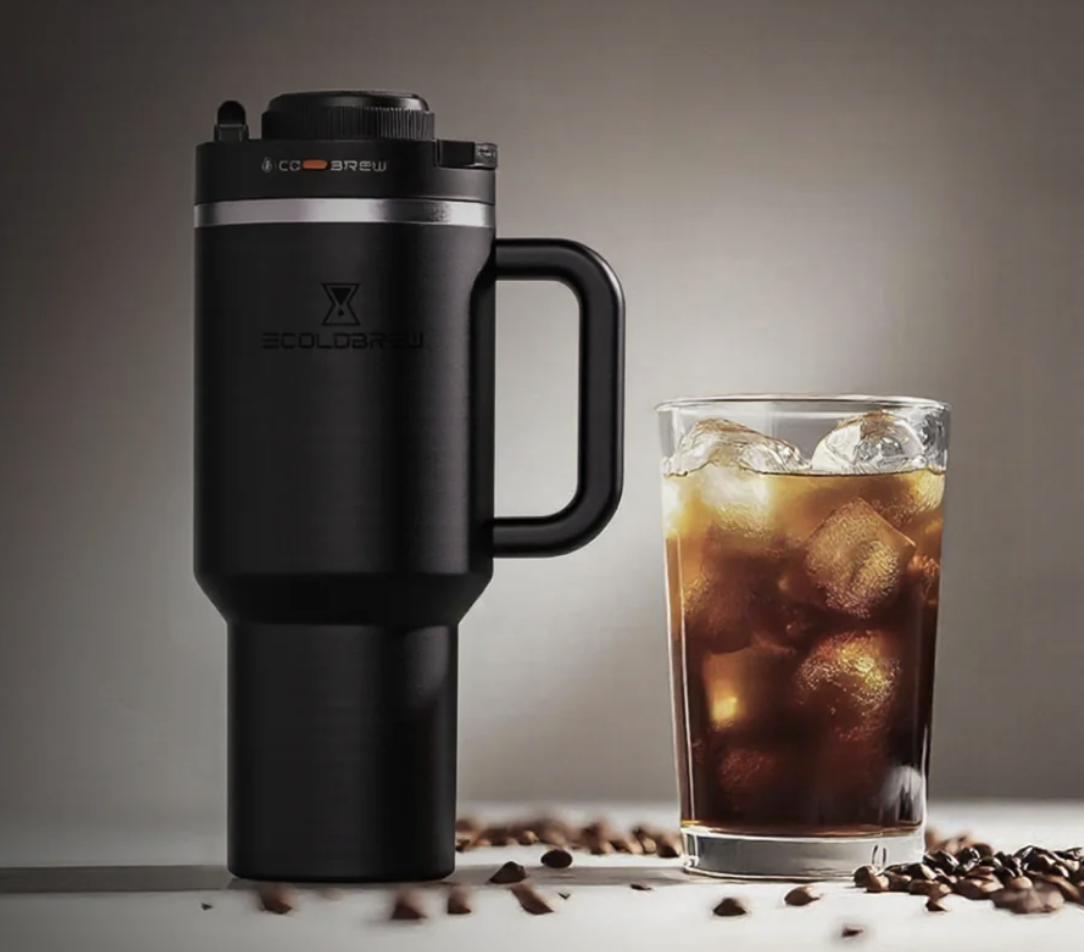
Ecoldbrew — Portable grinder and brewer. Best Kitchen Tech winner. Cold brew in 5 minutes in one compact design for $99. Cold brew is fundamentally different from hot coffee in taste. Lower temperature extraction pulls less acidity and bitterness, resulting in a smoother, sweeter profile. What's interesting here is time compression. Traditional cold brew takes 12-24 hours because extraction happens slowly at room temperature. If Ecoldbrew actually delivers cold brew flavor in 5 minutes, they've solved a chemistry problem. The question is whether it tastes like real cold brew or just cold coffee. That distinction matters to people who care about flavor. Read more
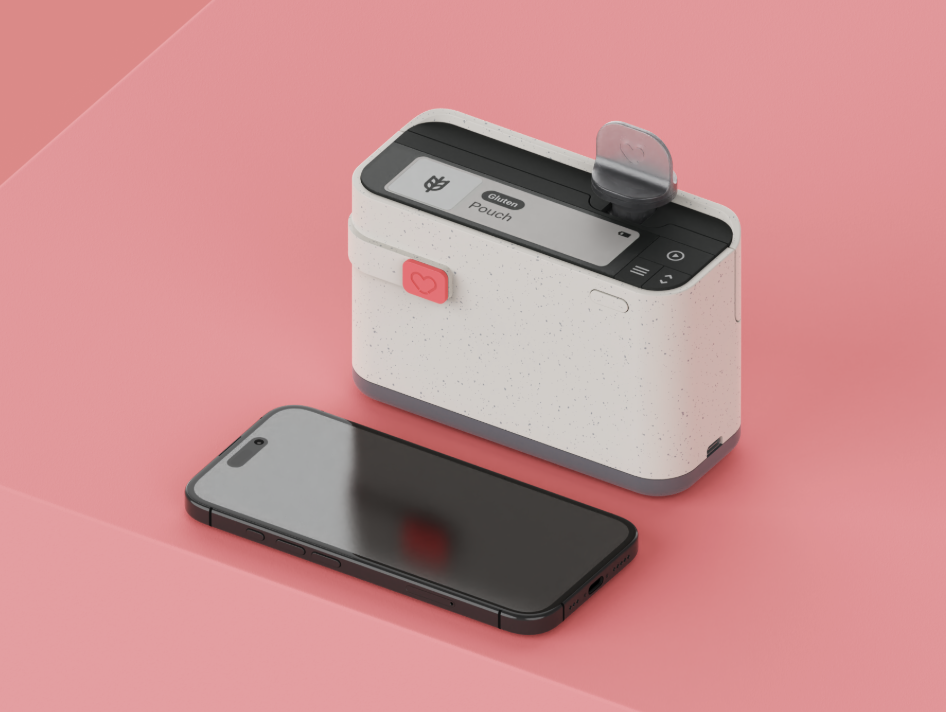
Allergen Alert — Portable device to test food samples. Best Startup winner. A $200 device for allergens. They only had mock-ups at CES. the tech is licensed from French biofirm bioMérieux. It's about trust in flavor. People with severe allergies can't enjoy food if they're uncertain about safety. Cross-contamination, mislabeling, or hidden ingredients turn every meal into risk assessment. If this works, it removes that cognitive load. Read more
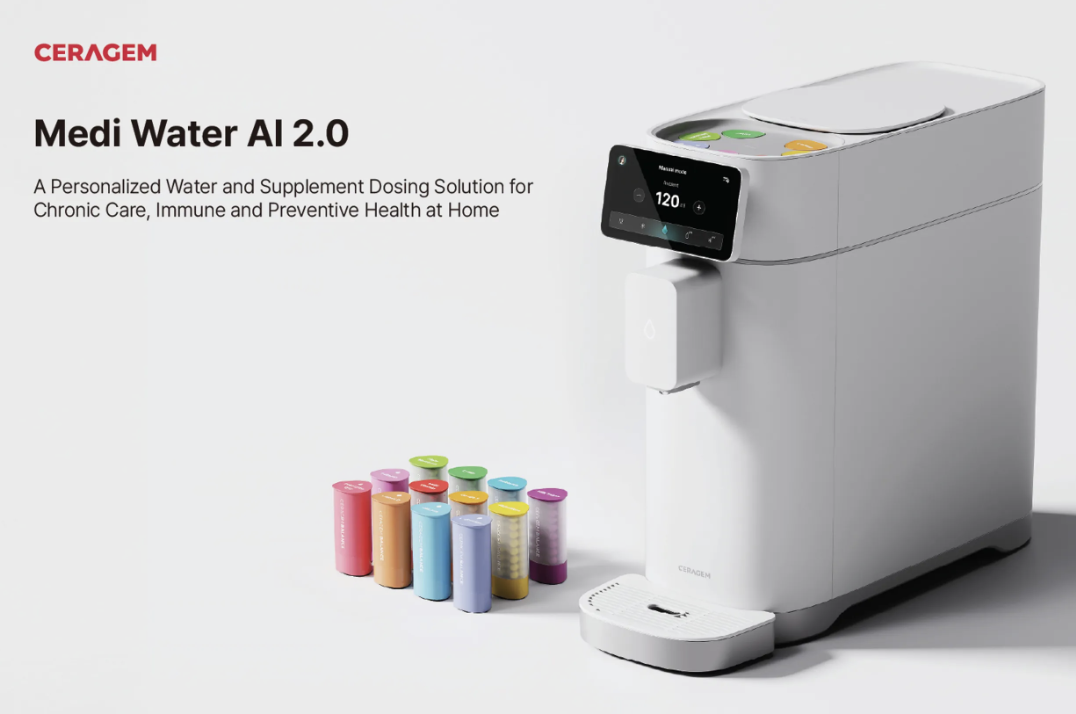
Medi Water AI 2.0 — Personalized hydration by Ceragem. Water doesn't "taste" like much, but it does have taste: mineral content, pH, temperature all affect flavor. If the system is adding magnesium, electrolytes, or vitamins, it's altering the taste of water in real time based on your body's needs. That could mean slightly bitter, slightly metallic, or slightly sweet depending on what's being added. The challenge is whether people will accept water that tastes different every day based on biometric data. Some might find it reassuring. Others might find it off-putting. Read more
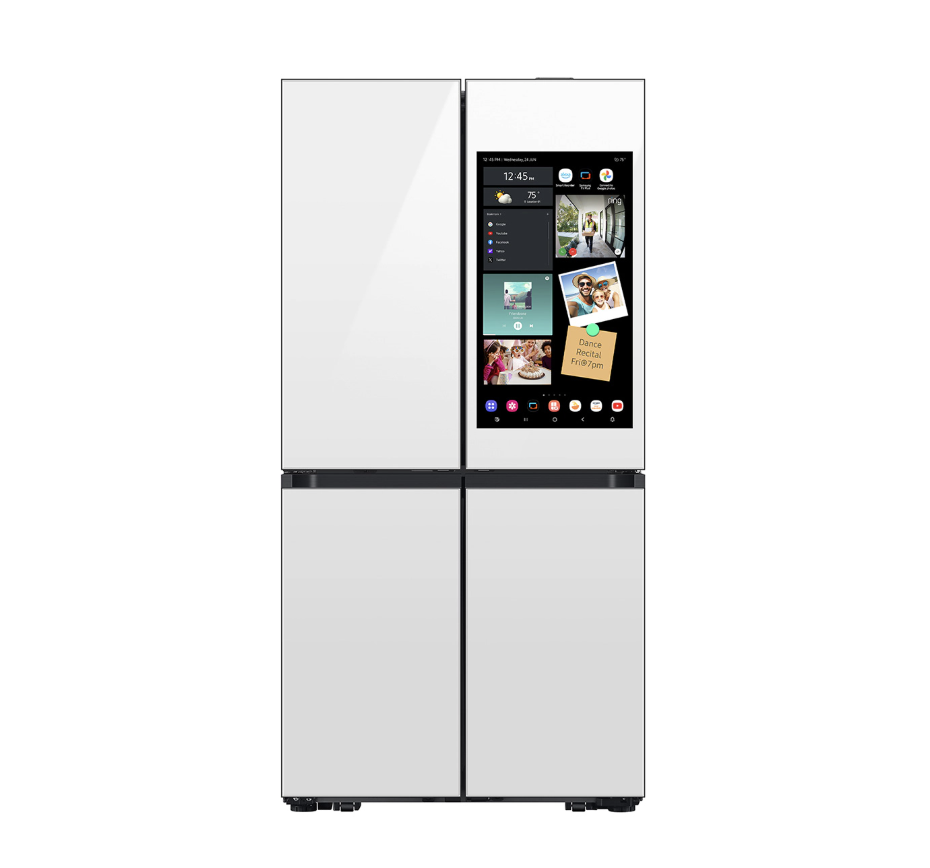
Samsung Bespoke AI 4-Door Flex — The world's first refrigerator powered by an LLM. The AI Vision can recognize 37 fresh food items. It's seeing ingredients and could theoretically suggest recipes based on what's about to expire, what pairs well, or what you're low on. If integrated well, that shifts how you think about cooking. Instead of "what should I make?" it becomes "here's what you can make with optimal freshness." I'm skeptical about whether anyone needs an LLM in their refrigerator but I'm also curious what it actually does in practice. Read more
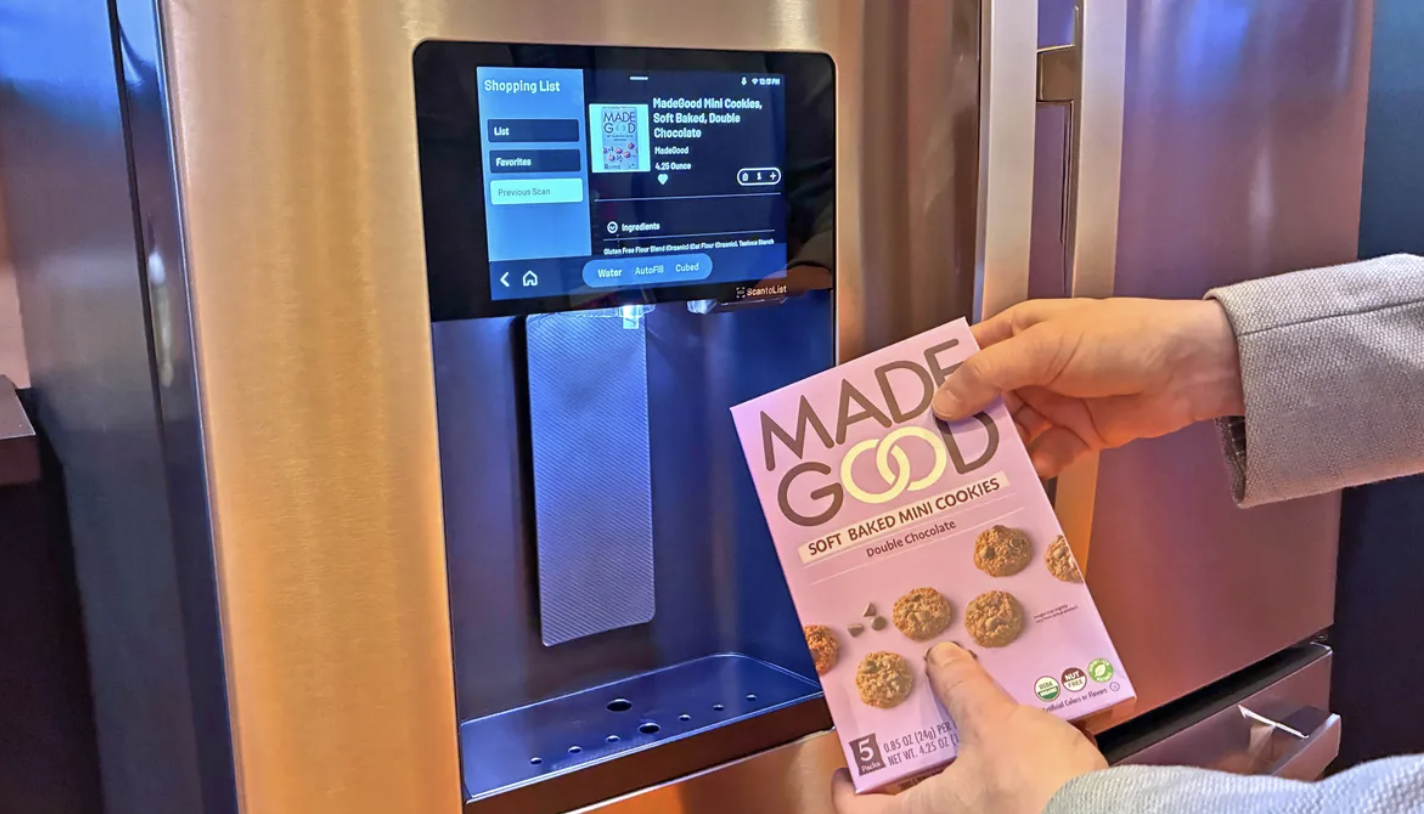
GE Profile smart fridge — Barcode scanning for grocery tracking. The scanner system recognizes more than 4 million groceries and household products. This is inventory management, not taste sensing. It knows what you have but not how it tastes or whether it's still good. The Instacart integration is convenient, but it's solving a logistics problem, not a sensory one. Read more
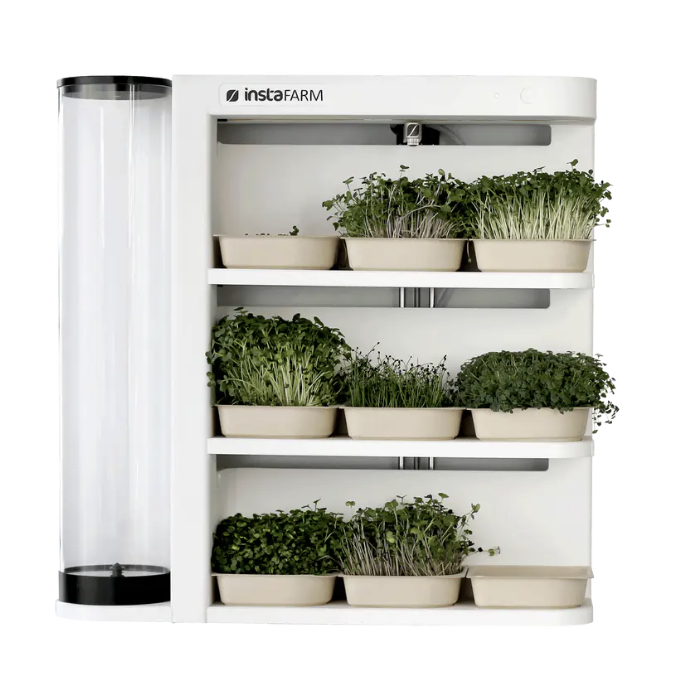
Instafarm — Automated indoor cultivation. The first indoor system to fully automate organic, soil-based cultivation of microgreens, herbs, and mushrooms designed for restaurant kitchens. Microgreens at peak harvest have significantly more intense flavor than their mature versions. Micro cilantro is punchy. Micro mustard is spicy. Micro arugula is peppery and bitter in a way that full-grown arugula softens. Growing them in the restaurant means harvesting at the exact moment of peak flavor and serving within minutes. Read more
4. Scent
Scent has one product. Just one. Scent innovation is sparse not because it's impossible, but because the problem space is unclear. People already have candles, diffusers, perfumes. The brands that do scent well don't show up at CES because their innovation is in chemistry and sensory craft, not electronics. Adding "AI" or "smart" features doesn't necessarily make scent better. It makes it more expensive and harder to use.
The opportunity exists, but it's narrow. Commercial spaces that need consistent scent branding. Therapeutic applications where dosing and timing matter. Cars, hospitals, hotels, environments where scent can't be manually controlled. But for homes? Lighting a candle or choosing a fragrance is part of the value. Automating it might remove what people actually enjoy.
So the real question is: What problem does digitized scent solve that people are willing to pay for?
I don't have the answer yet. But the fact that only one company at CES is trying to figure it out suggests the industry doesn't either.
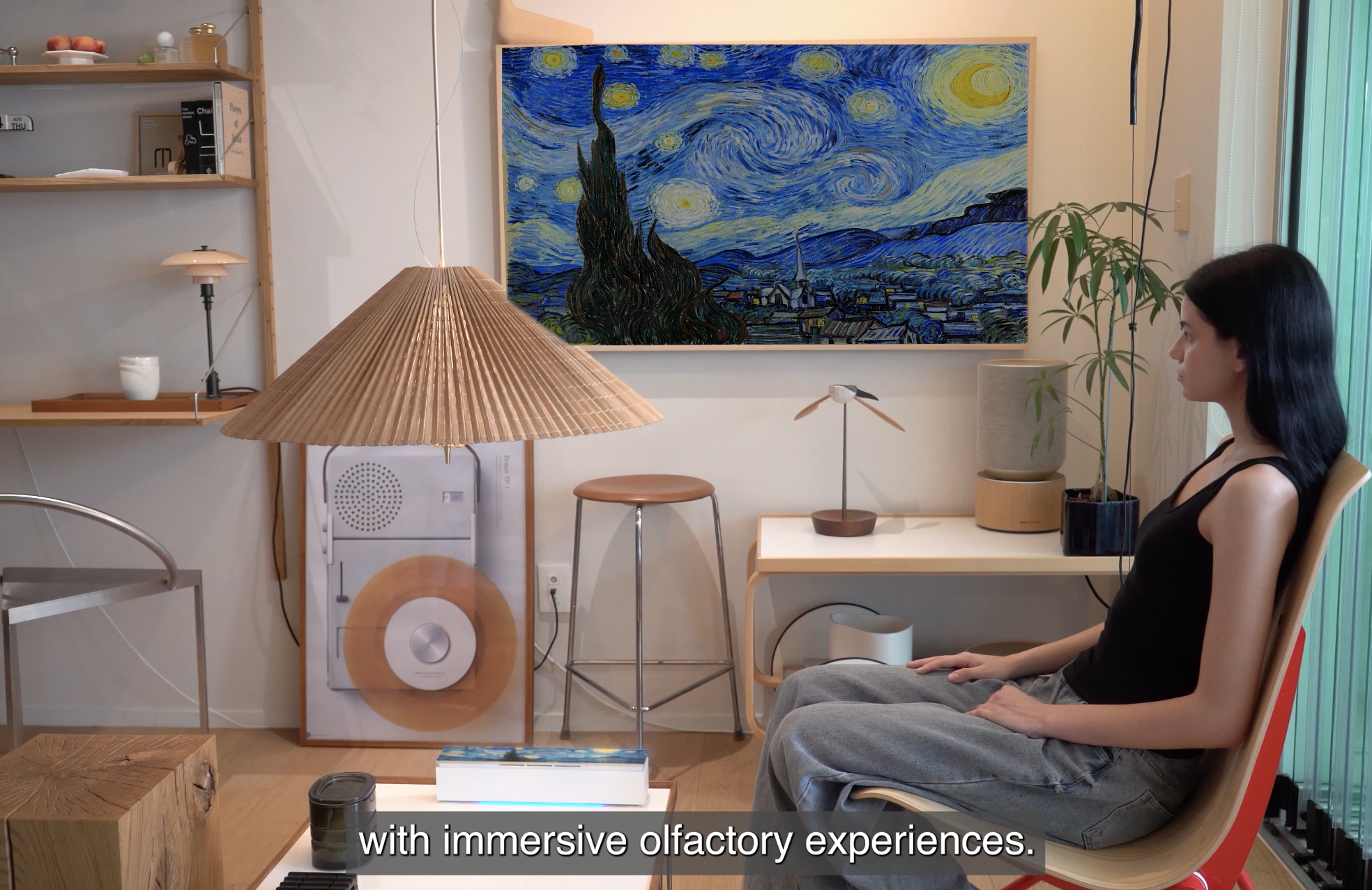
Image-to-Scent, Deepscent AI
Deepscent AI — Custom scent generation. The world's first smart home platform for personalized, emotionally adaptive scent experiences. The AI engine is trained on 100,000+ fragrance metadata points: perfumes, accords, notes, reviews. It generates custom blends in 3 seconds based on images, music, mood, environment. Read more
What makes this interesting isn't just the consumer product, it's the ecosystem they're building around it. They have three parallel tracks:
FOD (Fragrance on Demand) — A digital fragrance service for personal use. It's Spotify for smell: algorithmic curation based on what you've liked before and what others with similar profiles prefer.
FaaS (Fragrance as a Service) — Enterprise-level scent management for offices, hotels, resorts, shared workspaces, fitness centers. Instead of individual diffusers, this is centralized control across entire buildings.
FaaS-DTx (Digital Therapeutics) — Olfactory intervention for sleep disorders, addiction, stress, and anxiety. They're combining scent with Cognitive Behavioral Therapy (CBT) protocols. This is clinical-grade, research-backed, FDA/medical device.
They also offer Digiscent API — integration for cosmetics brands, lifestyle companies, and digital entertainment. Think: a movie that releases corresponding scents at key moments. Customer fragrance preference data becomes valuable for product development and personalization.
The multisensory tech is legitimately novel to me: Image-to-Scent, Sound-to-Scent, and text-based inputs all map to their fragrance note-accord database. You show it a sunset photo, it generates a warm, amber-heavy blend. You play jazz, it responds with something smoky and complex. That cross-modal translation is genuinely innovative if the mappings feel intuitive and emotionally resonant.
My take: For the home consumer product, I'm still skeptical. But the enterprise (FaaS) and therapeutic (FaaS-DTx) applications are where this gets compelling. Hotels want signature scents. Sleep clinics need non-pharmaceutical interventions. Office environments experiment with ambient wellness. If Deepscent works, it's because they've built infrastructure for scent that didn't exist before.
5. Space
Space has two products. An expandable trailer, an integrated smart home. Small category, but both are about environment as interface, architecture that responds, expands, adapts.
For architects and interior designers, this is the innovative idea that matters: space as variable, not fixed. Rooms that reconfigure based on use. Lighting that adjusts to circadian rhythm and task. Climate zones that follow occupancy. Walls that expand when you need them and contract when you don't.
The opportunity is responsive architecture at scale. Designing for adaptability rather than permanence. Creating environments that feel personalized without custom builds for every client. The challenge is integration. Smart spaces require systems (lighting, climate, furniture, structure) to communicate seamlessly. That's expensive, complex, and hard to retrofit. New builds can accommodate it. Existing homes usually can't.
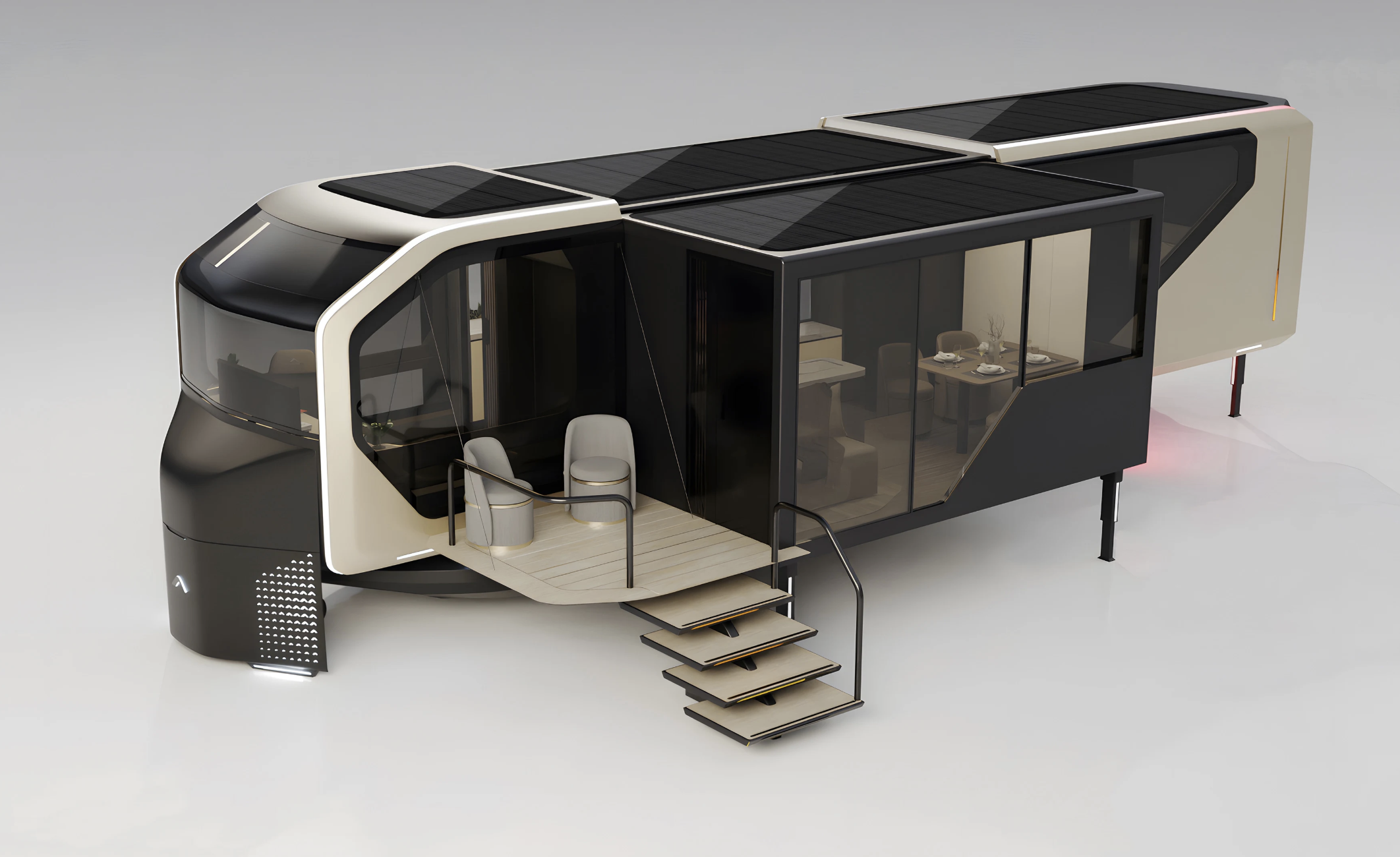
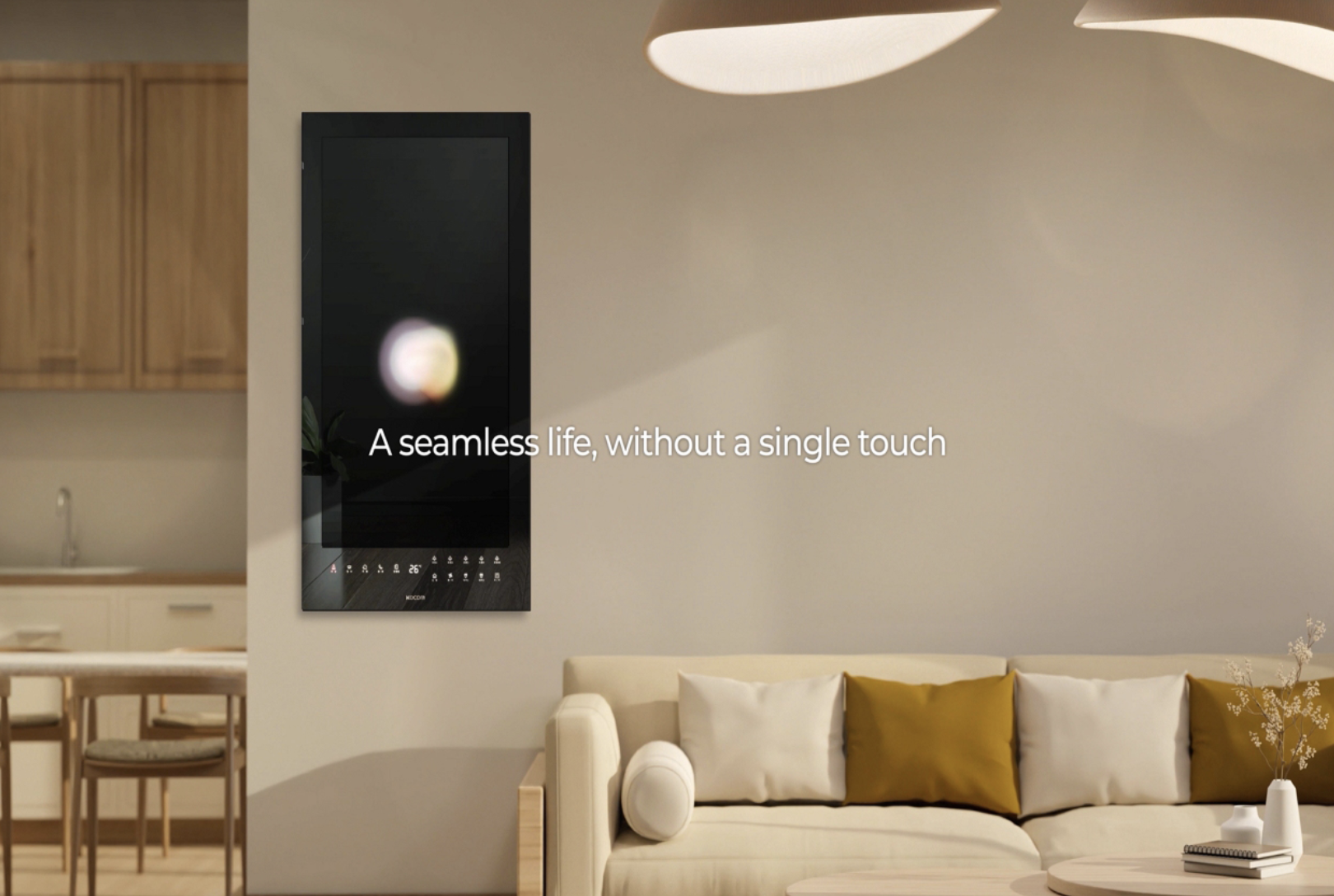
These two products show different approaches to the same idea: architecture that isn't static.
AI Transformer Home Trailer (AI-THt) — A 24-foot mobile living solution. Expands from 190 to 400 square feet. Architecture that physically unfolds. For designers thinking about modular housing, micro-living, or mobile solutions, this is proof that flexibility doesn't have to mean compromise. You can deliver livable space that adapts to context. Read more
HL D&I Halla's AI House — An integrated AI-powered smart living ecosystem. AI mirror with conversational LLM, ultra-fast heat exchanger (hot water in 10 seconds), ZEB-based AI lighting, smart hood to auto-detect and filter air particles. The home as a responsive organism. For designers working on residential projects, this is the integrated systems approach: every element aware of the others, adapting in real time. It's ambient intelligence, the kind where technology recedes and the space just feels right. Read more
6. Sound
Sound is in two directions. Some products are about output (speakers designed like art, real-time translation, AI-generated music). Others are about input (jewelry that records your conversations, security systems that listen for threats).
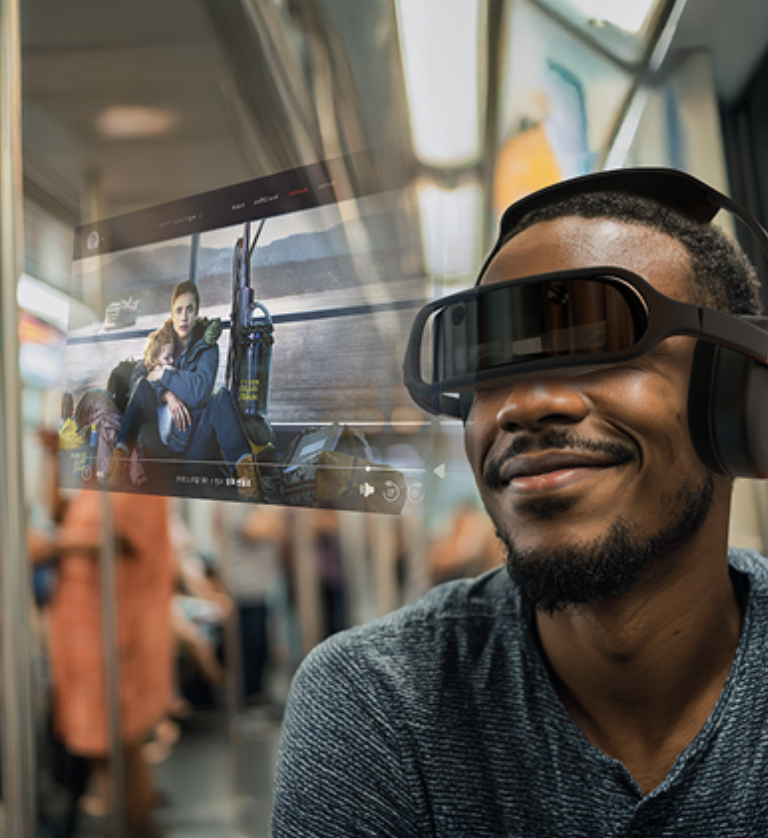
Here’s what I found:
Perisphere — Headphones that see. For decades, headphones have been dedicated to sound alone. Cameras, phones, and glasses got smarter. Headphones stayed the same. Perisphere changes that with audio meets vision. I'm curious what "vision" means here practically. Cameras on the headband? Augmented audio based on what you're looking at? Context-aware noise cancellation? The premise is right: headphones have been overdue for a rethink. But the execution will determine whether this is useful or gimmicky. Read more
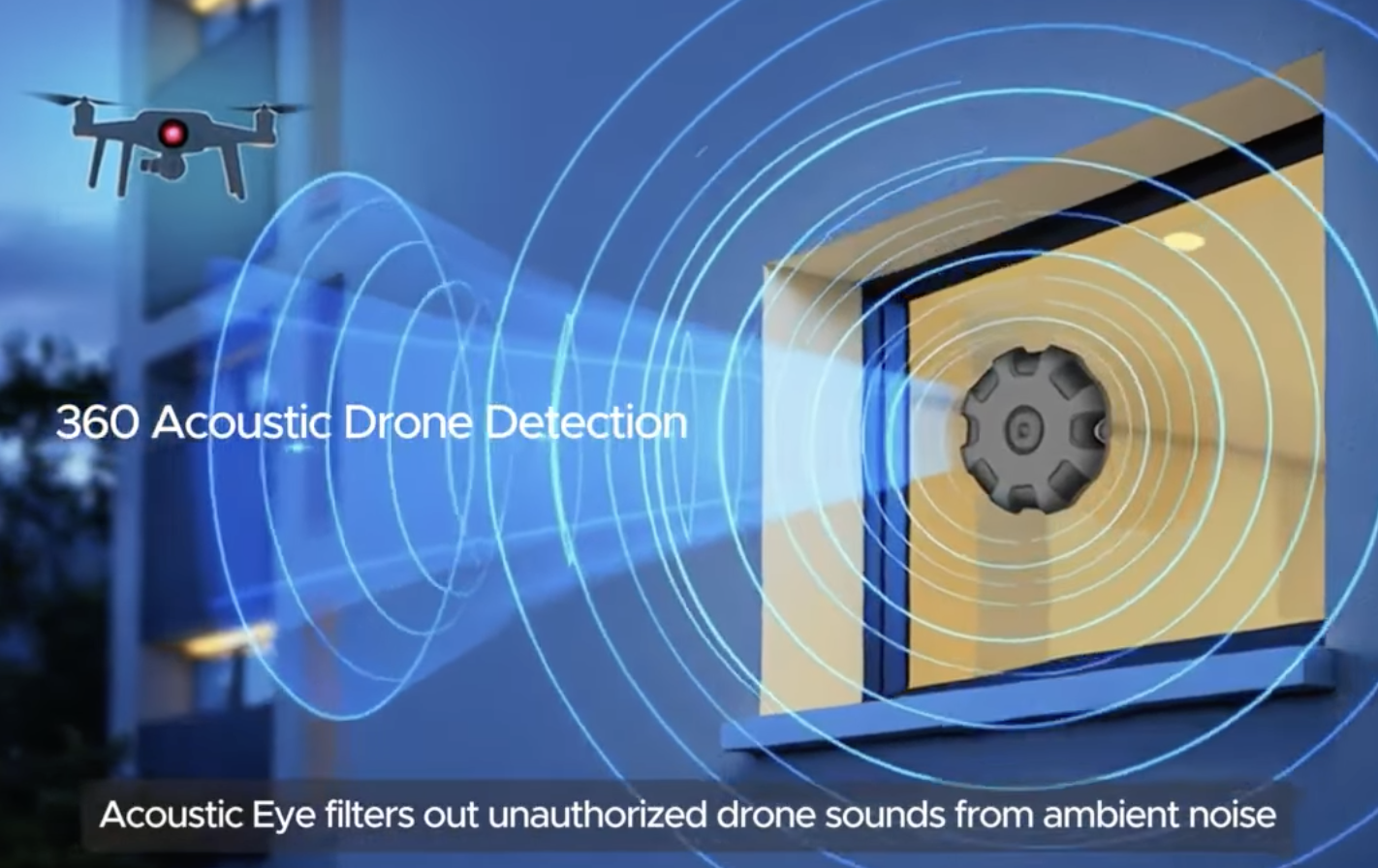
Acoustic Eye — Smart home security through sound. It applies military SONAR detection technology to the civilian security domain and detects aerial threats acoustically. Home security that listens instead of watches. There's something both clever and slightly paranoid about it. The value is privacy preservation: no video footage, no visual surveillance. But "aerial threats" feels like a very specific, possibly niche fear. Who is this for? Drone-dense urban areas? High-security estates? The use case matters. Read more
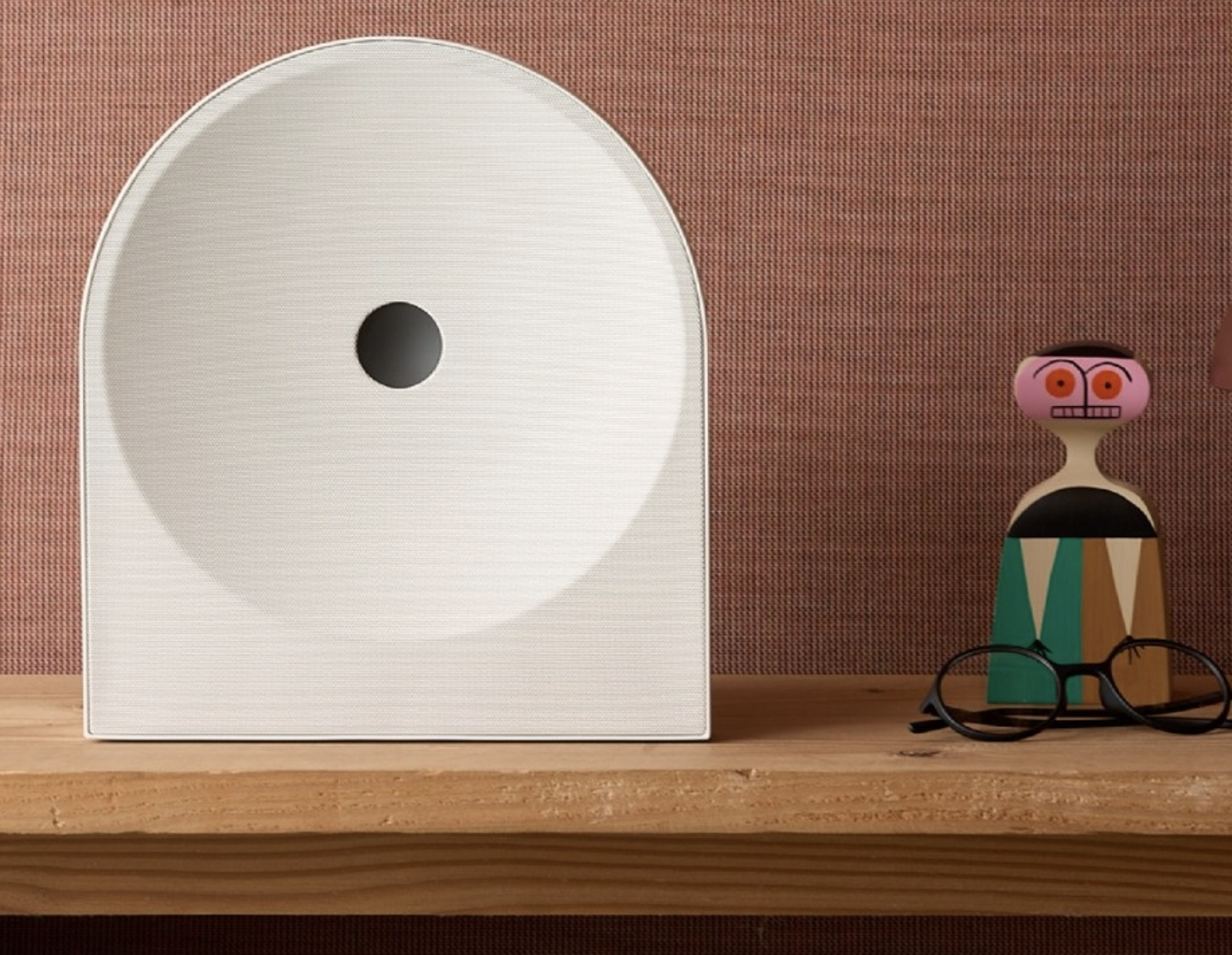
Samsung Music Studio 5 and 7 — Best audio winner. The innovation is in spatial audio processing, bass control, frequency extension, codec quality, and syncing with Samsung TVs. Studio 5 is one of the most compelling speaker designs I've seen, it looks more like wall art than audio equipment. It's designed to look like art/furniture first, speaker second. Most high-end speakers either look aggressively "tech" or try to hide. This embraces visibility as aesthetic object. Read more
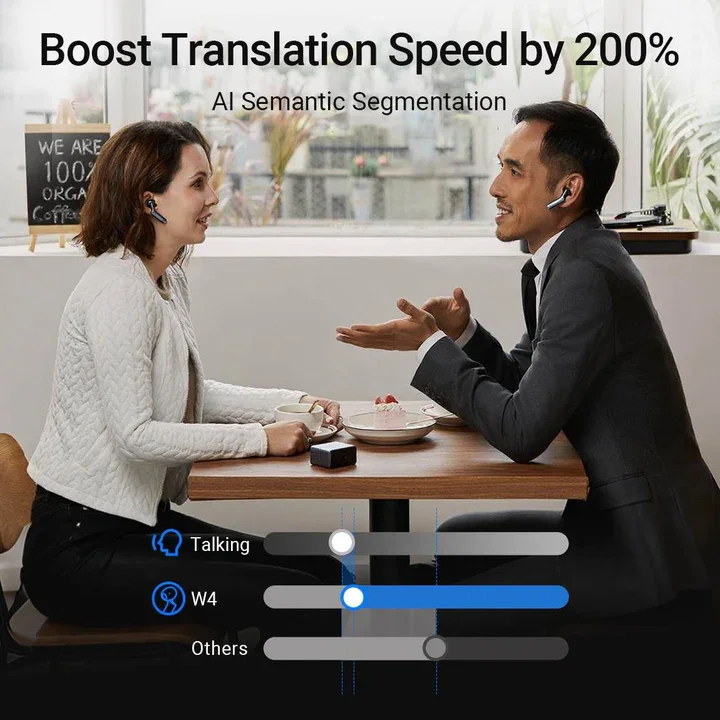
Timekettle W4 AI Interpreter Earbuds — The world's first in-ear translation device. Real-time interpretation while you're having a conversation. Language barriers, dissolved. This one feels like a real shift. Not holding up your phone. Not waiting for text translation. Just talking, naturally, with comprehension happening invisibly. If the latency is low and the accuracy is high, this changes travel, business, and multicultural communication. Read more
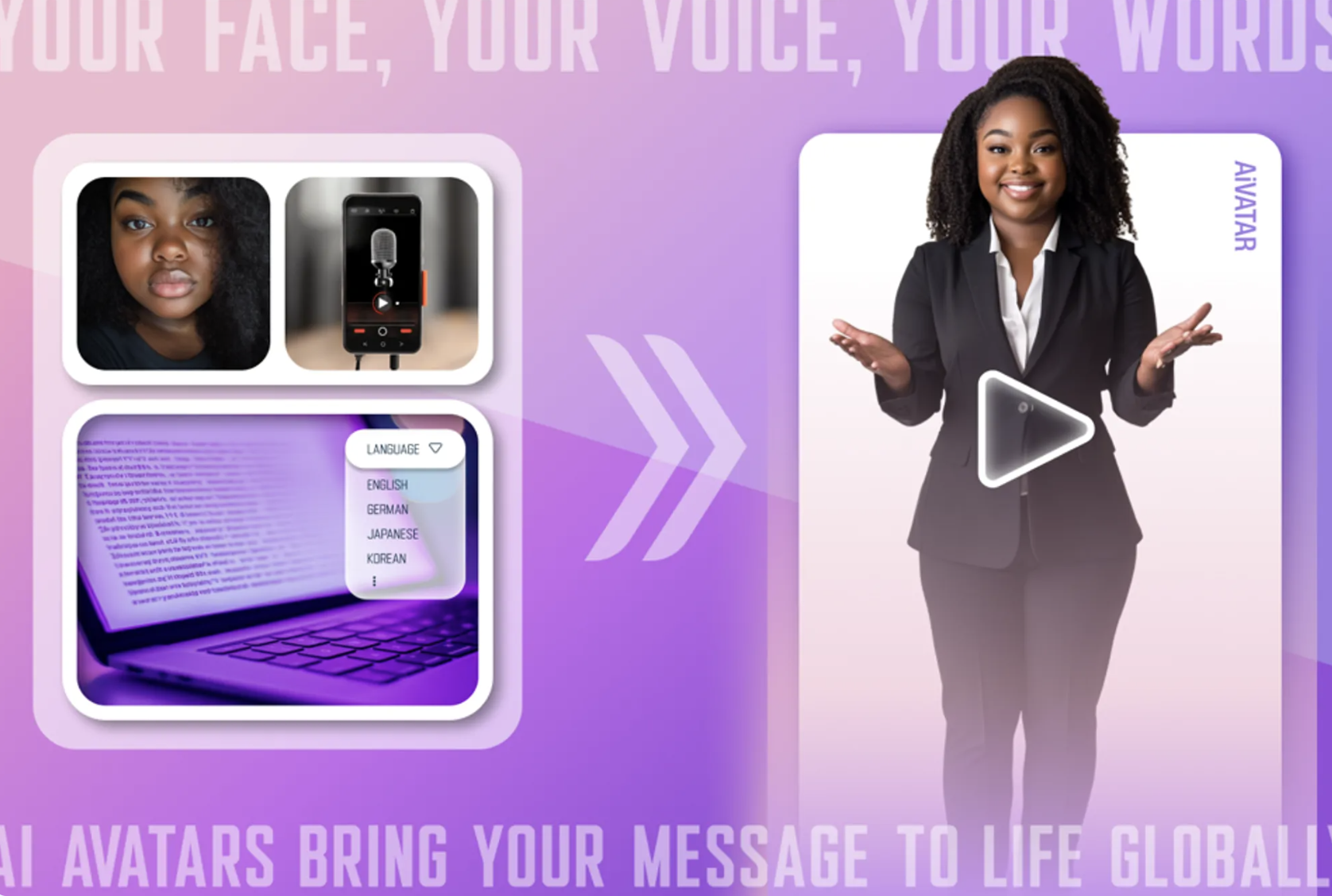
AiVATAR — AI avatar videos in 140 languages. The implications for global communication are obvious. Customer service, education, corporate training, any context where multilingual video communication is expensive or slow. But also: we're getting very good at synthesizing presence. At what point does a generated avatar feel more authentic than reading subtitles? Read more
Notable Mentions
Lollipop Star — A $9 lollipop that plays music through your teeth using bone conduction. You bite down and hear a song. Read more
Samsung Music Canvas — AI-powered song generation, vocal coaching, and rhythm-based whole-home light synchronization, all from your TV. Interesting.
XEO 202 — Modular Hi-Fi speaker system.
Nirva AI jewelry — A mood ring that actually knows your mood. Automatically journals your life, tracks your moods, maps your social relationships.
The opportunity with sound tech is ambient intelligence and frictionless communication. Sound can fill a room, cross language barriers, detect invisible threats, or learn your emotional patterns. The challenge is consent and awareness. When devices are always listening (for security, for advice, for translation) the line between helpful and invasive gets thin. People need to know what's being recorded, why, and who has access.
7. Time
Time has two products. A therapy booth, a sleep prediction system. Both deal with rhythm, duration, recovery. Time isn't a sense in the classical way, but it shapes everything. These products are about patterns across hours and days.
Here’s what I found:
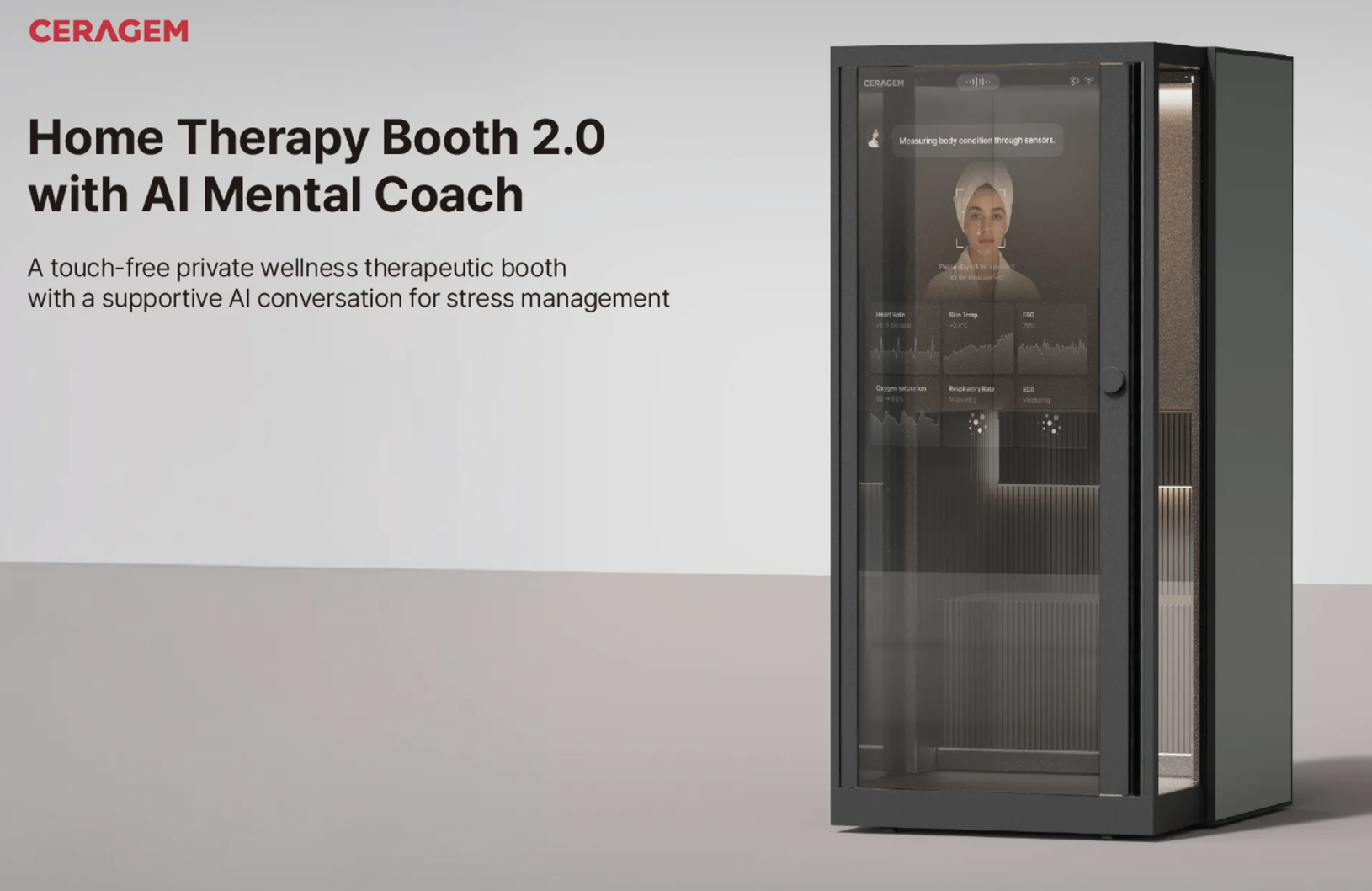
Home Therapy Booth 2.0 with AI Mental Coach — A private, one-person wellness booth for your home. This is technically sophisticated: multimodal sensing, edge AI, real-time environmental adaptation. But it assumes the problem is that people lack a perfectly calibrated physical space for mental wellness. In reality, the barriers are access, affordability, stigma, and knowing where to start. A $10,000+ pod doesn't solve those. It creates a luxury wellness product for people who can already afford therapists, meditation retreats, and quiet rooms with locks. The AI Mental Coach offering "stress support" without human oversight is particularly concerning, if someone in crisis turns to this booth, what happens when the chatbot can't recognize severity or provide adequate help? And Ceragem's broader ambitions of scaling from a home booth to entire "wellness residential spaces" suggest it's also about training consumers to associate wellness with their brand, then selling them a lifestyle ecosystem. Read more
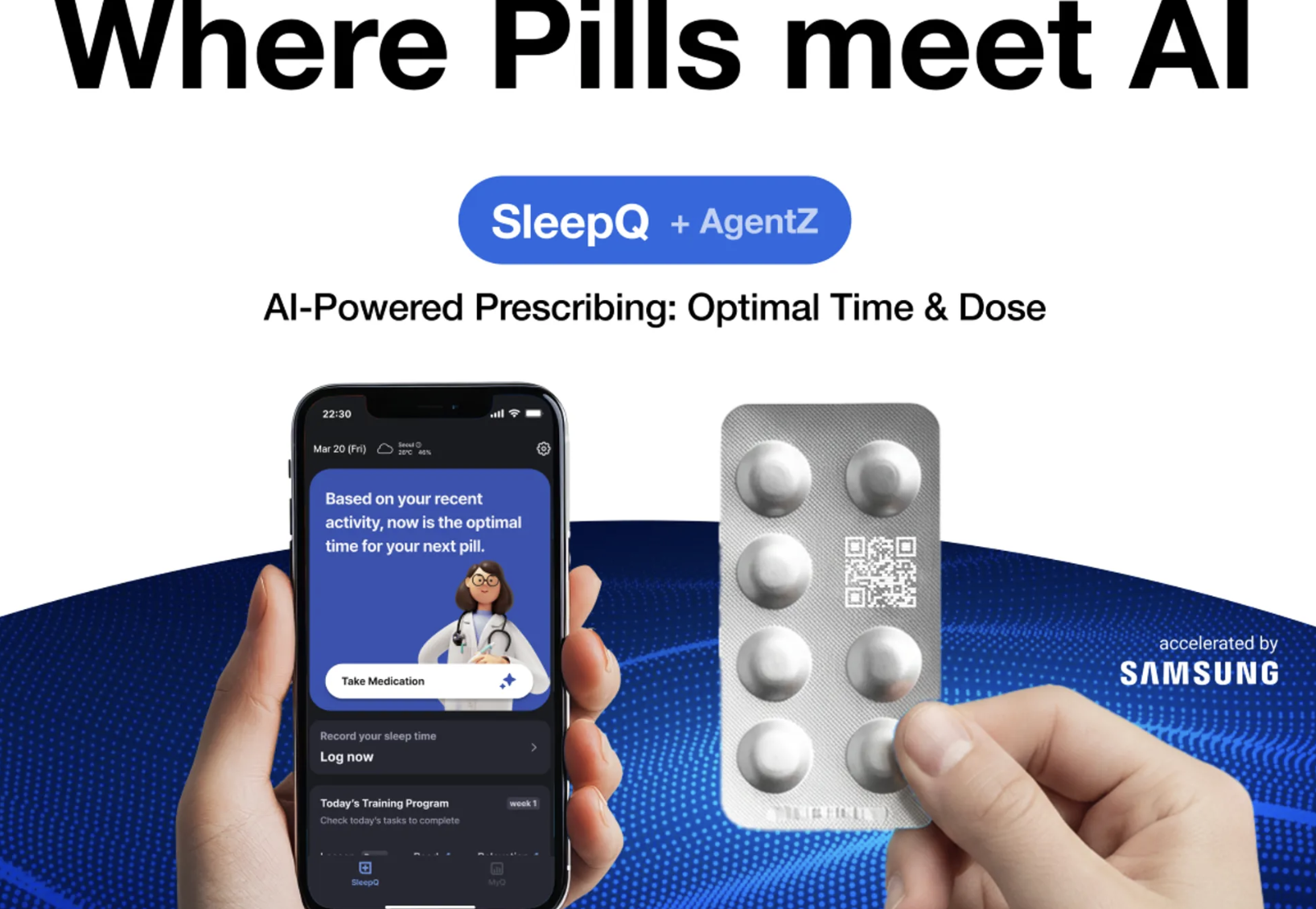
SleepQ — Digital therapeutics for insomnia. KFDA-approved and CE-certified meaning it's cleared rigorous safety and efficacy thresholds. It's addressing a genuine medical problem (chronic insomnia) that existing treatments (medication with side effects, or CBT-i that requires sustained clinical engagement) don't solve well for many people. But the stakes are also higher. When AI recommends medication timing and gets it wrong, that's a health risk. Sleep is non-linear, influenced by countless variables (stress, diet, relationships, work), and I'm skeptical that even multimodal data can reliably predict something so complex on an individual night-by-night basis. When the system fails, who's responsible? Read more
These products might help some people. But they also risk turning wellness into something you buy, optimize, and measure rather than something you cultivate through systemic change, community, and a life that doesn't require a $10K booth to feel okay in.
8. System
System is the biggest category and that reveals the fundamental shift happening in consumer tech: we're moving from devices that do one thing to infrastructure that coordinates everything.
But looking across these products, what stands out is what they assume about how we should live.
Here’s what I found:
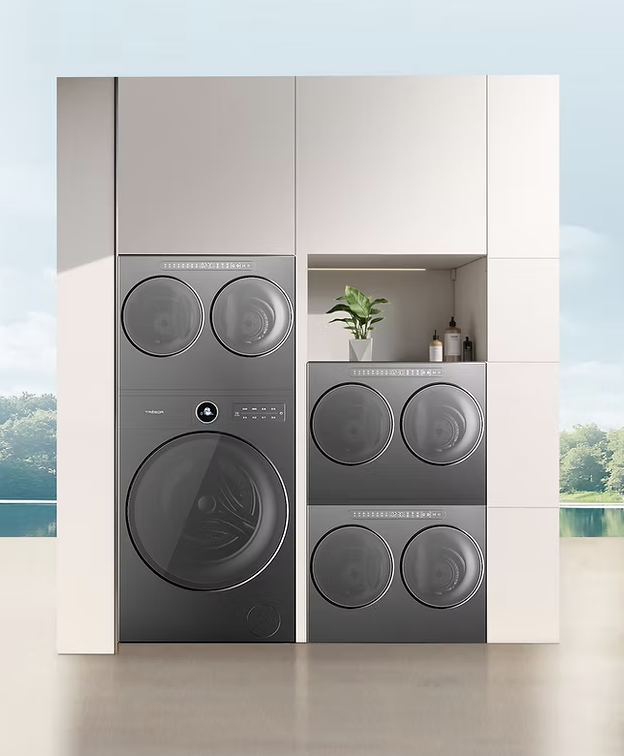


X-Zone Master — The world's first scalable washer-dryer platform. Main unit plus modular mini drums. Stack them, arrange them side-by-side, build them into cabinetry. Flexibility as design principle. For families with different laundry needs — baby clothes separate from gym gear, delicates apart from towels — this makes sense. Modularity is underrated in appliances. Read more
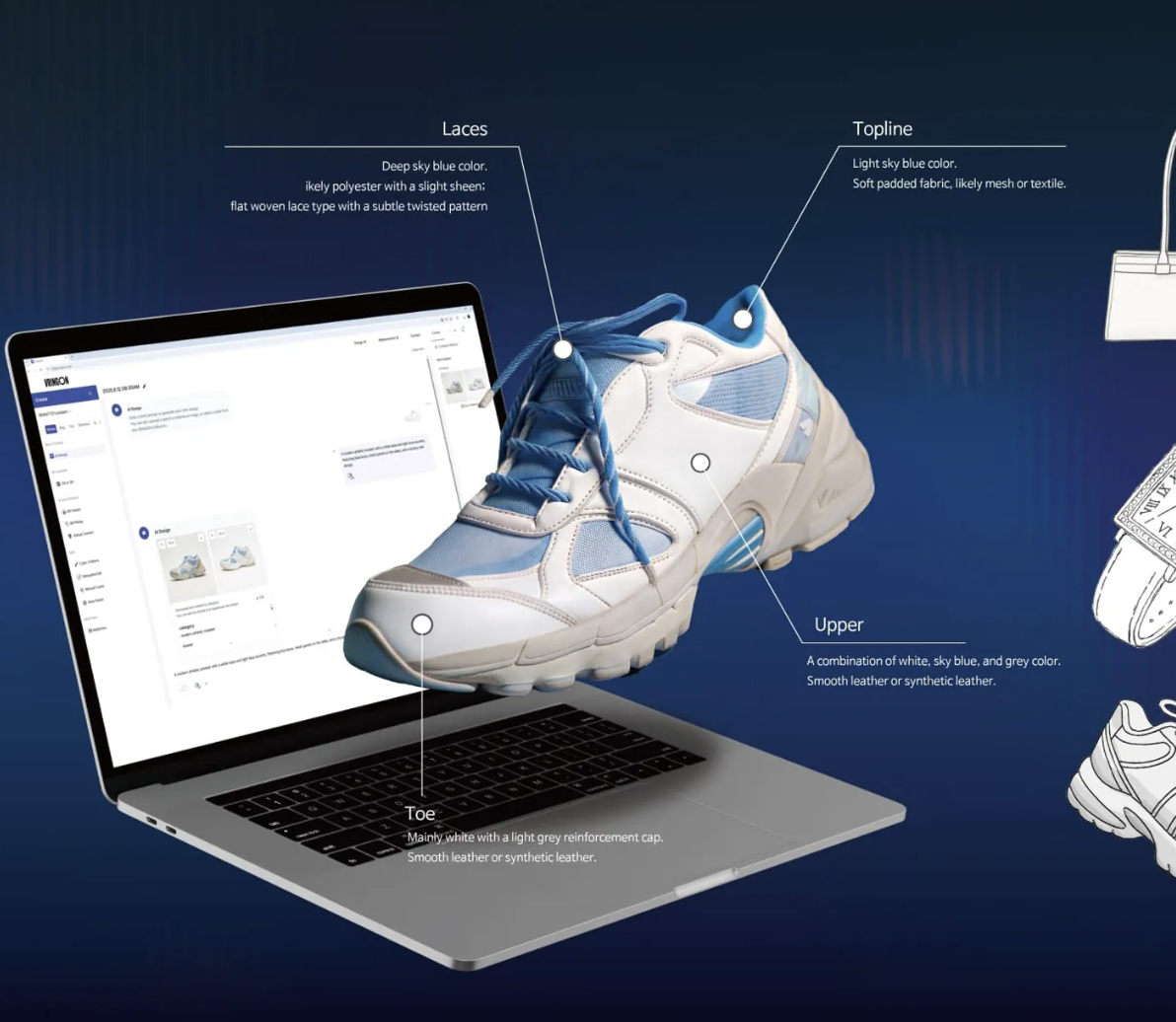
VRINGON — Fashion sketch to factory. AI that turns fashion sketches into factory-ready digital assets. For independent designers and small brands, this removes a major bottleneck. Less time translating vision into specs means more time designing. Read more
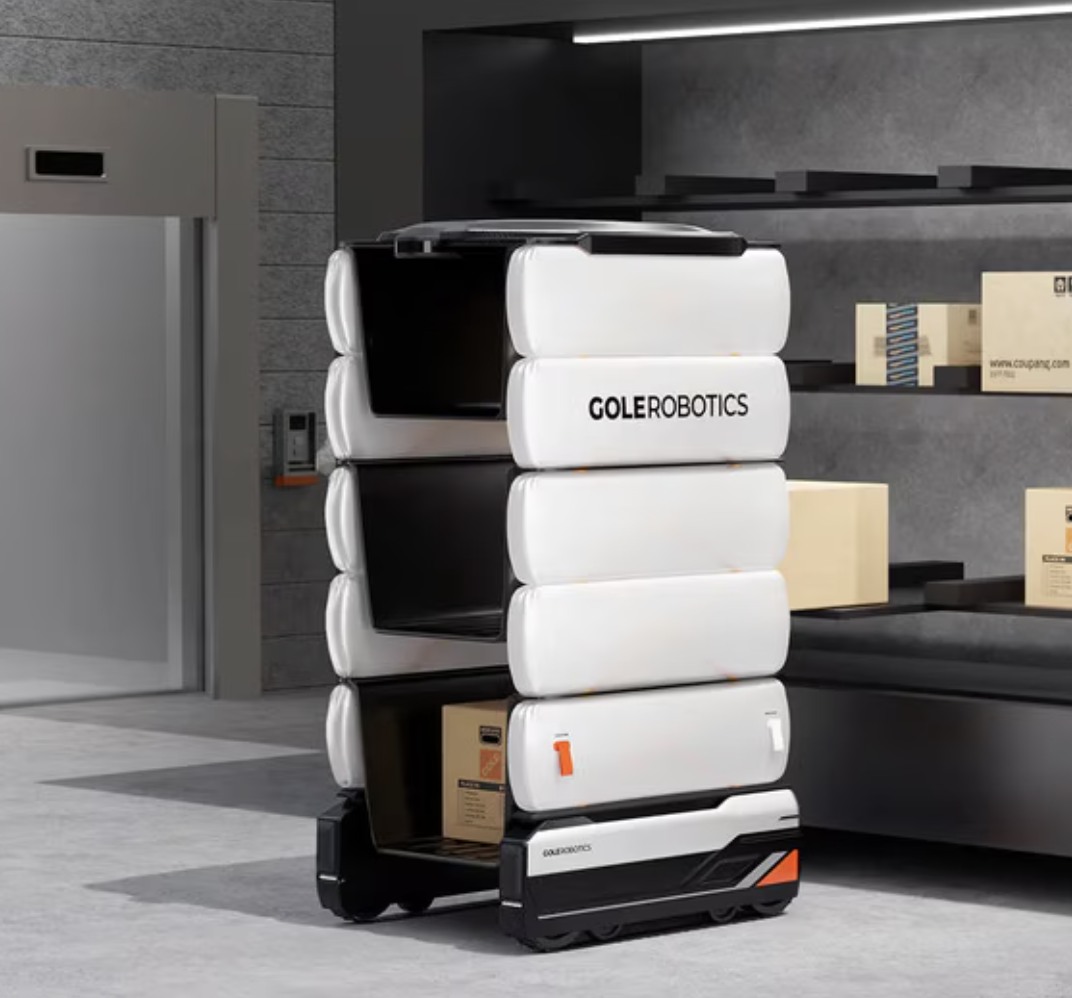
AA-2 by Gole Robotics — Autonomous delivery robot for residential complexes. Built for premium apartments and mixed-use complexes. integration with the EV-1 elevator interface, AA-2 autonomously calls and rides elevators, and can complete deliveries to up to three households in a single trip, ensuring efficient, human-free experiences. Deliveries without human contact for better or worse. The efficiency is obvious. The social cost is less so. Read more
MIPPIA — AI music copyright protection. Addresses a real threat in the generative AI era. Composition-level plagiarism detection matters when AI can remix and regenerate endlessly. But the risk of false positives is high because music has always borrowed, sampled, referenced. Where's the line between influence and infringement? The system will have to be transparent about how it makes that call, or it'll just generate endless disputes. Read more
STORYSYNC — Real-time interactive media facade content. Designed by the Department of Game and Video at Gachon University Korea. Transforms visitors' social media photos into real-time storytelling on building facades. It is clever, but also kinda creepy. Your Instagram photo becomes public art, projected onto a building, woven into some narrative you didn't agree to. Sure, it's "inspired by Jeju mythology" now. But how long before this is just branded content? How long before companies use your vacation pics as ambient ads? The line between "cool participation" and "exploitation" is thin. Read more
Notable Mentions
MediSpa AI Pro 3.0 — Home aesthetic system connecting skincare with daily health data: UV index, air quality, urine strips for nutrients and glucose, sleep depth, biometrics. Very skeptical. Who benefits from all this data?
Booxtory 2.0 — Cognitive coaching for kids’ reading: stories across languages, reading turned into sounds, visuals, and fun songs, interactive quizzes, audio storytelling and cross-platform accessibility compatibility. Sounds helpful but I'm skeptical of any system that gets between kids and books.
MAiN — AI interior design app. Snap a panoramic photo of your room, input your lifestyle preferences, get professional-level styling in 10 seconds. It's a design generation platform for photo to 3D model to shopping list.
GCC (Genre Component Combination) — AI music search that goes beyond title, artist, genre, mood. It analyzes the structural DNA of music genre components at a deeper level. Finding music by what it actually is, not just what it's labeled. For producers, DJs, and music supervisors, this could be useful.
AIRET S9 — Intelligent footwear curator. On-device Vision AI analyzes your shoes — material, condition — then sterilizes, dries, and deodorizes. No input needed. It just handles it. Shoe care as a system.
Water Saver Dose — Plastic-free hair care. Has been around since 2021 bur received innovation award. Eco-conscious design. The system here is sustainability, rethinking the whole package, not just the product.
The best system products would show you how they think and let you adjust when they're wrong. None of these do that. They're designed to be seamless, automatic, frictionless.
Which is great when they work. But when they don't (or when they work in a way you hate) you're stuck.
Like, imagine your smart home "knows you're tired" and starts dimming lights and playing sleep sounds at 8 pm because your heart rate suggests fatigue. But you're not trying to sleep, you're trying to finish a project. Now you're fighting with your own house.
What's missing is letting you see how it thinks and giving you a way to push back.
These systems assume more data + more automation + more optimization = better life. But better according to who? And what happens when the system's idea of "better" doesn't match yours?
The products that'll actually matter are the ones that treat you like a partner, not a data source. The ones that explain their reasoning. The ones that let you say "no, not like that" and actually listen.
Right now? Most of these are designed to make decisions for you, not with you.
And that's the problem.
Korea's influence at CES 2026
Out of the products I looked at, more than half of them are from Korean companies.
Korea has been quietly dominating specific categories at CES for years now, beauty tech, wellness devices, AI-driven health products. This year, that trend went into overdrive.
Beauty and skincare: SkinsightTM, Ceragem's Balance AI Rejuvenation Shower, MediSpa (both the portable system and the AI Pro 3.0), SCAR by Kolmar, Medi Water AI. Korea's beauty industry has always been about precision, data, and personalization, now they're bringing that same philosophy to hardware.
Wellness and mental health: Ceragem's Home Therapy Booth, SleepQ. Korea has one of the highest rates of stress, overwork, and sleep disorders in the developed world. These products are responses to real, widespread problems in Korean society. The tech is being built for that context, then exported globally.
AI and content Deepscent AI (scent generation), AiVATAR (multilingual video avatars), Booxtory (kids' reading coach), STORYSYNC (media facade). Korea is betting big on AI as infrastructure, not just language models, but systems that translate across sensory modalities. Image-to-scent. Text-to-avatar. Photo-to-public-art. It's all about cross-modal AI, and Korea is ahead on this.
Why Korea dominates these categories:
Government support for tech exports. Korean companies get subsidized to show up at CES. It's part of the country's broader strategy to be a global leader in consumer electronics and digital health.
Vertical integration between hardware, software, and beauty/wellness industries. In Korea, a cosmetics company like Kolmar can partner with AI labs to build medical-grade scar treatment devices. That level of cross-industry collaboration is harder to pull off in the US or Europe.
Cultural acceptance of high-tech personal care. Koreans are early adopters of beauty tech, wearable health monitors, and AI wellness tools. The domestic market is a testing ground. If it works in Seoul, they scale it globally.
Fast iteration cycles. Korean companies move quickly. A product concept can go from prototype to CES showcase in months, not years.
What's interesting is that most of these products aren't trying to be "cool" or "disruptive" in the Silicon Valley sense. They're trying to be useful, precise, and integrated into daily routines. That's a different design philosophy. Less about making a statement, more about becoming invisible infrastructure.
Whether that's good or not depends on whether you trust these systems to know what you need better than you do. But either way, Korea is shaping what consumer tech looks like and CES is where they're showing the world what's next.
Thank you for thinking with me. This piece is part of Ode by Muno, where I explore the invisible systems shaping how we sense, think, and create.
The quote at the intro is from the book, Systems Intelligence.