




Deeper Analysis
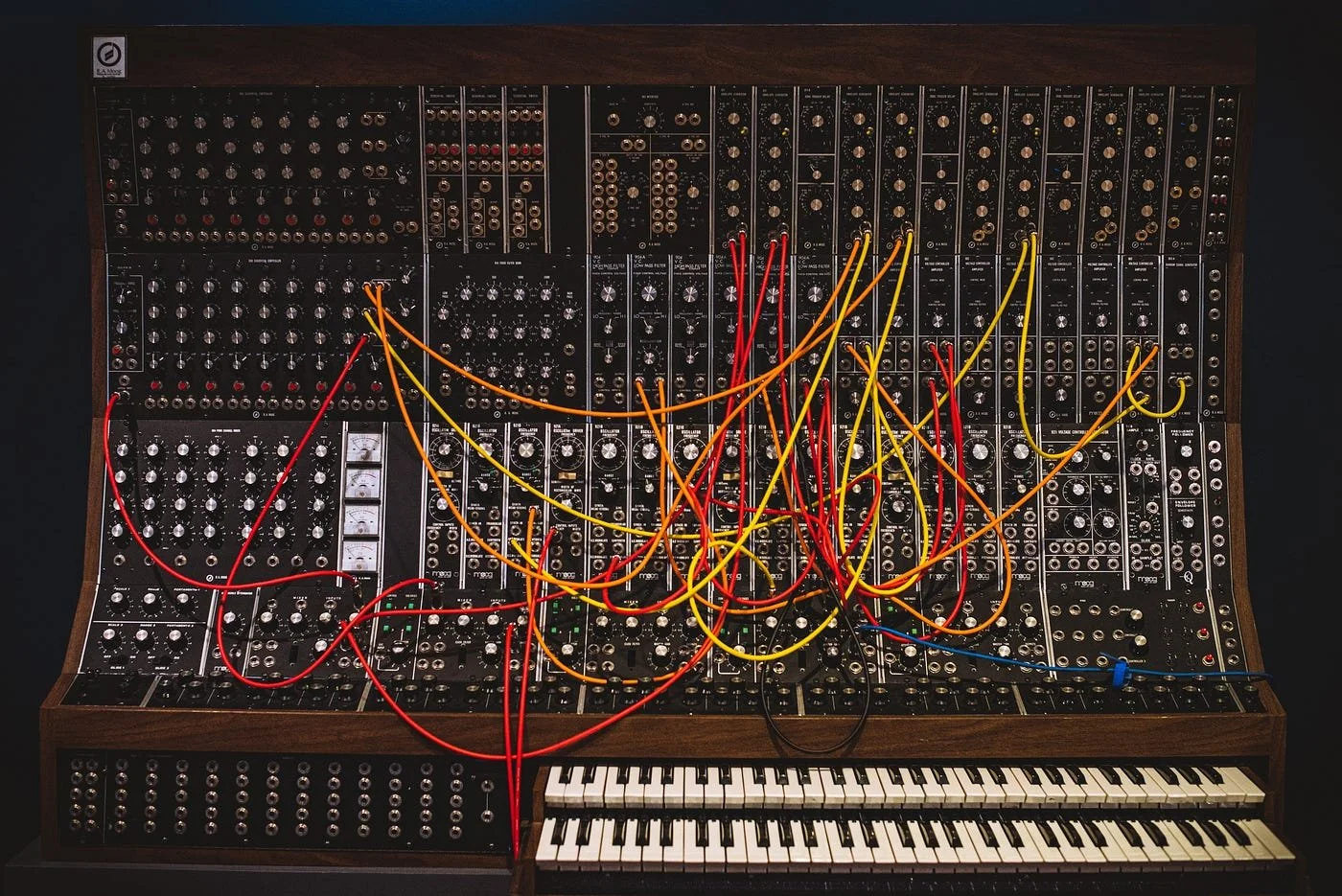
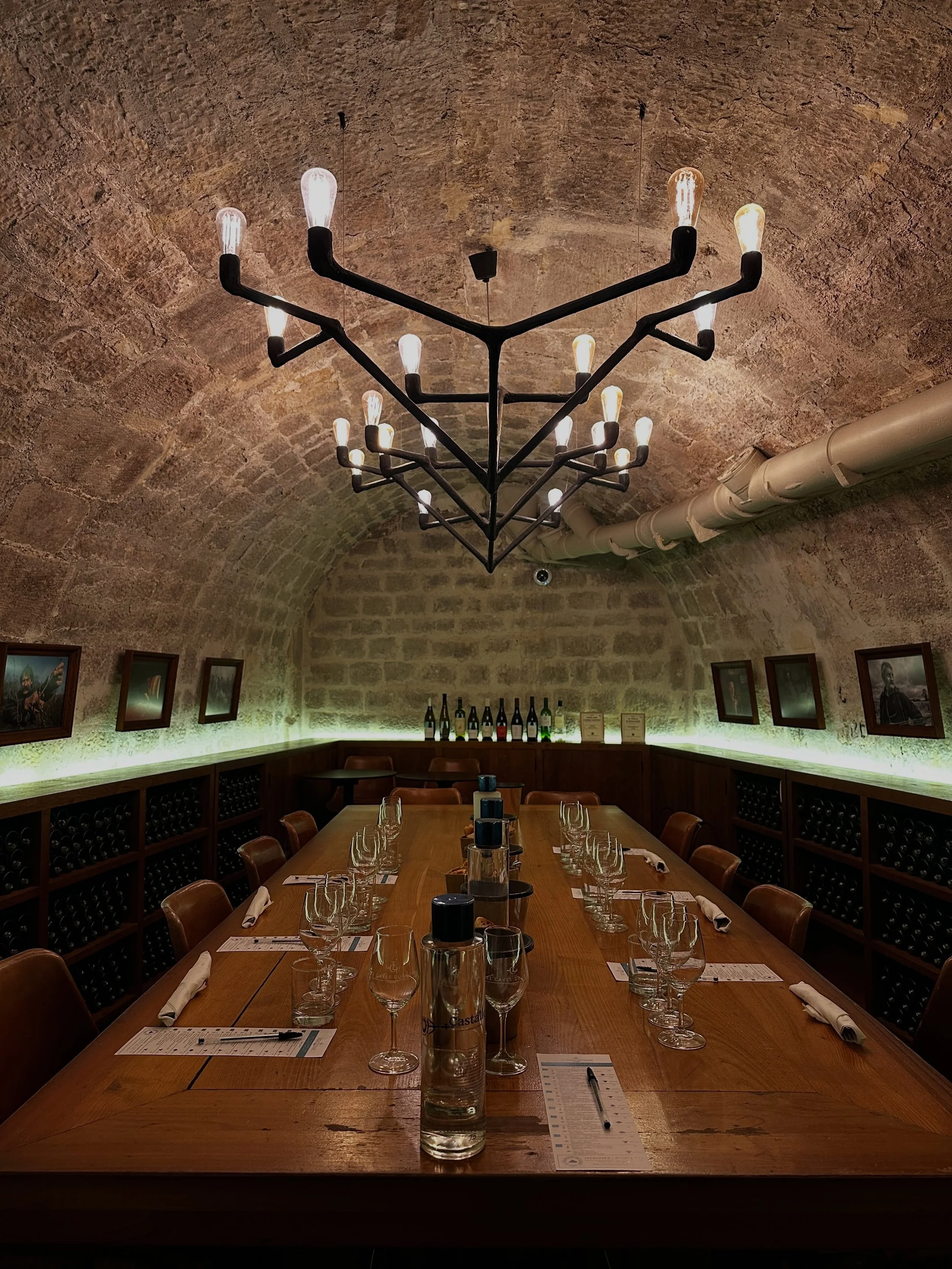
I’ve spent some $$$ on craft cocktails in dimly lit rooms filled with vintage speakers and rare records, yet I’m far from a "vinyl head." In these listening bars, there is a feeling that you need to be an expert just to exist in the space. We usually think of these lounges as being only about the sound, but what if the music is actually secondary to the overall system? This is an exploration of how sound, taste, time, and space work together to shape our mood.
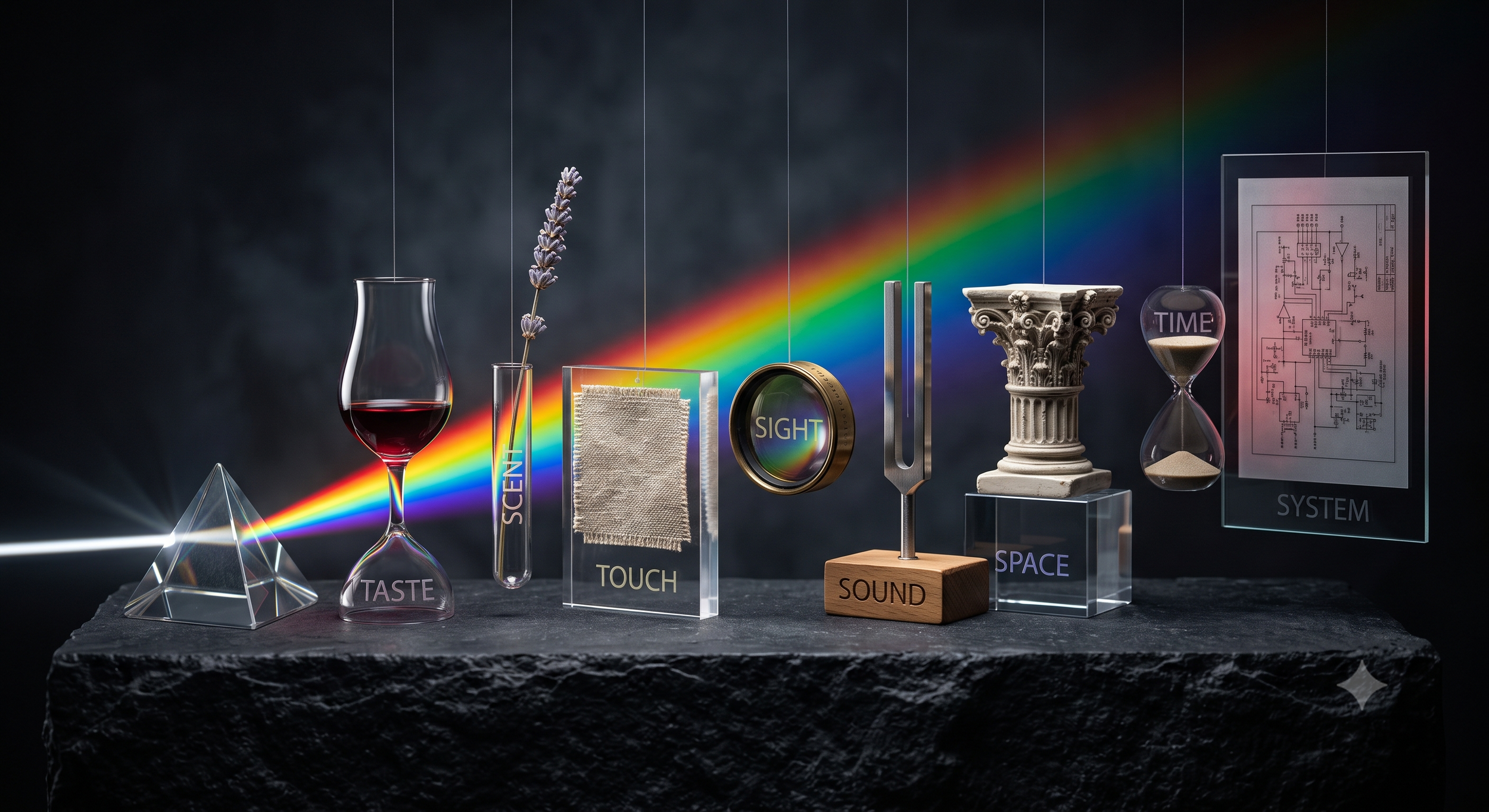
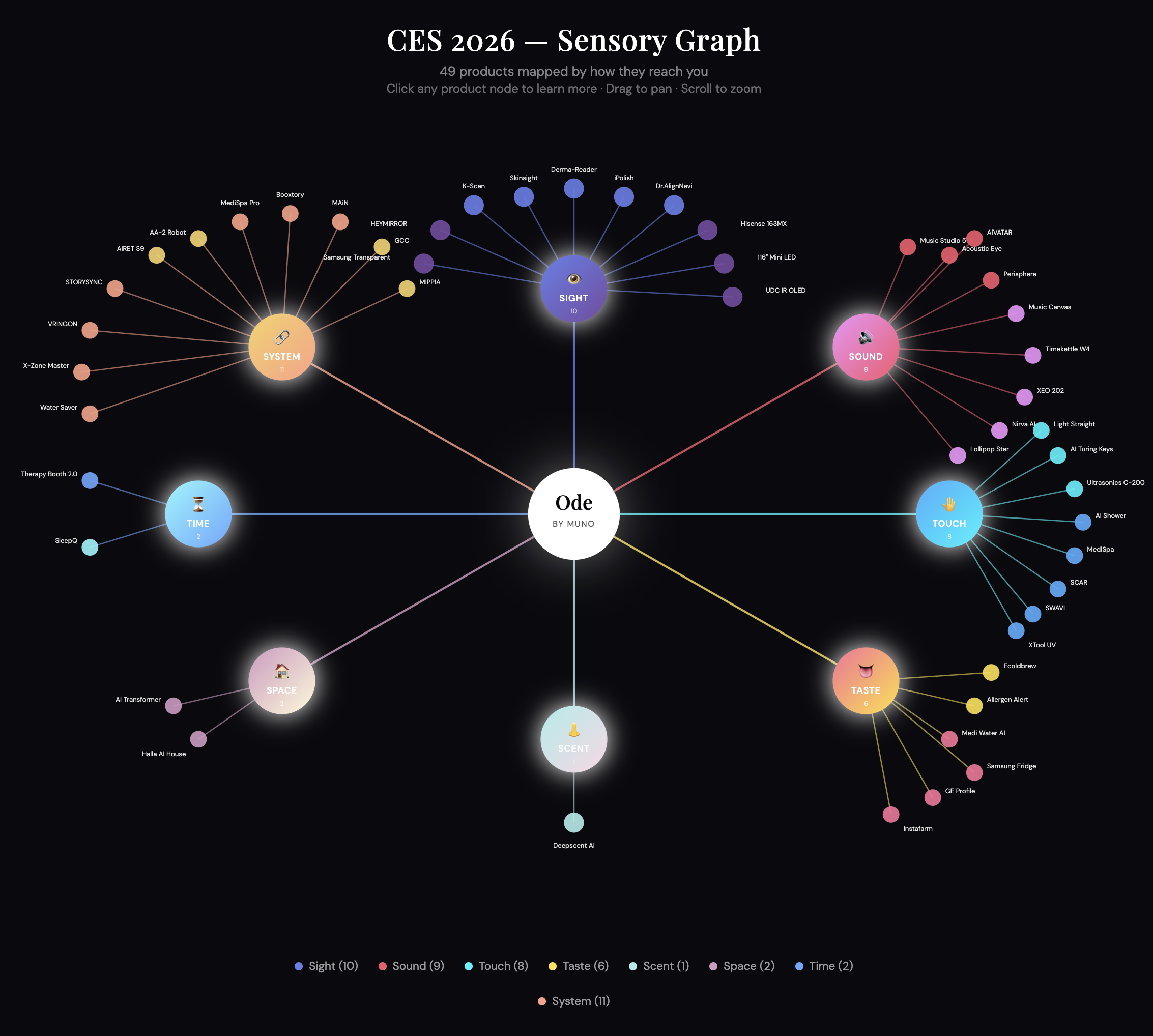
Every January, CES shows us where technology is headed: innovators, media, and decision-makers sharing what they've been building and what they think we'll want next. I looked through 400+ products and organized them across eight perceptual systems: sight, sound, touch, taste, scent, space, time, and system. What stood out was a pattern: these devices aren't just responding to how we live, they're learning how we sense. That shift feels worth noticing.
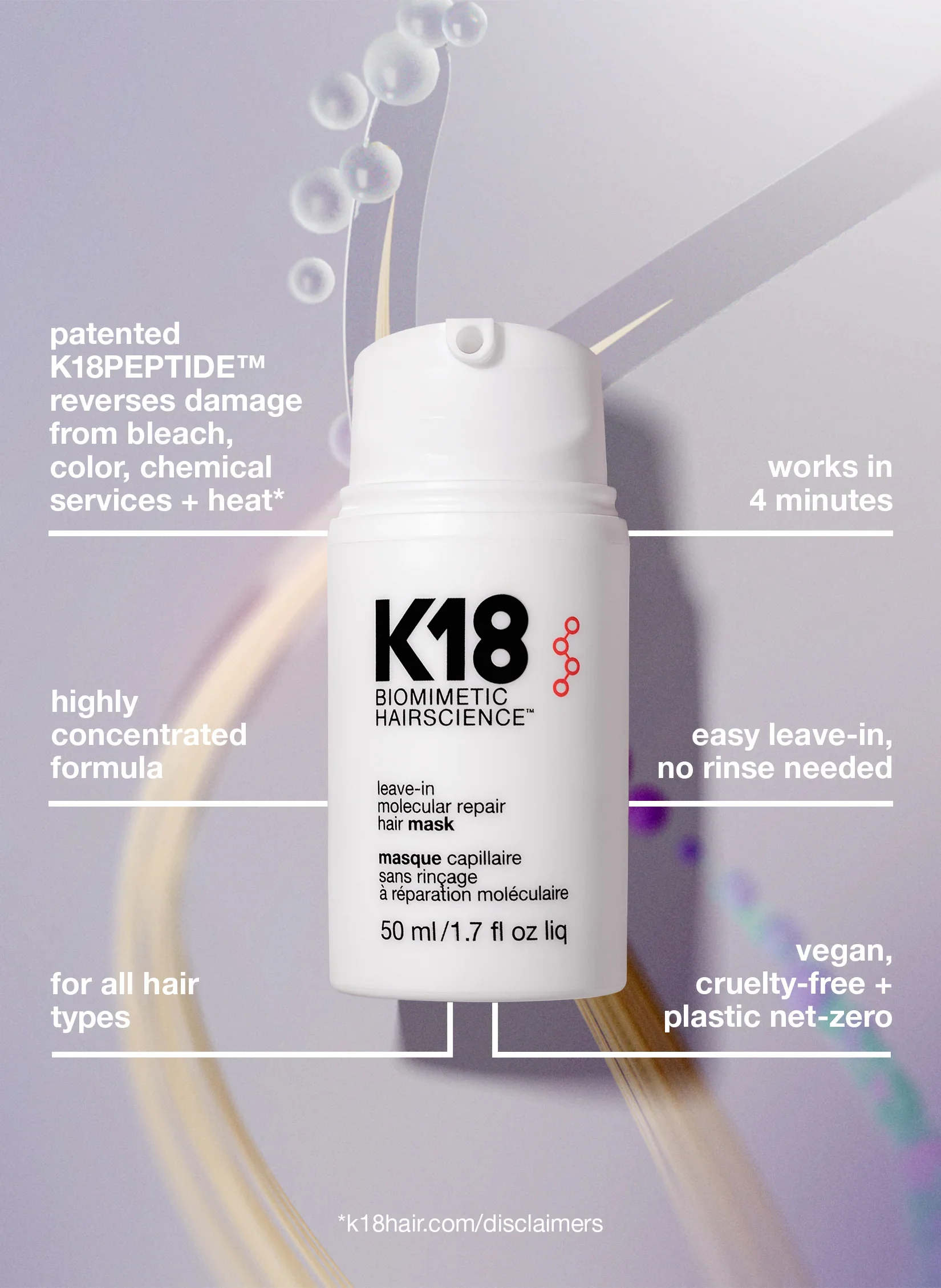
“Wait… this actually works.” Cécred. K18. I know you've watched those kind of videos. And I don’t think that reaction is random. For years, Black hair care leaned on oils and promises. “Skinification” changes that. It means treating the scalp like skin using proven actives, understanding biology, and repairing hair at a molecular level. When products are built this way, results should be guaranteed. This shift toward science-driven formulas truly excites me. Let's talk about all the innovation.
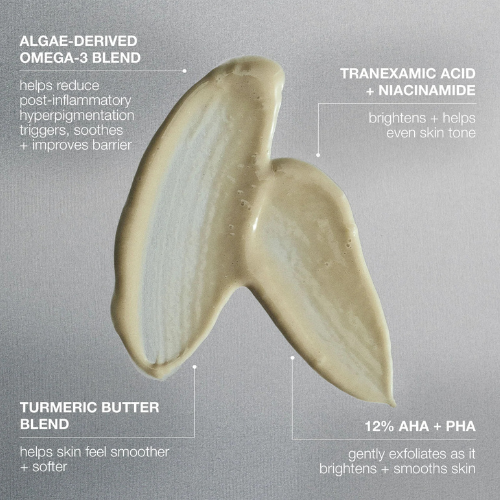
A couple years ago, my skin was going through it; severe acne, hyperpigmentation. I spent months following estheticians online, doing facials, learning what to use for what, trying to decode my own skin. I spent a lot on Dermalogica & some other derm-based $$$ products. My skin cleared. When my routine became maintenance, not prescriptive, I discovered K-beauty. Great ingredients, simple formulations, feels good touch and put on the skin. Quality and cost found equilibrium. (Image from Dermalogica)
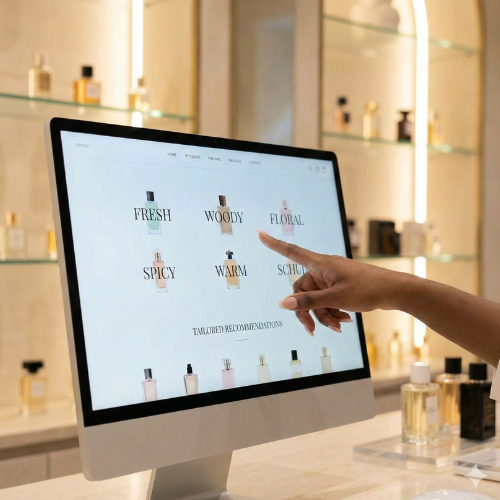
The global perfume market is undergoing a technological revolution. IBM's Philyra has analyzed over two million fragrance formulas. Tom Ford’s 2025 Fragrance of the Year was AI-assisted. From Google → Osmo's neural networks mapping molecular structure to scent, to EEG headsets predicting fragrance preferences, to deep learning models optimizing how perfumes evolve through space and time. This piece explores how advanced technologies are reshaping perfumery while preserving its artistry.
Frameworks
Latest by Sense
TASTE
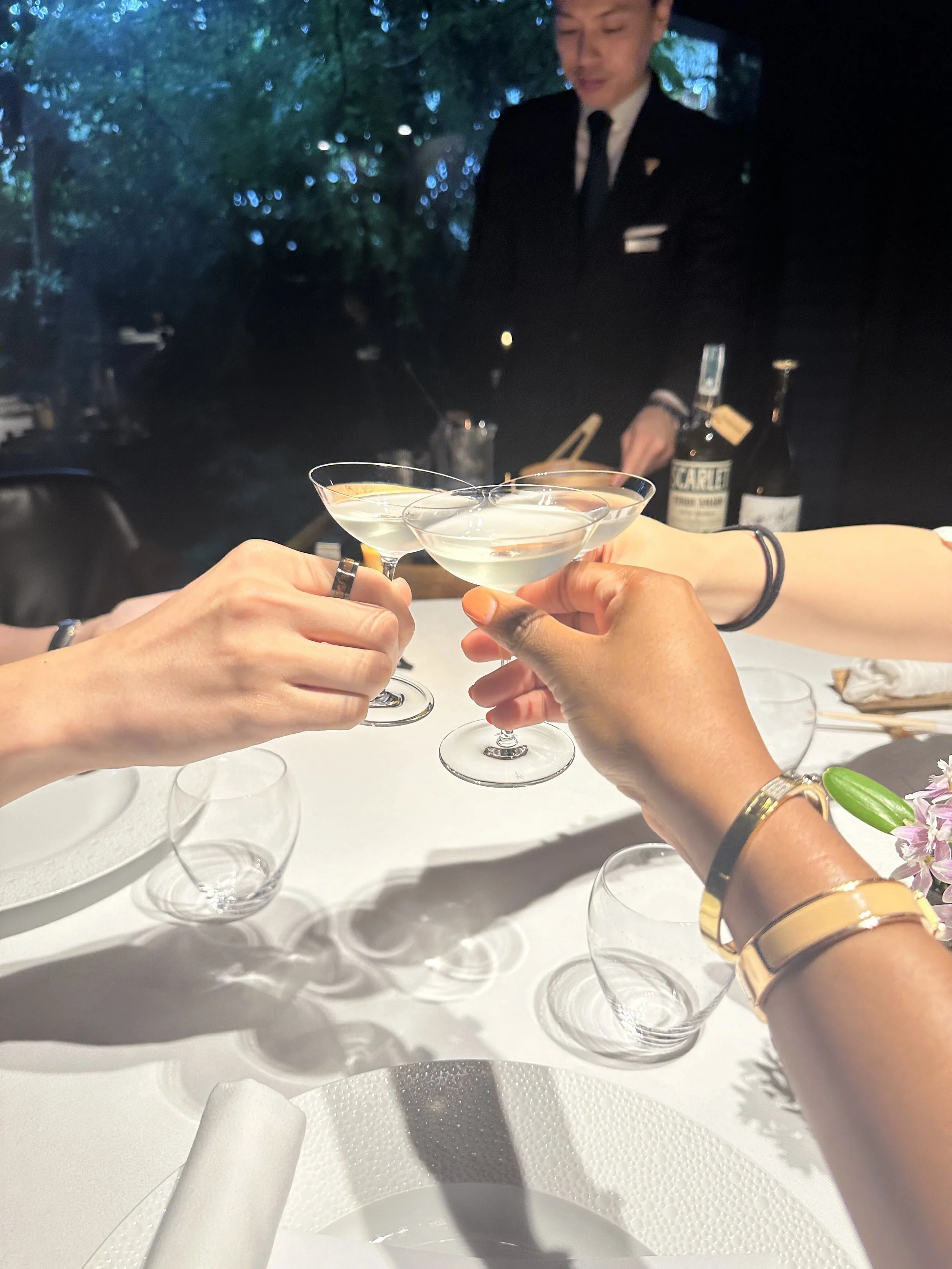
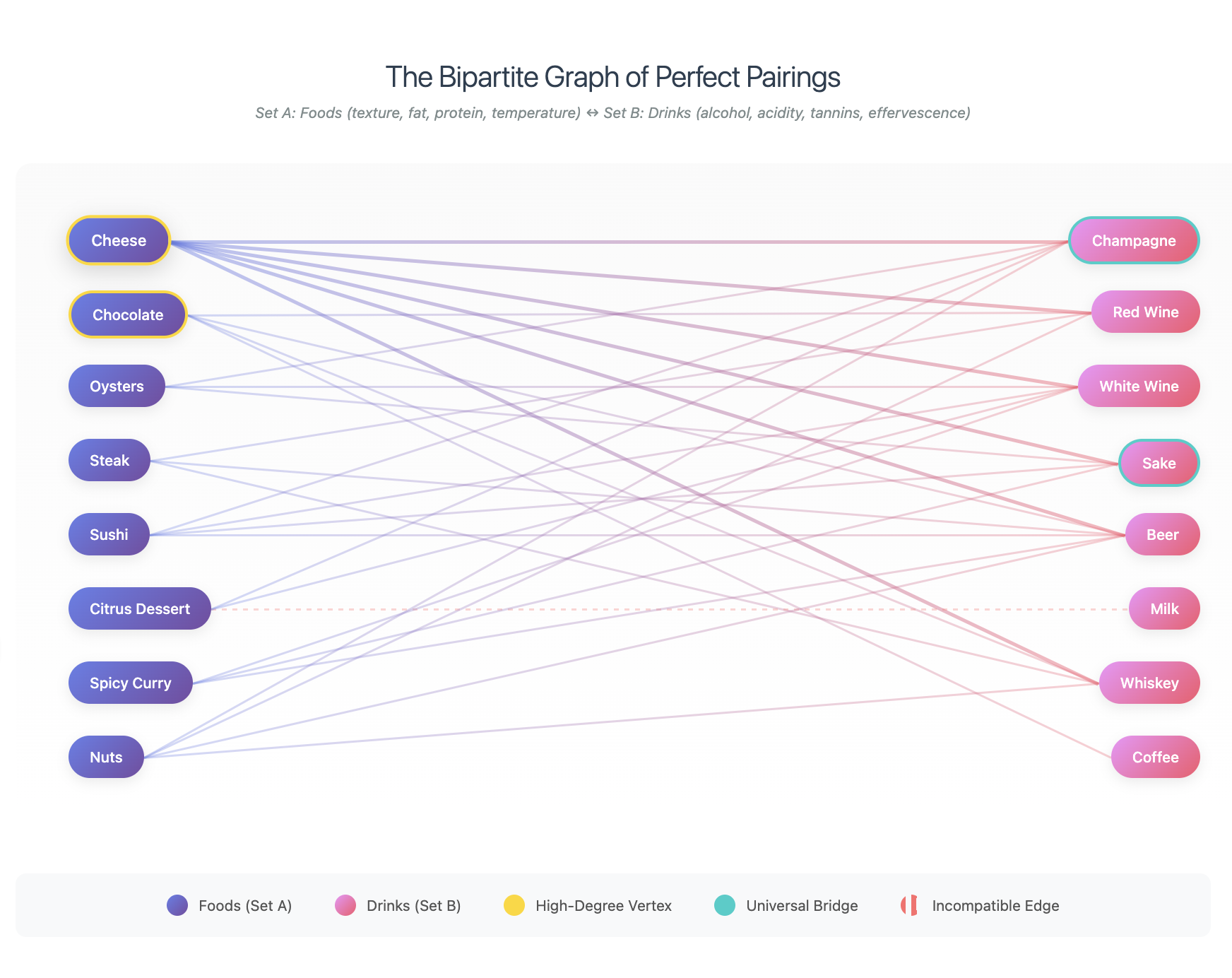
I’ve always found pairings fascinating and exciting. This year I started experimenting more myself, putting together little food-and-drink menus at home. Somewhere in that process, I’ve been building a mental graph. Set A: foods. Set B: drinks. The “edges” are whatever actually works: harmony, contrast, surprise. I used to think pairing was mostly rules but now it feels like learning which nodes in your taste map want to connect, and why.
TOUCH
“Wait… this actually works.” Cécred. K18. I know you've watched those kind of videos. And I don’t think that reaction is random. For years, Black hair care leaned on oils and promises. “Skinification” changes that. It means treating the scalp like skin using proven actives, understanding biology, and repairing hair at a molecular level. When products are built this way, results should be guaranteed. This shift toward science-driven formulas truly excites me. Let's talk about all the innovation.
SOUND
I’ve spent some $$$ on craft cocktails in dimly lit rooms filled with vintage speakers and rare records, yet I’m far from a "vinyl head." In these listening bars, there is a feeling that you need to be an expert just to exist in the space. We usually think of these lounges as being only about the sound, but what if the music is actually secondary to the overall system? This is an exploration of how sound, taste, time, and space work together to shape our mood.
TIME
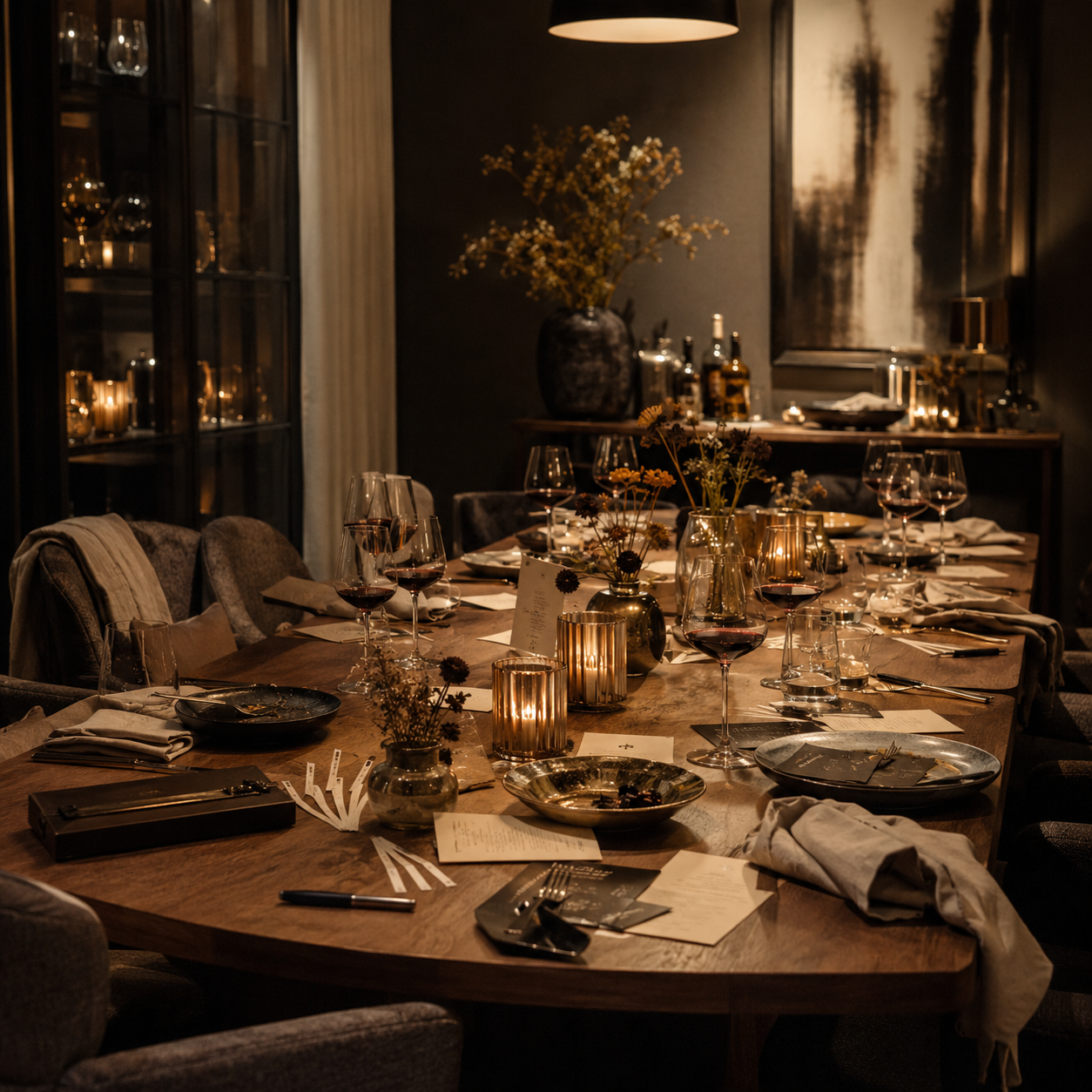
Dining in 2026 is all about the experience. I gathered data from top industry reports (OpenTable, EHL, AF&CO. + Carbonate, dsm-firmenich, and more) to break down what's actually happening. Experiential dining is up 46%. People are paying for the story, the interaction, the memory. Flights of everything, one-hit-wonder restaurants, prix-fixe menus; people want to sample & explore. And discovery is shifting: Reddit is now the #2 site by search traffic, & 44% of people plan to use AI for restaurant discovery. Here's everything you need to know about where dining is headed next year.
SCENT
The global perfume market is undergoing a technological revolution. IBM's Philyra has analyzed over two million fragrance formulas. Tom Ford’s 2025 Fragrance of the Year was AI-assisted. From Google → Osmo's neural networks mapping molecular structure to scent, to EEG headsets predicting fragrance preferences, to deep learning models optimizing how perfumes evolve through space and time. This piece explores how advanced technologies are reshaping perfumery while preserving its artistry.
SIGHT
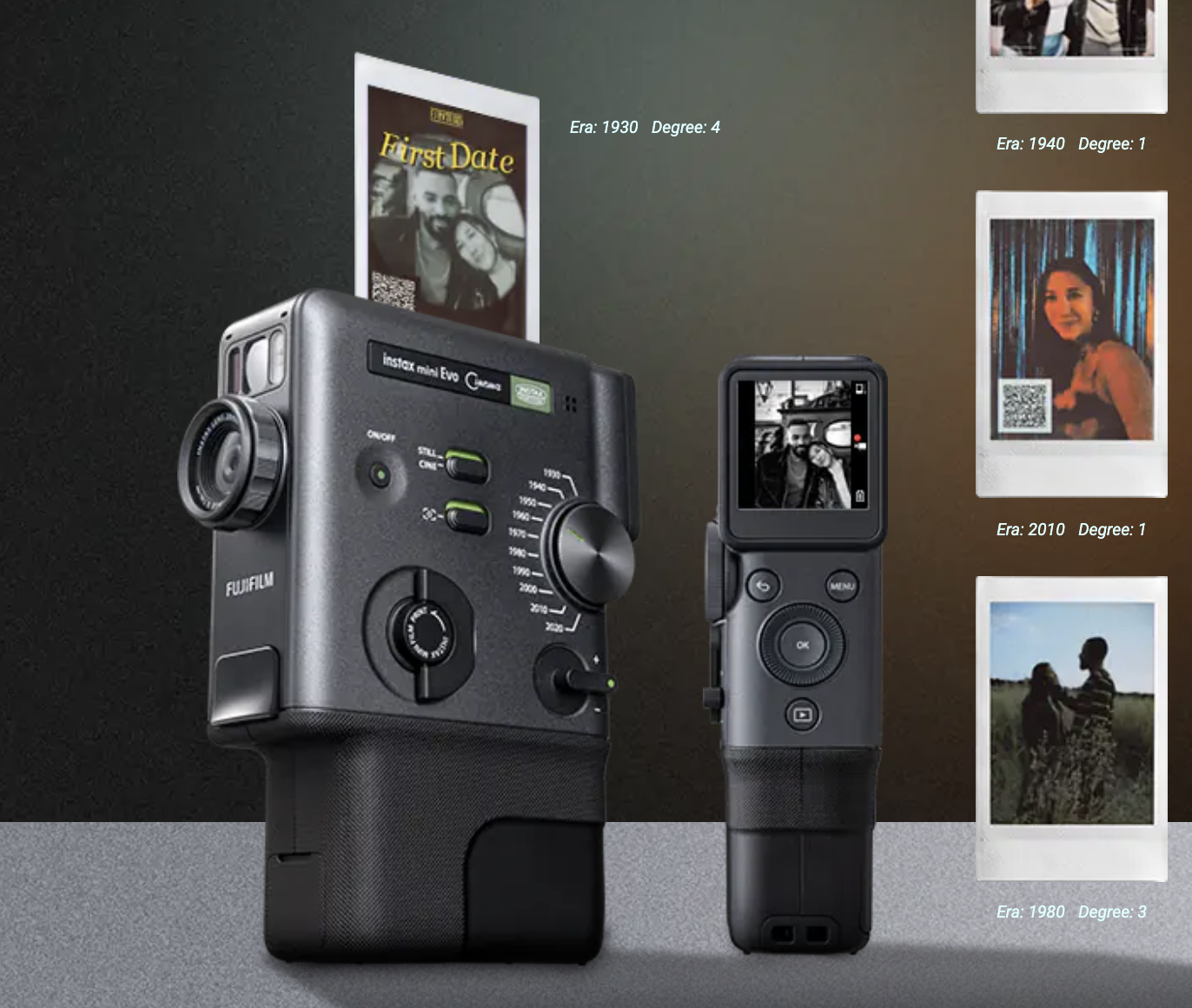
This piece started as a question I kept circling back to: is nostalgia really about memory, or is it about how things looked? Before you remember what was happening, you remember how it looked. A good example to reflect on this is with technology. The more I paid attention to it (old cameras, colorful computers, foldable phones) the more it felt like sight comes first. We don’t just remember what things did, we remember the glow, the grain, the way a device moved or sat in a room. This is me thinking out loud about why visual design keeps returning, and what that says about how we remember, choose, and feel around technology now.
SPACE
I was wondering, if the “Imagine if…” spaces ever became real, where would they appear first? Probably in the cities that already have the tech, density, and money to support them. And that’s the real point, just like some places have bad physical UX, some have bad digital UX. The new digital divide is about AI: where you live now shapes what tools you can use, what jobs you can access, and whether you can compete at all. There are a handful of “hotspots,” creating pressure on community, relationships, and affordability. This shift affects where we live, which properties hold value, and how invisible digital systems are quietly shaping opportunity.
SYSTEM
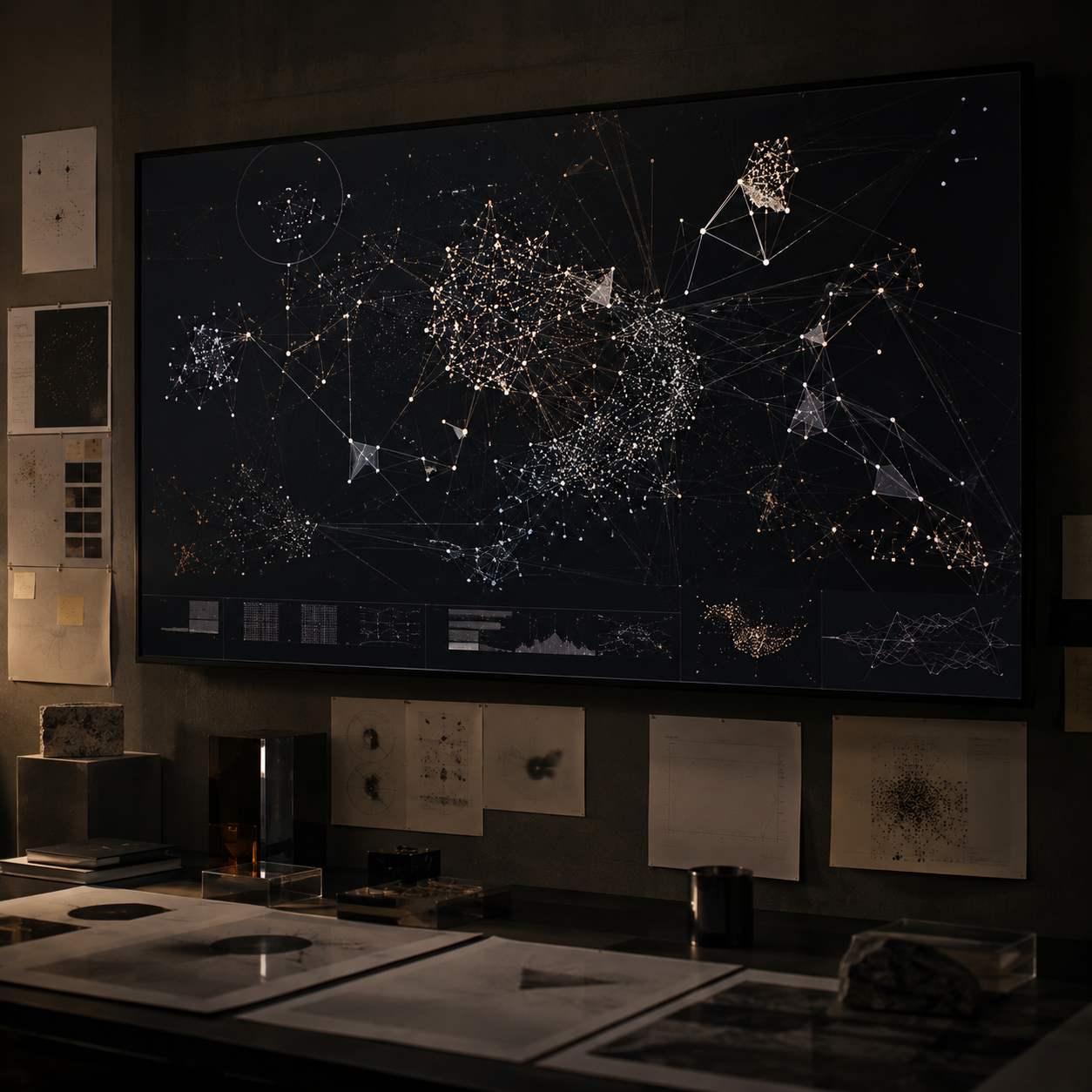
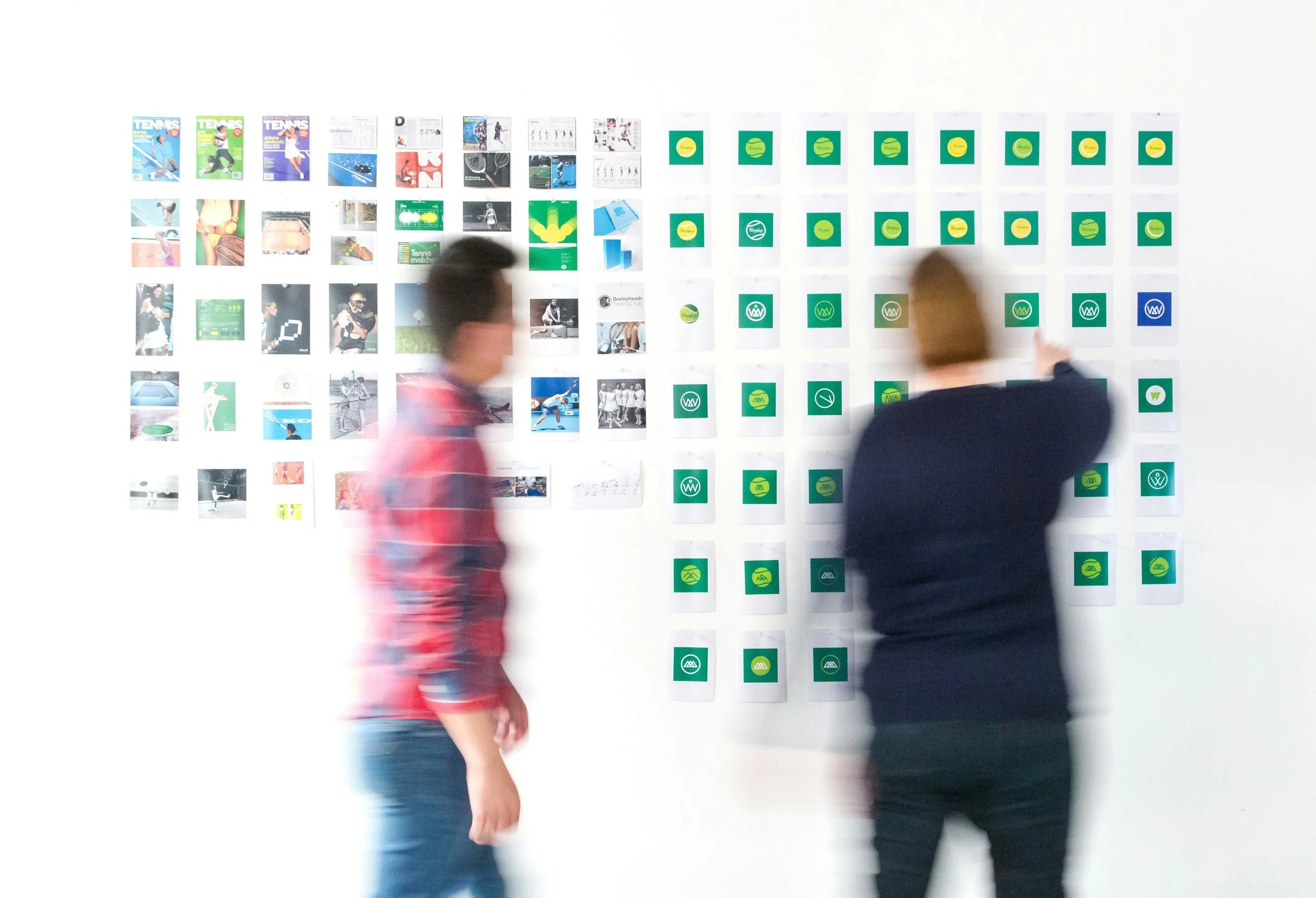
I was updating my map of the AI ecosystem when a pattern emerged: most people talk about AI as if it's invisible software. It is a stack of dependencies, from rare earth minerals to power grids and massive data centers. Industries that never had to think about each other are now completely interconnected. The "invisible" physical systems that power our digital world are becoming visible, not to just a few.
The Ode Ecosystem
-
ODE EDITORIAL
Weekly essays and frameworks exploring the 8 senses. 25+ essays published. Frameworks & data analysis. Case studies.
-
ODE EXPERIENCES
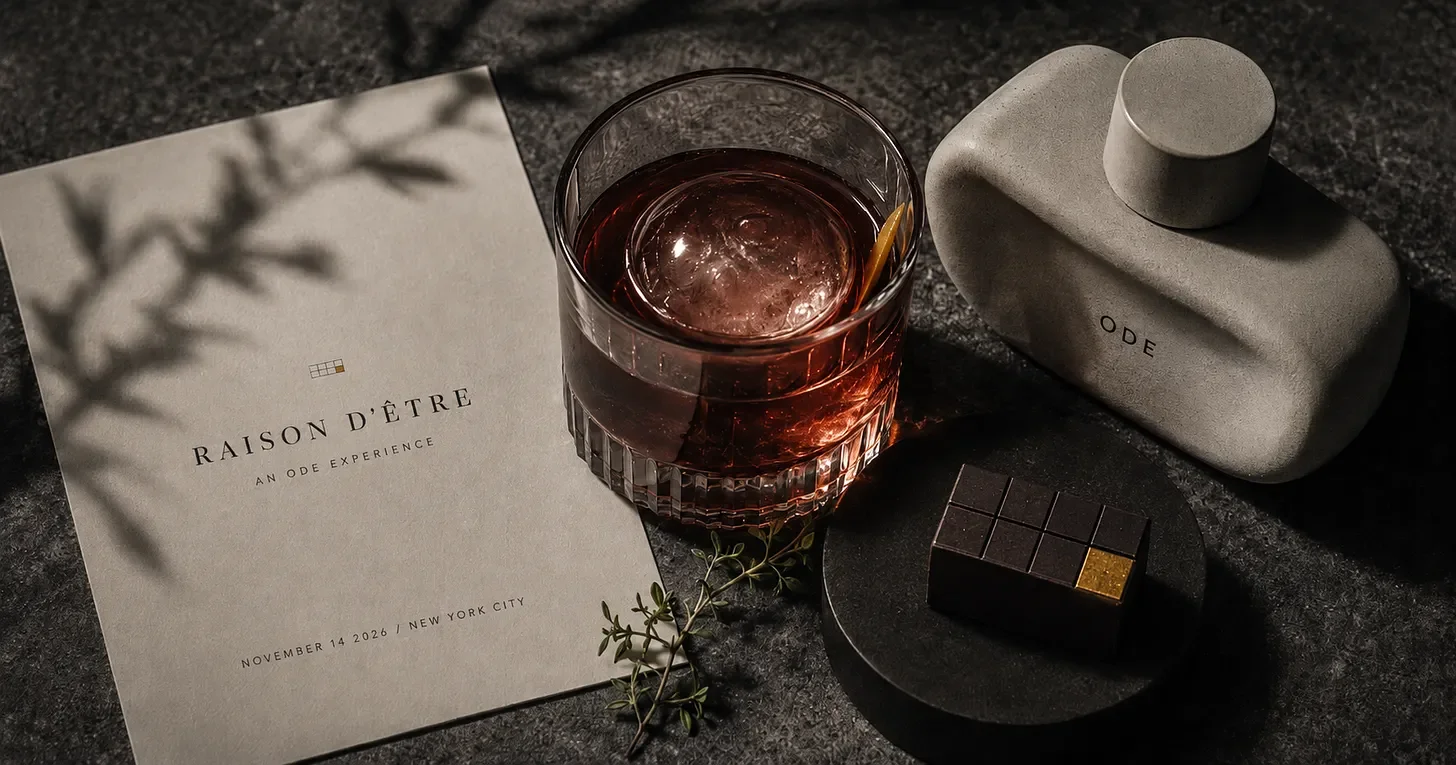
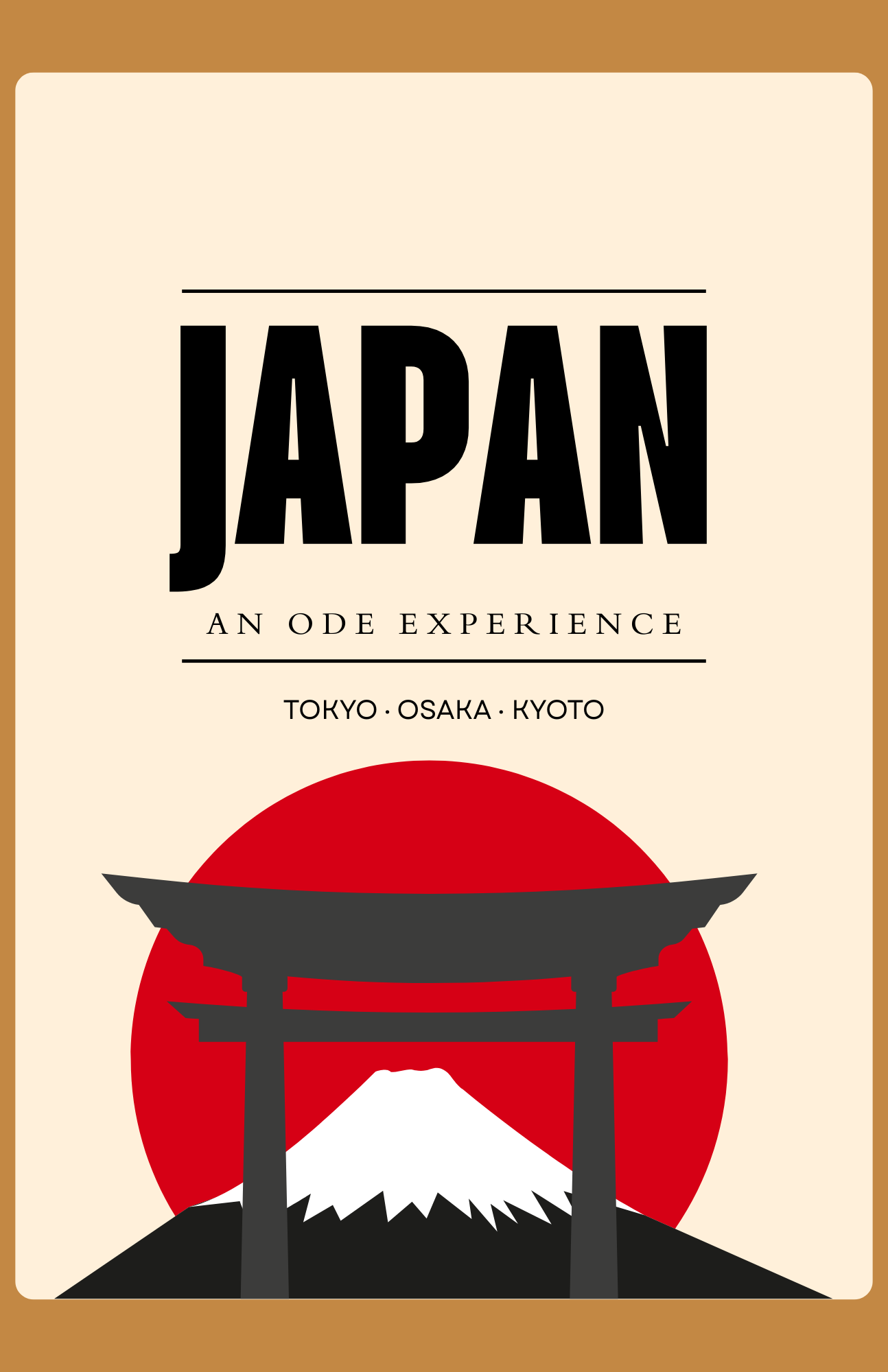
Immersive events where theory becomes tangible experience. Tasting dinners, fragrance workshops, spatial explorations, and more.
-
ODE LABS
Tools for systematic sensory exploration and literacy. For personalized learning and discovery. Framework PDFs. Interactive resources.
The Editorial Archives
-
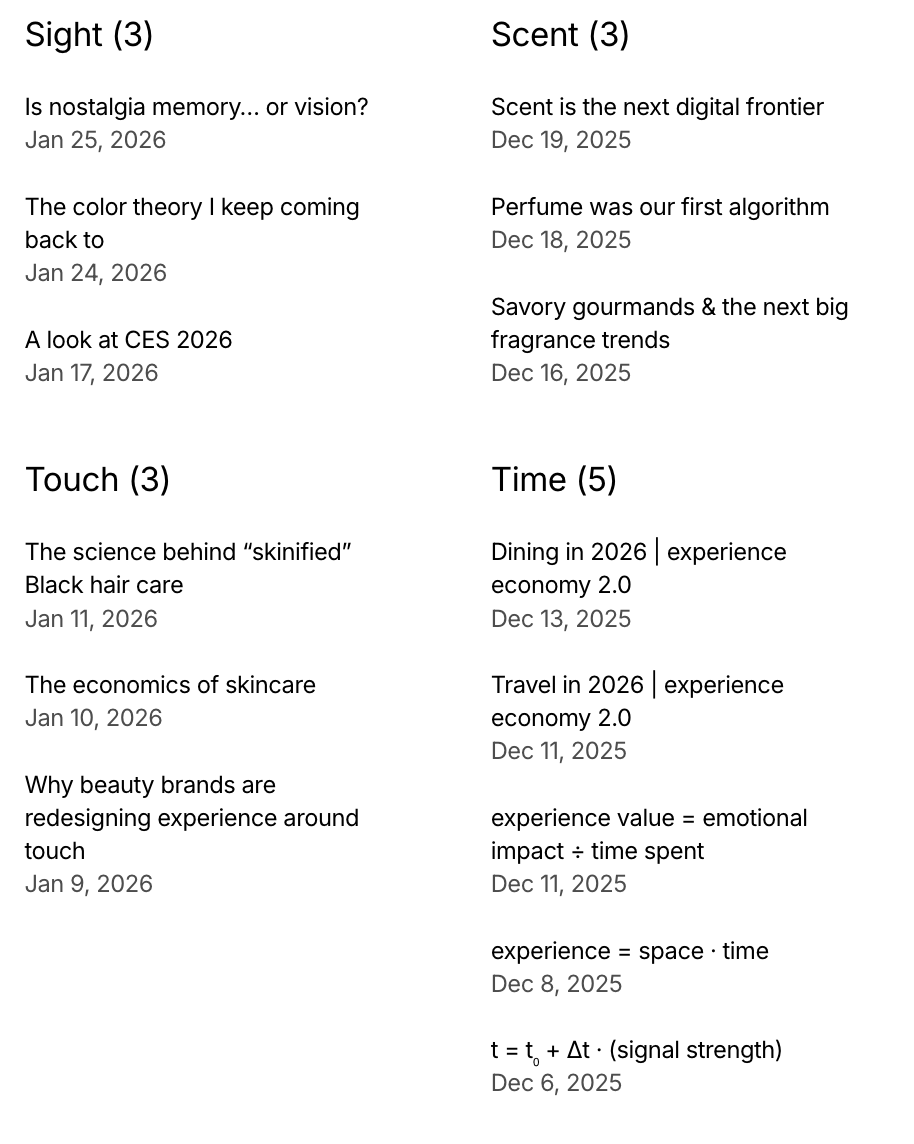
BY SENSE
Organized through the 8 perceptual systems that define Ode’s framework.
-
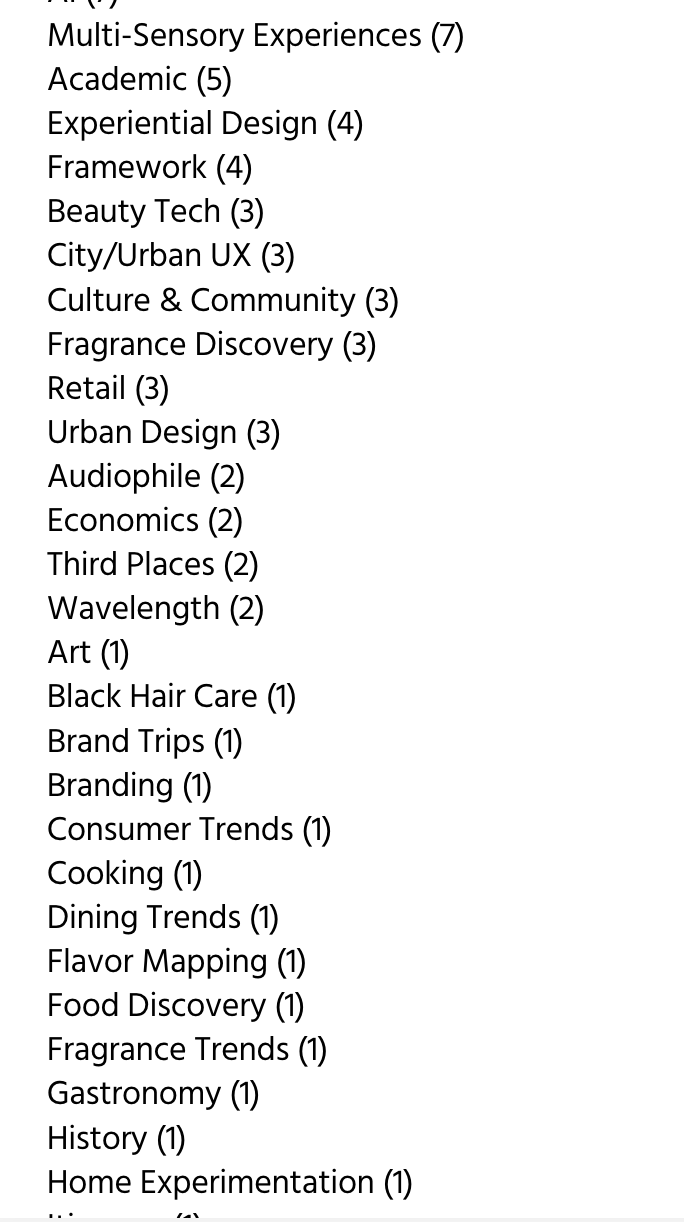
BY TOPIC
Browse by specific subject areas and emerging themes across essays
-
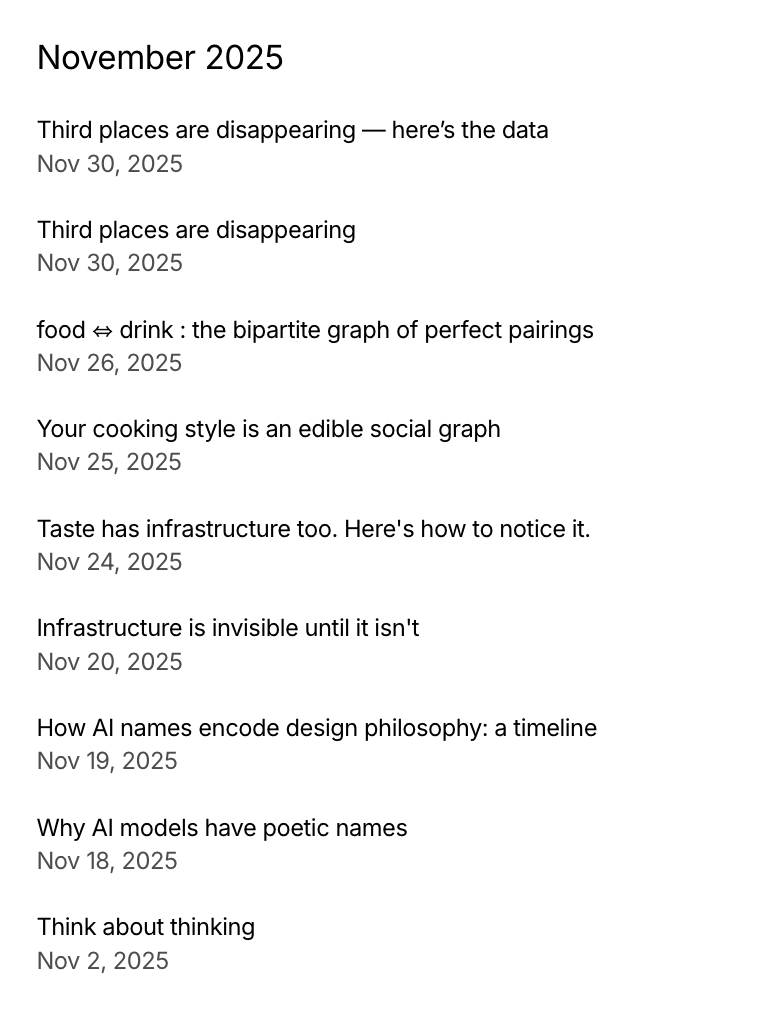
BY DATE
Chronological archive of all essays.


I’ve spent some $$$ on craft cocktails in dimly lit rooms filled with vintage speakers and rare records, yet I’m far from a "vinyl head." In these listening bars, there is a feeling that you need to be an expert just to exist in the space. We usually think of these lounges as being only about the sound, but what if the music is actually secondary to the overall system? This is an exploration of how sound, taste, time, and space work together to shape our mood.