
The science behind “skinified” Black hair care
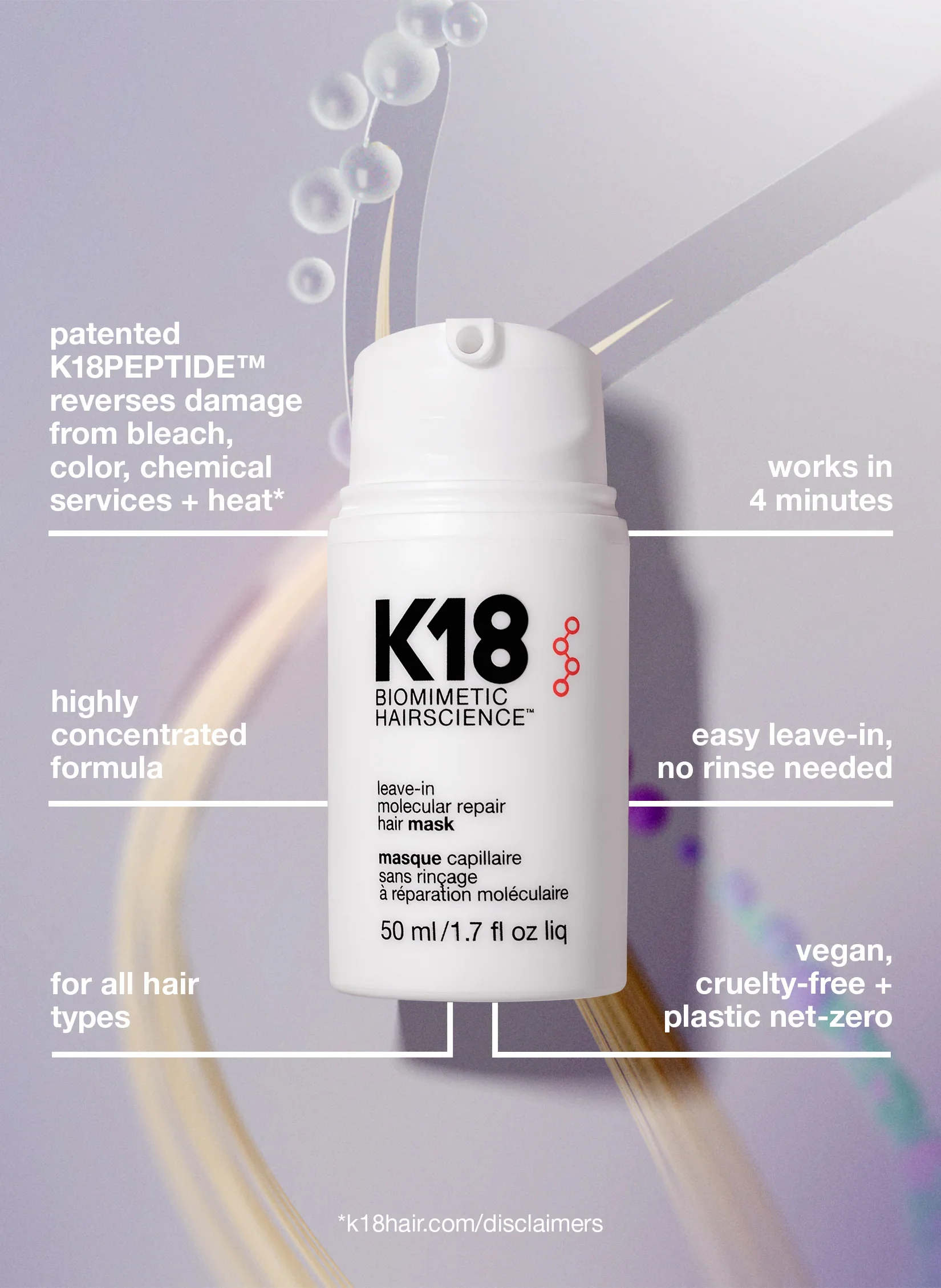
“Wait… this actually works.” Cécred. K18. I know you've watched those kind of videos. And I don’t think that reaction is random. For years, Black hair care leaned on oils and promises. “Skinification” changes that. It means treating the scalp like skin using proven actives, understanding biology, and repairing hair at a molecular level. When products are built this way, results should be guaranteed. This shift toward science-driven formulas truly excites me. Let's talk about all the innovation.
The economics of skincare
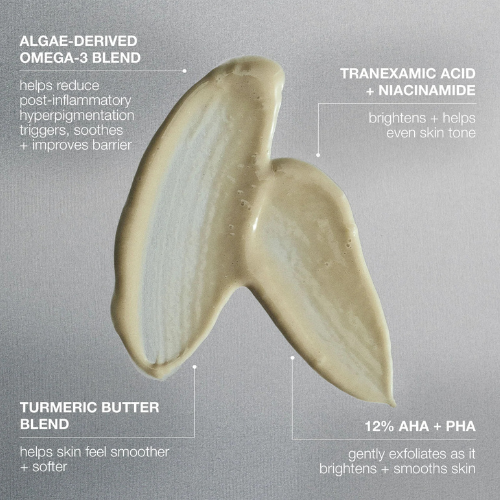
A couple years ago, my skin was going through it; severe acne, hyperpigmentation. I spent months following estheticians online, doing facials, learning what to use for what, trying to decode my own skin. I spent a lot on Dermalogica & some other derm-based $$$ products. My skin cleared. When my routine became maintenance, not prescriptive, I discovered K-beauty. Great ingredients, simple formulations, feels good touch and put on the skin. Quality and cost found equilibrium. (Image from Dermalogica)
Why beauty brands are redesigning experience around touch
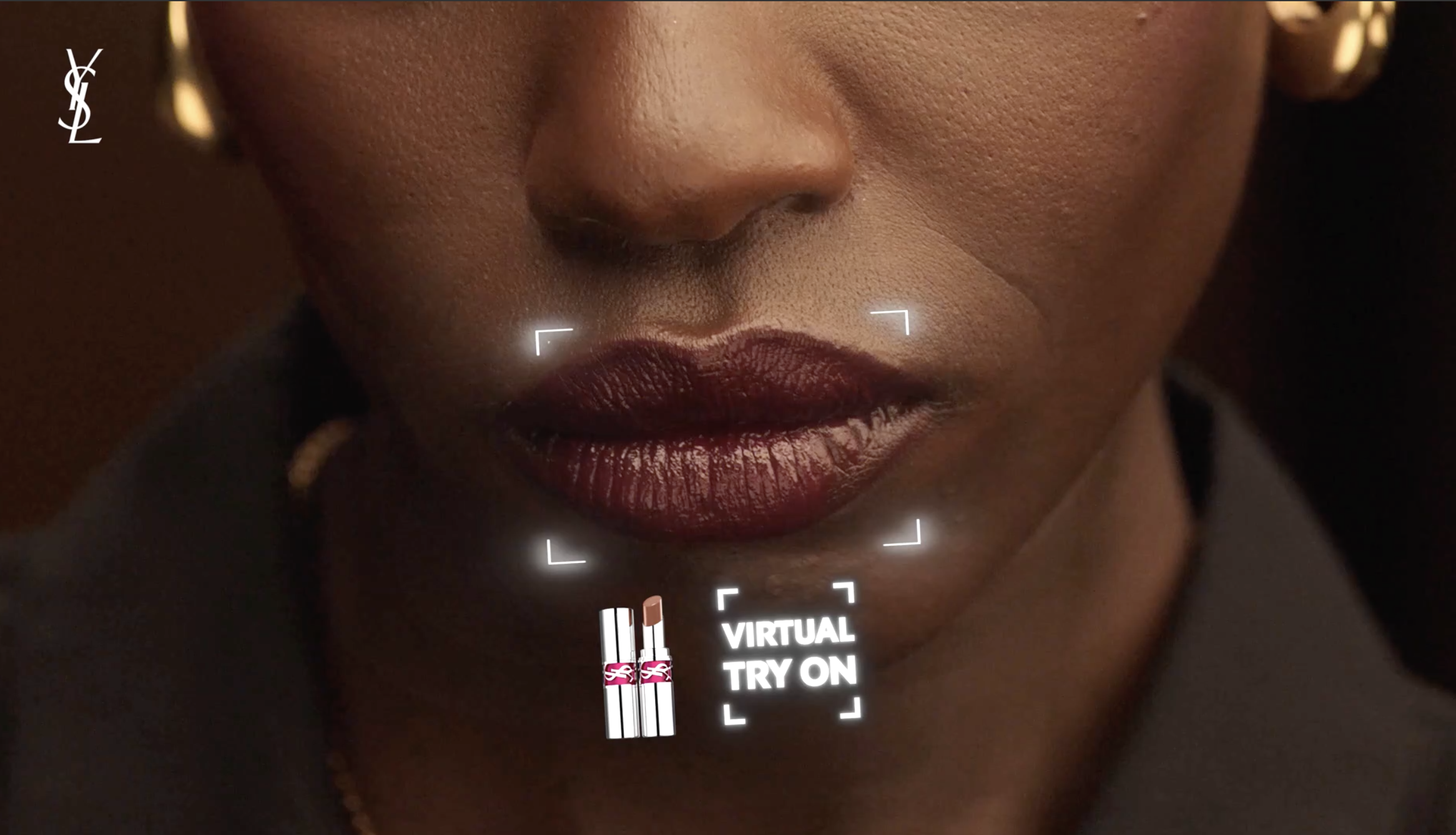
Beauty was never meant to be discovered through a screen alone. It’s tactile. When beauty education majorly moved online, touch disappeared and was replaced by comparison and fatigue. Brands are rebuilding experience through stores and events, while creators gain access through PR and trips. The luxury isn’t the product anymore, it’s being chosen to experience the creation story.