
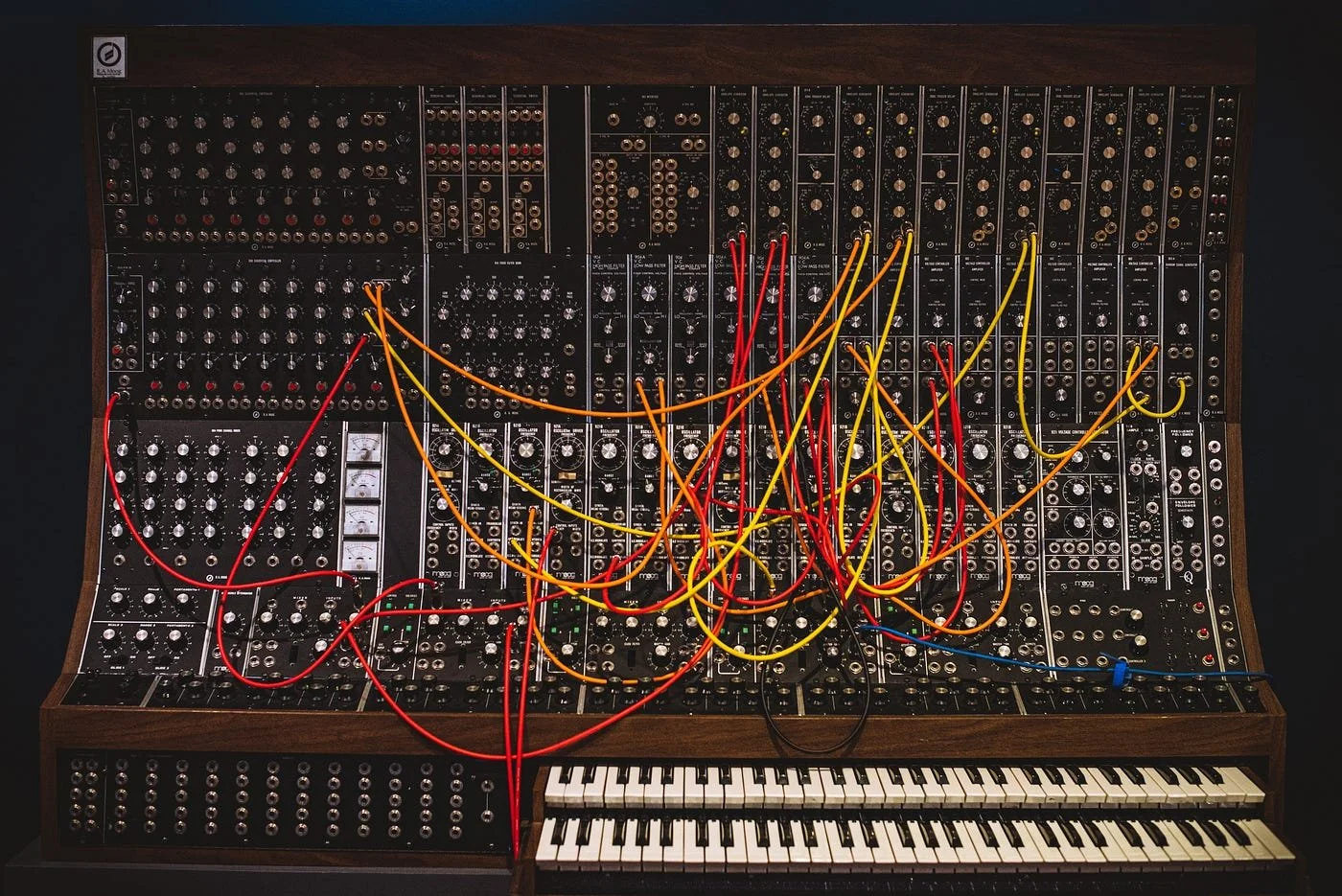
Sound8: A framework for multisensory experiences
What if you walked into a space where sound moved the air, the air carried scent, the scent shifted with the music, the music created visible patterns, and your own movement fed back into the system? Not metaphorically. Literally. For decades, we’ve treated "multisensory" design as a collection of separate checkboxes: a nice scent here, a cool light there, a playlist in the background. Sound8 argues for the collapse of those boundaries, and exemplifies a core philosophy of Ode.

Sound, taste, time, or space: which comes first in a listening room?
I’ve spent some $$$ on craft cocktails in dimly lit rooms filled with vintage speakers and rare records, yet I’m far from a "vinyl head." In these listening bars, there is a feeling that you need to be an expert just to exist in the space. We usually think of these lounges as being only about the sound, but what if the music is actually secondary to the overall system? This is an exploration of how sound, taste, time, and space work together to shape our mood.
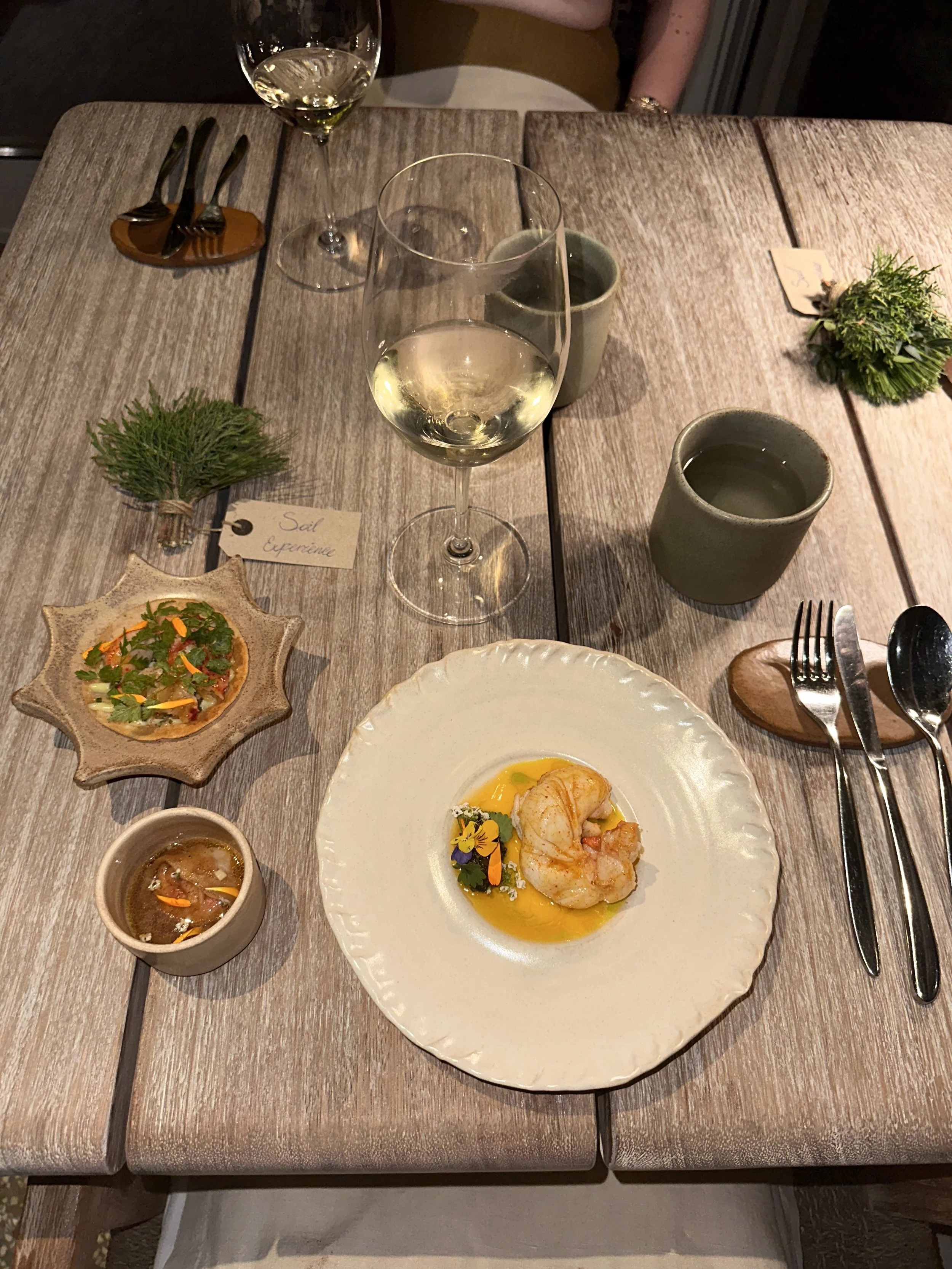
experience value = emotional impact ÷ time spent
Something fundamental has shifted in how consumers measure value. It's no longer about what you buy, it's about what you feel. Across industries from fragrance to hospitality, from fine dining to beauty retail, I derived that experience value equals emotional impact divided by time spent. Welcome to the Experience Economy 2.0, where brands across sectors are shifting from products and services to holistic sensory experiences that engage emotions, memories, and multiple senses simultaneously.
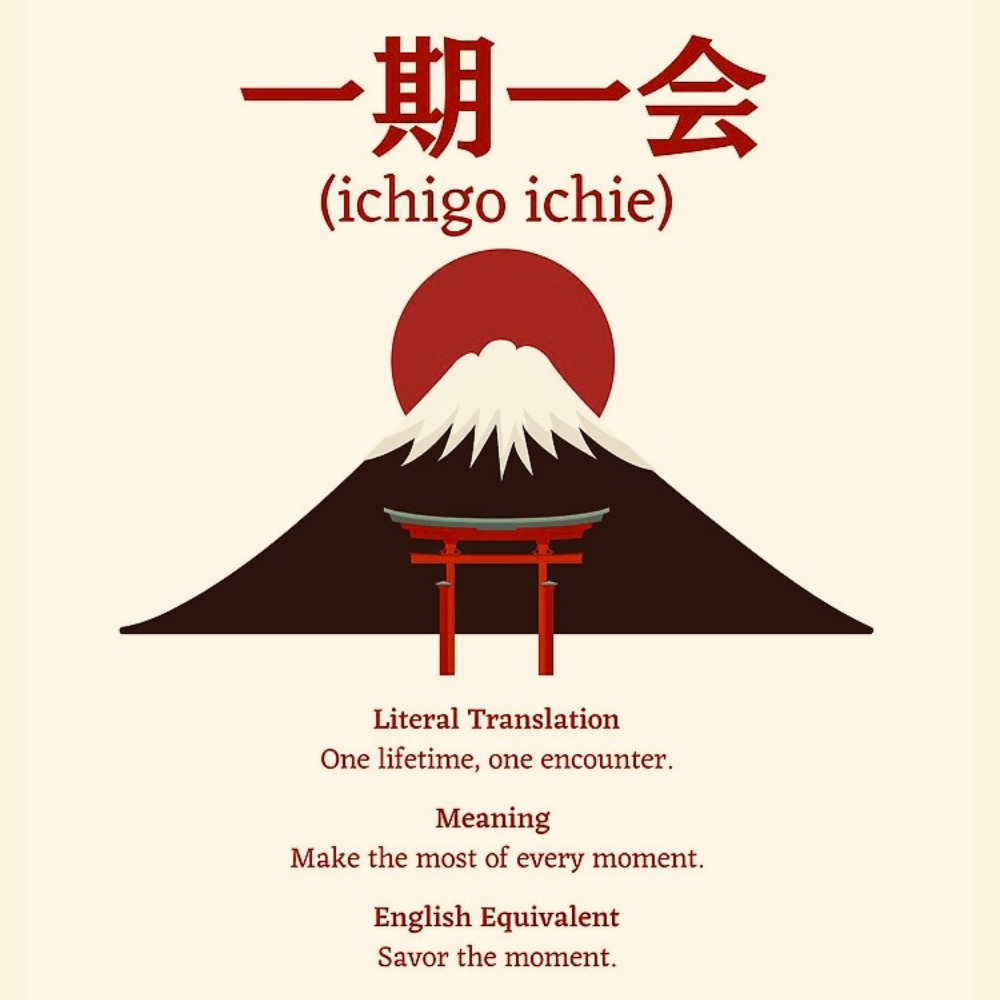
experience = space · time
In my last post, I wrote about how how brands now design for how we spend time with them, not just what we buy. The attention/creator economy has turned time into a sense of its own: something you feel, allocate, and remember. So in this post, I’m introducing the Ode Experience, a way of planning around time as a sense. And I’ll use Japan, a trip I planned with two friends, to show how this plays out. The experiences that stay with us are the ones where time is intentionally shaped & the Ode Experience is simply time well spent.