
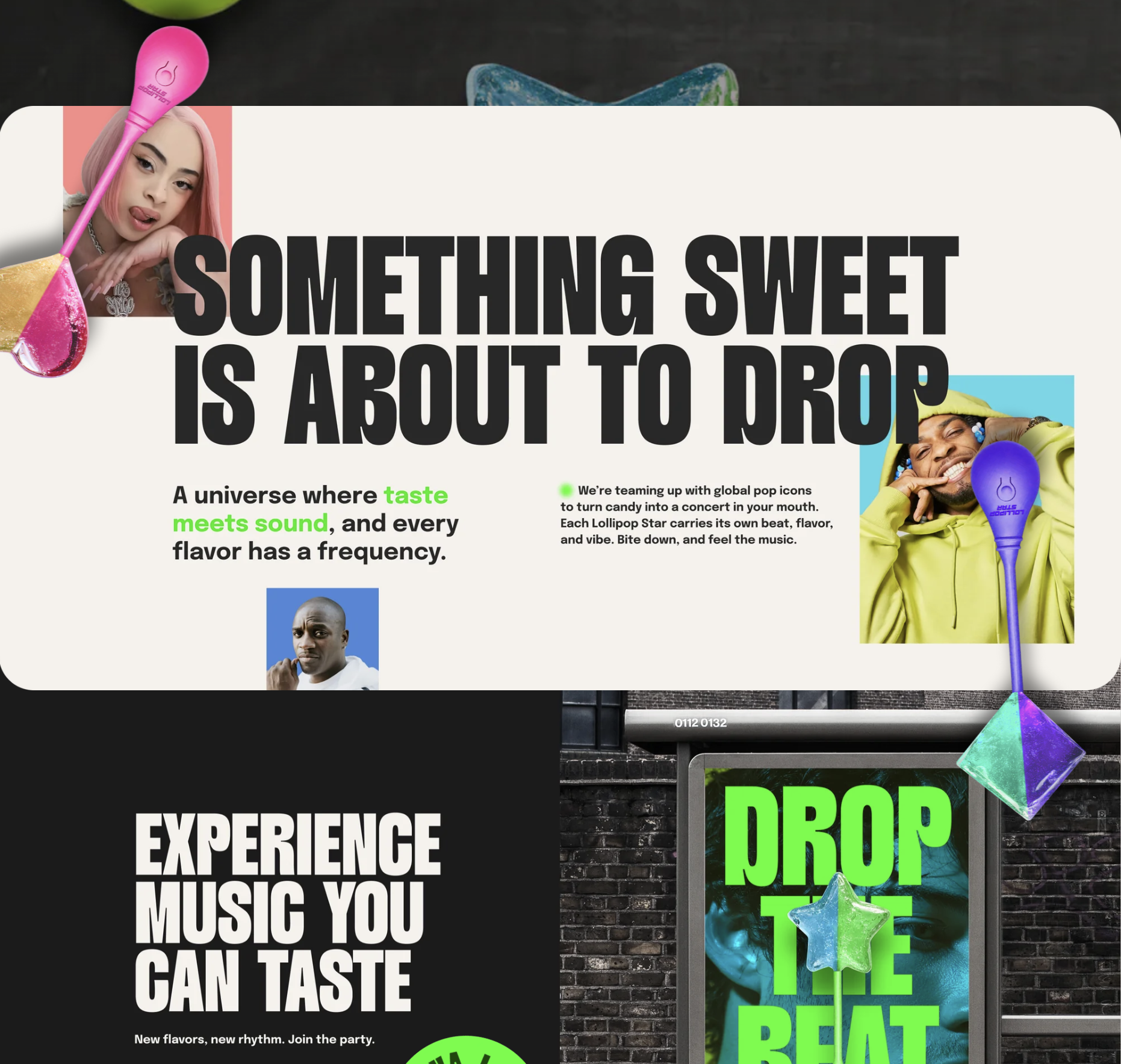
How does sound taste?
We tend to think of taste as a closed-loop system between the mouth and the nose, but the physiological reality is far more "wired." There’s a new frontier of sensory design. We are seeing the collapse of the wall between what we hear and what we consume. Products like the Lollipop Star are turning candy into a hardware device, using bone-conduction to play music through your teeth while you taste the flavor.
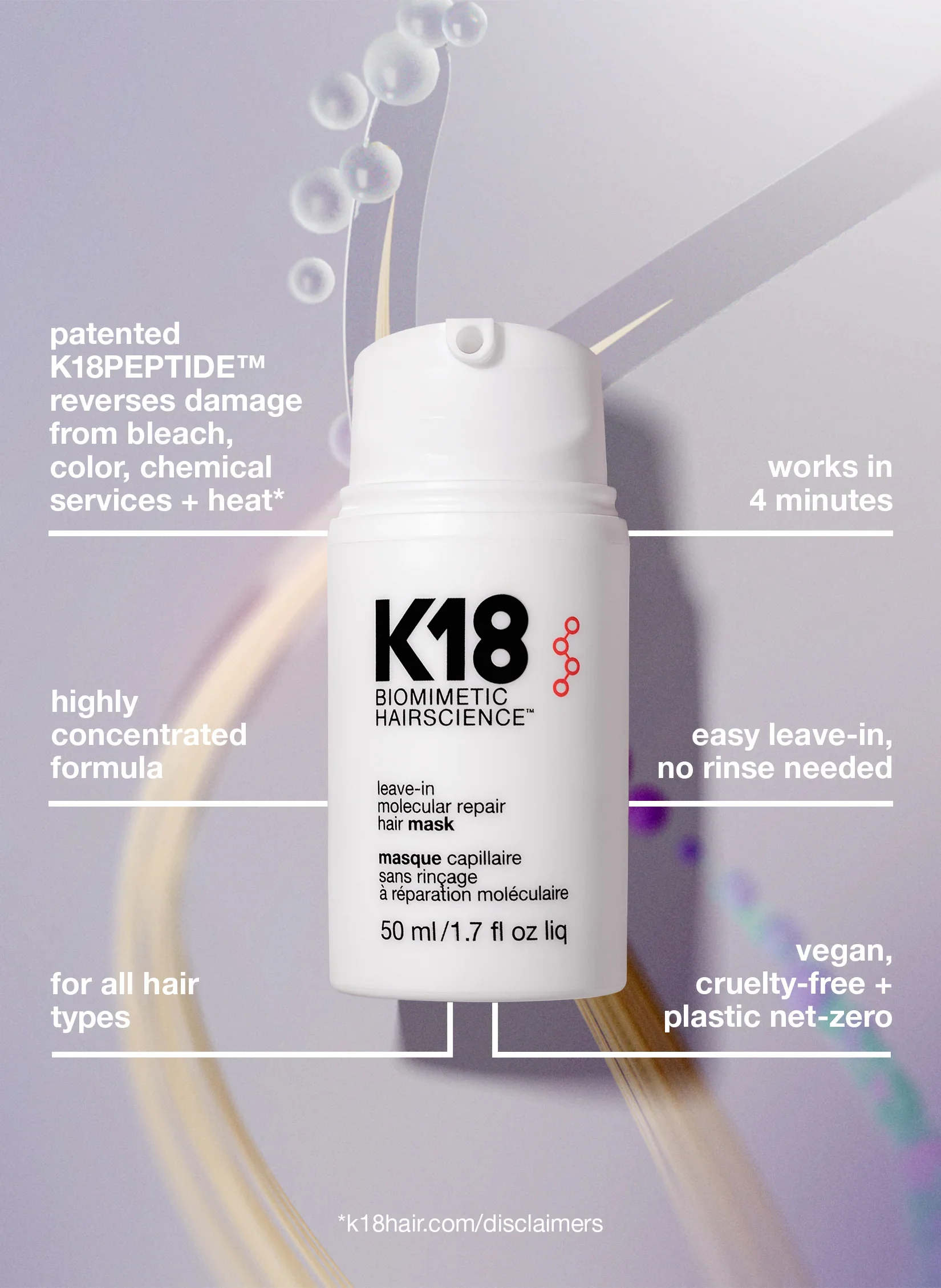
The science behind “skinified” Black hair care
“Wait… this actually works.” Cécred. K18. I know you've watched those kind of videos. And I don’t think that reaction is random. For years, Black hair care leaned on oils and promises. “Skinification” changes that. It means treating the scalp like skin using proven actives, understanding biology, and repairing hair at a molecular level. When products are built this way, results should be guaranteed. This shift toward science-driven formulas truly excites me. Let's talk about all the innovation.

Scent is the next digital frontier
The global perfume market is undergoing a technological revolution. IBM's Philyra has analyzed over two million fragrance formulas. Tom Ford’s 2025 Fragrance of the Year was AI-assisted. From Google → Osmo's neural networks mapping molecular structure to scent, to EEG headsets predicting fragrance preferences, to deep learning models optimizing how perfumes evolve through space and time. This piece explores how advanced technologies are reshaping perfumery while preserving its artistry.

How AI names encode design philosophy: a timeline
From AlphaZero's blank slate to Superhuman's rebrand from Grammarly, 20 systems across 8 years reveal how AI naming evolved from functional to philosophical. Transformer announced a paradigm shift in 2017. ELMo and BERT made NLP approachable through Sesame Street characters. Agents/copilots are creating a new system. The metaphors are changing our relationship with technology.

Why AI models have poetic names
When Anthropic names a model "Haiku," they're encoding design philosophy: maximum meaning, minimum tokens. AI vocabulary shifted from mechanical (overfitting, regression) to psychological (hallucination, memory). We don't panic about logistic regression the way we do for LLMs. Because once you name something like it has a mind, you've already committed to treating it that way.