
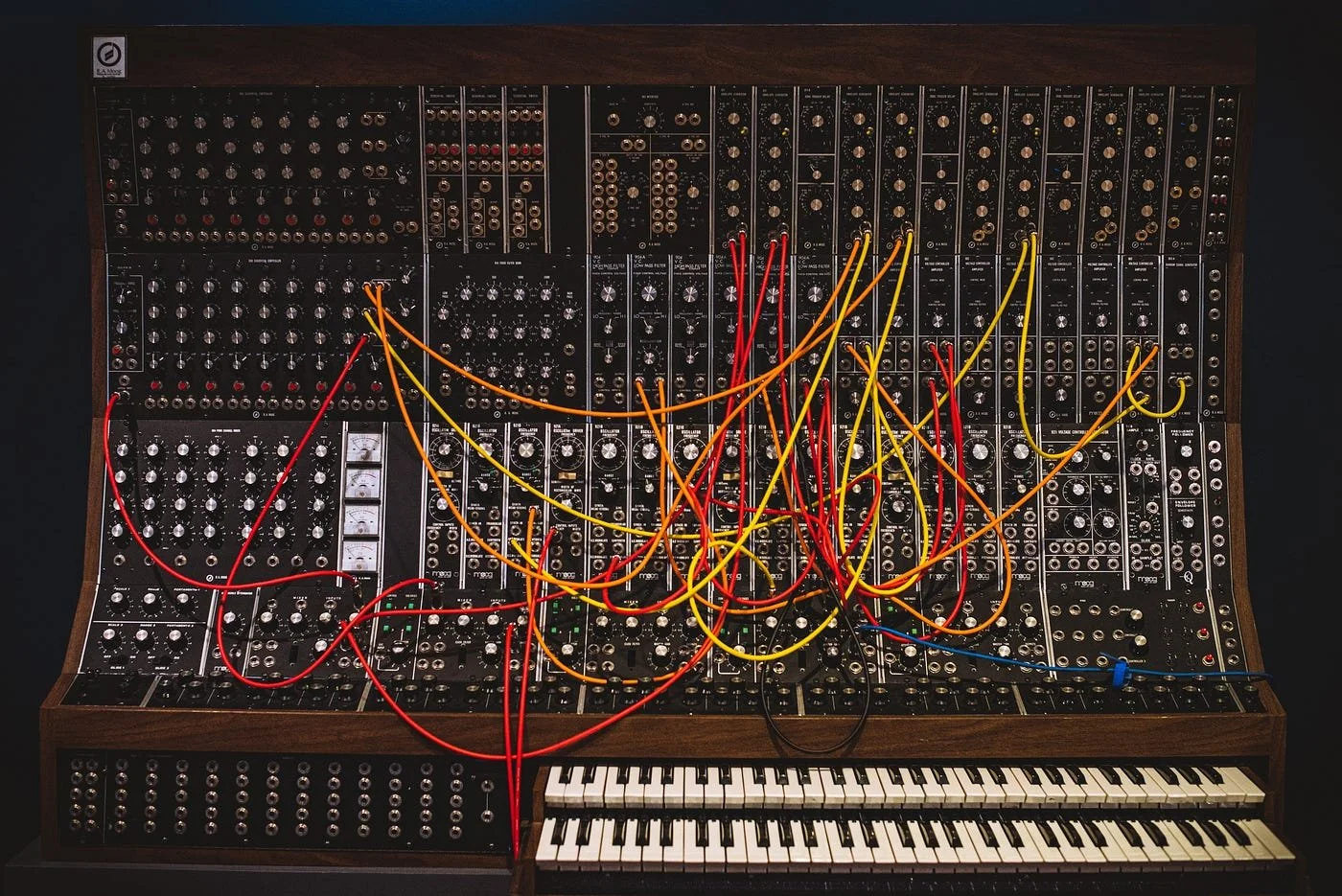
Sound8: A framework for multisensory experiences
What if you walked into a space where sound moved the air, the air carried scent, the scent shifted with the music, the music created visible patterns, and your own movement fed back into the system? Not metaphorically. Literally. For decades, we’ve treated "multisensory" design as a collection of separate checkboxes: a nice scent here, a cool light there, a playlist in the background. Sound8 argues for the collapse of those boundaries, and exemplifies a core philosophy of Ode.

Sound, taste, time, or space: which comes first in a listening room?
I’ve spent some $$$ on craft cocktails in dimly lit rooms filled with vintage speakers and rare records, yet I’m far from a "vinyl head." In these listening bars, there is a feeling that you need to be an expert just to exist in the space. We usually think of these lounges as being only about the sound, but what if the music is actually secondary to the overall system? This is an exploration of how sound, taste, time, and space work together to shape our mood.
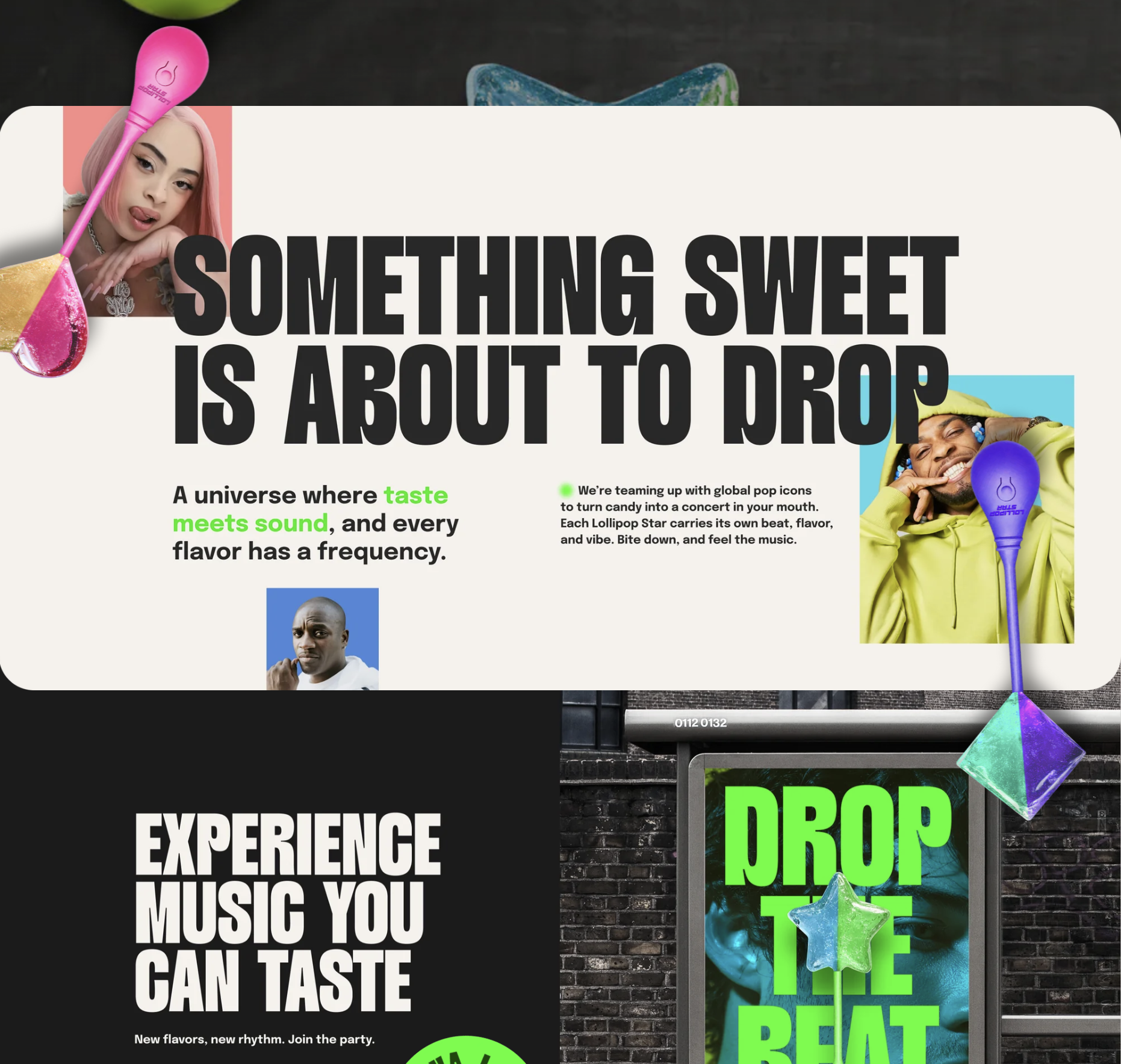
How does sound taste?
We tend to think of taste as a closed-loop system between the mouth and the nose, but the physiological reality is far more "wired." There’s a new frontier of sensory design. We are seeing the collapse of the wall between what we hear and what we consume. Products like the Lollipop Star are turning candy into a hardware device, using bone-conduction to play music through your teeth while you taste the flavor.
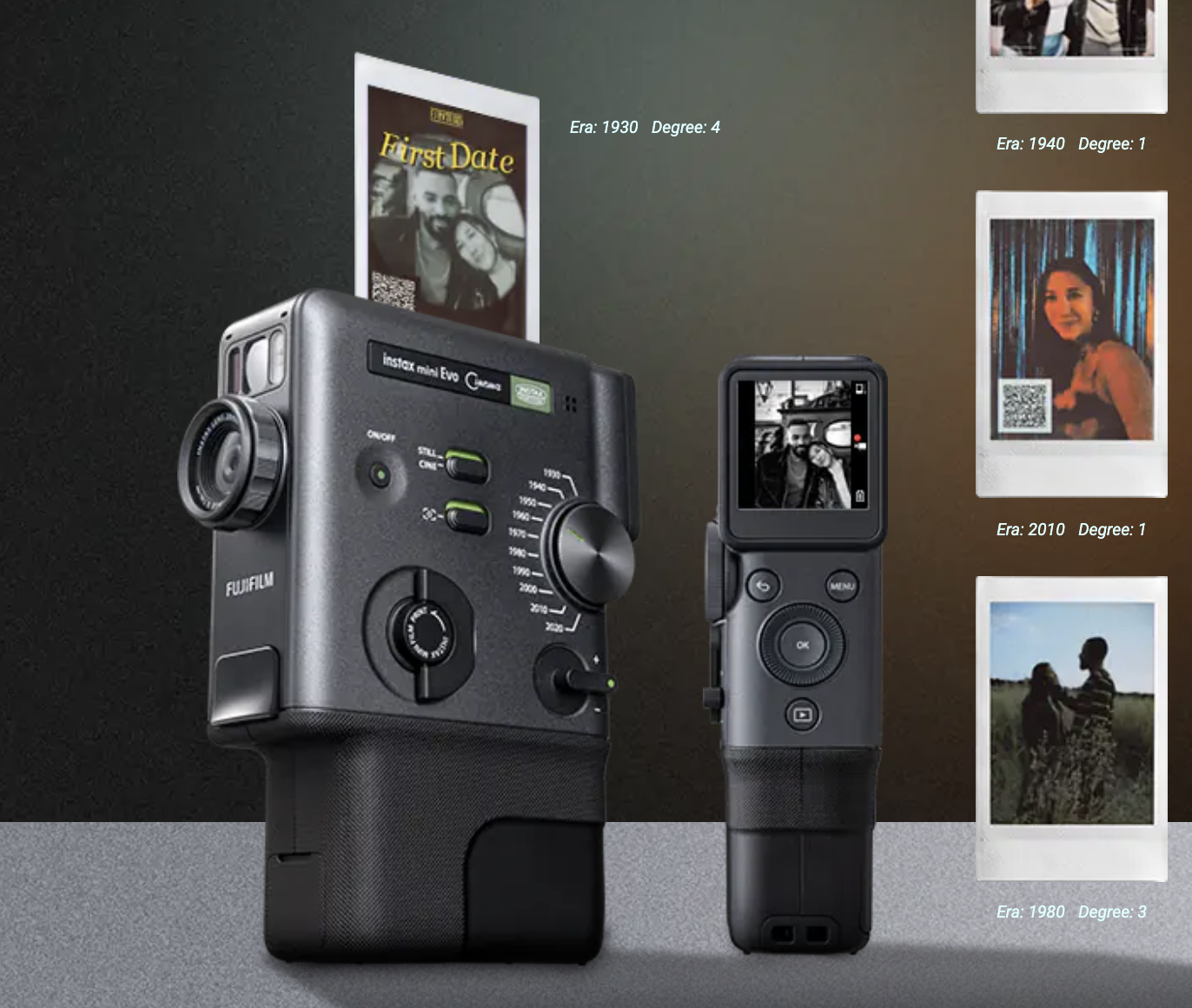
Is nostalgia memory… or vision?
This piece started as a question I kept circling back to: is nostalgia really about memory, or is it about how things looked? Before you remember what was happening, you remember how it looked. A good example to reflect on this is with technology. The more I paid attention to it (old cameras, colorful computers, foldable phones) the more it felt like sight comes first. We don’t just remember what things did, we remember the glow, the grain, the way a device moved or sat in a room. This is me thinking out loud about why visual design keeps returning, and what that says about how we remember, choose, and feel around technology now.
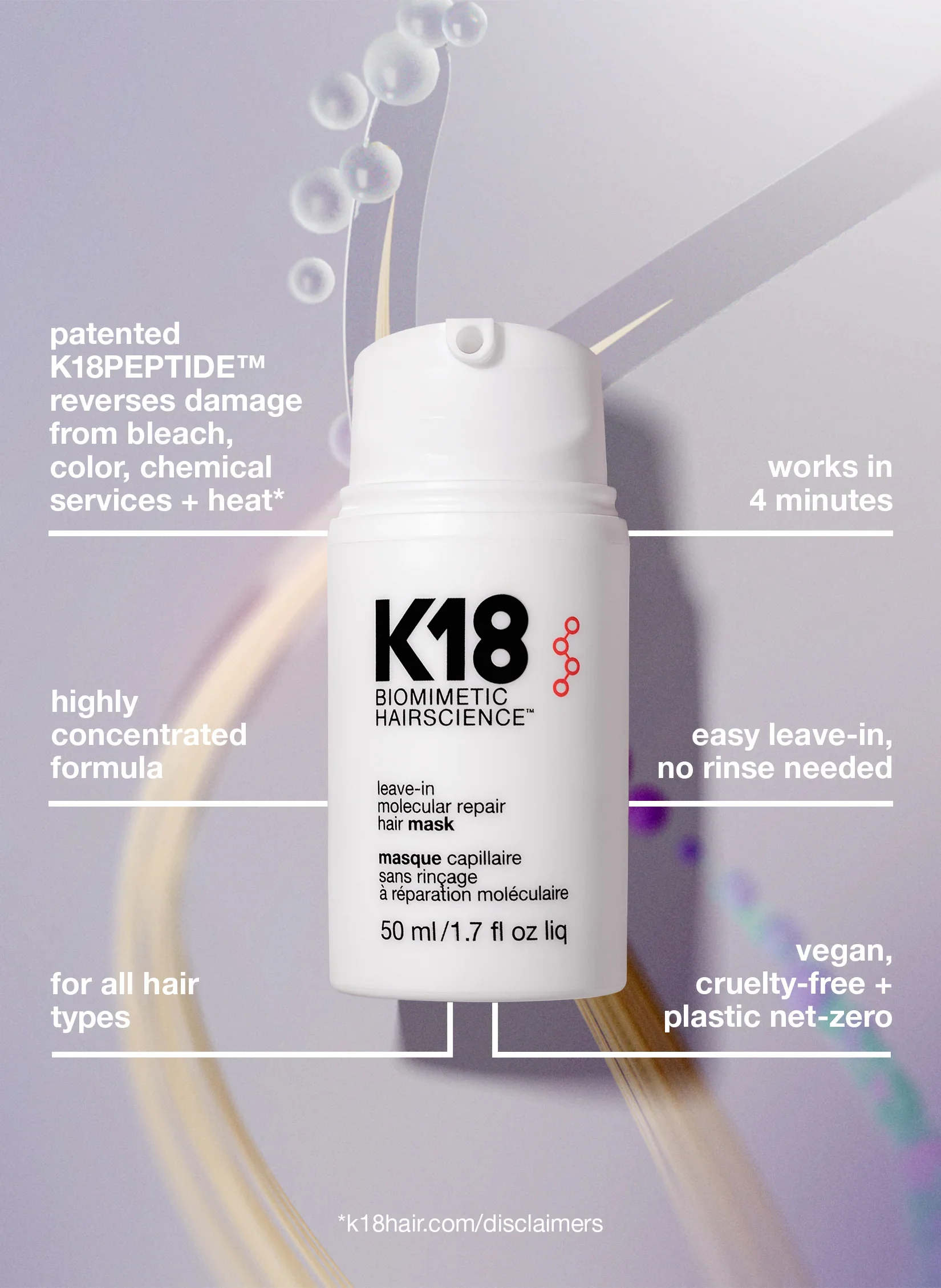
The science behind “skinified” Black hair care
“Wait… this actually works.” Cécred. K18. I know you've watched those kind of videos. And I don’t think that reaction is random. For years, Black hair care leaned on oils and promises. “Skinification” changes that. It means treating the scalp like skin using proven actives, understanding biology, and repairing hair at a molecular level. When products are built this way, results should be guaranteed. This shift toward science-driven formulas truly excites me. Let's talk about all the innovation.
The economics of skincare
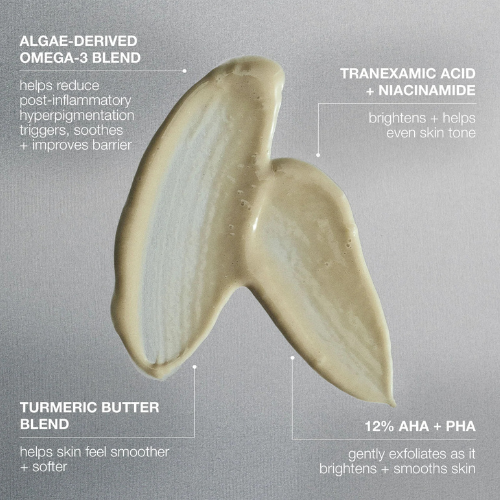
A couple years ago, my skin was going through it; severe acne, hyperpigmentation. I spent months following estheticians online, doing facials, learning what to use for what, trying to decode my own skin. I spent a lot on Dermalogica & some other derm-based $$$ products. My skin cleared. When my routine became maintenance, not prescriptive, I discovered K-beauty. Great ingredients, simple formulations, feels good touch and put on the skin. Quality and cost found equilibrium. (Image from Dermalogica)
Why beauty brands are redesigning experience around touch
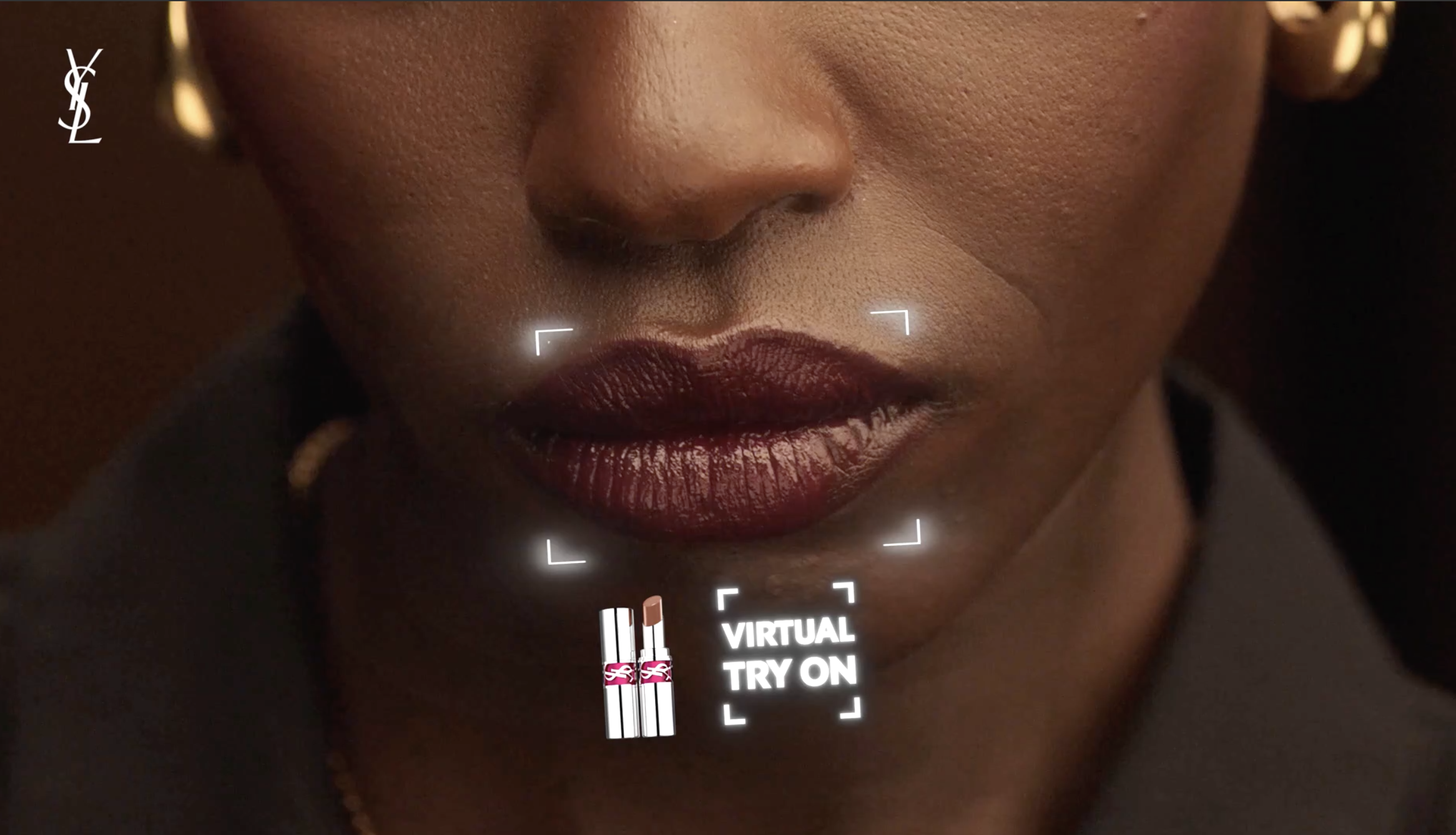
Beauty was never meant to be discovered through a screen alone. It’s tactile. When beauty education majorly moved online, touch disappeared and was replaced by comparison and fatigue. Brands are rebuilding experience through stores and events, while creators gain access through PR and trips. The luxury isn’t the product anymore, it’s being chosen to experience the creation story.
Scent is the next digital frontier
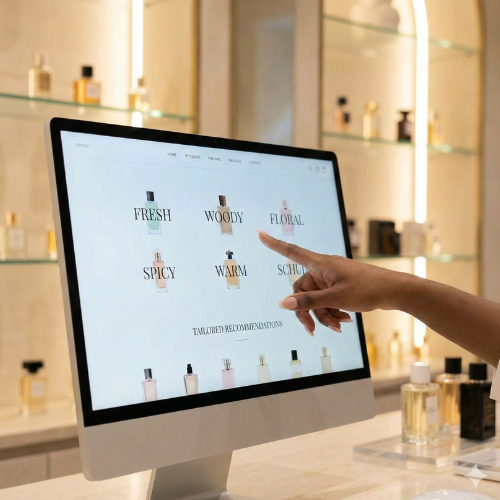
The global perfume market is undergoing a technological revolution. IBM's Philyra has analyzed over two million fragrance formulas. Tom Ford’s 2025 Fragrance of the Year was AI-assisted. From Google → Osmo's neural networks mapping molecular structure to scent, to EEG headsets predicting fragrance preferences, to deep learning models optimizing how perfumes evolve through space and time. This piece explores how advanced technologies are reshaping perfumery while preserving its artistry.
Perfume was our first algorithm
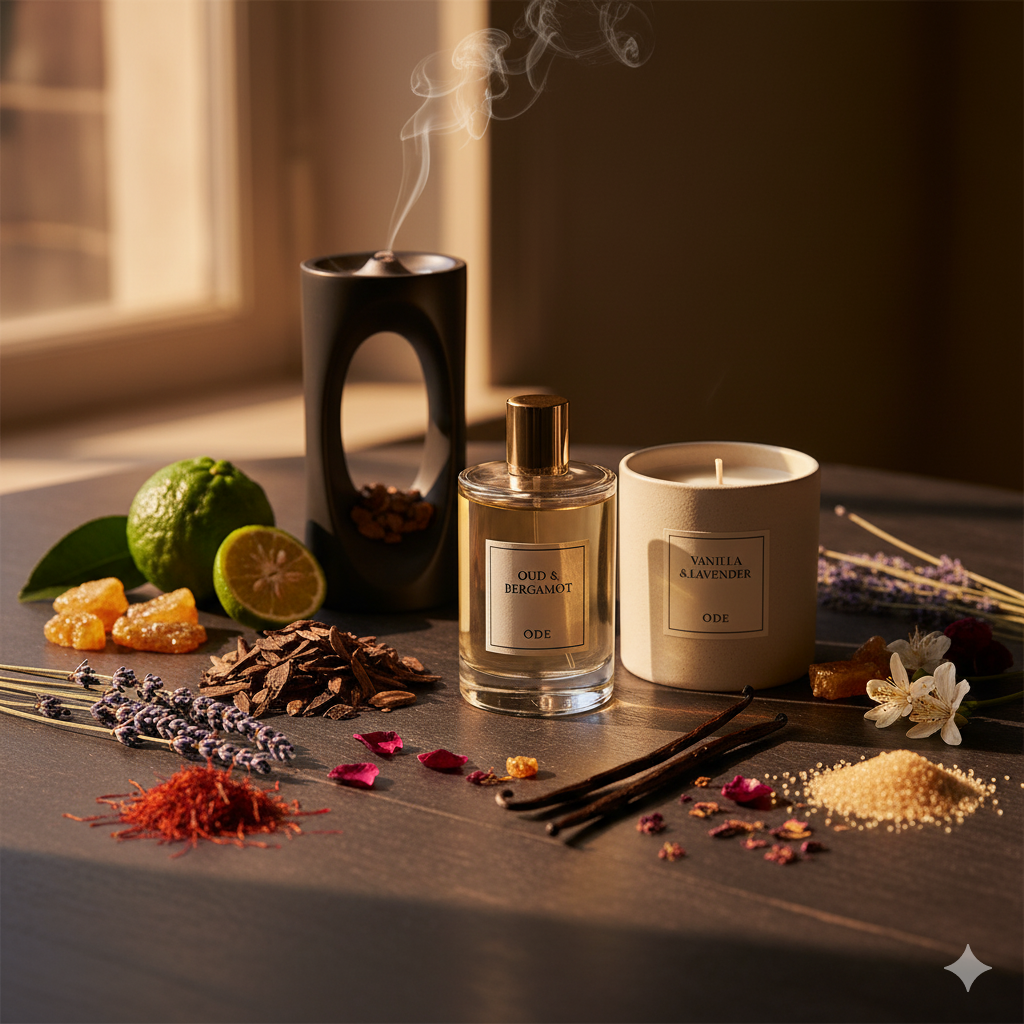
Long before formal math, Tapputi of Mesopotamia was already experimenting with scent. Around 1200 BCE, she distilled flowers, adjusted ingredients, and tested how perfumes evolved on skin and made people feel over time. What she understood intuitively is what we now call the three acts of perfume: the first impression, the heart you live in, and the memory that lingers. We still experiment the same way today, through layering and building scent wardrobes for different moods and moments. Perfumery was one of our earliest systems: input ingredients, test combinations, optimize for feeling.
Savory gourmands & the next big fragrance trends
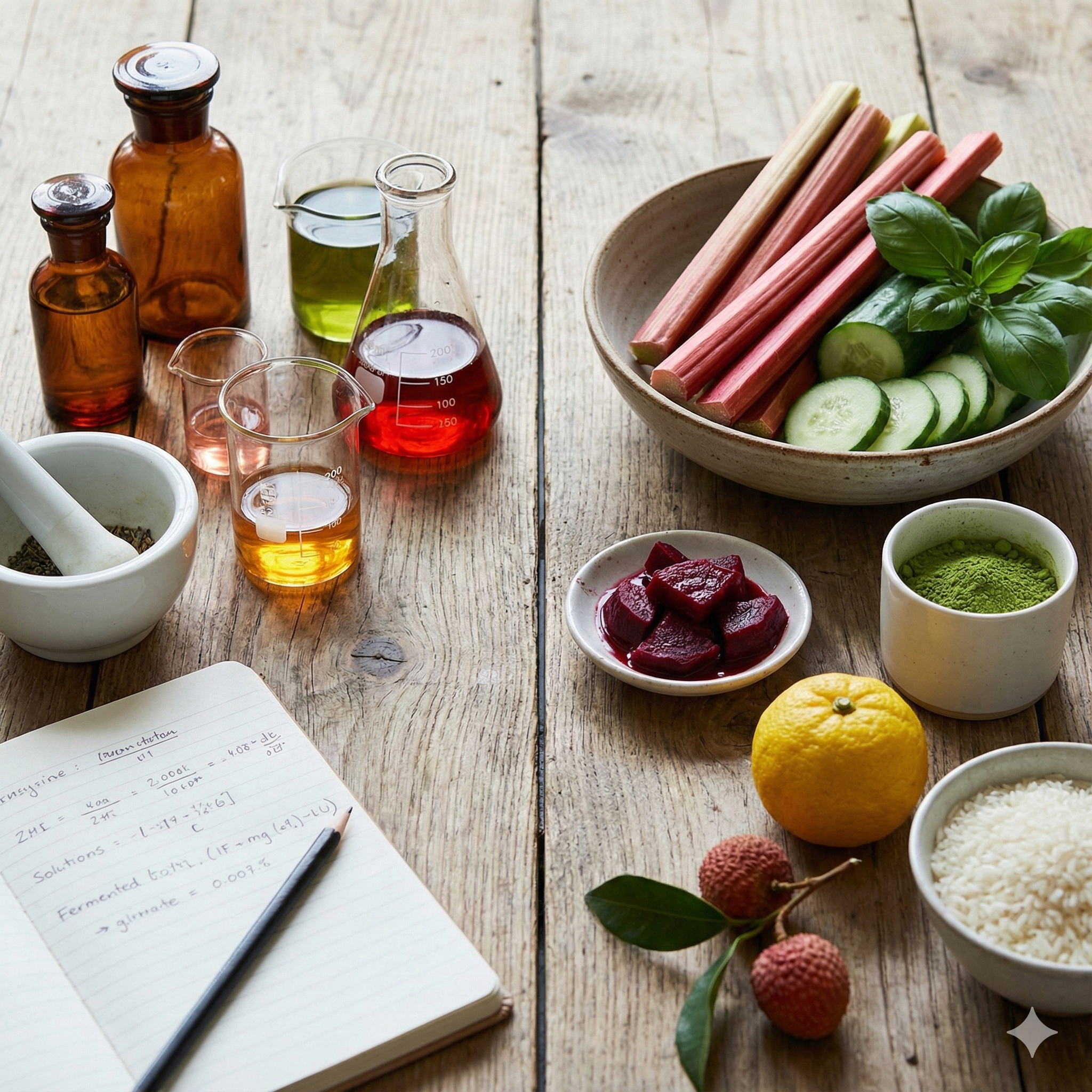
Pistachio perfumes were everywhere in 2025. But the sweet, dessert-style scent trend is starting to change. Perfumers are looking to experiment more with fresher, more savory smells. It feels a lot like what’s happening in food right now. There’s also an interesting angle on the reduction in appetite and turning to food-smelling perfumes. This piece looks at how food trends turn into fragrance trends, and what that means for what we’ll be smelling in 2026.
Dining in 2026 | experience economy 2.0
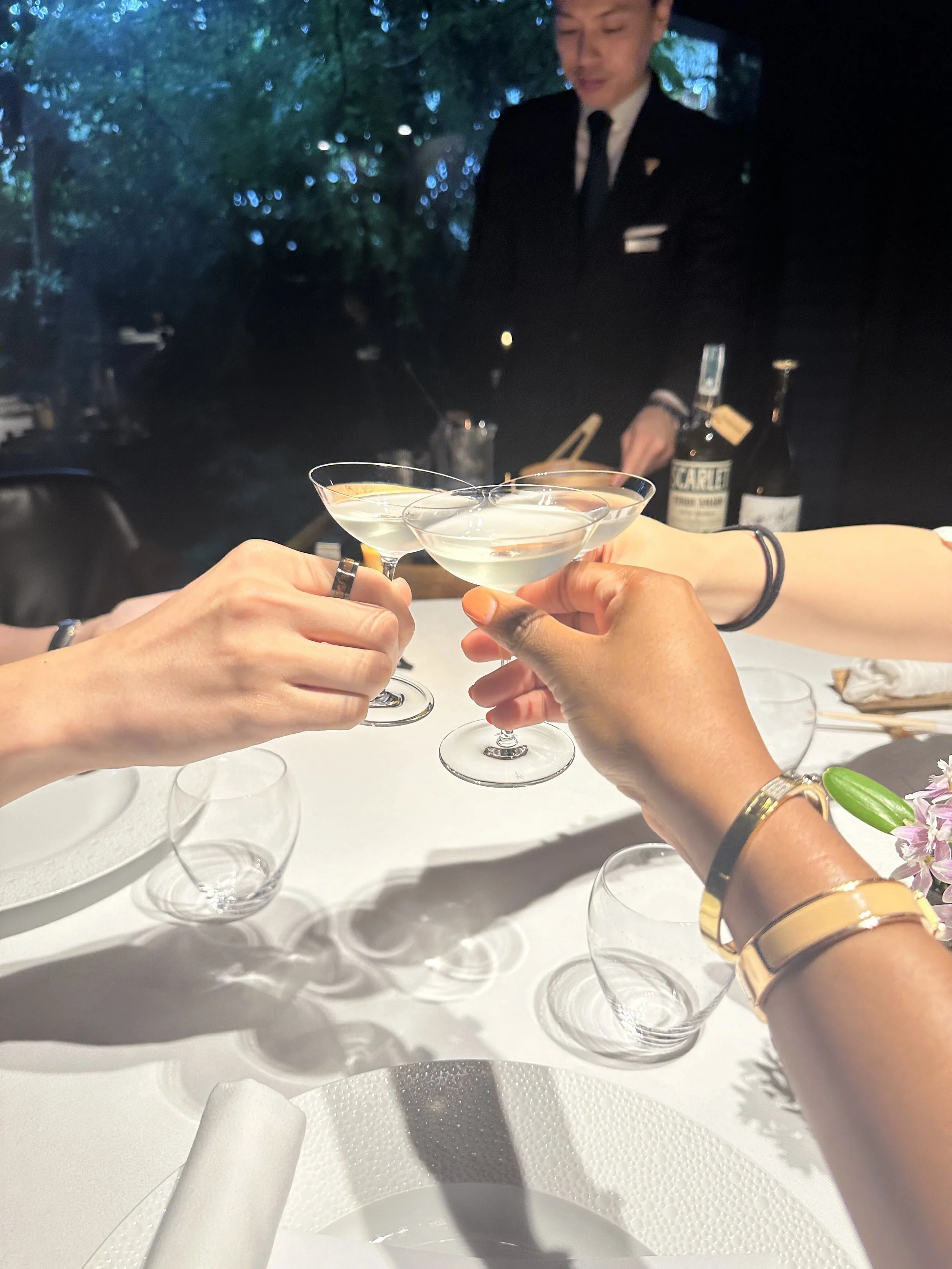
Dining in 2026 is all about the experience. I gathered data from top industry reports (OpenTable, EHL, AF&CO. + Carbonate, dsm-firmenich, and more) to break down what's actually happening. Experiential dining is up 46%. People are paying for the story, the interaction, the memory. Flights of everything, one-hit-wonder restaurants, prix-fixe menus; people want to sample & explore. And discovery is shifting: Reddit is now the #2 site by search traffic, & 44% of people plan to use AI for restaurant discovery. Here's everything you need to know about where dining is headed next year.
Travel in 2026 | experience economy 2.0
People are choosing trips based on how they want to feel, and that’s really what the experience economy 2.0 looks like. In this guide, I pulled insights from the biggest travel and hospitality reports for 2026 and broke down everything from high-energy trips like Rio Carnival, World Cup, and Detty December in Lagos to emerging spots like the Red Sea, Phu Quoc, and the Faroe Islands. You’ll find ideas for solo travel, beaches and wellness, food-focused trips, rare events like the 2026 solar eclipse, and more. If you’re planning travel next year, start here.
experience value = emotional impact ÷ time spent
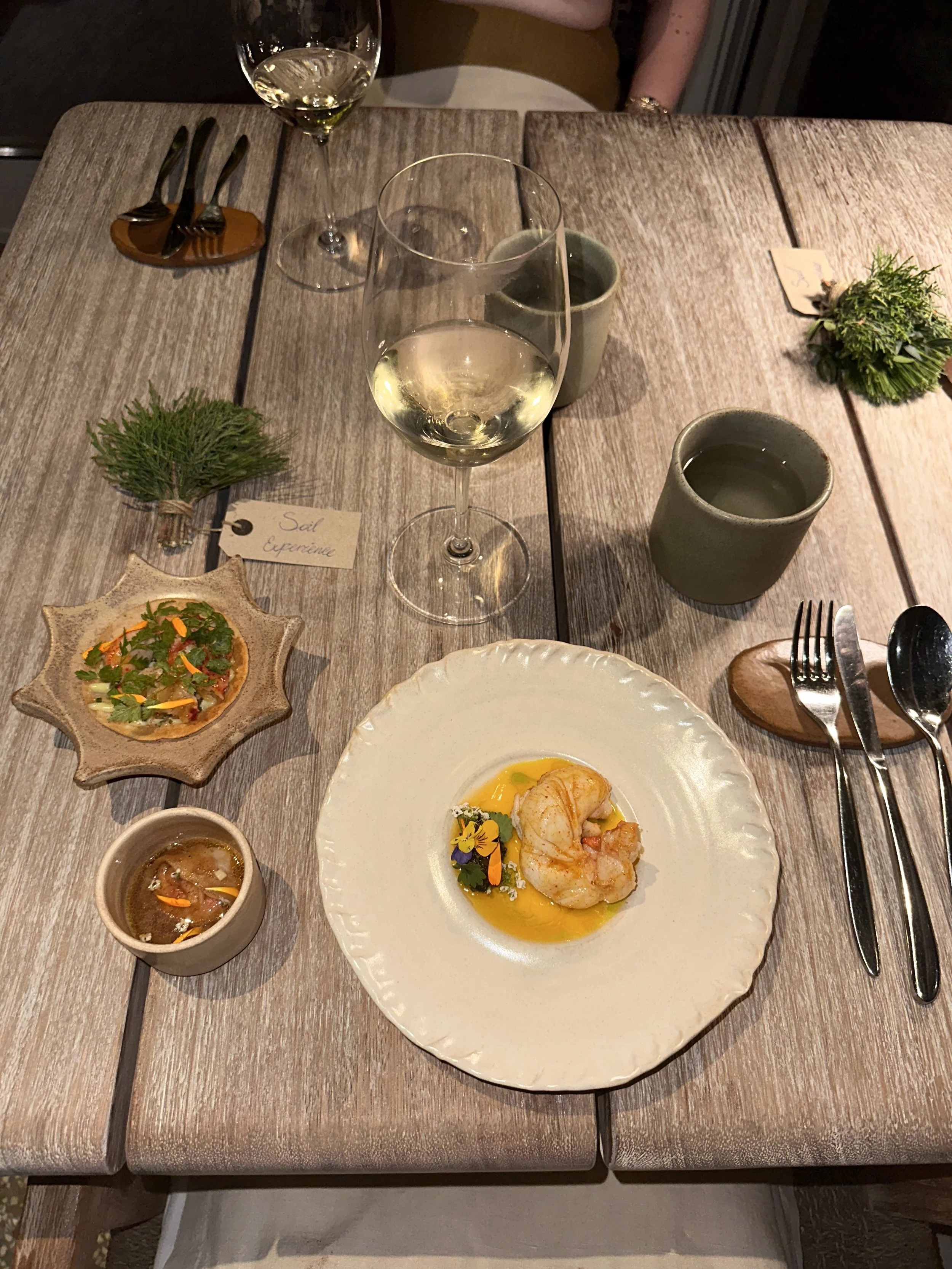
Something fundamental has shifted in how consumers measure value. It's no longer about what you buy, it's about what you feel. Across industries from fragrance to hospitality, from fine dining to beauty retail, I derived that experience value equals emotional impact divided by time spent. Welcome to the Experience Economy 2.0, where brands across sectors are shifting from products and services to holistic sensory experiences that engage emotions, memories, and multiple senses simultaneously.
experience = space · time
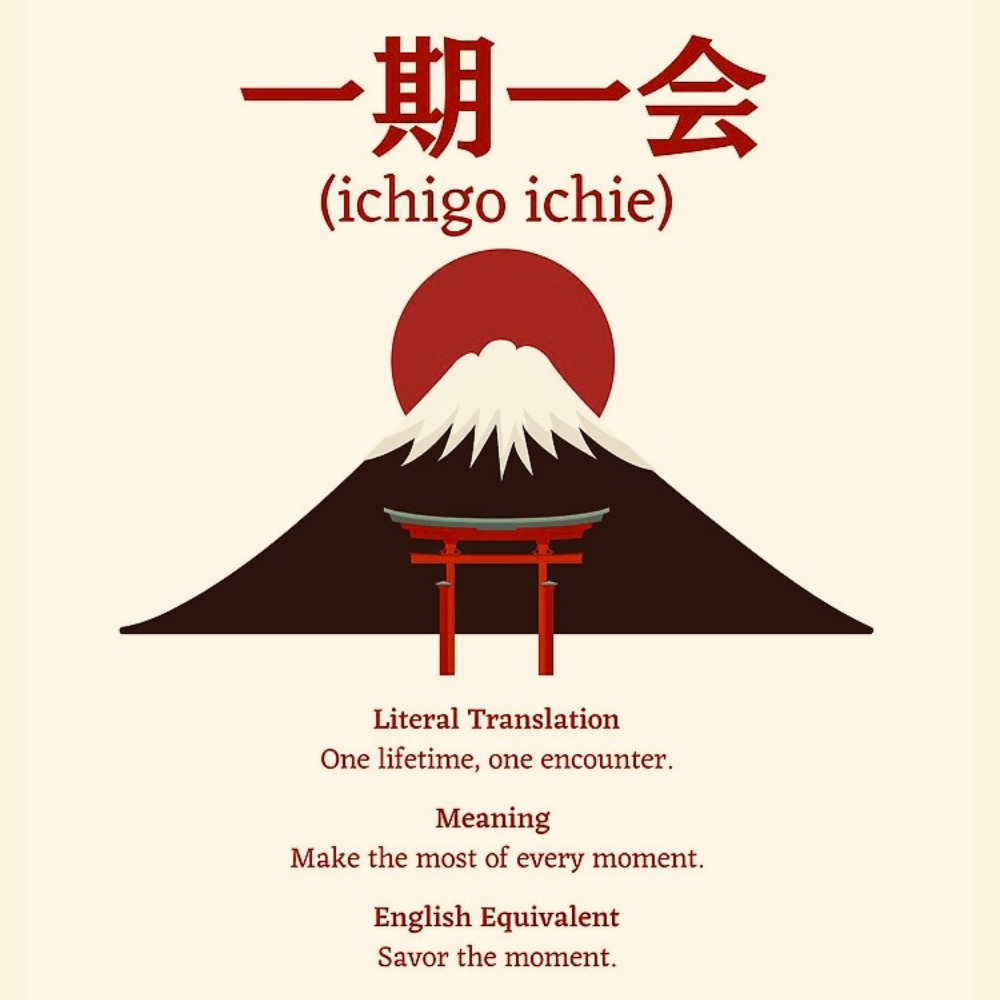
In my last post, I wrote about how how brands now design for how we spend time with them, not just what we buy. The attention/creator economy has turned time into a sense of its own: something you feel, allocate, and remember. So in this post, I’m introducing the Ode Experience, a way of planning around time as a sense. And I’ll use Japan, a trip I planned with two friends, to show how this plays out. The experiences that stay with us are the ones where time is intentionally shaped & the Ode Experience is simply time well spent.
Some cities have bad UX
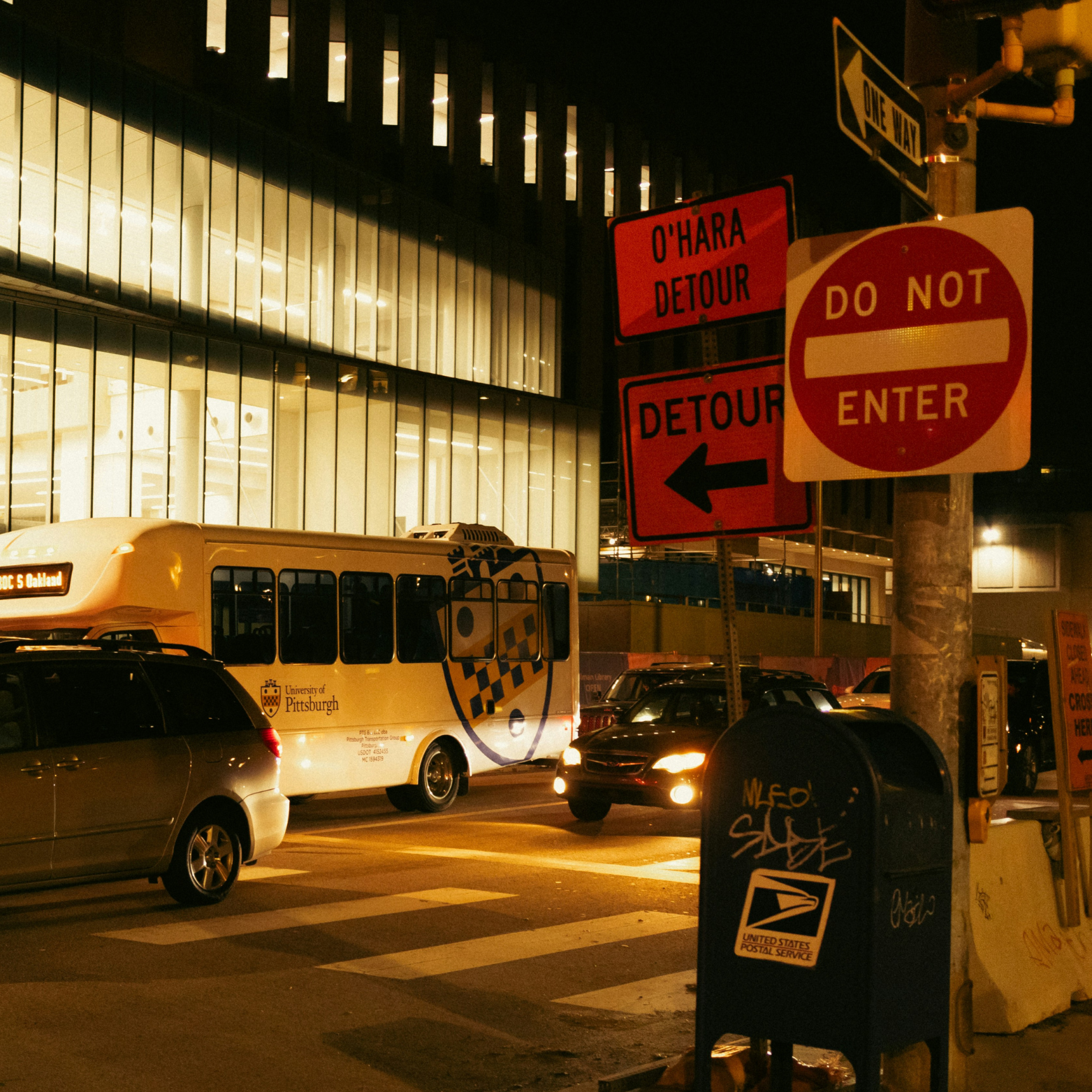
I came to Pittsburgh for grad school and somehow I'm still here. The city revolves around sports bars, hockey, football: none of it my vibe. Making friends feels like playing chess as an amateur. The demographics skew older & non “me” in ways that make connecting harder. The infrastructure doesn't help. Houston’s similar... people basically live 40 mins apart. NY has access, but every trip is a mission. Urban design is interface design. Some cities are cognitively expensive: car-dependent, confusing, spatially stressful. Bad planning is a daily tax on relationships, activities, access. Let’s talk about it.
Third places are disappearing — here’s the data
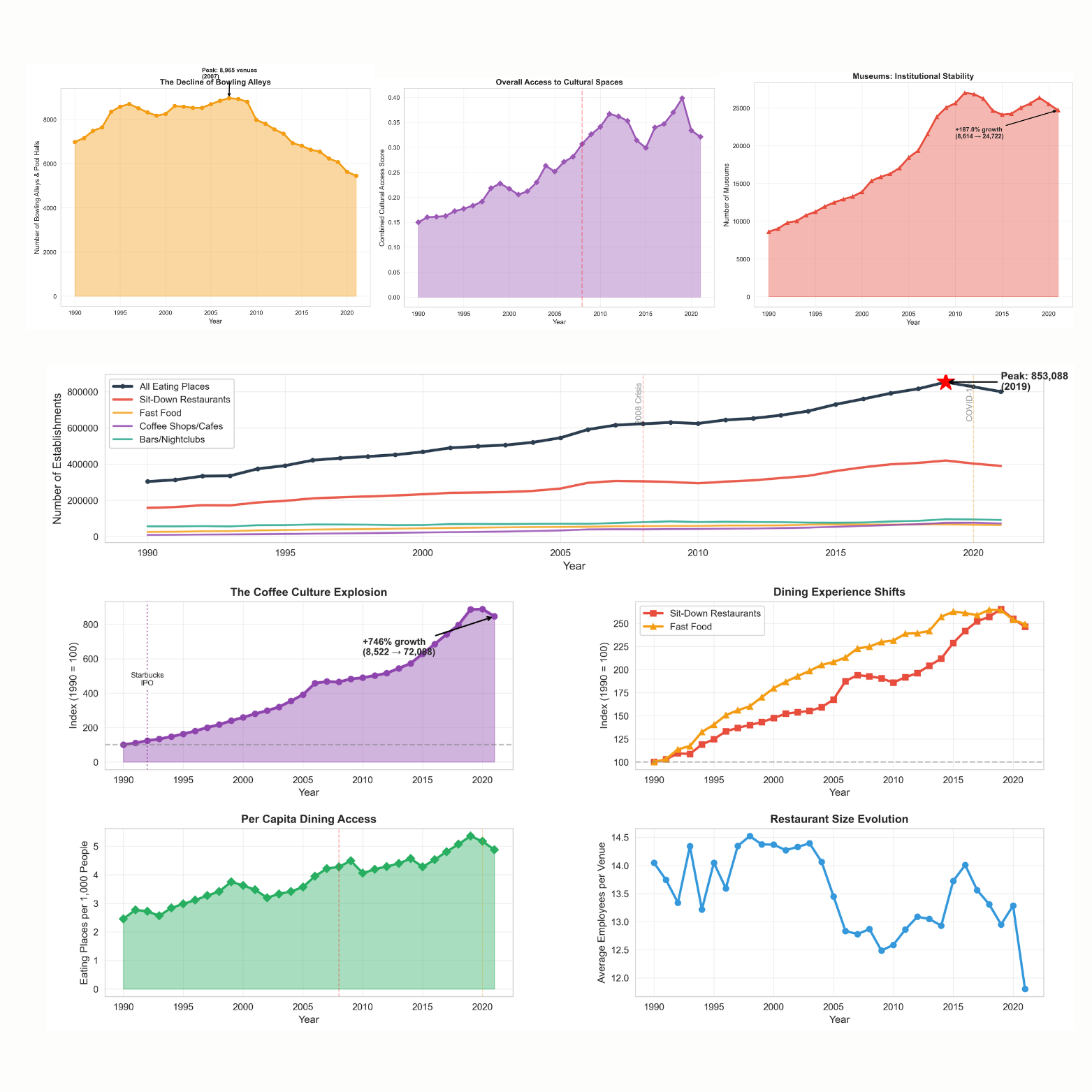
My last post shared my personal experience with disappearing third places. This one looks at the data. Using the National Neighborhood Data Archive (NaNDA), I analyzed three decades of establishment trends across U.S. neighborhoods where people could eat, shop, exercise, and gather from 1990 to 2021. The dataset shows which spaces grew, which collapsed, and where access declined. It also reveals a clear pattern: America’s social infrastructure shifted, segmented, and became more paywalled.

Third places are disappearing
I've always been someone who learns through experience: cooking, exploring, new activities. But the spaces where casual interaction happened are disappearing. Coffee shops are remote offices now. Libraries feel formal. Parks require a reason. Malls don't feel safe. Froyo shops closed. Nice bars are too expensive. These every day spaces between home and work/school places shaped how we connect. Without them, we're finding it hard to meet and be around people casually. Where are your third places? I'm still searching for mine.
food ⇔ drink : the bipartite graph of perfect pairings
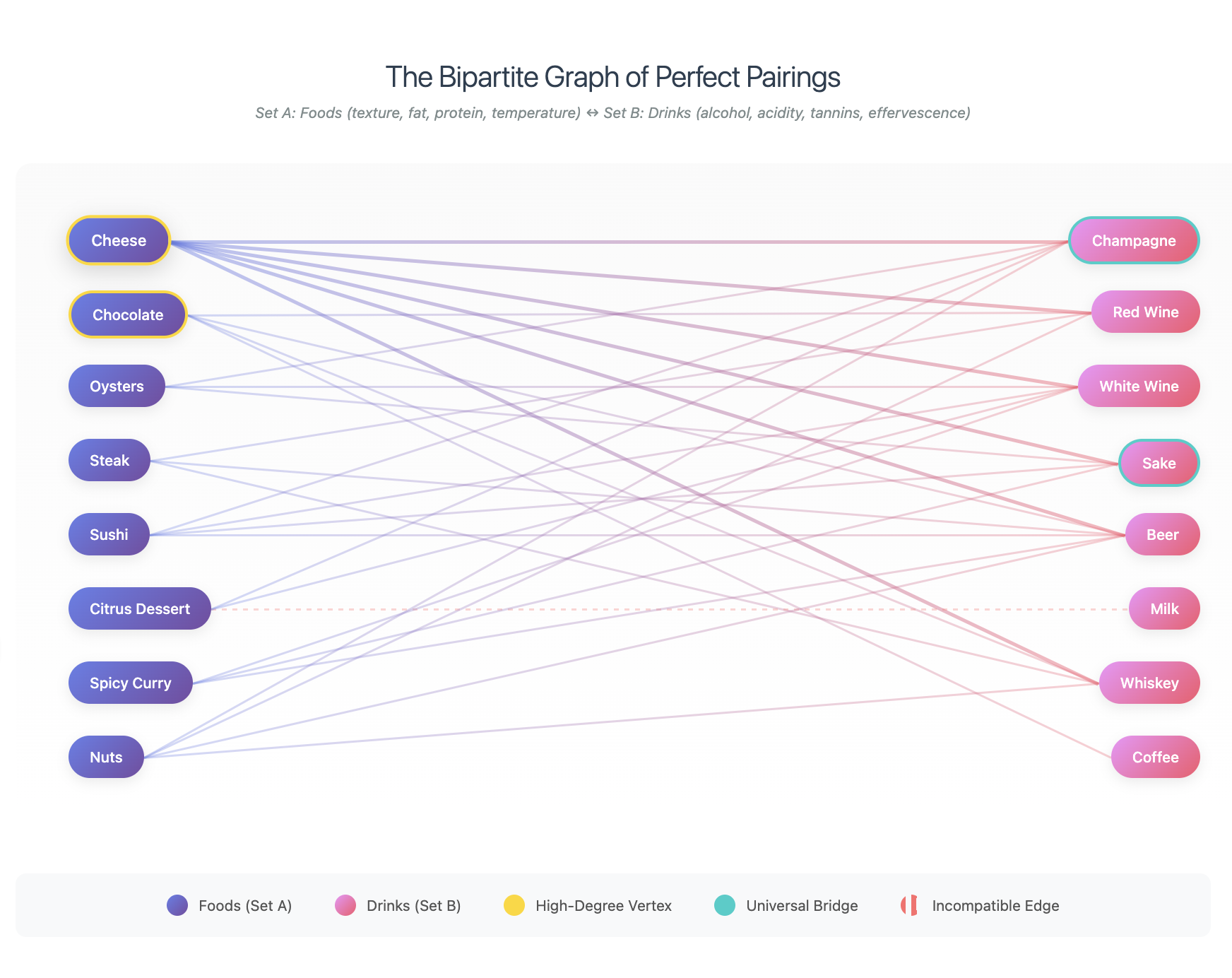
I’ve always found pairings fascinating and exciting. This year I started experimenting more myself, putting together little food-and-drink menus at home. Somewhere in that process, I’ve been building a mental graph. Set A: foods. Set B: drinks. The “edges” are whatever actually works: harmony, contrast, surprise. I used to think pairing was mostly rules but now it feels like learning which nodes in your taste map want to connect, and why.
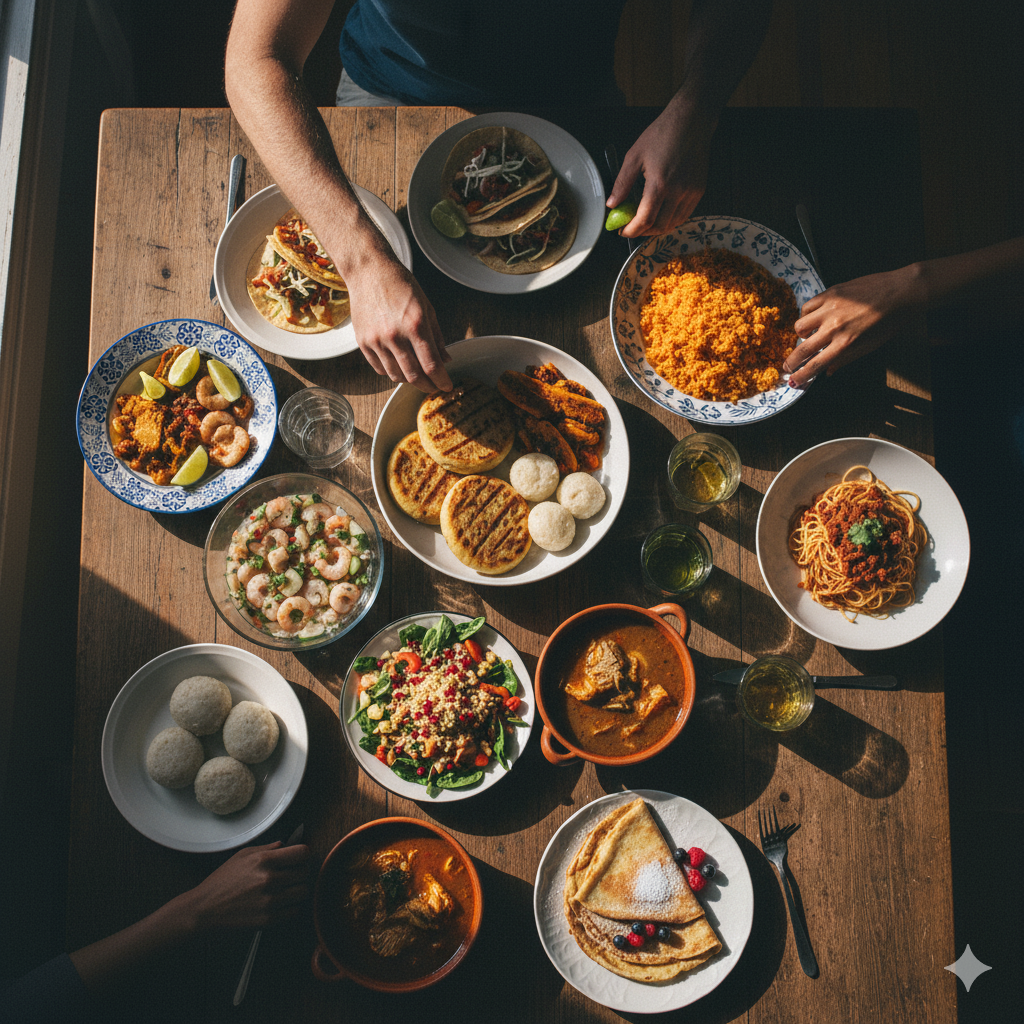
Your cooking style is an edible social graph
I didn't really learn to cook from recipes. I learned from my mom & friends showing me how, from cooking shows, from all the chefs that let me experience their dishes, from that one 4-hr food tour I did in Greece. Every time I make something now, I'm thinking about someone or somewhere. My cooking style is just everyone I've ever shared a meal with and all the places I’ve eaten at, all mixed together.
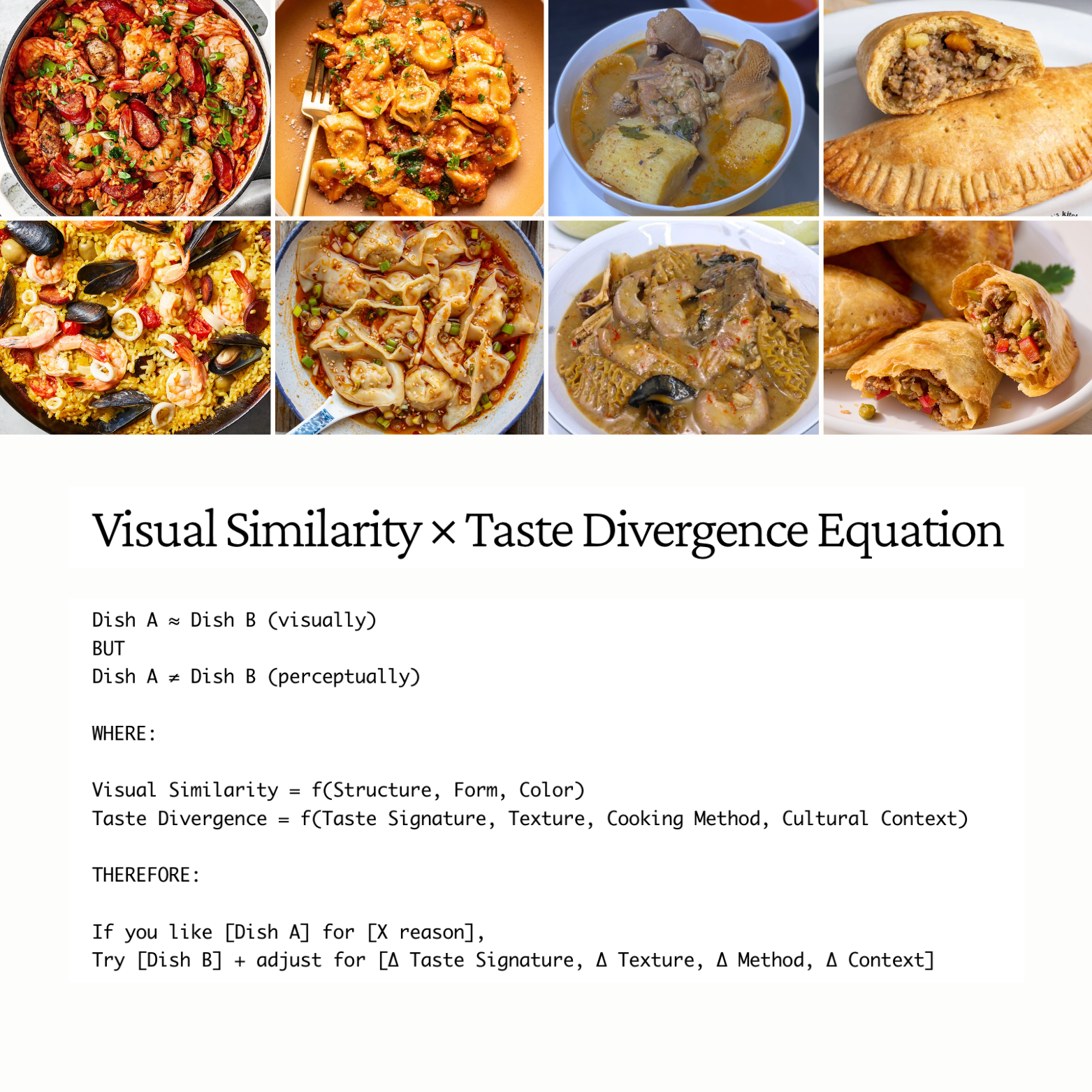
Taste has infrastructure too. Here's how to notice it.
You know that moment when you're craving something familiar but the menu's full of unknowns? Or when you've moved somewhere new and can't find your comfort foods? I've found a way to decode unfamiliar dishes by recognizing their hidden connections to what you already love. Through 10 paired examples — from fried plantains vs. fried bananas to empanadas vs. meat pies — I demonstrate how to read the invisible architecture beneath what we eat.