
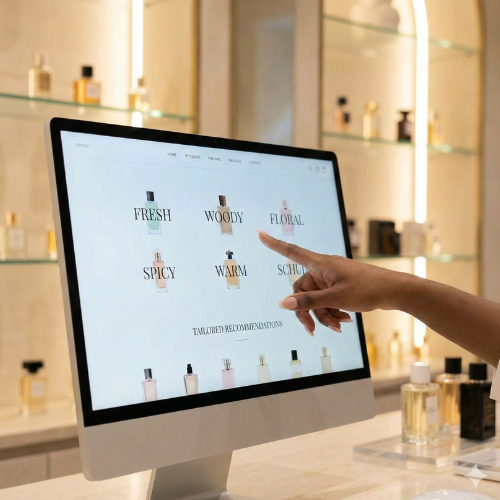
Scent is the next digital frontier
The global perfume market is undergoing a technological revolution. IBM's Philyra has analyzed over two million fragrance formulas. Tom Ford’s 2025 Fragrance of the Year was AI-assisted. From Google → Osmo's neural networks mapping molecular structure to scent, to EEG headsets predicting fragrance preferences, to deep learning models optimizing how perfumes evolve through space and time. This piece explores how advanced technologies are reshaping perfumery while preserving its artistry.

Dining in 2026 | experience economy 2.0
Dining in 2026 is all about the experience. I gathered data from top industry reports (OpenTable, EHL, AF&CO. + Carbonate, dsm-firmenich, and more) to break down what's actually happening. Experiential dining is up 46%. People are paying for the story, the interaction, the memory. Flights of everything, one-hit-wonder restaurants, prix-fixe menus; people want to sample & explore. And discovery is shifting: Reddit is now the #2 site by search traffic, & 44% of people plan to use AI for restaurant discovery. Here's everything you need to know about where dining is headed next year.
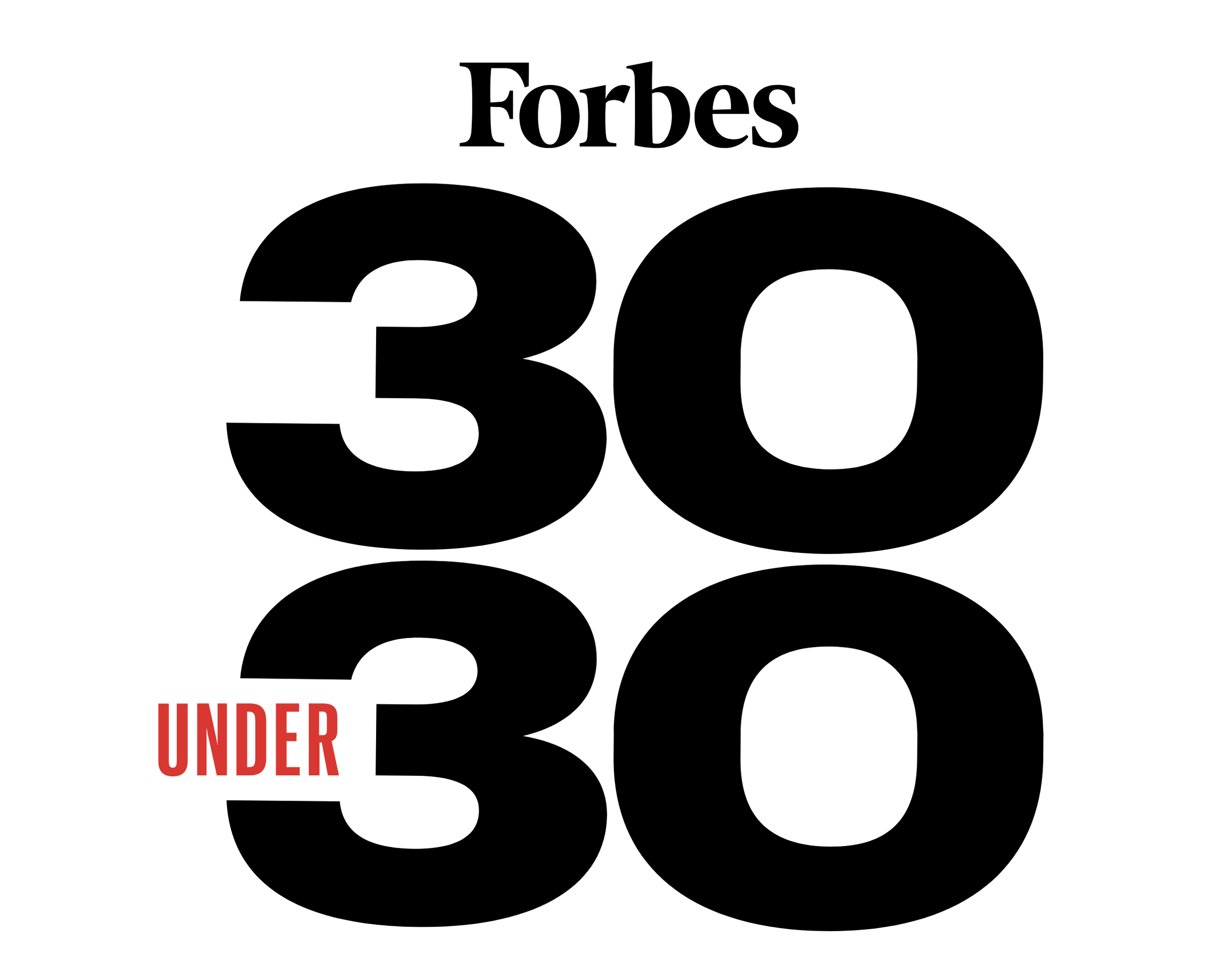
t = t₀ + Δt · (signal strength)
I’ve been thinking about time as a kind of diagnostic tool, a way to understand the moment we’re living in. If future time = present time + (Δt × signal strength), then the future isn’t somewhere ahead of us. It’s here... but blurry. Lists like Forbes 30 Under 30 are one of those signals. This year’s top cities (NY, SF, LA, Boston, Chicago) map almost perfectly onto the places with the highest AI job density + the strongest builder/creator ecosystems. Even the funding tells its own story: $3.8B distributed across 600 honorees. Time leaves traces of signals to anticipate & I’ll dive deeper into the data.

The digital divide 2.0
I was wondering, if the “Imagine if…” spaces ever became real, where would they appear first? Probably in the cities that already have the tech, density, and money to support them. And that’s the real point, just like some places have bad physical UX, some have bad digital UX. The new digital divide is about AI: where you live now shapes what tools you can use, what jobs you can access, and whether you can compete at all. There are a handful of “hotspots,” creating pressure on community, relationships, and affordability. This shift affects where we live, which properties hold value, and how invisible digital systems are quietly shaping opportunity.
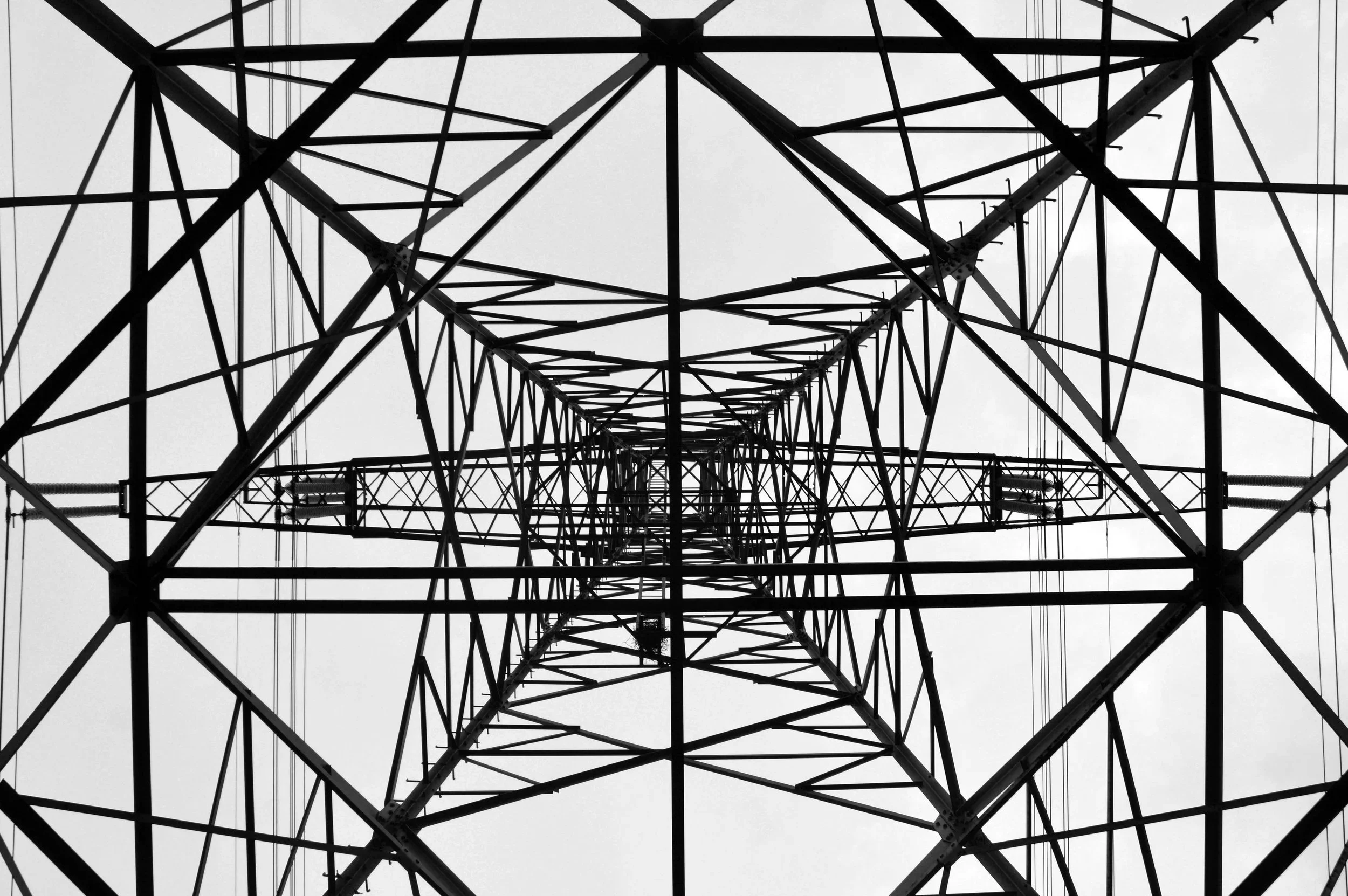
Infrastructure is invisible until it isn't
I was updating my map of the AI ecosystem when a pattern emerged: most people talk about AI as if it's invisible software. It is a stack of dependencies, from rare earth minerals to power grids and massive data centers. Industries that never had to think about each other are now completely interconnected. The "invisible" physical systems that power our digital world are becoming visible, not to just a few.
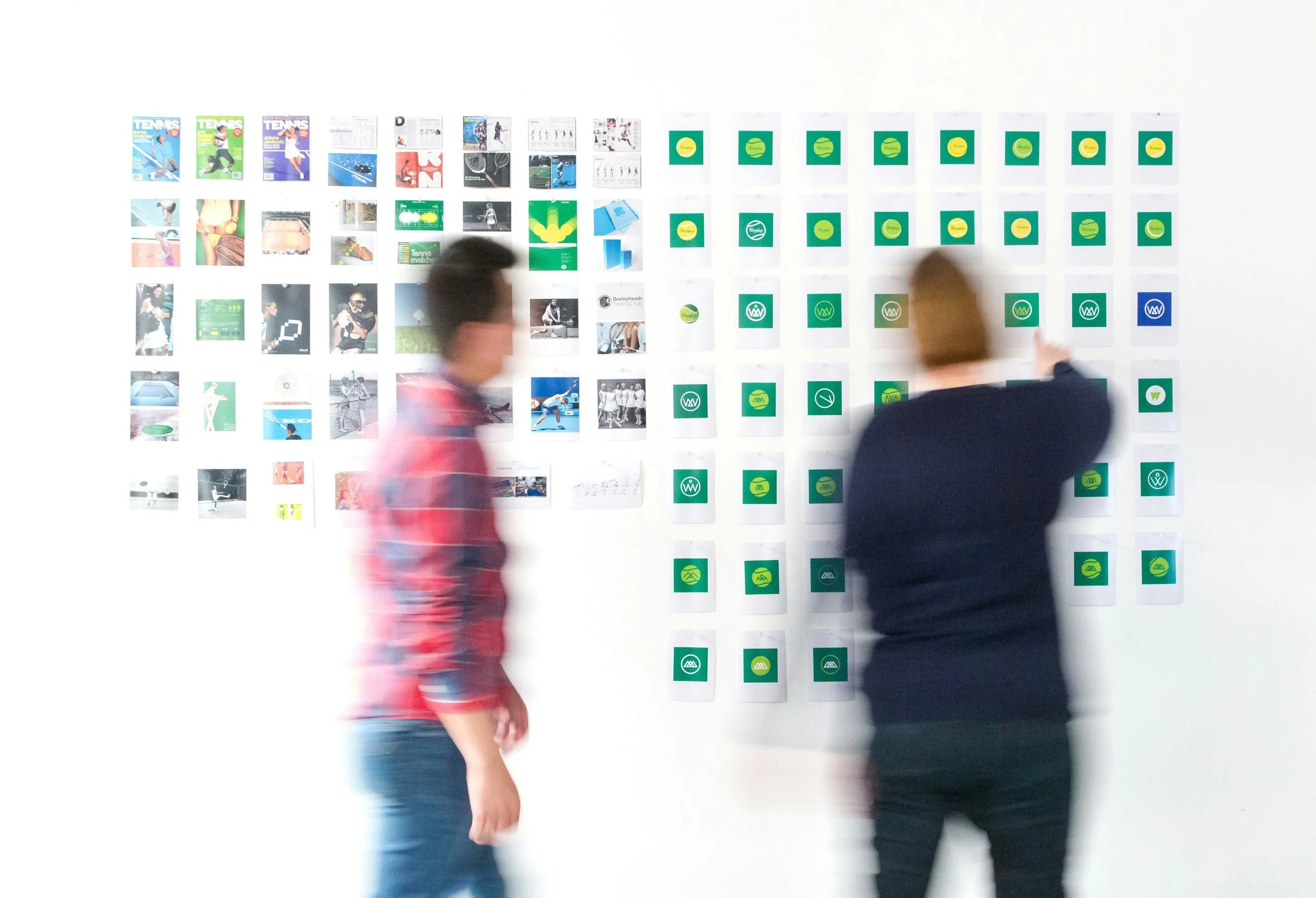
How AI names encode design philosophy: a timeline
From AlphaZero's blank slate to Superhuman's rebrand from Grammarly, 20 systems across 8 years reveal how AI naming evolved from functional to philosophical. Transformer announced a paradigm shift in 2017. ELMo and BERT made NLP approachable through Sesame Street characters. Agents/copilots are creating a new system. The metaphors are changing our relationship with technology.
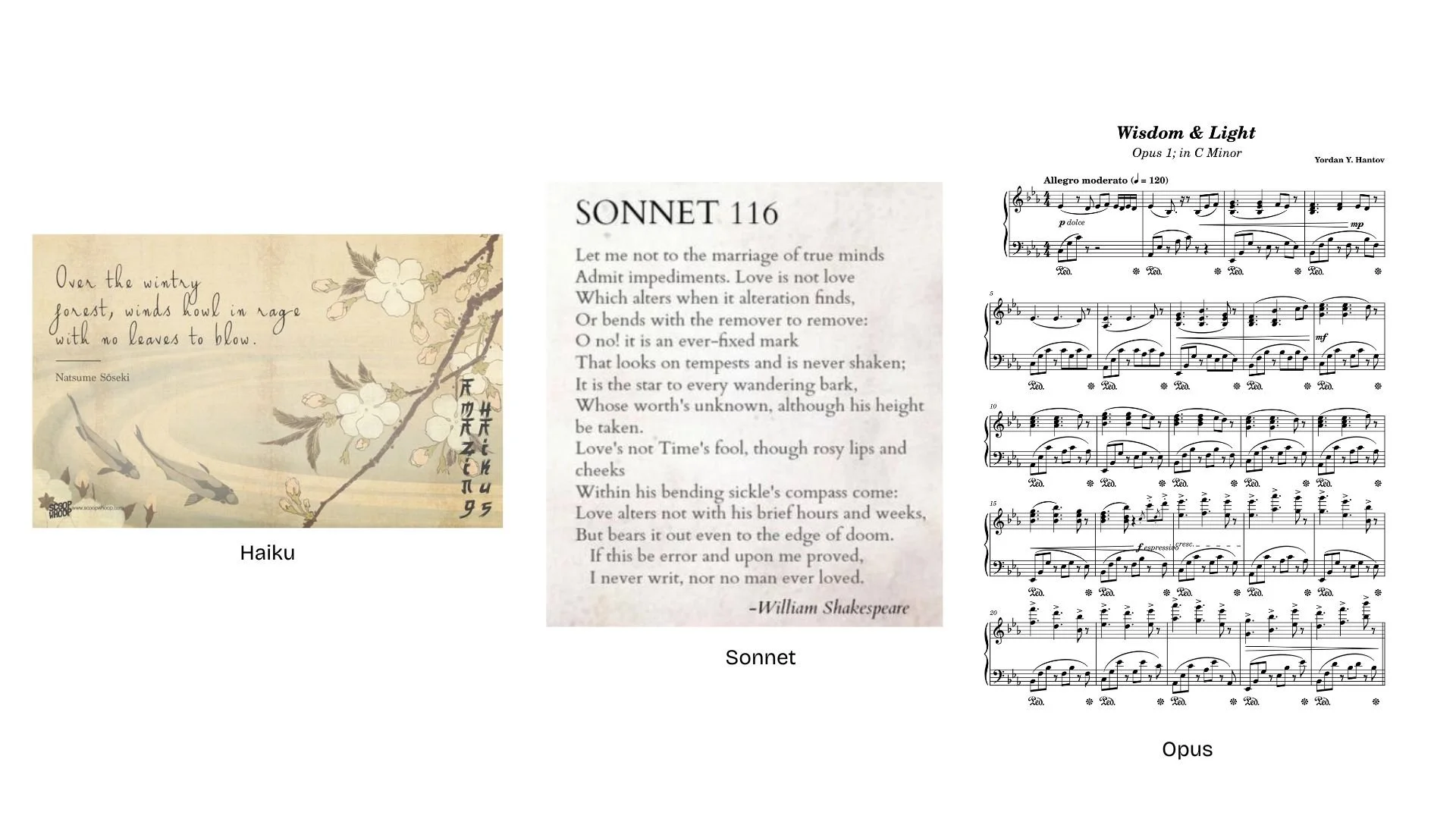
Why AI models have poetic names
When Anthropic names a model "Haiku," they're encoding design philosophy: maximum meaning, minimum tokens. AI vocabulary shifted from mechanical (overfitting, regression) to psychological (hallucination, memory). We don't panic about logistic regression the way we do for LLMs. Because once you name something like it has a mind, you've already committed to treating it that way.

Think about thinking
When you interact with ChatGPT, you start noticing how you think. You refine prompts and realize you're mapping what you really want to know. You're not just getting answers, you're discovering how you ask questions. AI becomes a mirror, making the invisible systems of thought suddenly visible. We've always been part of feedback loops, shaping and shaped by the systems around us. The only difference now is that this feedback loop is immediate, responsive, and "feels more personal," forcing us to confront our role within it.