
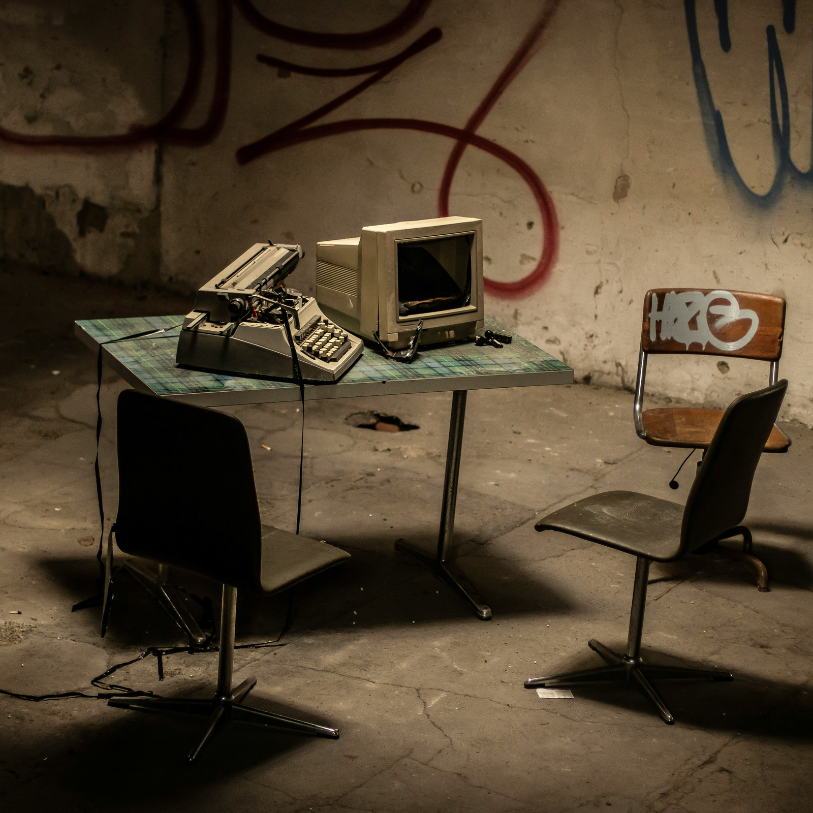
The digital divide 2.0
I was wondering, if the “Imagine if…” spaces ever became real, where would they appear first? Probably in the cities that already have the tech, density, and money to support them. And that’s the real point, just like some places have bad physical UX, some have bad digital UX. The new digital divide is about AI: where you live now shapes what tools you can use, what jobs you can access, and whether you can compete at all. There are a handful of “hotspots,” creating pressure on community, relationships, and affordability. This shift affects where we live, which properties hold value, and how invisible digital systems are quietly shaping opportunity.
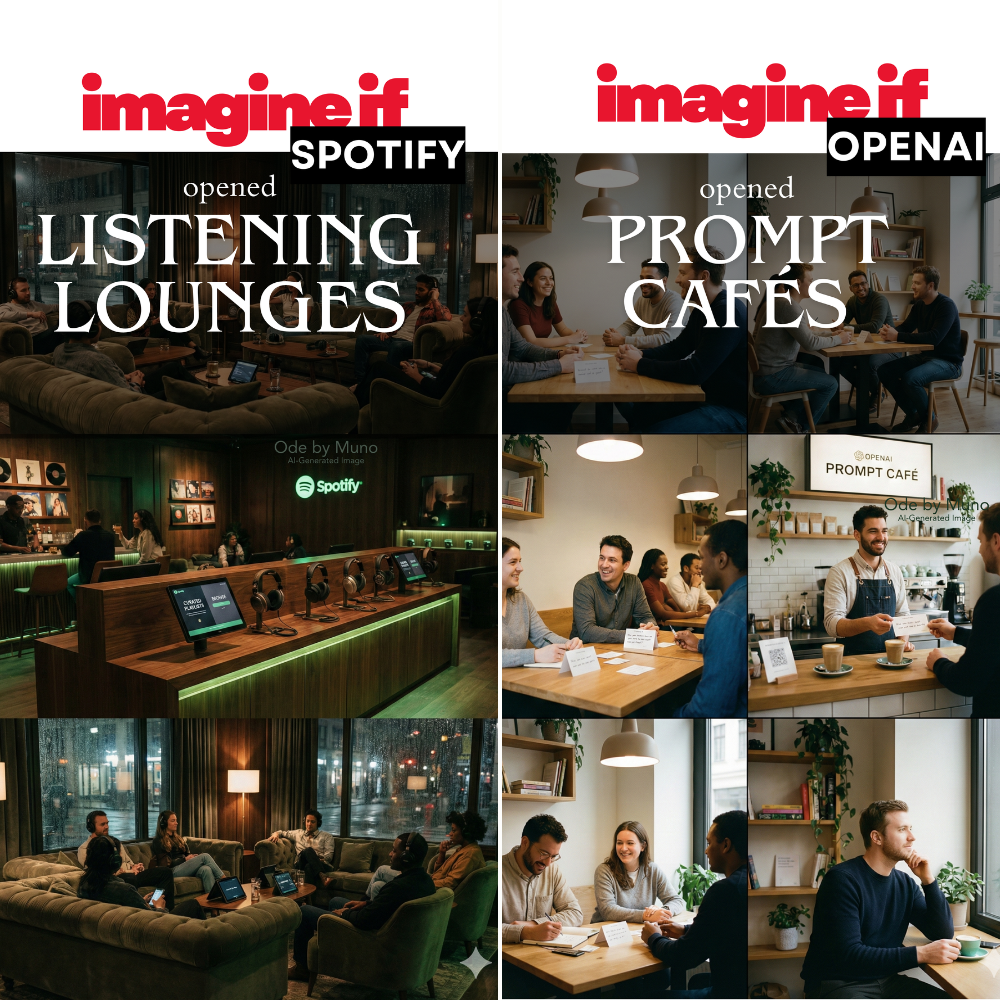
“Imagine if…” : thoughts on future spaces
What if the spaces we already use every day were redesigned for connection instead of efficiency? Imagine AMC theaters turning into culture rooms for watch parties, Trader Joe’s adding tasting lounges, gyms creating cooldown cafés, or museums offering sketch-friendly community hours. Picture Sephora running free beauty classes again, Spotify opening listening lounges, or Discord hosting IRL local servers for gaming and board games. None of these require building new infrastructure; just rethinking what’s already there.
Some cities have bad UX
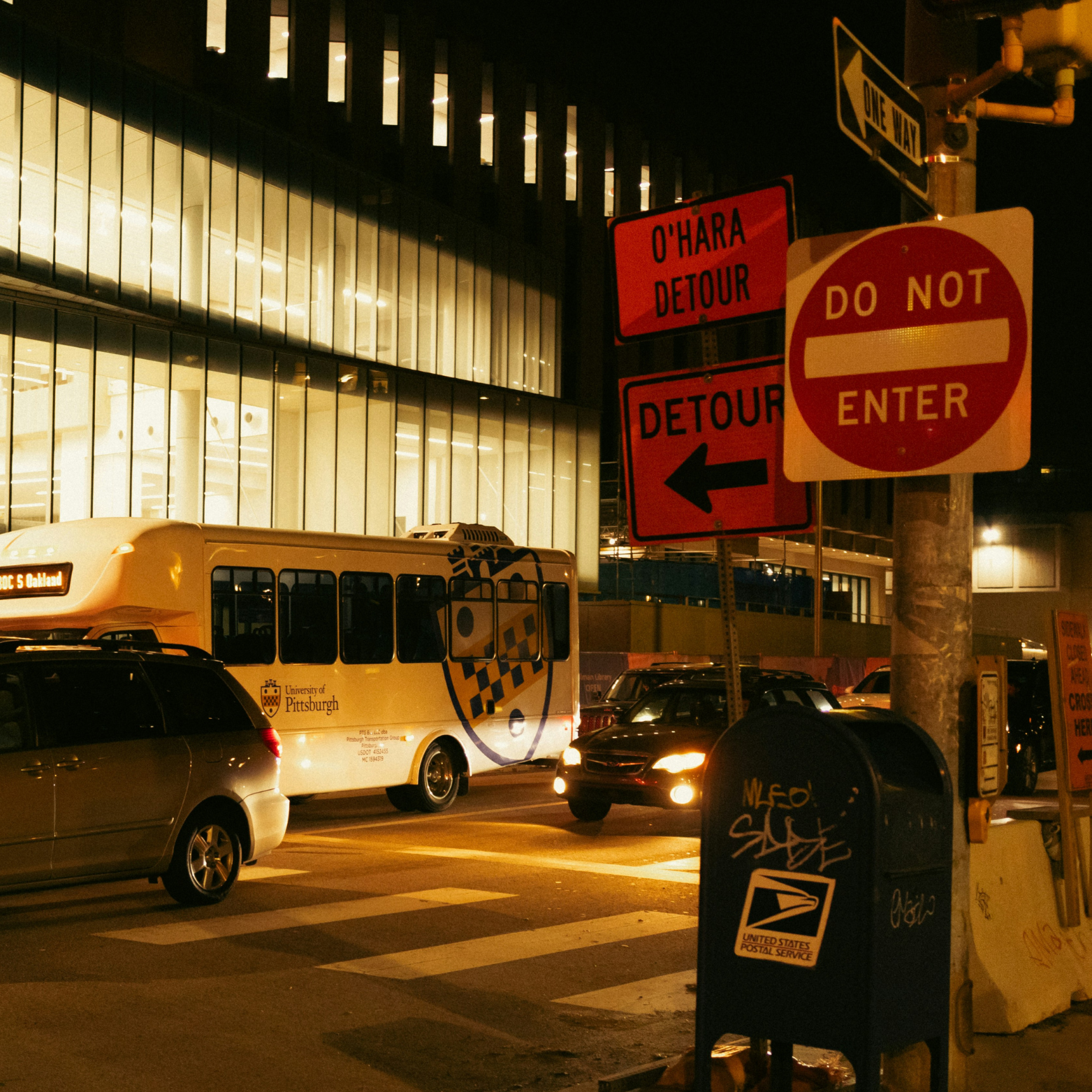
I came to Pittsburgh for grad school and somehow I'm still here. The city revolves around sports bars, hockey, football: none of it my vibe. Making friends feels like playing chess as an amateur. The demographics skew older & non “me” in ways that make connecting harder. The infrastructure doesn't help. Houston’s similar... people basically live 40 mins apart. NY has access, but every trip is a mission. Urban design is interface design. Some cities are cognitively expensive: car-dependent, confusing, spatially stressful. Bad planning is a daily tax on relationships, activities, access. Let’s talk about it.
Third places are disappearing — here’s the data
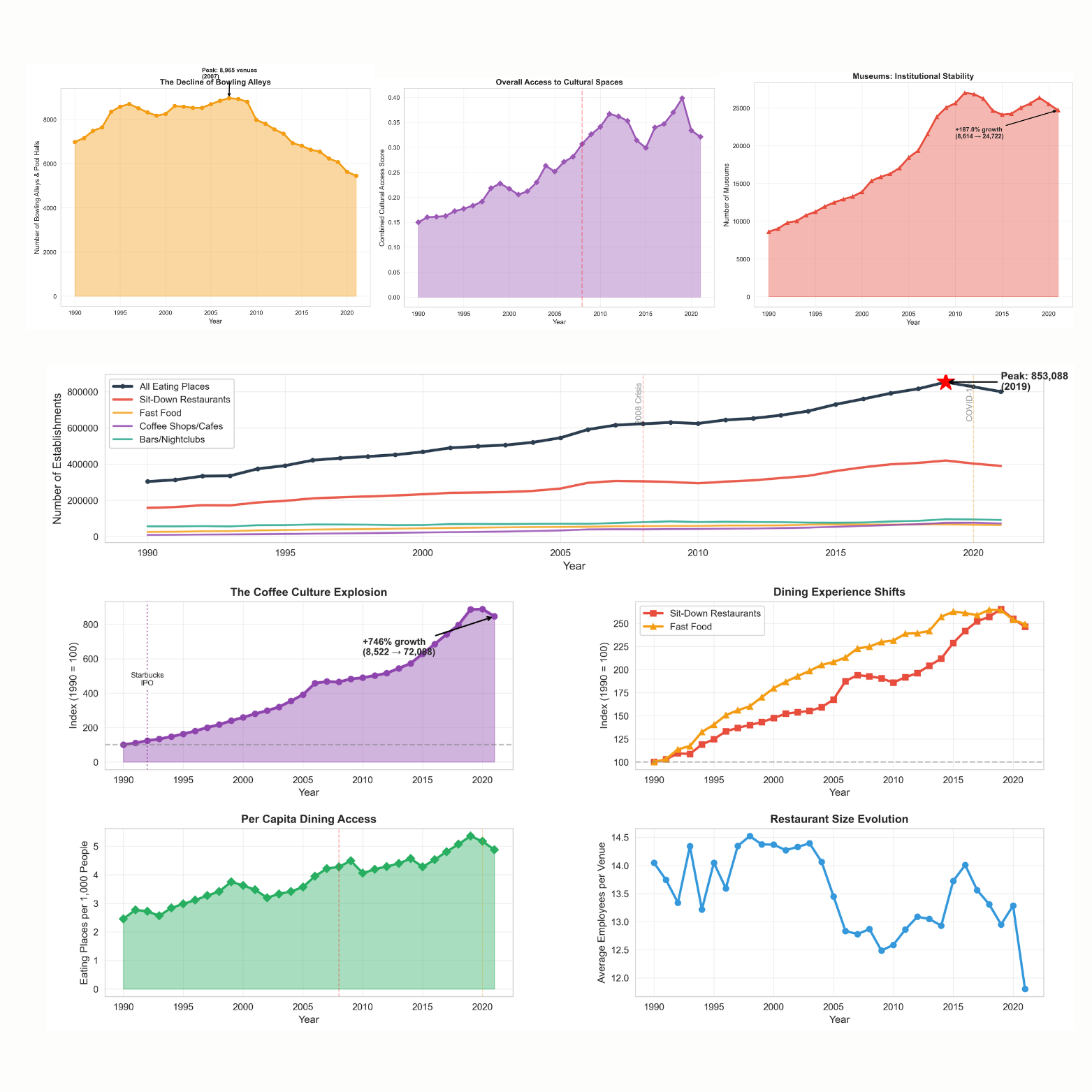
My last post shared my personal experience with disappearing third places. This one looks at the data. Using the National Neighborhood Data Archive (NaNDA), I analyzed three decades of establishment trends across U.S. neighborhoods where people could eat, shop, exercise, and gather from 1990 to 2021. The dataset shows which spaces grew, which collapsed, and where access declined. It also reveals a clear pattern: America’s social infrastructure shifted, segmented, and became more paywalled.
Third places are disappearing
I've always been someone who learns through experience: cooking, exploring, new activities. But the spaces where casual interaction happened are disappearing. Coffee shops are remote offices now. Libraries feel formal. Parks require a reason. Malls don't feel safe. Froyo shops closed. Nice bars are too expensive. These every day spaces between home and work/school places shaped how we connect. Without them, we're finding it hard to meet and be around people casually. Where are your third places? I'm still searching for mine.