
Infrastructure is invisible until it isn't
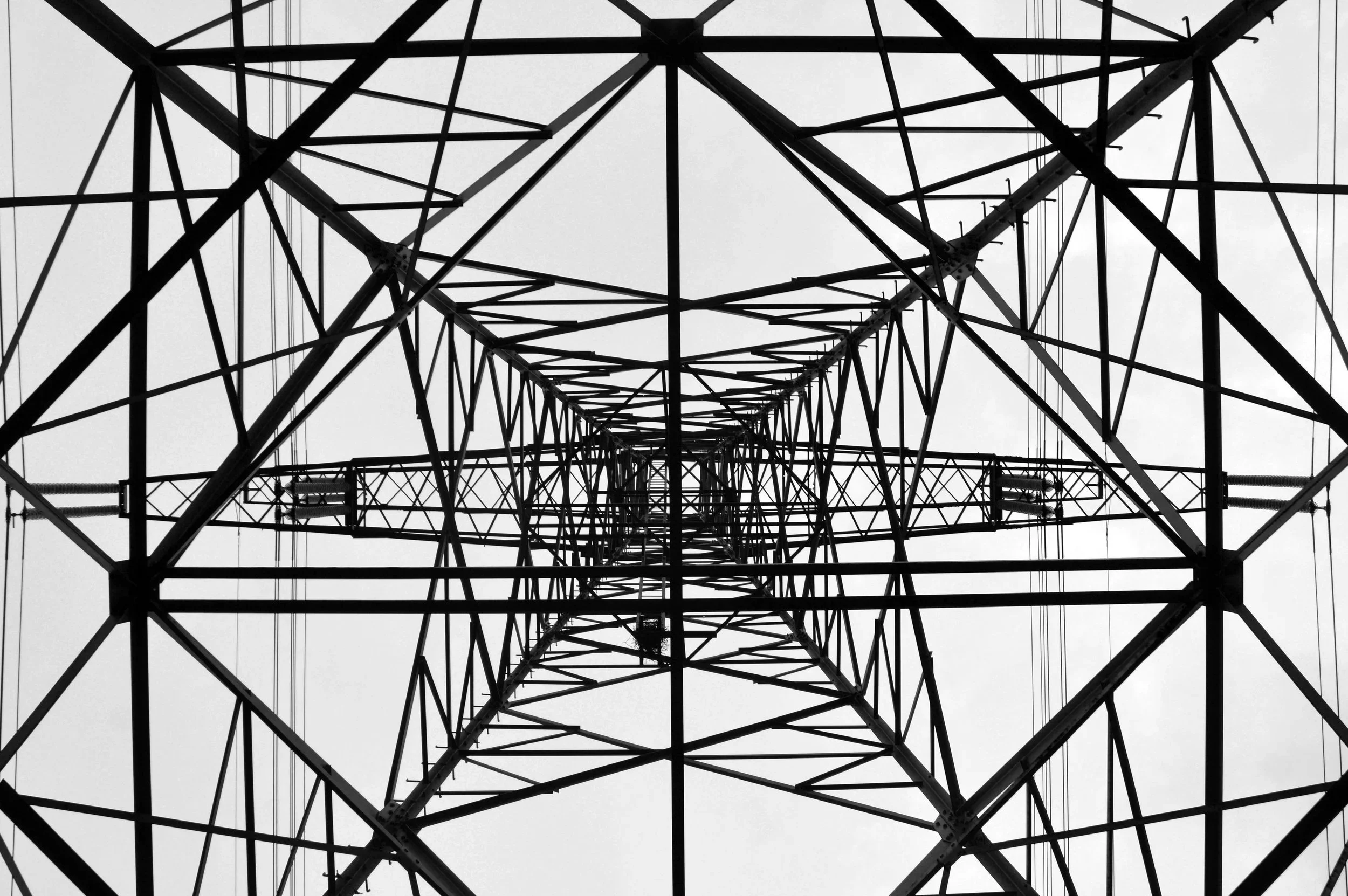
I was updating my map of the AI ecosystem when a pattern emerged: most people talk about AI as if it's invisible software. It is a stack of dependencies, from rare earth minerals to power grids and massive data centers. Industries that never had to think about each other are now completely interconnected. The "invisible" physical systems that power our digital world are becoming visible, not to just a few.
How AI names encode design philosophy: a timeline
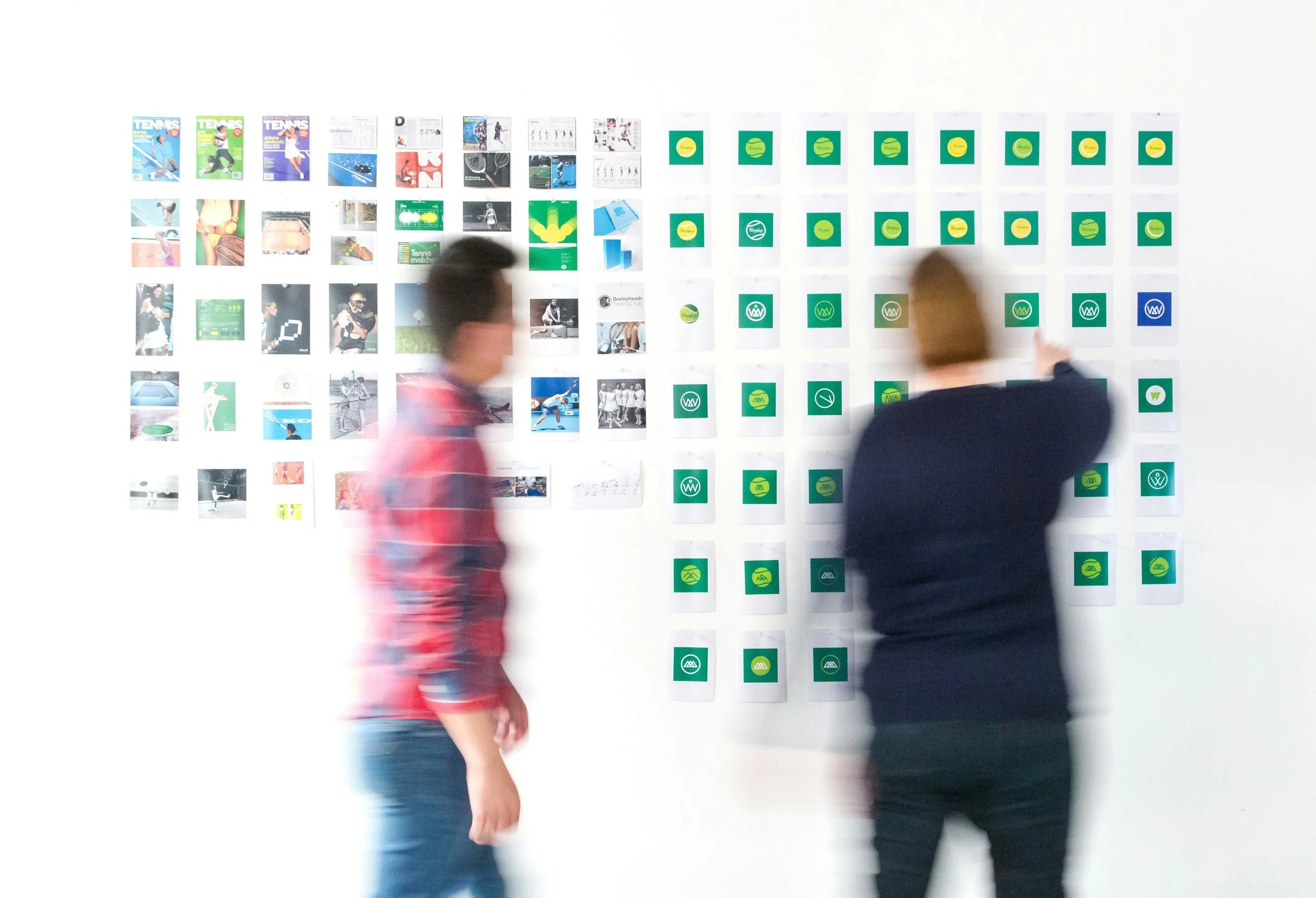
From AlphaZero's blank slate to Superhuman's rebrand from Grammarly, 20 systems across 8 years reveal how AI naming evolved from functional to philosophical. Transformer announced a paradigm shift in 2017. ELMo and BERT made NLP approachable through Sesame Street characters. Agents/copilots are creating a new system. The metaphors are changing our relationship with technology.
Why AI models have poetic names
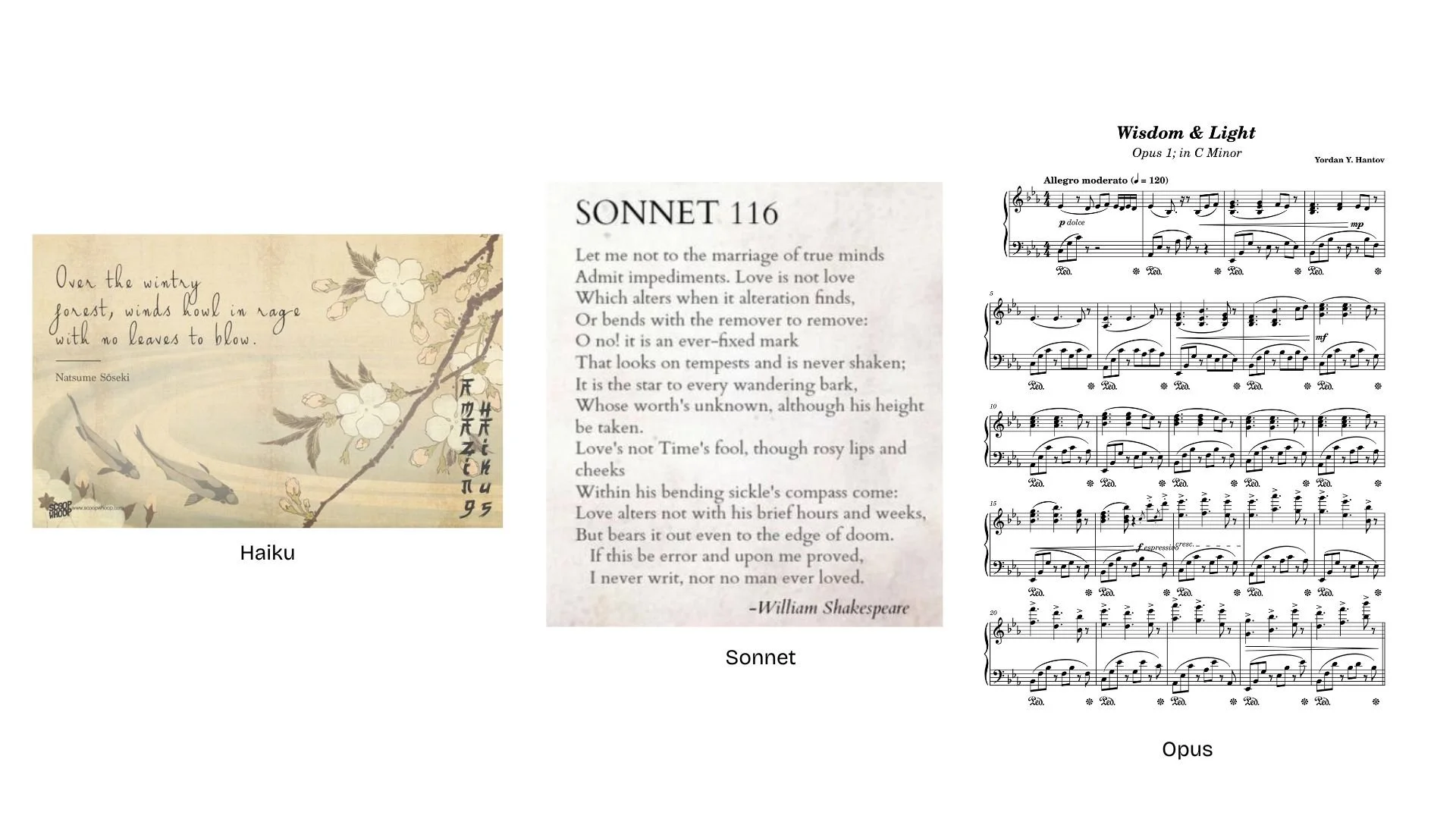
When Anthropic names a model "Haiku," they're encoding design philosophy: maximum meaning, minimum tokens. AI vocabulary shifted from mechanical (overfitting, regression) to psychological (hallucination, memory). We don't panic about logistic regression the way we do for LLMs. Because once you name something like it has a mind, you've already committed to treating it that way.

Think about thinking
When you interact with ChatGPT, you start noticing how you think. You refine prompts and realize you're mapping what you really want to know. You're not just getting answers, you're discovering how you ask questions. AI becomes a mirror, making the invisible systems of thought suddenly visible. We've always been part of feedback loops, shaping and shaped by the systems around us. The only difference now is that this feedback loop is immediate, responsive, and "feels more personal," forcing us to confront our role within it.