
t = t₀ + Δt · (signal strength)
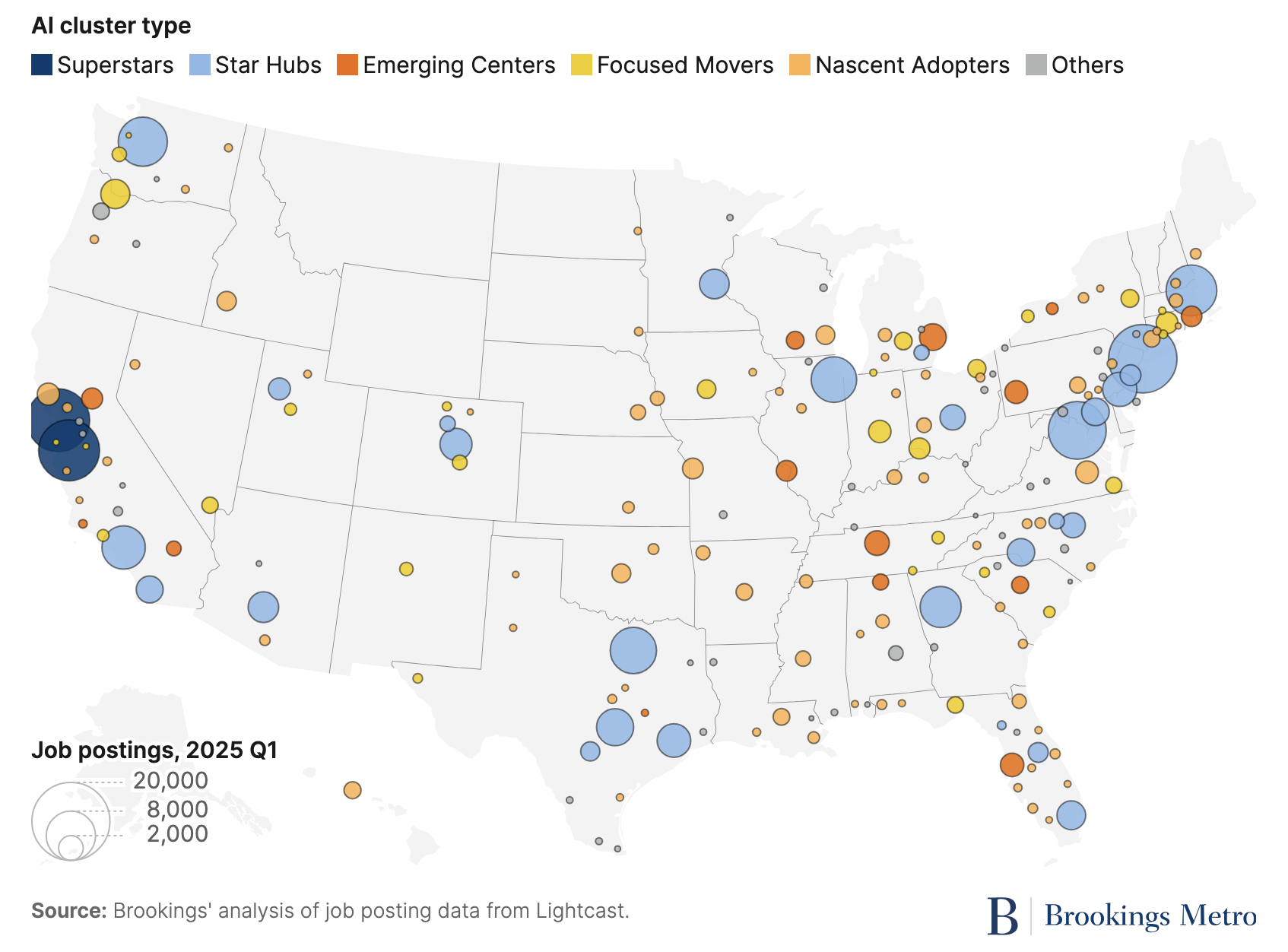
I’ve been thinking about time as a kind of diagnostic tool, a way to understand the moment we’re living in. If future time = present time + (Δt × signal strength), then the future isn’t somewhere ahead of us. It’s here... but blurry. Lists like Forbes 30 Under 30 are one of those signals. This year’s top cities (NY, SF, LA, Boston, Chicago) map almost perfectly onto the places with the highest AI job density + the strongest builder/creator ecosystems. Even the funding tells its own story: $3.8B distributed across 600 honorees. Time leaves traces of signals to anticipate & I’ll dive deeper into the data.
The digital divide 2.0
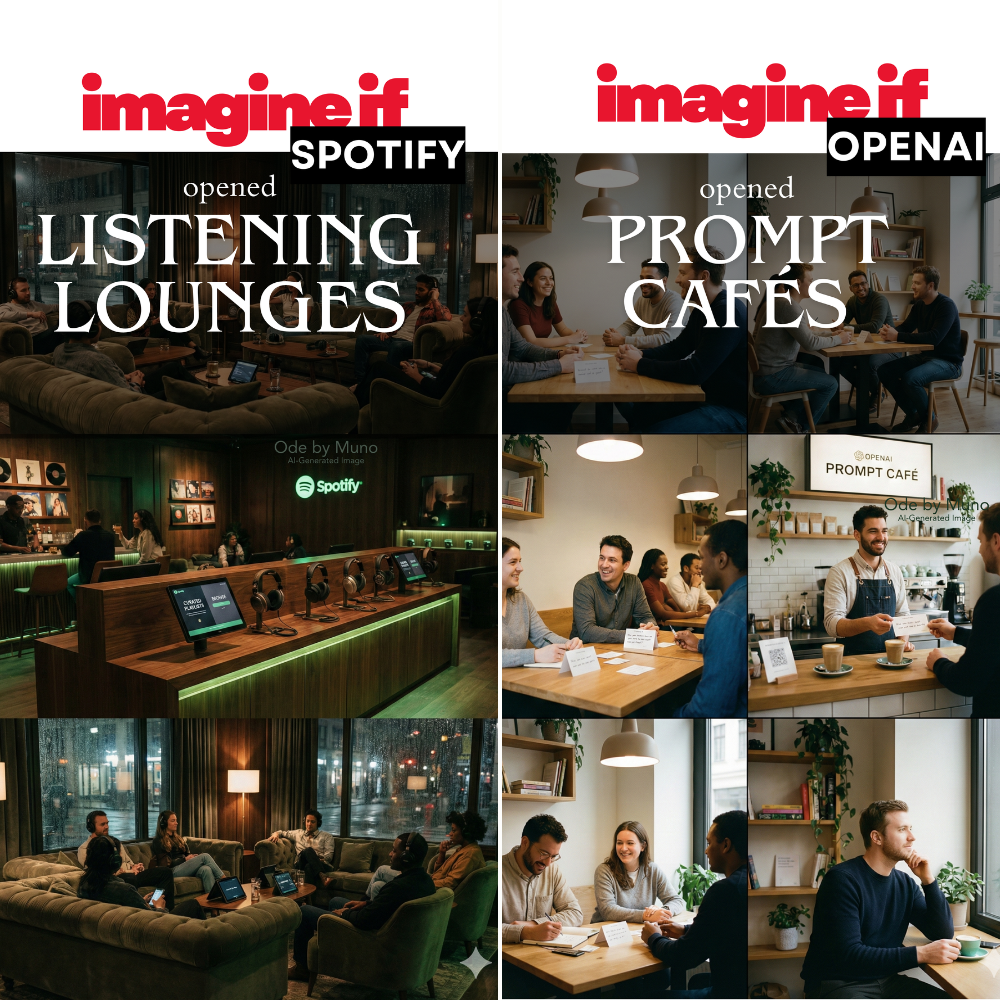
I was wondering, if the “Imagine if…” spaces ever became real, where would they appear first? Probably in the cities that already have the tech, density, and money to support them. And that’s the real point, just like some places have bad physical UX, some have bad digital UX. The new digital divide is about AI: where you live now shapes what tools you can use, what jobs you can access, and whether you can compete at all. There are a handful of “hotspots,” creating pressure on community, relationships, and affordability. This shift affects where we live, which properties hold value, and how invisible digital systems are quietly shaping opportunity.
“Imagine if…” : thoughts on future spaces
What if the spaces we already use every day were redesigned for connection instead of efficiency? Imagine AMC theaters turning into culture rooms for watch parties, Trader Joe’s adding tasting lounges, gyms creating cooldown cafés, or museums offering sketch-friendly community hours. Picture Sephora running free beauty classes again, Spotify opening listening lounges, or Discord hosting IRL local servers for gaming and board games. None of these require building new infrastructure; just rethinking what’s already there.
Third places are disappearing — here’s the data
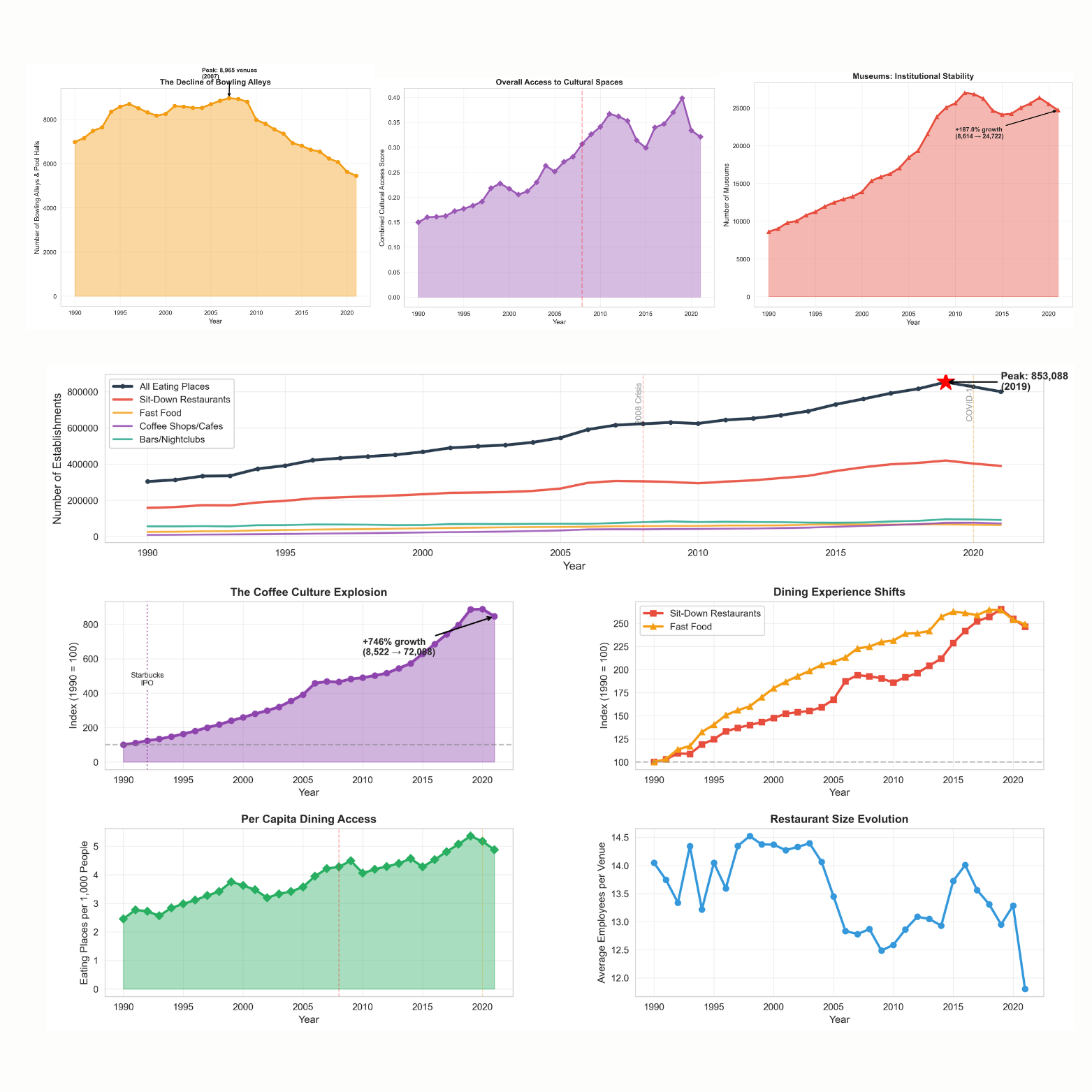
My last post shared my personal experience with disappearing third places. This one looks at the data. Using the National Neighborhood Data Archive (NaNDA), I analyzed three decades of establishment trends across U.S. neighborhoods where people could eat, shop, exercise, and gather from 1990 to 2021. The dataset shows which spaces grew, which collapsed, and where access declined. It also reveals a clear pattern: America’s social infrastructure shifted, segmented, and became more paywalled.
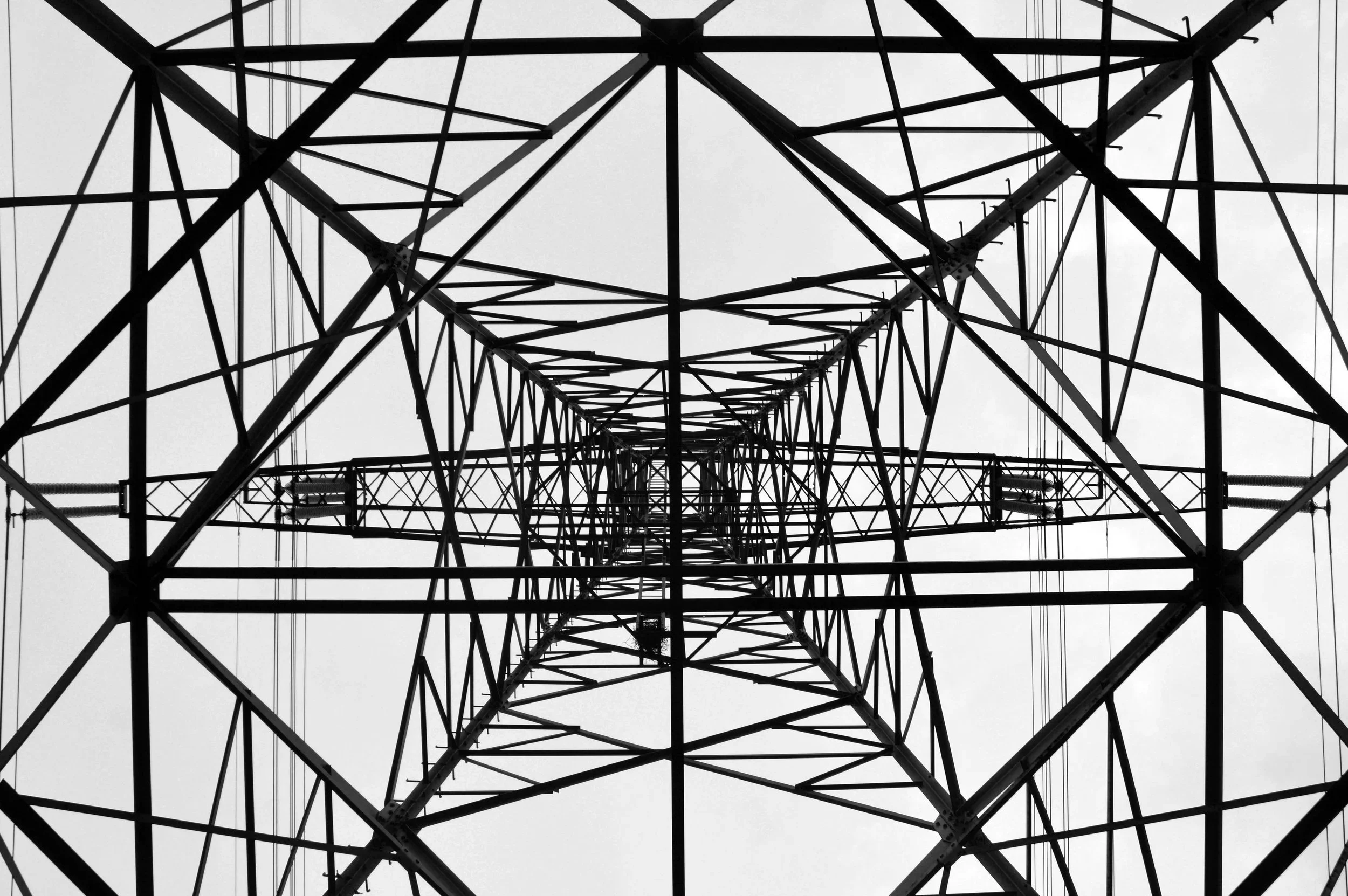
Infrastructure is invisible until it isn't
I was updating my map of the AI ecosystem when a pattern emerged: most people talk about AI as if it's invisible software. It is a stack of dependencies, from rare earth minerals to power grids and massive data centers. Industries that never had to think about each other are now completely interconnected. The "invisible" physical systems that power our digital world are becoming visible, not to just a few.