Perfume was our first algorithm
Long before formal mathematics, a Mesopotamian woman named Tapputi was already experimenting with scent. Around 1200 BCE, she distilled flowers, adjusted ingredient ratios, and tested how perfumes lasted on skin and affected the people who wore them. Her work represents something I think is profound: perfumery may have been humanity's first true system of experimentation. Input ingredients, test combinations, optimize for feeling.
And we still experiment today through layering and building what experts now call "scent wardrobes."
As neuroscientist Dr. Tara Swart explains, "Out of every product in the beauty space, fragrance is without doubt the most emotional and subjective of them all. In one single inhale, a specific scent can immediately conjure up a memory, a place, a person or a feeling. That's because the olfactory nerve connects all senses to the brain and forms part of the limbic system which controls your memory and emotions."
Today, I want to help you discover the notes and scent families you love, and teach you how fragrances are constructed so you can choose with confidence.
The architecture of fragrance: top, middle, and base notes
Every perfume tells a story in three acts. Understanding this structure is essential to choosing fragrances that will serve you from first spritz to final fadeout.
Top Notes: The First Impression
Top notes are what you smell immediately upon application: the bright, attention-grabbing introduction. They're typically light, volatile molecules that evaporate within 15-30 minutes. Common top notes include citrus fruits (bergamot, lemon, yuzu, pomelo), fresh herbs (basil, mint), and light fruits (lychee, mango, guava).
Choosing tip: Don't buy a perfume based solely on the first spray. Top notes fade quickly, wait at least 20 minutes to experience the heart of the fragrance.


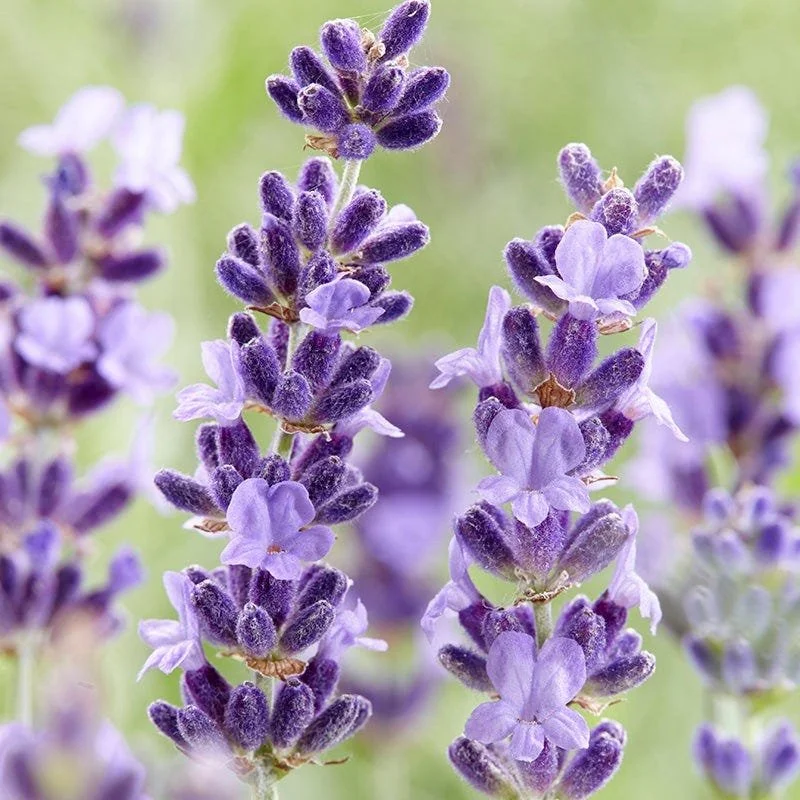
Middle Notes (Heart Notes): The True Character
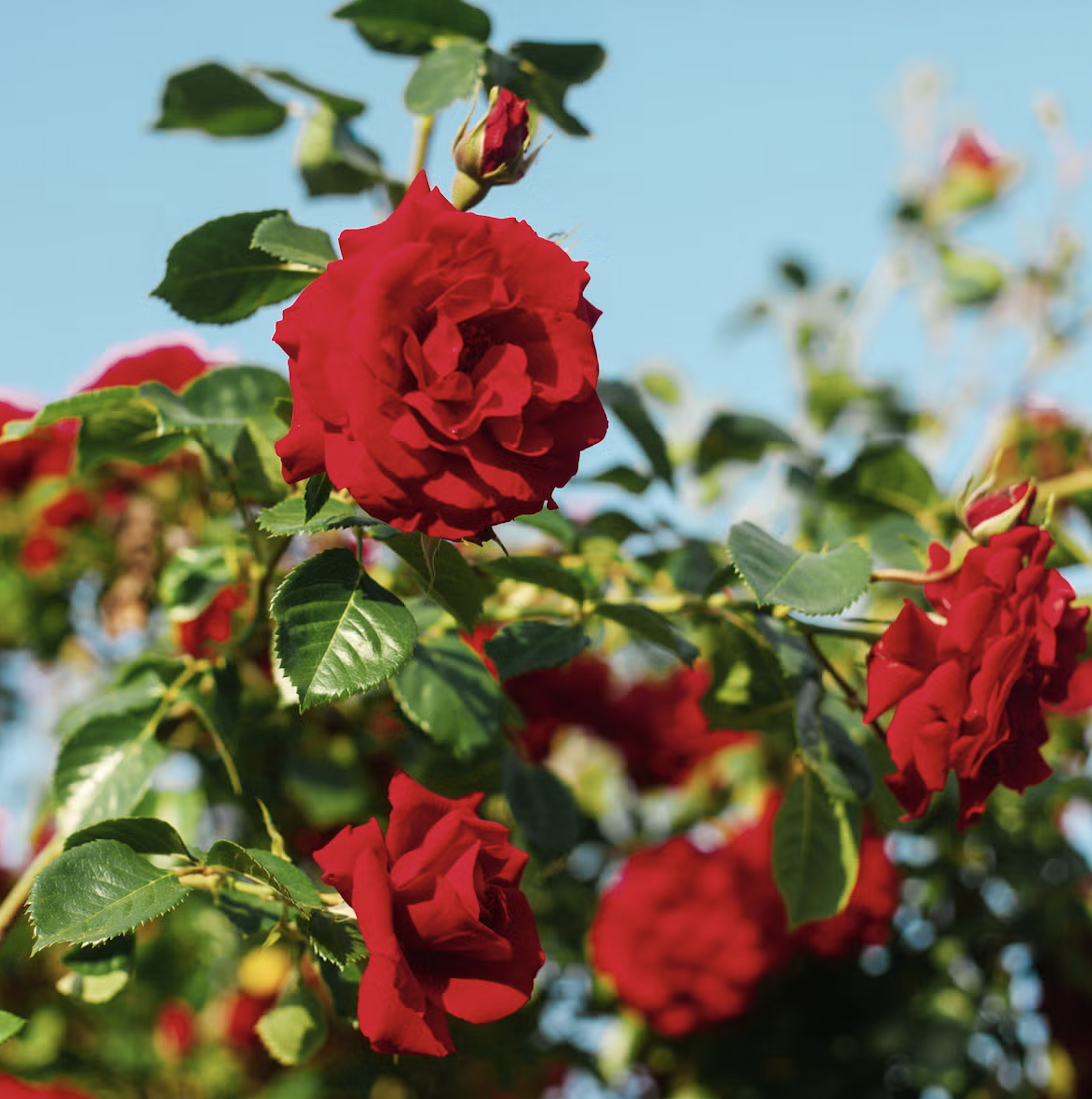
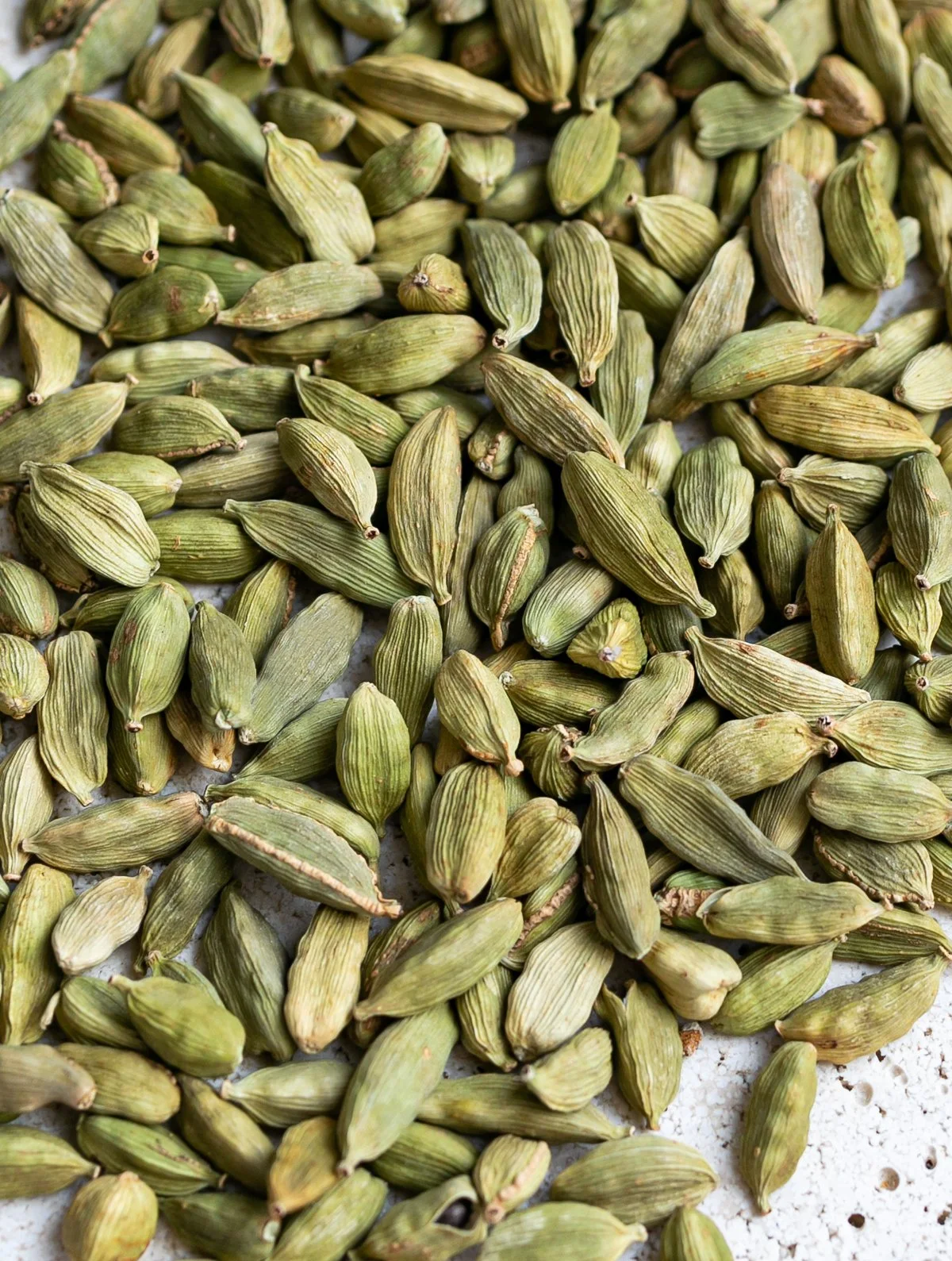
The heart emerges as top notes fade, typically lasting 2-4 hours. This is the fragrance's true personality. Heart notes are often floral (rose, jasmine, ylang-ylang), spiced (cardamom, cinnamon, clove), or fruity (peach, passion flower). As industry experts note, "florals are evolving from airy delicacy to dark intensity as black florals, cocoa, saffron, and cardamom infuse winter classics with energy." (Cosmetica 2026/27 Fragrance Trends)
Choosing tip: The heart notes should resonate with how you want to feel throughout your day. If you're seeking comfort, look for soft florals. For confidence, choose bold spices.
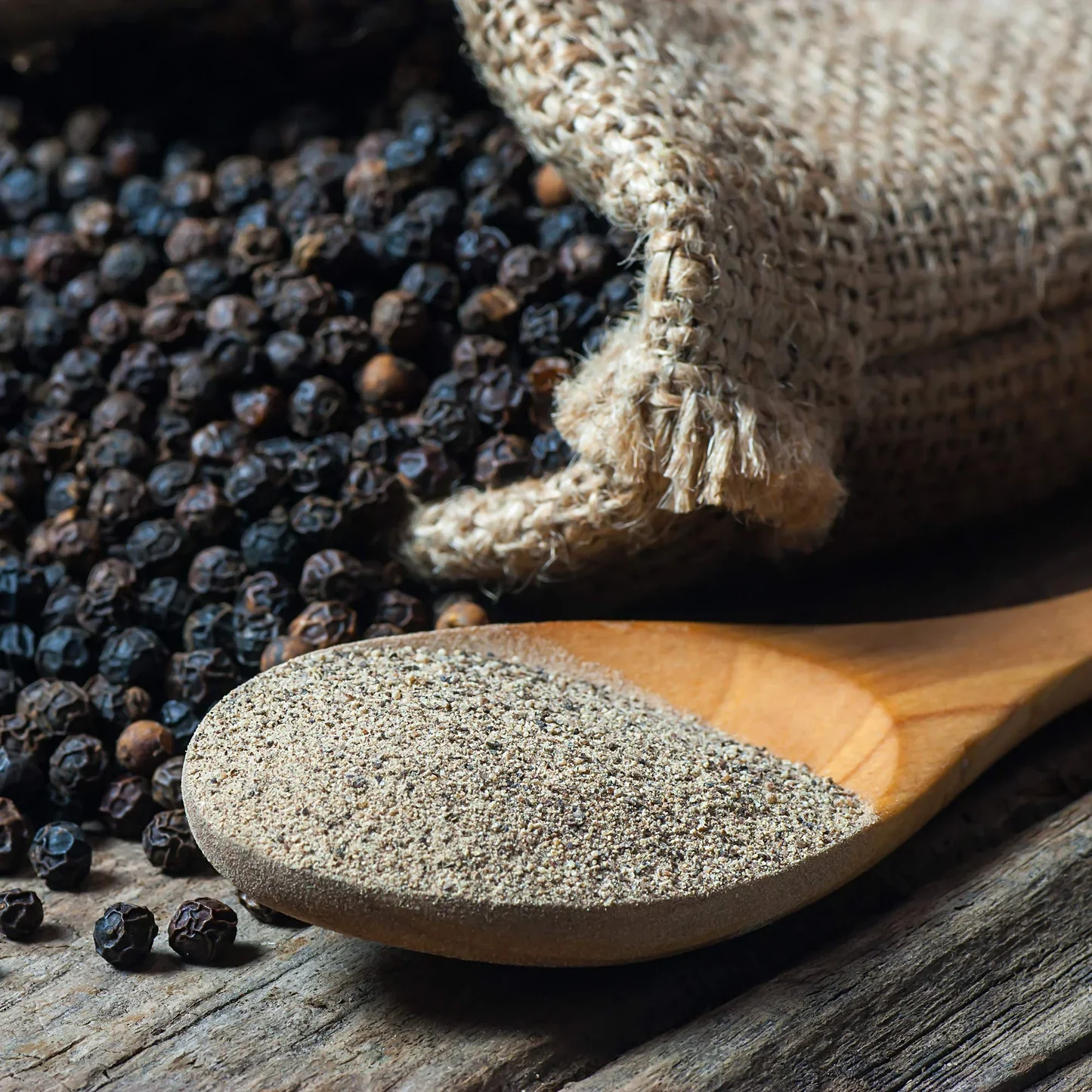
Base Notes: The Lasting Memory
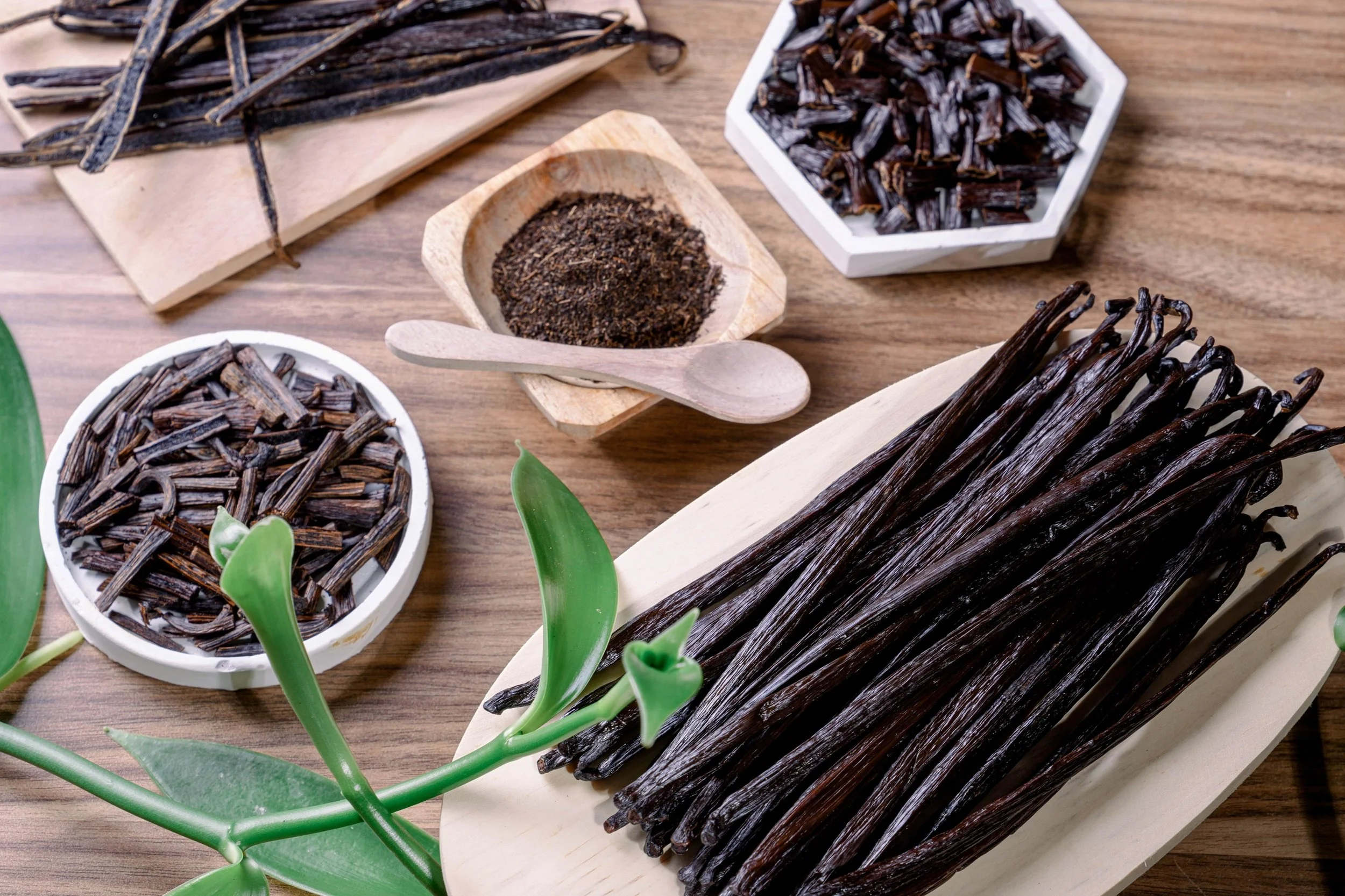
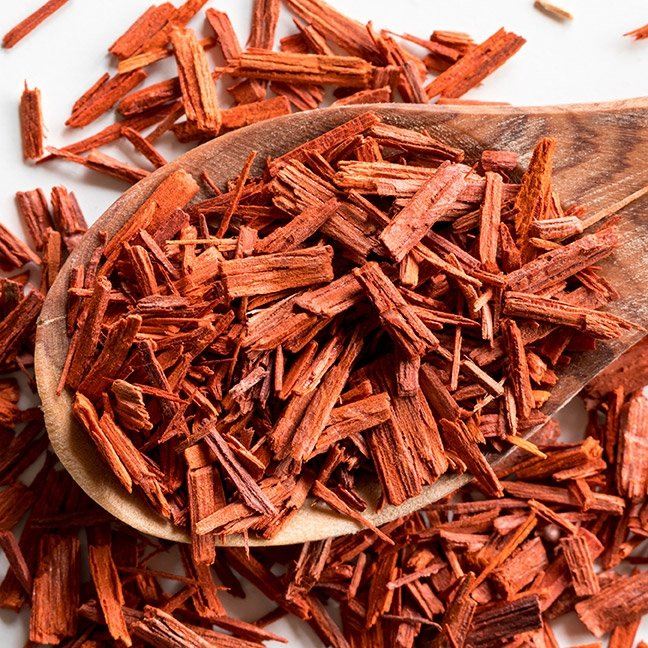
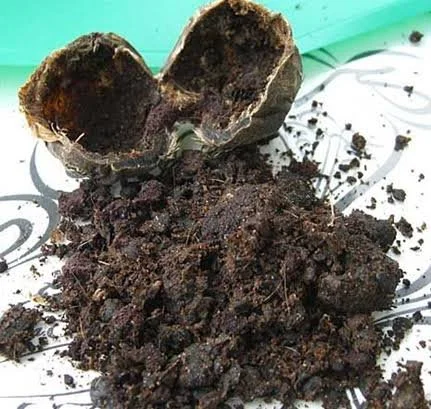
Base notes are the foundation: rich, heavy molecules that can last 6-24 hours on skin. They include woods (sandalwood, cedarwood), resins (amber, labdanum), musks, and deep notes like oud, patchouli, and vanilla.
Choosing tip: Base notes determine a fragrance's sillage (trail) and longevity. If you want a scent that announces your presence, look for strong base notes. For intimate wear, choose softer foundations.
How to build your scent wardrobe
The era of the "signature scent" is ending. As Yasmin Sewell, founder of Vyrao, explains: "People are no longer looking for a single signature scent. Fragrance is emotional at its core, and our emotions aren't static: so why should our scents be?" (The 9 Best Fragrance Trends for 2026 – Marie Claire)
Instead, the modern approach is building a fragrance wardrobe: "multiple fragrances for different moods, moments, and energies." This reflects how 65% of U.S. consumers now prefer to mix scents, with "Gen Z & Alphas embracing layering rituals across body, hair, and personal care." (Cosmetica 2026/27 Fragrance Trends)
You don't need dozens of fragrances. You need the right ones. A minimal scent wardrobe is about "thoughtfully curated offerings featuring versatile, multi-use essentials" that reduce decision fatigue while covering the emotional and practical moments of your life. (Beauty Trend Forecast 2026 – Mintoiro)
Build your minimal wardrobe around 5 functional categories, organized by how you want to feel. This guide will help you build a focused wardrobe of 3-6 fragrances that covers every occasion.
1. The base layer
When you wear it: Under any other fragrance, or alone when you want something barely-there
What it needs to do: Play well with everything. Extend and deepen whatever you layer on top. Never compete.
What to look for
Single-note or simple compositions: Pure vanilla, white oud, clean musk
Neutral, skin-enhancing notes: "Natural formulas tend to evolve more beautifully on the skin. They feel alive because they are." (Isaac Sinclair – Marie Claire)
Layering-specific products: "Layering balms, primers, oils" designed specifically for this purpose. (Cosmetica)
Warm ambers and soft woods: These adapt to anyone's skin chemistry and amplify other fragrances.
Format tip: Oils work exceptionally well here; they absorb into skin and create a good foundation.
How to use: Apply to pulse points, let dry for 30 seconds, then apply your main fragrance on top. The base should extend longevity and add depth without changing the character of your topcoat.
2. The quiet one
When you wear it: Flights, crowded public transit, offices with close seating, hospitals, anywhere you're in someone else's breathing space
What it needs to do: Be pleasant if noticed but nearly invisible otherwise. No one should be able to identify that you're wearing something unless they're very close to you.
What to look for
Low sillage formulas: Fragrance oils and solid perfumes project less than sprays
Soft, transparent notes: White tea, sheer florals, light woods, soft cotton
"Unisex signatures": These tend to be clean musks, ambers, and versatile woods that read as polished but neutral.
Skin scents: Fragrances designed to smell like "you, but better"; detectable only up close
Avoid: Anything with big projection, strong oud, heavy spices, or polarizing notes. If someone three rows back can smell you on a plane, you've failed.
3. The active scent
When you wear it: Gym, yoga, hiking, any situation where you'll sweat
What it needs to do: Mix well with body heat and sweat without turning sour or overwhelming. Should smell better as you warm up, not worse.
What to look for
Clean musks: These "adapt to anyone's skin chemistry" and blend naturally with your own scent. (B Futurist)
Fresh aquatics and salty notes: "Clean, salty 'aquatic' notes" evoke the beach rather than fighting against sweat. (B Futurist)
Light citrus: Stays fresh as body temperature rises
Skin-like notes: "Home-inspired accords of linen, suede, and steam" that feel like a natural extension of clean skin. (Cosmetica)
Avoid: Heavy orientals, sweet gourmands, anything with prominent incense or leather.
Format tip: A body mist or light eau de toilette works better than heavy EDP here.
4. The fresh signature
When you wear it: Daytime, casual outings, brunch, shopping, anywhere you want to smell good without trying too hard
What it needs to do: Be light enough for day but distinctive enough that people remember it. The "I always smell so good" scent.
What to look for
Modern florals with an edge: "Florals with tension built into them, where you get beauty and shadow in the same breath... resins, bitter herbs, damp woods, and aromatic leaves." (Isaac Sinclair, Master Perfumer – Marie Claire)
Fruit-forward scents: "Piquant fruit notes" like lychee, peach, mango that are "perfect for summer" and feel approachable.
Citrus with depth: Not just flat lemon; look for bergamot, yuzu, or blood orange with supporting notes
Green and herbal: Basil, cucumber, rhubarb; "vegetal gourmands" that feel fresh but interesting.
The test: Would you get a compliment from a stranger? If yes, it's distinctive enough. If it fades into "clean laundry" territory, it's too generic.
5. The statement
When you wear it: Dates, parties, important events, any occasion where you want to be remembered
What it needs to do: Make a lasting impression. This is your "entrance" fragrance; it should have presence, longevity, and personality.
What to look for
Rich base notes: Look for fragrances where sandalwood, oud, amber, or vanilla form the foundation; these last 6-24 hours
"Dark florals": "Traditional flowers like rose and jasmine blended with 'dark' notes such as saffron, cocoa, cardamom, incense, and leather." (B Futurist)
Modern oud: The 2026 version is "'airy' and 'polished,' losing its heavy, animalic feel" and blended with "vanilla, transparent woods, and ambers to feel luxurious but wearable." (B Futurist)
Niche house originals: Something you won't smell on five other people at the same event
6. The memory scent (optional)
When you wear it: When you want to feel connected to a person, a place, a moment in time. Could be worn at home, during reflective moments, or when you need emotional grounding.
What it needs to do: Transport you. This isn't about smelling good for others, it's about triggering a specific feeling or memory that only you understand.
What to look for
Nostalgic profiles: Think: your grandmother's kitchen, a childhood vacation, a first apartment.
Place-based scents: "Petrichor" (the smell of rain on dry earth), ocean salt, forest floor, sun-warmed stone, scents that anchor you to a geography.
Sensory triggers: "Profiles such as fermented fruits, mochi, and home-inspired accords of linen, suede, and steam" can evoke specific domestic memories. (Cosmetica)
Personal associations: A note that reminds you of someone: their soap, their house, their garden. This is deeply individual.
How They Work Together
The beauty of this system is versatility. Here's how to combine:
• Base Layer + Fresh Signature = Extended daytime scent with more depth
• Base Layer + Statement = Maximum impact and longevity for special events
• Active Scent → Quiet One = Post-gym transition (shower off Active, apply Quiet One before heading somewhere)
• Fresh Signature + Memory Scent = Daytime-to-evening transition without changing entirely
• Quiet One alone = Your safest option for any uncertain situation
Quick Reference Chart
The Active Scent: Clean musk, aquatic, light citrus, skin scents
The Quiet One: Soft musk, sheer florals, white tea, transparent woods
The Fresh Signature: Modern florals, bright fruits, citrus with depth, green notes
The Statement: Dark florals, modern oud, rich amber, distinctive niche
The Base Layer: Single-note vanilla/sandalwood/musk, layering oils, warm amber
The Memory Scent: Nostalgic gourmand, place-based scents
Thank you for thinking with me. This piece is part of Ode by Muno, where I explore the invisible systems shaping how we sense, think, and create.
The quote at the intro is from the book, Systems Intelligence.