experience = space · time
“Very often travelling is seen as cost element and not as an enabler to the awareness and commitment building. Not very systems intelligent!”
Introducing the Ode Experience
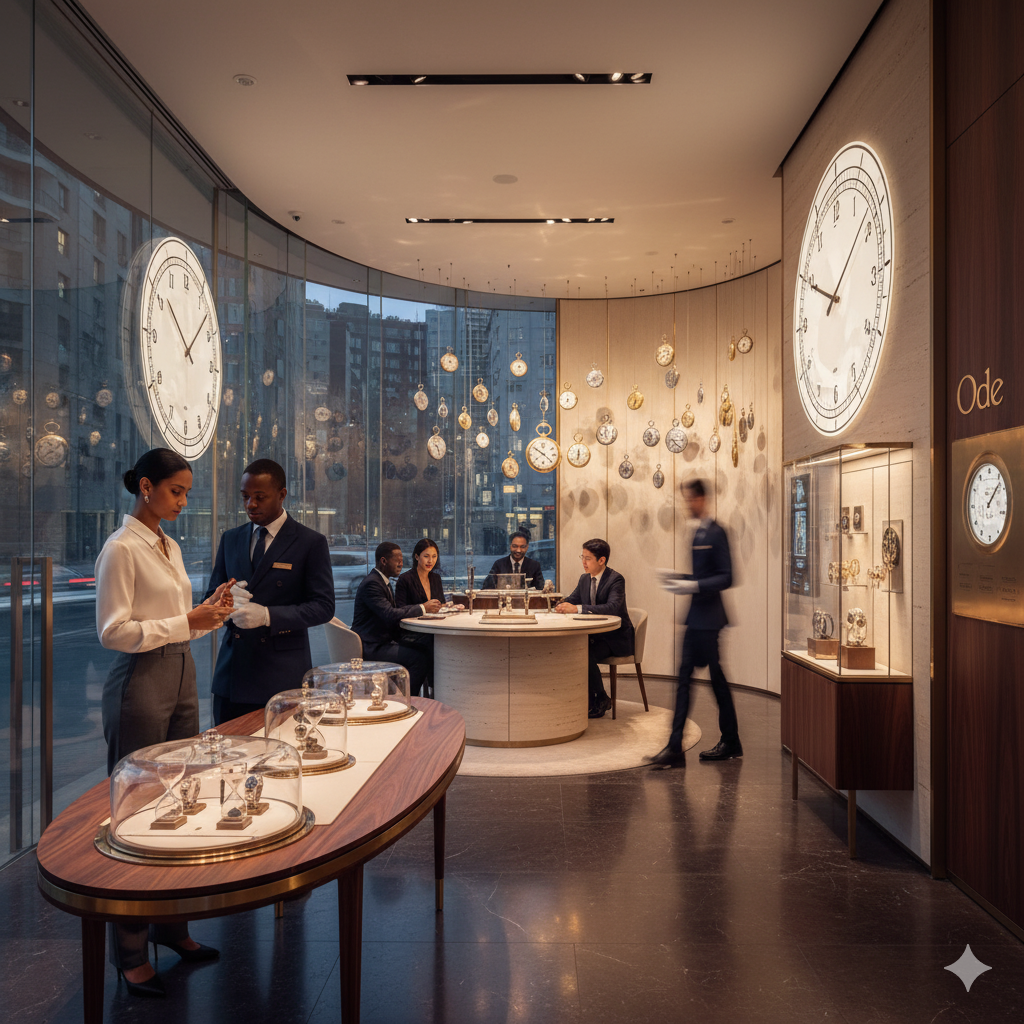
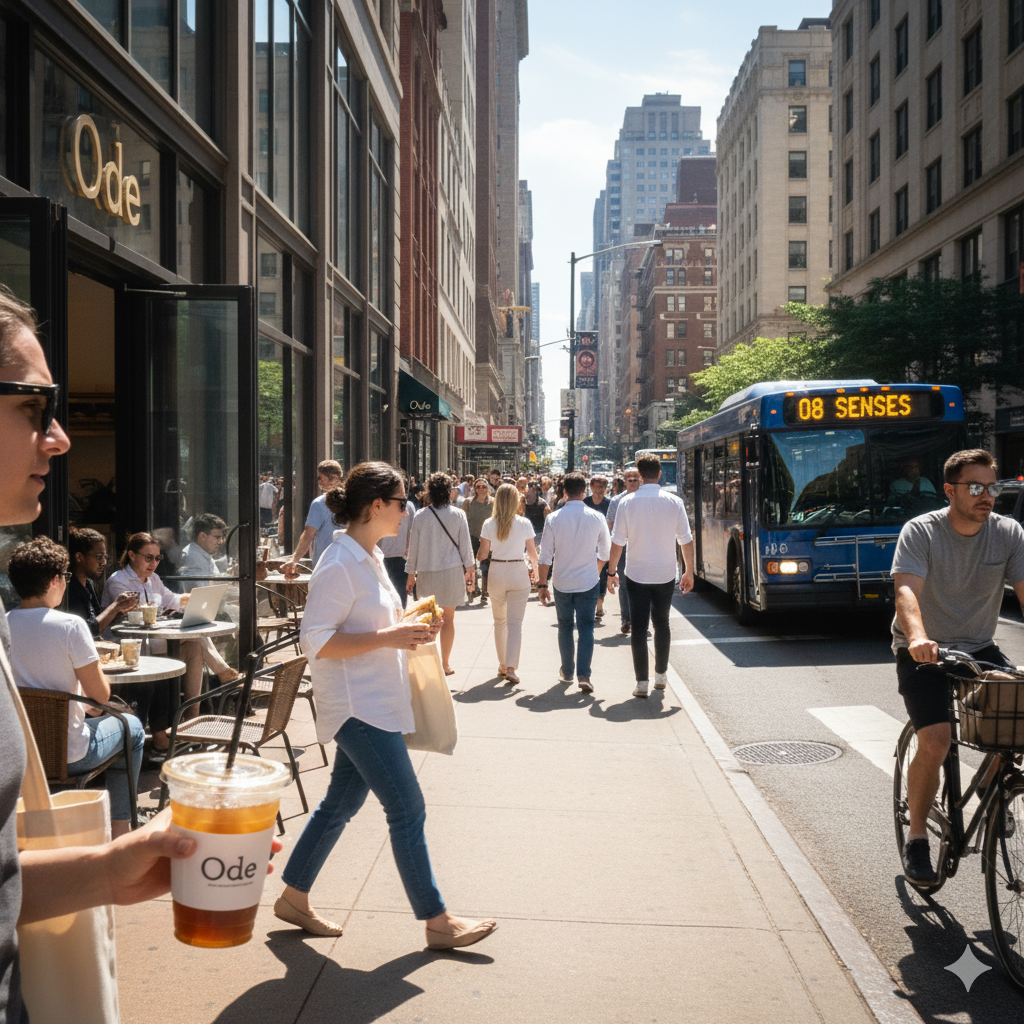
In my last post, I wrote about how retail is shifting from utility to perception; how fragrance, barware, and even shopping apps are becoming sensory interfaces. Commerce, lifestyle, and hospitality are starting to speak to all eight perceptual systems, not just sight. And once you see that pattern, you start noticing it everywhere as things are reorganizing around how we sense, not just what we buy.
It made me think about the other side of that equation: how we design our own lives with them.
Because the same framework that explains why certain products feel intuitive also explains why certain moments feel worth it.
The dinners we still talk about. The trips that reset us. The cities that change our pace. All the things I think about so deeply.
And honestly, I’ve planned so many trips (for myself, for friends, for whole groups) and I’ve been using this framework long before I had language for it. I didn’t call it “eight perceptual systems” or “Ode” back then. I just knew the trips that hit multiple senses always felt richer, more grounded, more memorable.
When you zoom out, the common thread is time.
A good experience is really just well-spent time: structured across multiple senses at once.
That’s what this post explores: how to use the eight perceptual systems as a practical guide for choosing where to go, how to move through a place, and how to curate nights and weekends that actually move you.
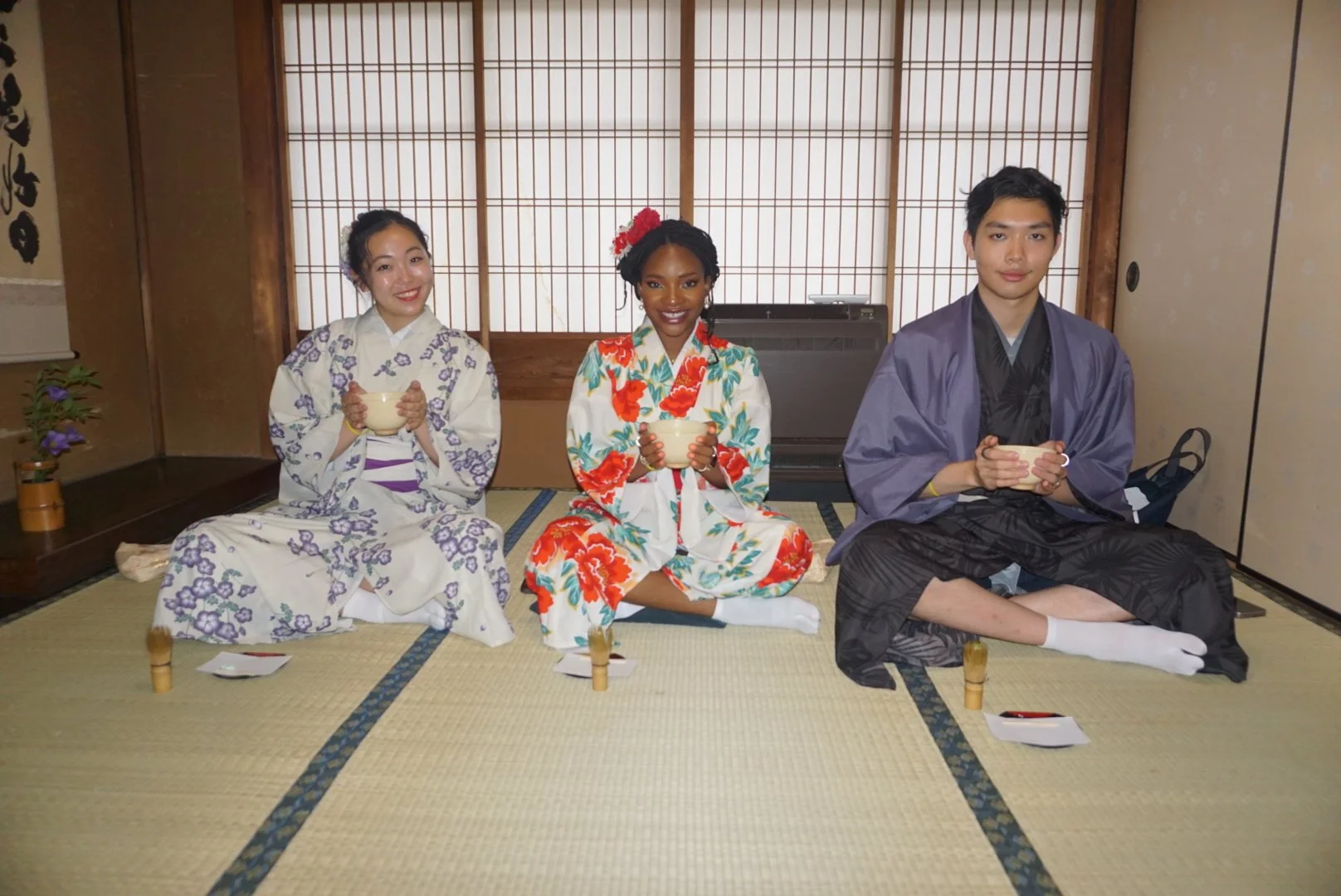
All narrated through a trip two of my friends and I planned to Japan.
The question underneath it all:
Is this experience engaging enough of my senses to be worth the time I’m giving it?
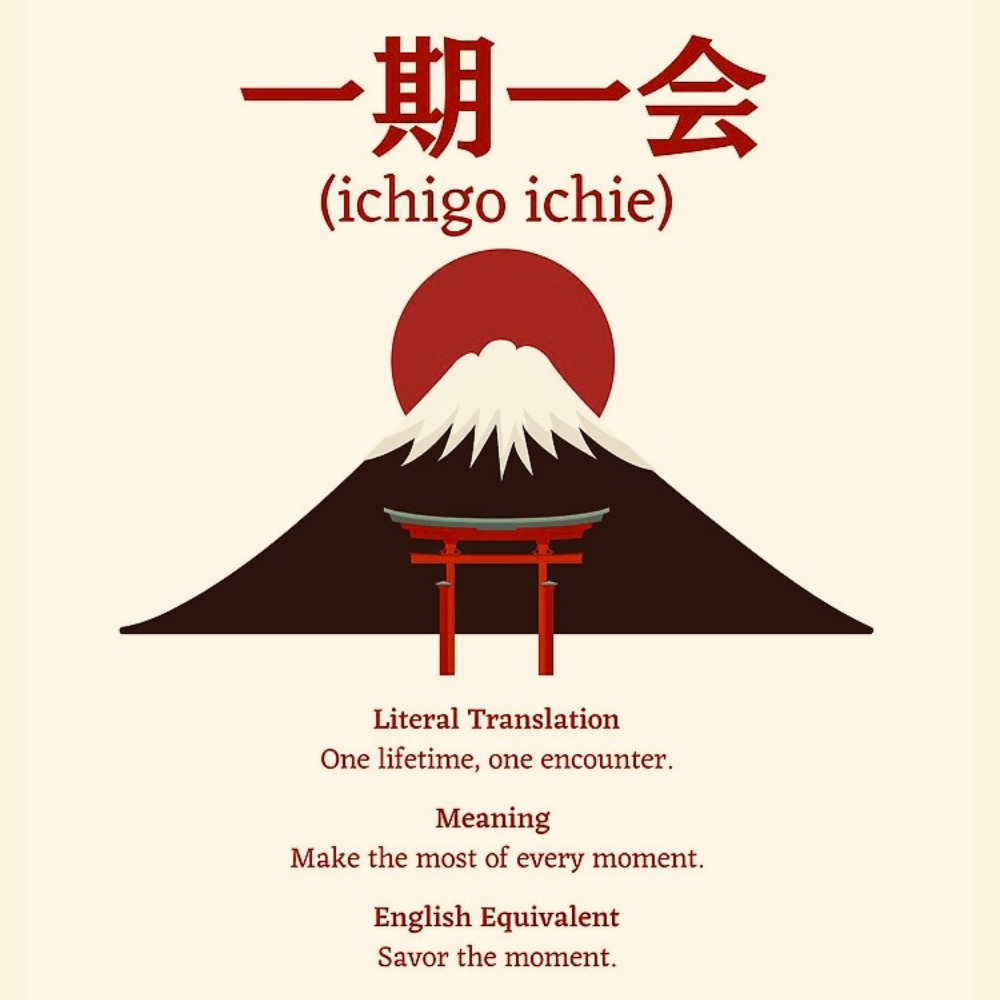
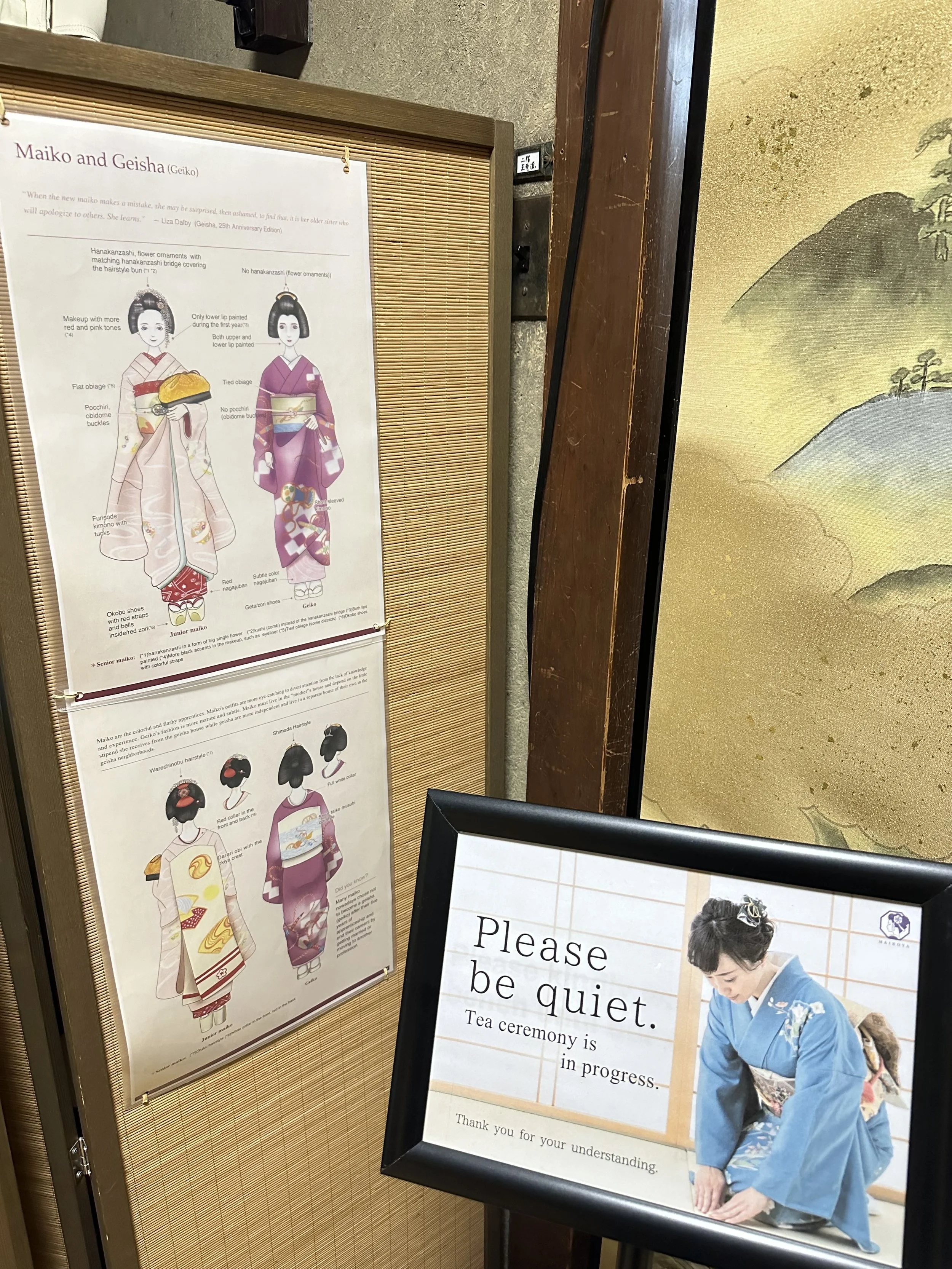
Was taught this phrase during a Tea ceremony I attended in Kyoto, Japan & it stuck with me ever since.
It carries a deeper meaning: every encounter is unique, every moment is unrepeatable, and because of that, it deserves your full presence.
It’s a reminder that even ordinary experiences become meaningful when you treat them as once-in-a-lifetime. Ichigo ichie is essentially the emotional core of time as a sense.
So, if this moment only happens once, how do you want to experience it?
Eight ways to tell if your time will feel well spent
Aristotle gave us five senses. But from an engineering perspective, and a lived experience perspective, I think there are eight ways we process the world:
The Classical Five:
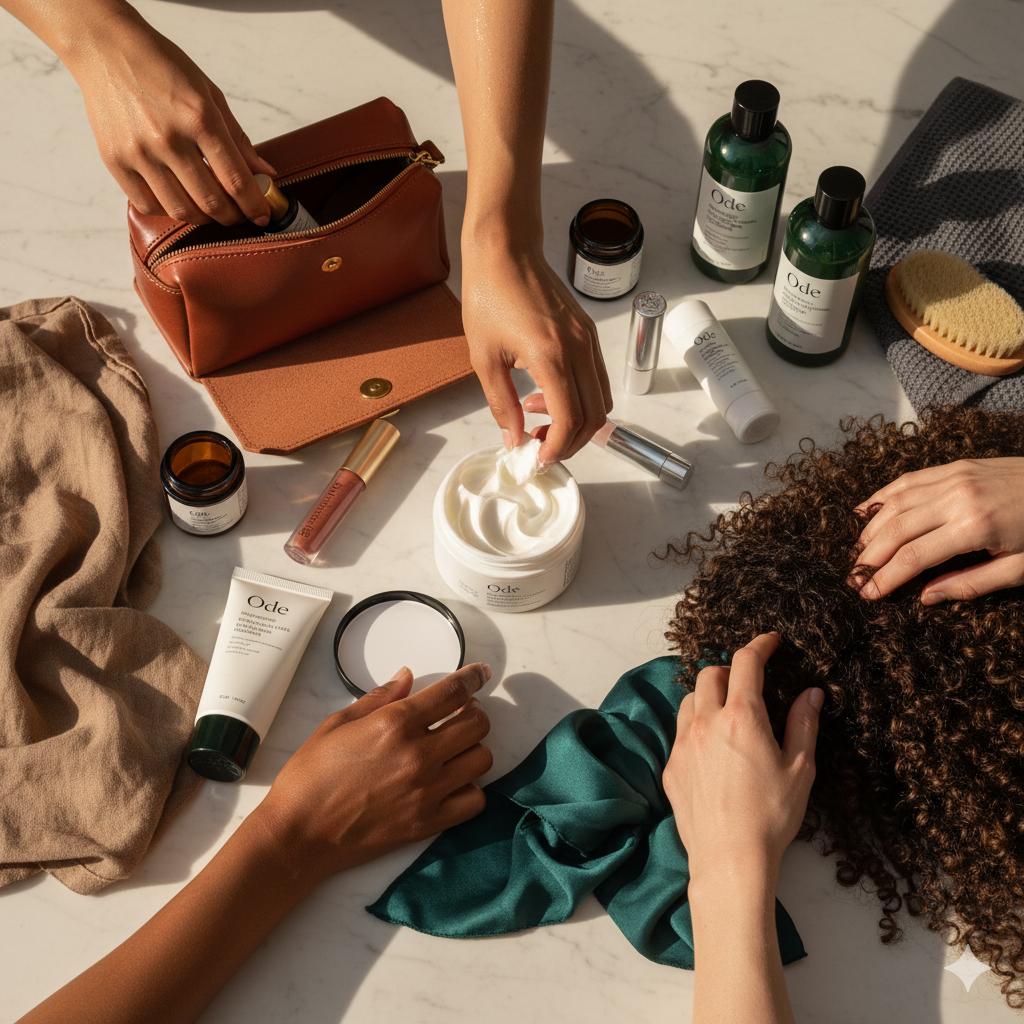
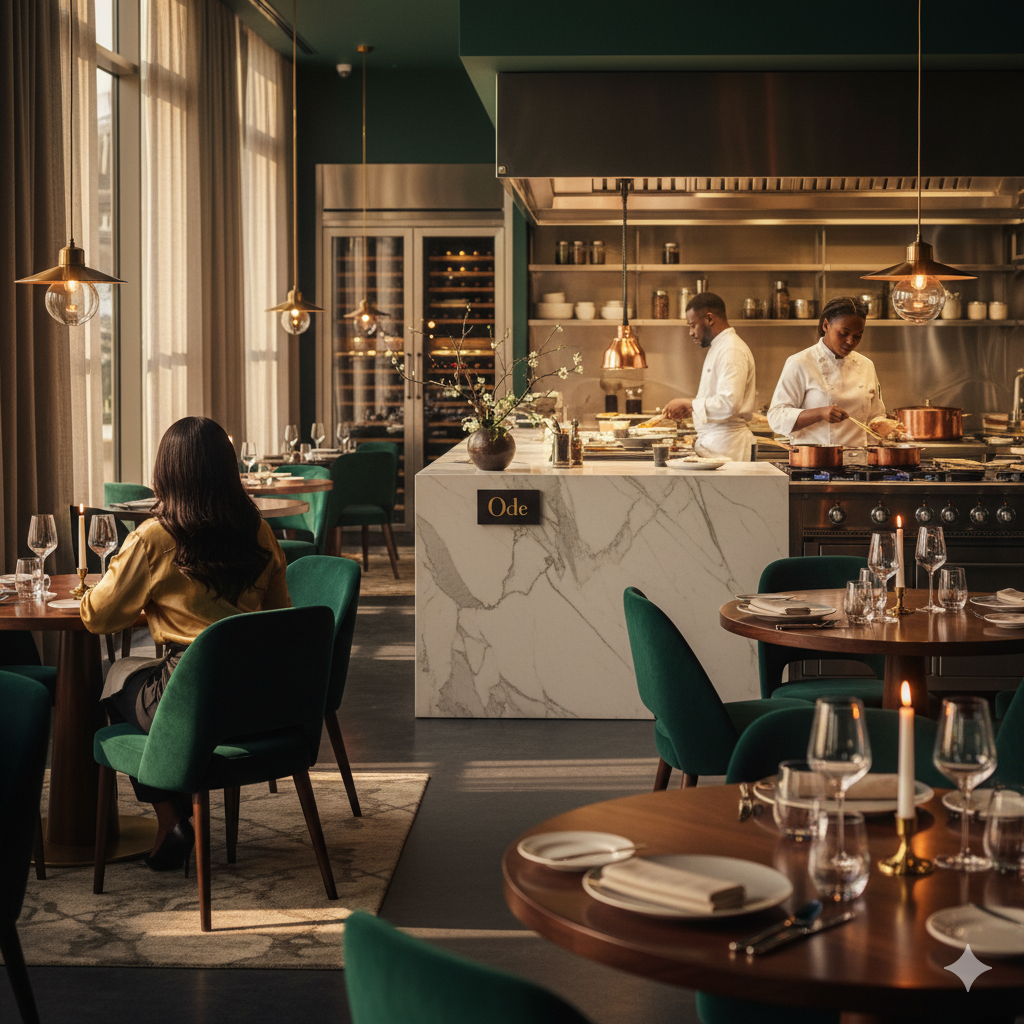
Taste — how flavor encodes culture, memory, chemistry
Scent — how smell triggers recall and emotion
Touch — how texture signals material reality
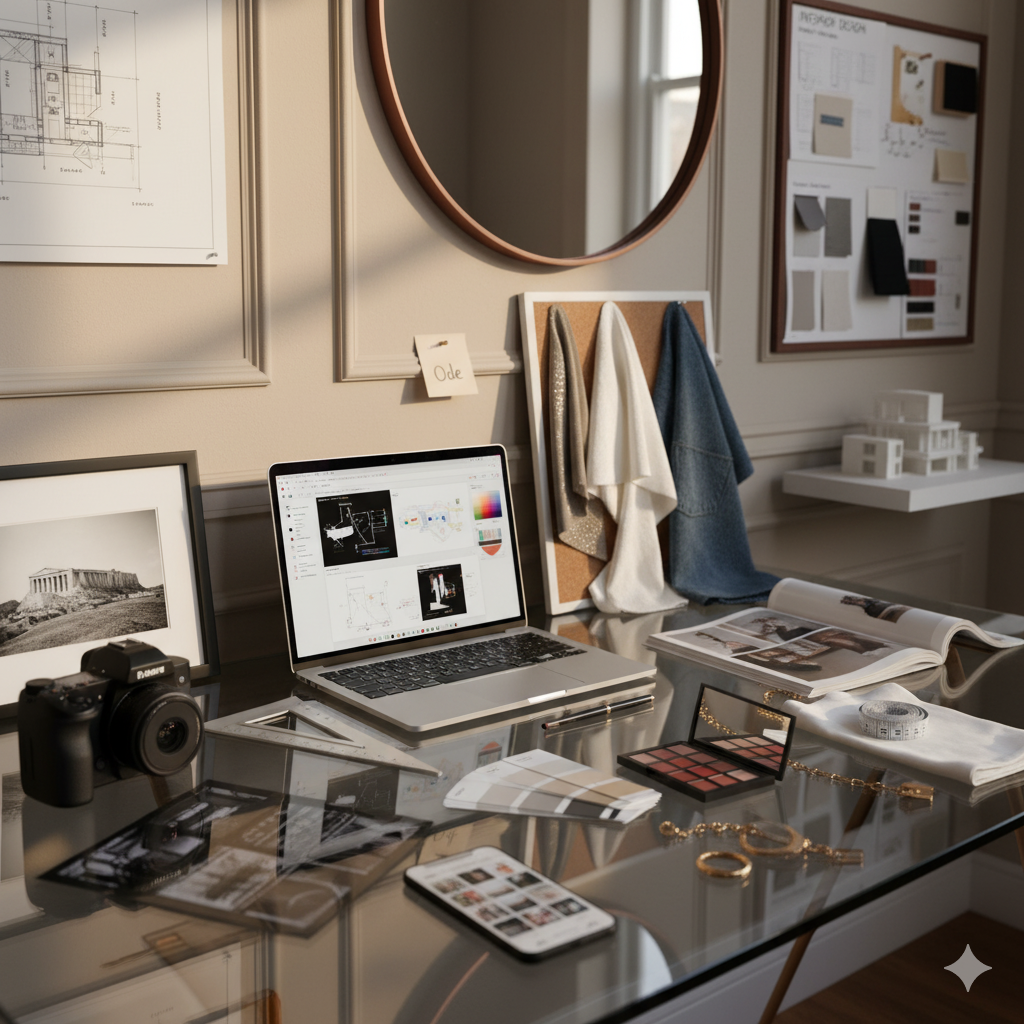
Sight — how composition creates meaning and cohesion
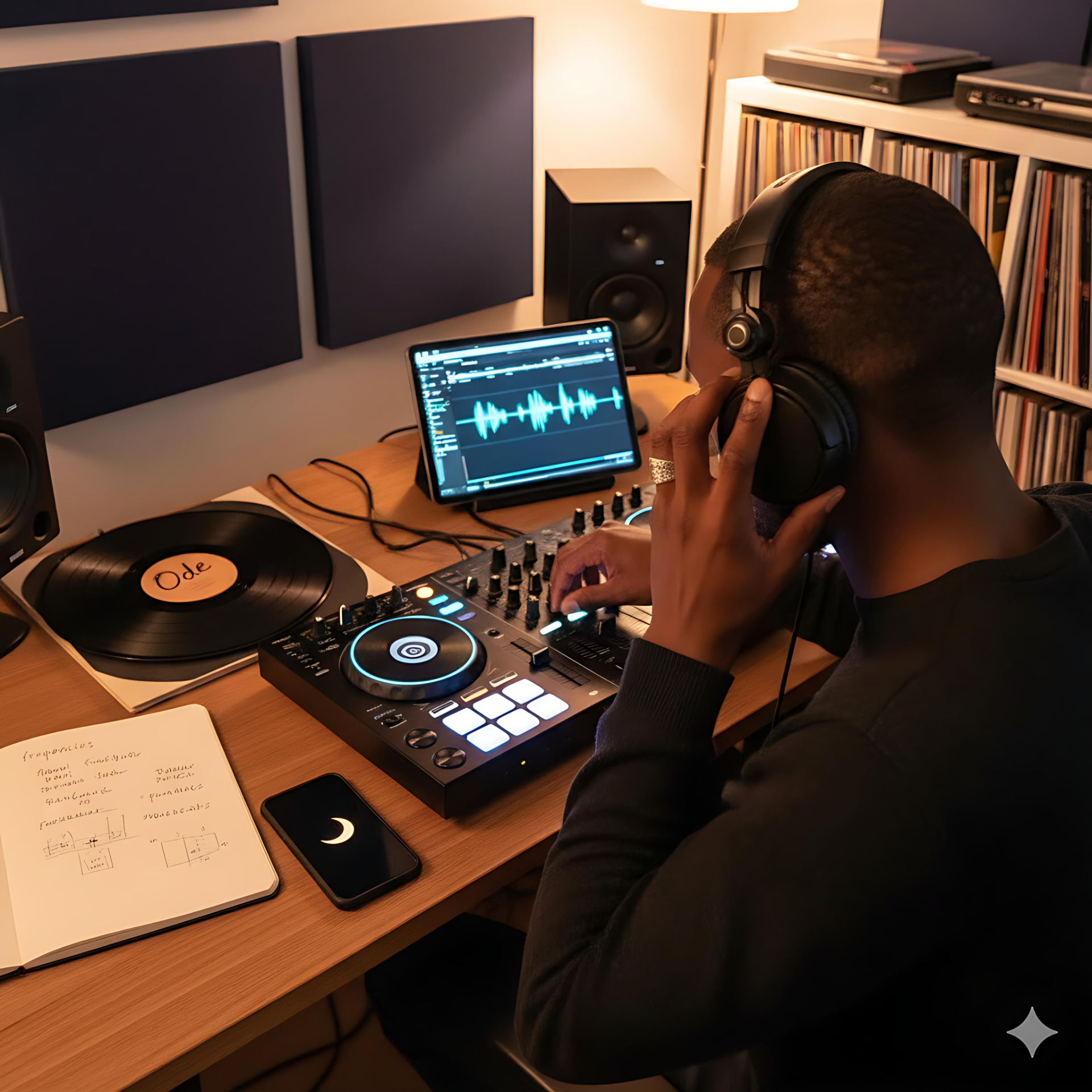
Sound — how audio shapes behavior and atmosphere
The Three Extensions:
Space — how environments structure experience
Time — how sequence creates narrative
System — how patterns emerge from interaction
Most experiences only engage two or three of these. The memorable ones engage more. The transformative ones engage all eight in alignment.
How to use this to have a good time
Instead of asking, “What should I do?”
Ask, “Which senses will this experience engage, and how?”
When you’re planning a trip, a date, a birthday, or even just a Saturday, scan through the eight systems and see what’s missing. Filling more of those in is how you turn “we went out” into “that was actually so good.”
Ichigo ichie says: be here fully. The Ode Experience asks: what senses are shaping this moment?
Ichigo ichie says: this moment won’t return. The Ode Experience asks: how do I want to spend the time I have?
The Ode framework (taste, scent, touch, sight, sound, space, time, system) is essentially a way to notice all the elements that make a moment “unrepeatable.”
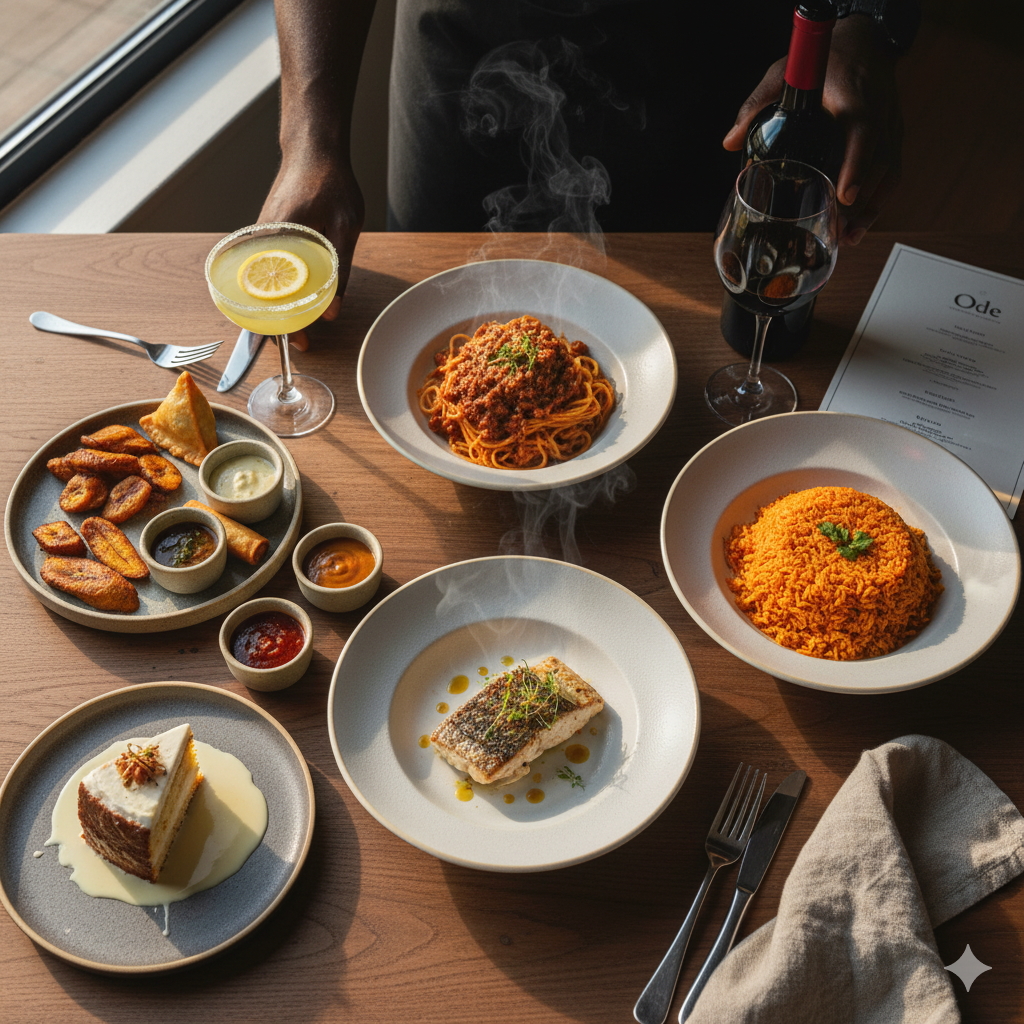
1. Taste
Ask yourself: Will what I eat or drink teach me something?
For an Ode Experience:
Don’t just pick “a nice restaurant.” Pick one that only makes sense in that city: the cuisine, the ingredients, the format.
Aim for at least one meal that changes your baseline: a tasting menu, a cuisine you don’t know yet, a dish that forces you to slow down and pay attention.
In Japan: Omakase sushi (chef's choices), kaiseki (multi-course seasonal), okonomiyaki, udon, ramen variations by region (Kyoto's light dashi vs Tokyo's rich tonkotsu), izakaya grazing (small plates with variety), wagyu yakiniku (cook it yourself), matcha, convenience store onigiri at 2am.
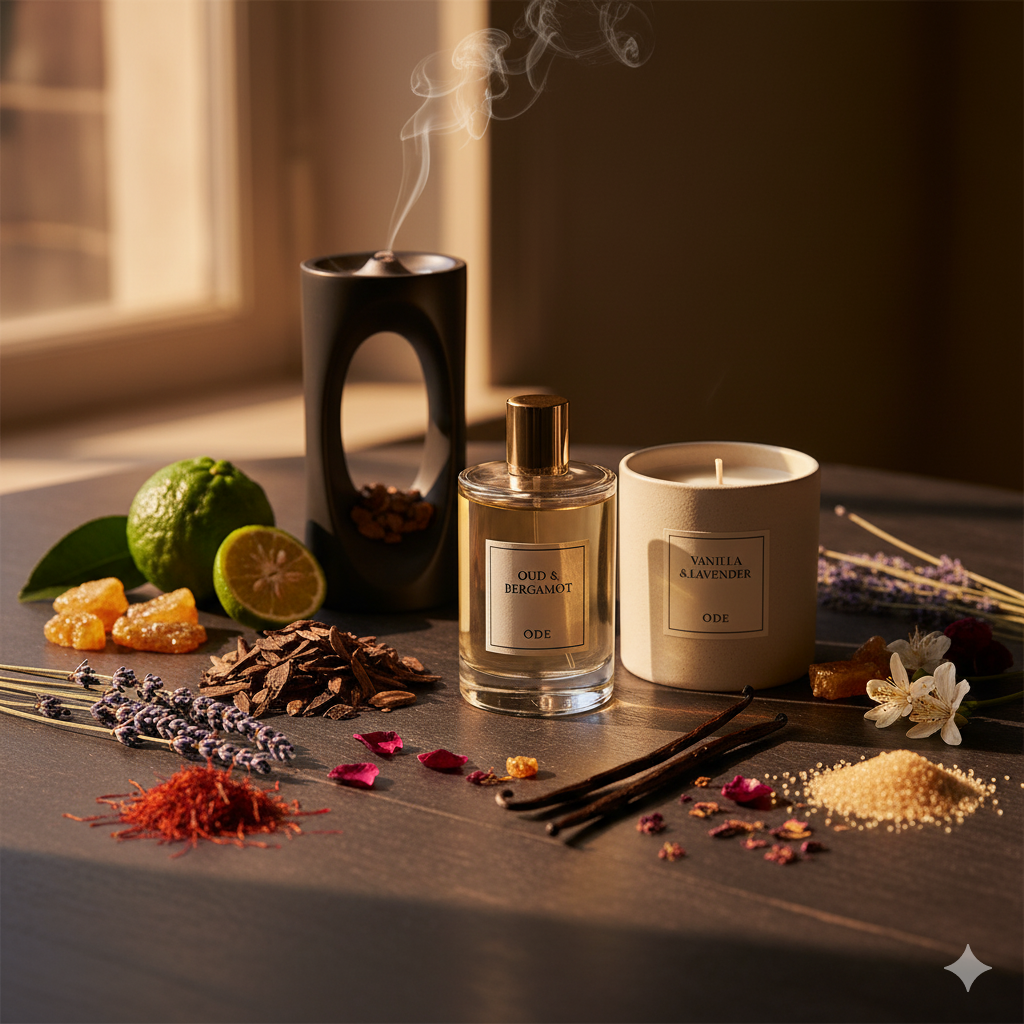
2. Scent
Ask yourself: Is there a scent here I'll want to remember?
Scent quietly decides whether a space feels cozy, chaotic, nostalgic, or forgettable.
Markets, bakeries, tea houses, bars, forests: they all have a scent profile.
For an Ode Experience:
Add one scent-forward place: a coffee shop, a spice market, a bakery, a perfumery.
Take something scent-based home (soap, incense, tea, spices). Future-you will time-travel back when you smell it again.
In Japan: Cedar and tatami in a ryokan, charcoal smoke in yakitori alleys, yuzu citrus, ramune soda, hinoki (cypress) in an onsen, fresh wasabi being grated tableside, J-scent perfumes, the nose shop, the flavor design.
3. Touch
Ask yourself: Will I physically interact with something memorable?
If you only ever sit, scroll, and look, the experience stays flat. Touch makes it real.
For an Ode Experience:
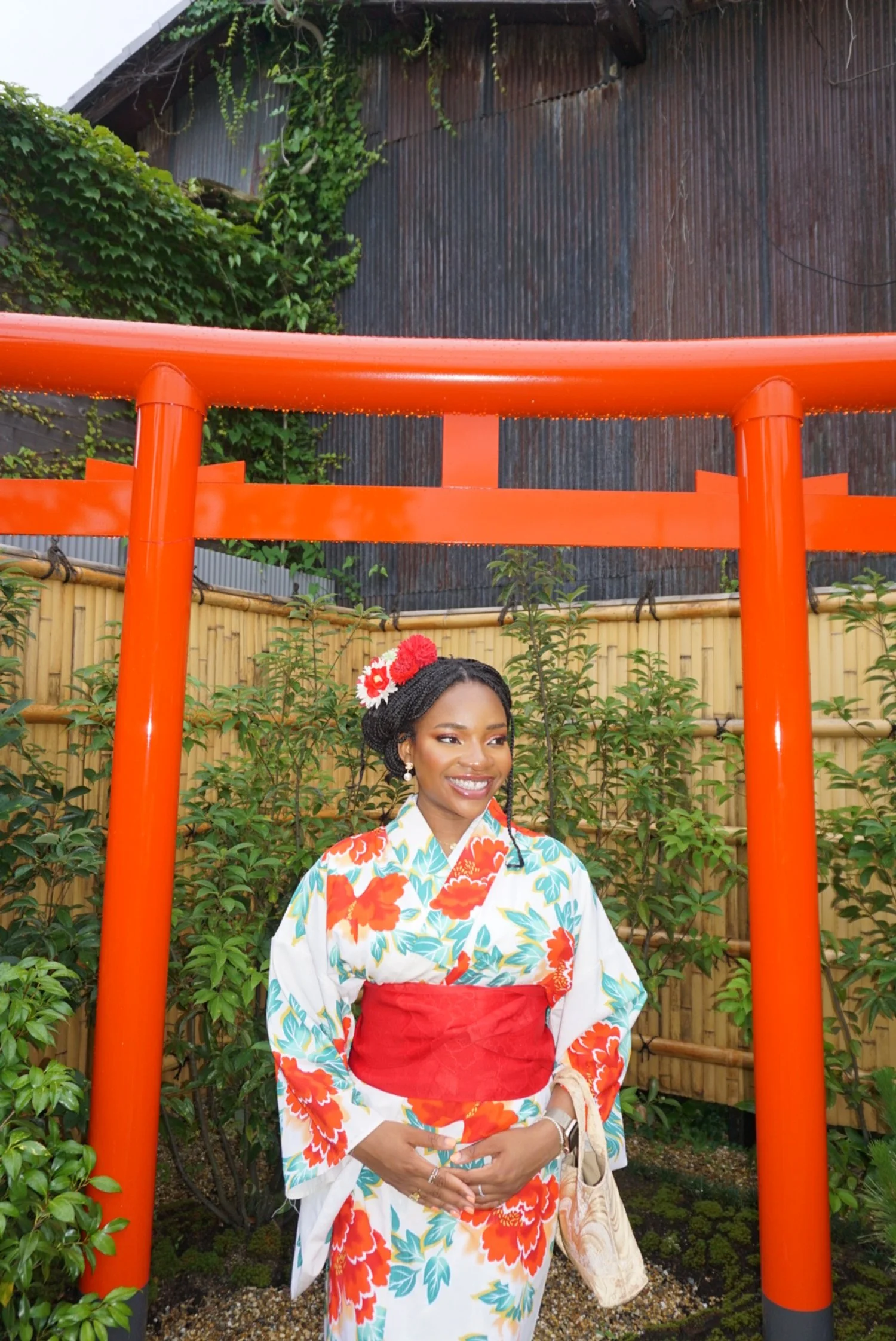
Choose at least one activity that uses your hands or body: a cooking class, ceramics, clothes, the ocean, hiking, a kimono fitting, trying on jewelry.
Stay somewhere with interesting materials: linen sheets, quartz tables, tatami floors, stone bathrooms, wooden counters.
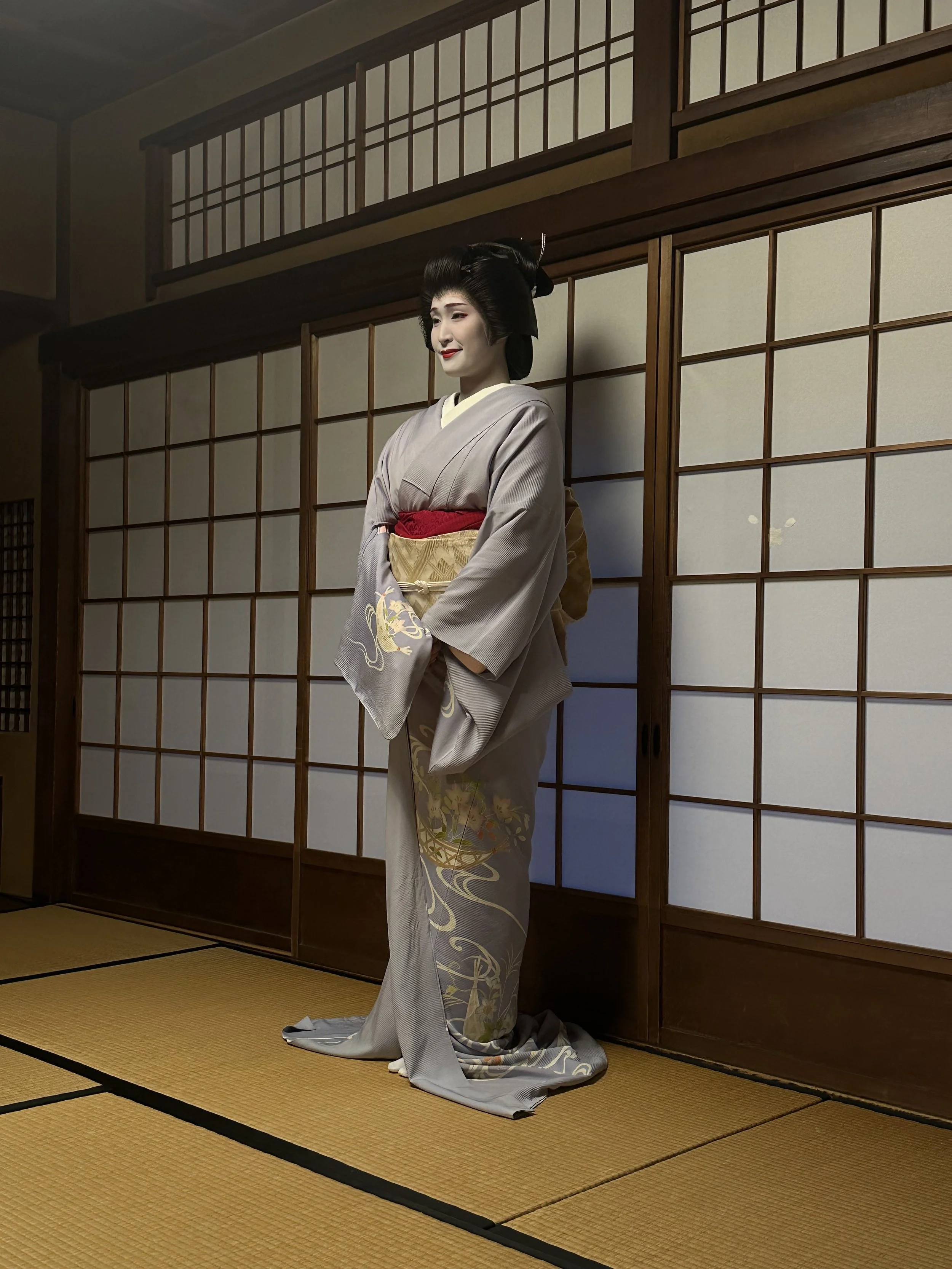
In Japan: Kimono rental, ikebana flower arranging, soba noodle making class, pottery in a Kyoto workshop, barefoot through TeamLab water rooms, onsen bathing (hot, cold), handling knives at Kappabashi, using chopsticks to eat.
4. Sight
Ask yourself: Will I see something specific to this place?
Sight is where most people stop for views, aesthetics, and Instagram. That can be fun, but it’s rarely what makes time feel truly well spent.
For an Ode Experience:
Yes, see the famous view. But also walk the regular streets, visit a unique grocery store, use the public transportation.
Notice the visual language: colors, signage, light at 7am vs 7pm.
In Japan: Fushimi Inari at dawn (vermillion gates, morning mist), bonsai tree, bamboo forest light in Arashiyama, Shibuya crossing chaos, dotonbori glow at night, train station, the way a kaiseki plate is composed like architecture, Osaka castle, Universal Studios.
5. Sound
Ask yourself: Will the soundscape shape how I feel?
Sound is one of the fastest ways to shift your mood without realizing. If you left a place feeling “drained,” the soundscape probably had something to do with it.
For an Ode Experience:
Build in at least one intentional sound moment: live music, a concert, a quiet garden, a loud bar, a loud market.
Pay attention: how loud are restaurants? How quiet is public transit? How do people use their voices?
In Japan: The silence of a Japanese train (everyone on phones, no one talking), temple bells, the crunch of gravel in a garden, pachinko parlor chaos, izakaya energy like Gonpachi, festivals like Gion Matsuri, river sounds, water gardens, club music late at night in Roppongi/Shibuya, karaoke bars, jazz bars.
6. Space
Ask yourself: Will this environment change how I move or stay?
Space is the difference between “we went to a bar” and “we ended up talking for hours (because it was the perfect corner booth).”
For an Ode Experience:
Mix compact spaces (tiny bars, ramen counters, markets) with expansive ones (parks, rooftops, museums).
Notice how furniture, lighting, and layout control whether you linger or leave.
In Japan: Six-seat ramen counters, standing-only yakitori bars in Omoide Yokocho, Zen garden, the emptiness of a ryokan room (no furniture, just tatami), capsule hotels (minimal space, maximum efficiency), department stores like Don Quijote, vintage designer stores, 7-eleven.
7. Time
Ask yourself: Am I matching the tempo I want to feel?
This is the main part of this post: experience = space · time
High density + short time → move fast, see more. (Tokyo mode)
Fewer landmarks + longer stay → move slow, go deep. (Kyoto mode)
For an Ode Experience:
Don’t force every city into the same pace. Let high-density places be your “fast days” and slower cities be your “deep days.”
Alternate: one high-activity day, one softer day. One big night out, one quiet night in.
Most burnout trips come from ignoring tempo. So, get the rhythm right.
In Japan: Micro-season culture (menus, packaging, and rituals changing weekly), Tokyo rewards speed (trains every 3 minutes), Kyoto rewards slowness, Osaka rewards stamina (Dotonbori until midnight, Universal Studios open-to-close). Konbini meal (offerings that shift by the hour: breakfast onigiri → midday bentos → late-night ramen), 24-hour establishments (ramen shops, sentō, and Don Quijote), sumo wrestling event.
8. System
Ask yourself: Does this feel like one coherent experience?
System is zooming out:
Is this place designed to rush me, extract from me, calm me, connect me?
How do all the pieces (music, lighting, pricing, layout, timing) work together?
For an Ode Experience:
Seek at least one “designed experience”: a tasting menu, a ceremony, a long dinner, a spa, a themed night.
Ask afterward: What were they trying to make me feel? Did it work?
This is where you start to see why some experiences feel effortless and others feel off, even if the components look similar.
In Japan: Tea ceremony (every movement choreographed over centuries), kaiseki meal pacing (courses timed to emotional arc), ryokan hospitality (arrival tea, dinner, bath, breakfast as integrated system), Shinkansen Boarding + Ekiben Bento Culture, Japanese Customer Service (Omotenashi), TeamLab (digital art as total environment), even convenience stores (the logic of flow and discovery in a 7-Eleven), Depachika (department store food halls). Japan is like masterclass in system design.
Finding “good time” places to have an Ode Experience
When you’re choosing where to go or what to do, you can literally scan through the eight systems and ask:
Taste: Will what I eat or drink teach me something?
Scent: Is there a scent here I'll want to remember?
Touch: Will I physically interact with something memorable?
Sight: Will I see something specific to this place?
Sound: Will the soundscape shape how I feel?
Space: Will this environment change how I move or stay?
Time: Am I matching the tempo I want to feel?
System: Does this feel like one coherent experience?
If you can say “yes” to a few, you’ll have a good time.
The more yesses, the closer you get to an Ode Experience.
For your next trip (or weekend)
If you want a simple way to use this:
Pick a place: a city, a neighborhood, even just a single night out.
Choose 3–5 senses to prioritize for that experience.
Design around those: E.g.
A meal that you’ve not had before (Taste)
A space you want to stay in (Space)
A soundscape you’re excited about (Sound)
A pace that matches how you want to feel (Time)
You just need enough aligned senses that, when the day is over, you feel: That was worth my time.
That’s the real goal of the Ode Experience: to have better hours wherever you are.
Thank you for thinking with me. This piece is part of Ode by Muno, where I explore the invisible systems shaping how we sense, think, and create.
I’m curious: when you think about planning a trip, which parts of the experience matter most to you? Which senses do you naturally plan around, and which ones do you tend to ignore? If you looked at your past trips, which moments actually felt worth your time? Which ones didn’t? What would change if you planned your next trip like an Ode Experience?
The quote at the intro is from the book, Systems Intelligence.