
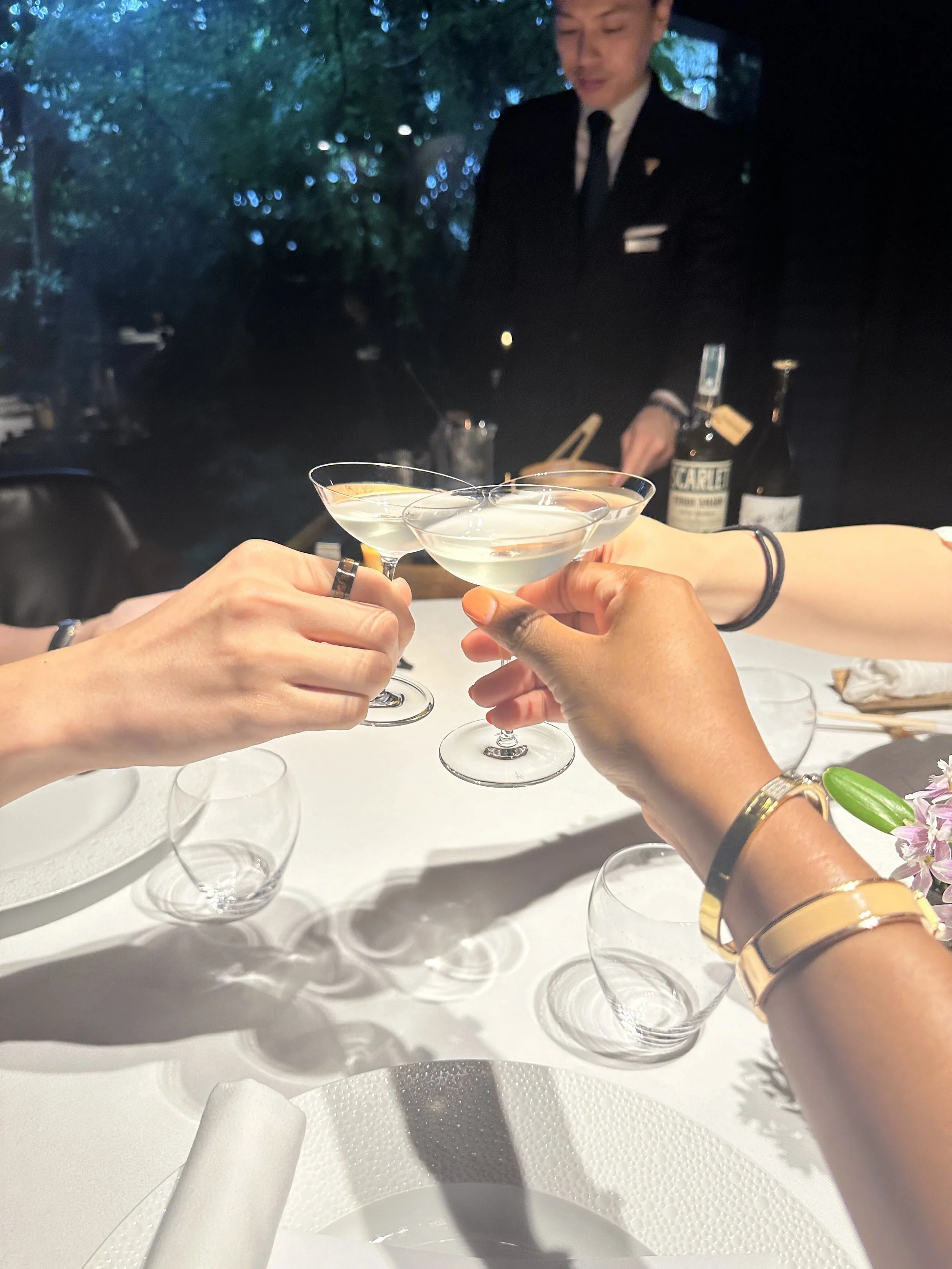
Dining in 2026 | experience economy 2.0
Dining in 2026 is all about the experience. I gathered data from top industry reports (OpenTable, EHL, AF&CO. + Carbonate, dsm-firmenich, and more) to break down what's actually happening. Experiential dining is up 46%. People are paying for the story, the interaction, the memory. Flights of everything, one-hit-wonder restaurants, prix-fixe menus; people want to sample & explore. And discovery is shifting: Reddit is now the #2 site by search traffic, & 44% of people plan to use AI for restaurant discovery. Here's everything you need to know about where dining is headed next year.
Travel in 2026 | experience economy 2.0
People are choosing trips based on how they want to feel, and that’s really what the experience economy 2.0 looks like. In this guide, I pulled insights from the biggest travel and hospitality reports for 2026 and broke down everything from high-energy trips like Rio Carnival, World Cup, and Detty December in Lagos to emerging spots like the Red Sea, Phu Quoc, and the Faroe Islands. You’ll find ideas for solo travel, beaches and wellness, food-focused trips, rare events like the 2026 solar eclipse, and more. If you’re planning travel next year, start here.
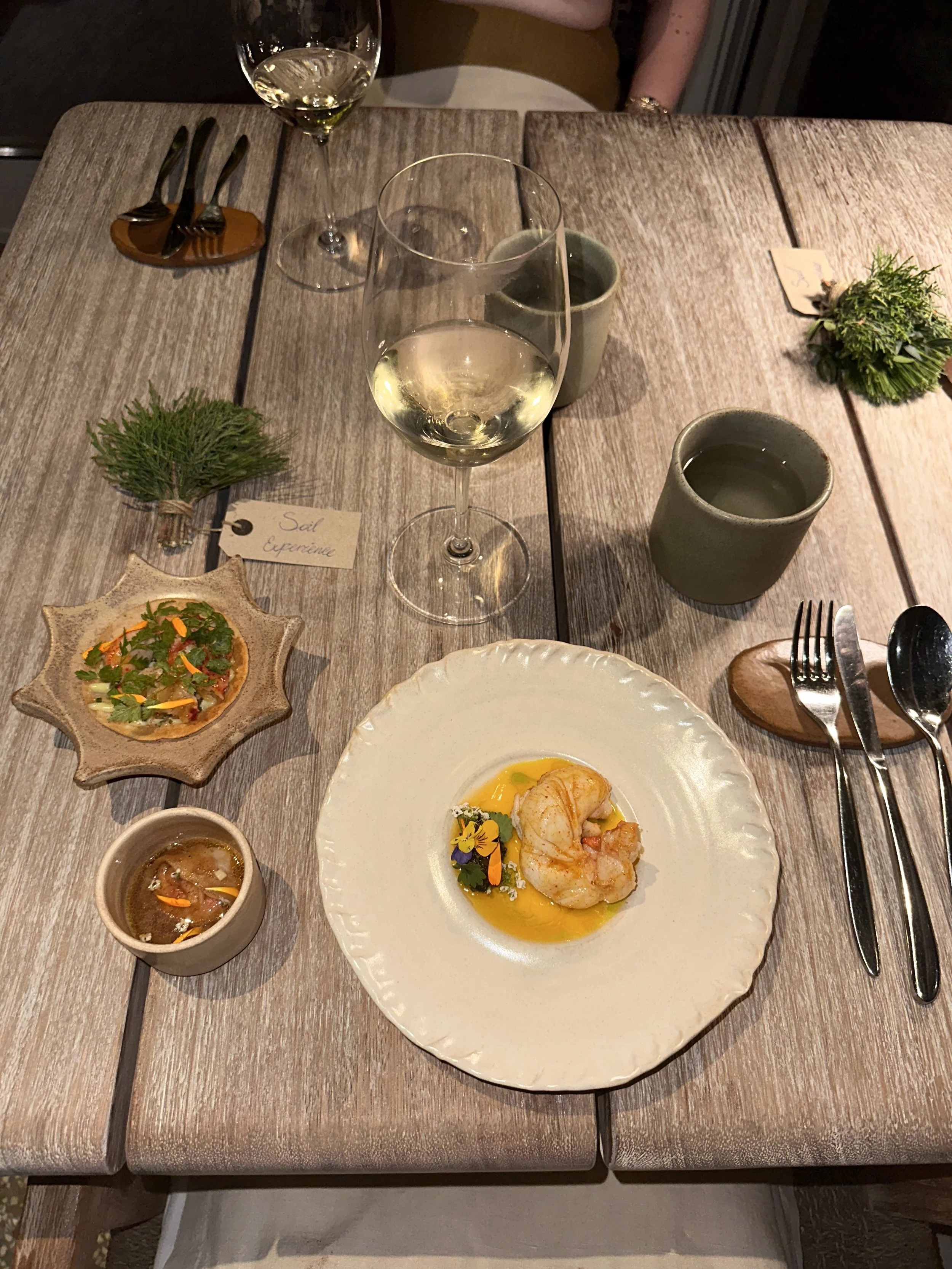
experience value = emotional impact ÷ time spent
Something fundamental has shifted in how consumers measure value. It's no longer about what you buy, it's about what you feel. Across industries from fragrance to hospitality, from fine dining to beauty retail, I derived that experience value equals emotional impact divided by time spent. Welcome to the Experience Economy 2.0, where brands across sectors are shifting from products and services to holistic sensory experiences that engage emotions, memories, and multiple senses simultaneously.
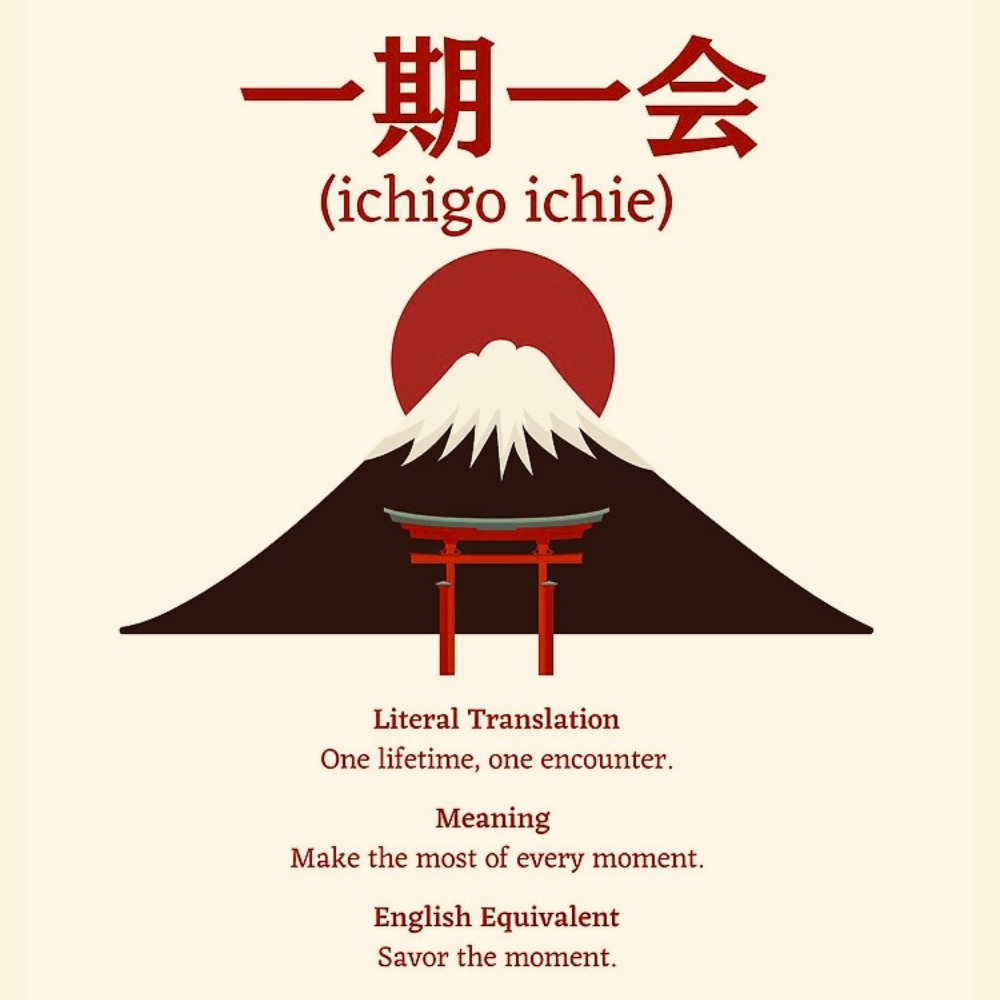
experience = space · time
In my last post, I wrote about how how brands now design for how we spend time with them, not just what we buy. The attention/creator economy has turned time into a sense of its own: something you feel, allocate, and remember. So in this post, I’m introducing the Ode Experience, a way of planning around time as a sense. And I’ll use Japan, a trip I planned with two friends, to show how this plays out. The experiences that stay with us are the ones where time is intentionally shaped & the Ode Experience is simply time well spent.
t = t₀ + Δt · (signal strength)
I’ve been thinking about time as a kind of diagnostic tool, a way to understand the moment we’re living in. If future time = present time + (Δt × signal strength), then the future isn’t somewhere ahead of us. It’s here... but blurry. Lists like Forbes 30 Under 30 are one of those signals. This year’s top cities (NY, SF, LA, Boston, Chicago) map almost perfectly onto the places with the highest AI job density + the strongest builder/creator ecosystems. Even the funding tells its own story: $3.8B distributed across 600 honorees. Time leaves traces of signals to anticipate & I’ll dive deeper into the data.