Your cooking style is an edible social graph
“Socialization refers to sharing the tacit knowledge contained in experiences by the means of observation and imitation much like between the master and the apprentice.”
Your edible archive
Thanksgiving is around the corner, and I have two separate occasions where I want to experiment with cooking new dishes.
So I was staring at my spice cabinet and was like wow... it's kind of interesting. Turmeric that's expired. Maggi cubes partially turned to rock. Moussaka and tzatziki seasoning from Greece. Saffron powder. Furikake seasoning from Japan. Cumin seeds. Rubbed sage. Suya powder. Crayfish. Italian seasoning.
This is just scratching the surface. But each one reminds me of someone and some meal that changed how I think about flavor.
Your cooking style is accumulated. Borrowed from everyone who ever fed you or showed you something in their kitchen.
Cooking isn't a solo skill. It's a social one.
You collect flavors the way some people collect souvenirs: through relationships, through places you've stayed, through moments you felt something.
Without realizing it, my pantry started looking like a map of everywhere I've been and everyone I've learned from.
It's your social graph made edible: all the people you've met, all the places you've been, translated into what you make when you're hungry.
The nodes in your network
I didn't really learn to cook from recipes. I learned from my mom and friends showing me how things work in their kitchens.
I've also watched a lot of cooking shows since my pre-teens. I'm curious about how people move through their own taste memory. You can see it happen: a chef tastes something and their whole face changes. Like they've gone somewhere else for a second. That's not just flavor. That's a person, a place, some version of themselves they're tasting again.
I was watching Next Gen Chef on Netflix recently. There was this moment with Andrew Sargent, a sous chef from Per Se in New York City. The judges kept saying the hardest challenge for him would be "putting himself on the plate." He had all this fine dining skill: the precision, the technique, the plating. But I barely saw his edible social graph.
Then he made "Dad's Fajitas." A deconstructed, elevated beef fajita that paid homage to his father. And I knew it would be a hit. The judges loved it. Not because it was technically perfect, though it looked like it was, but because you could taste the person in it. The memory. The relationship. That's when his cooking stopped being just skill.
Some of my best memories are in other people's kitchens. A friend's mom showing me how to make arepas. Another friend's family showing me how they eat goat meat. Another friend showing me his way of making ragu, and suddenly every dish I make after that reminds me of that memory.
I didn't grow up eating Indian, Thai, Venezuelan, Chinese, Italian, French, Jamaican, American, Spanish, Mediterranean, British, Japanese, Persian, Korean, Mexican, Colombian, Cameroonian, Vietnamese, Taiwanese, etc. But I grew up around people who did. And at some point, their taste became part of mine. Not in a way that erases where it came from, but in a way that expands what feels familiar now.
The subgraphs that shape you
To me, taste works recursively. You taste something, it rewires your palate, and then you want to recreate it. Not to copy it exactly, but to understand it from the inside.
I've made a lot of menus over the years. Each one is basically a map of who I was talking to, where I ate, and what I was curious about at that moment.
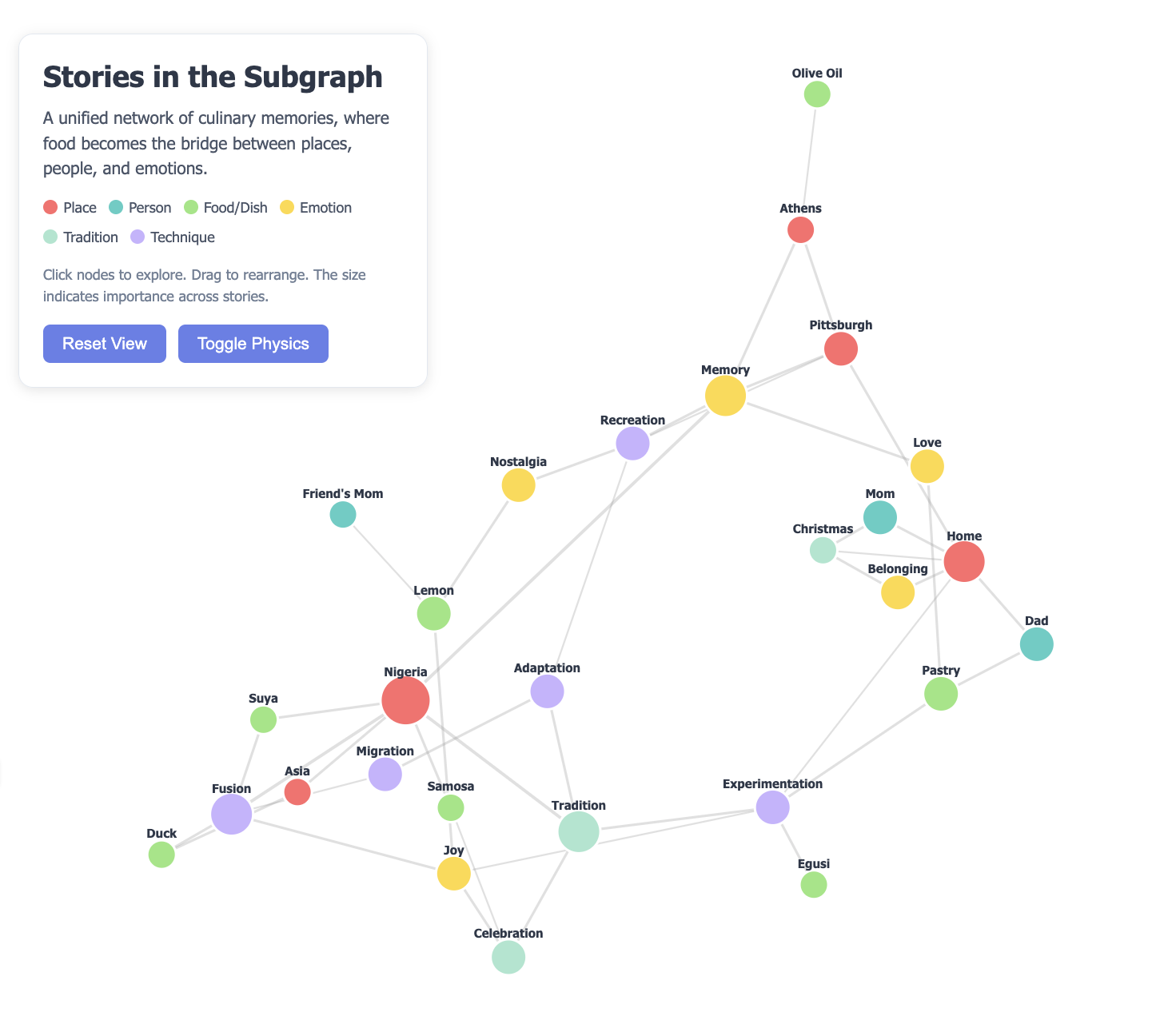
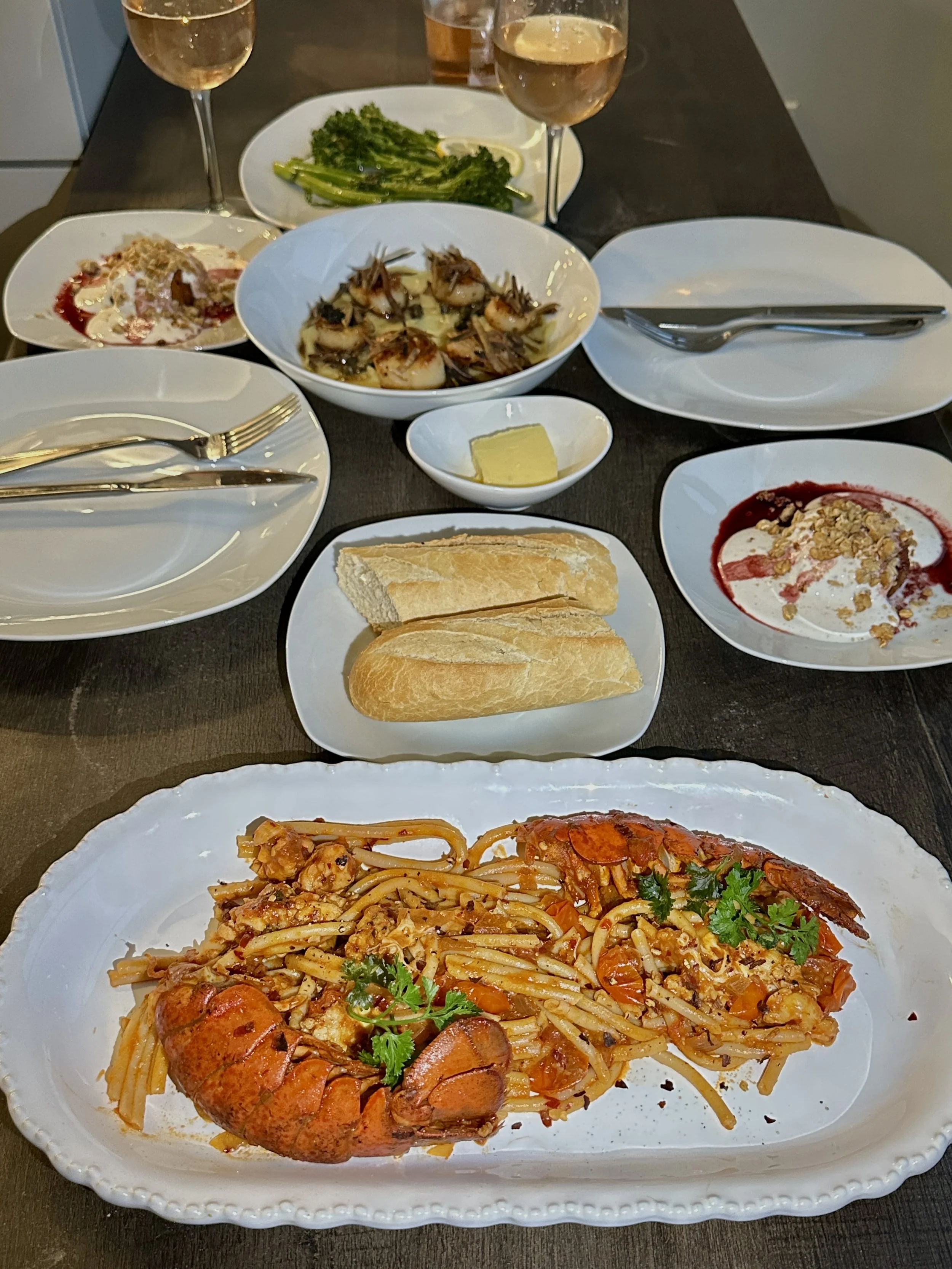
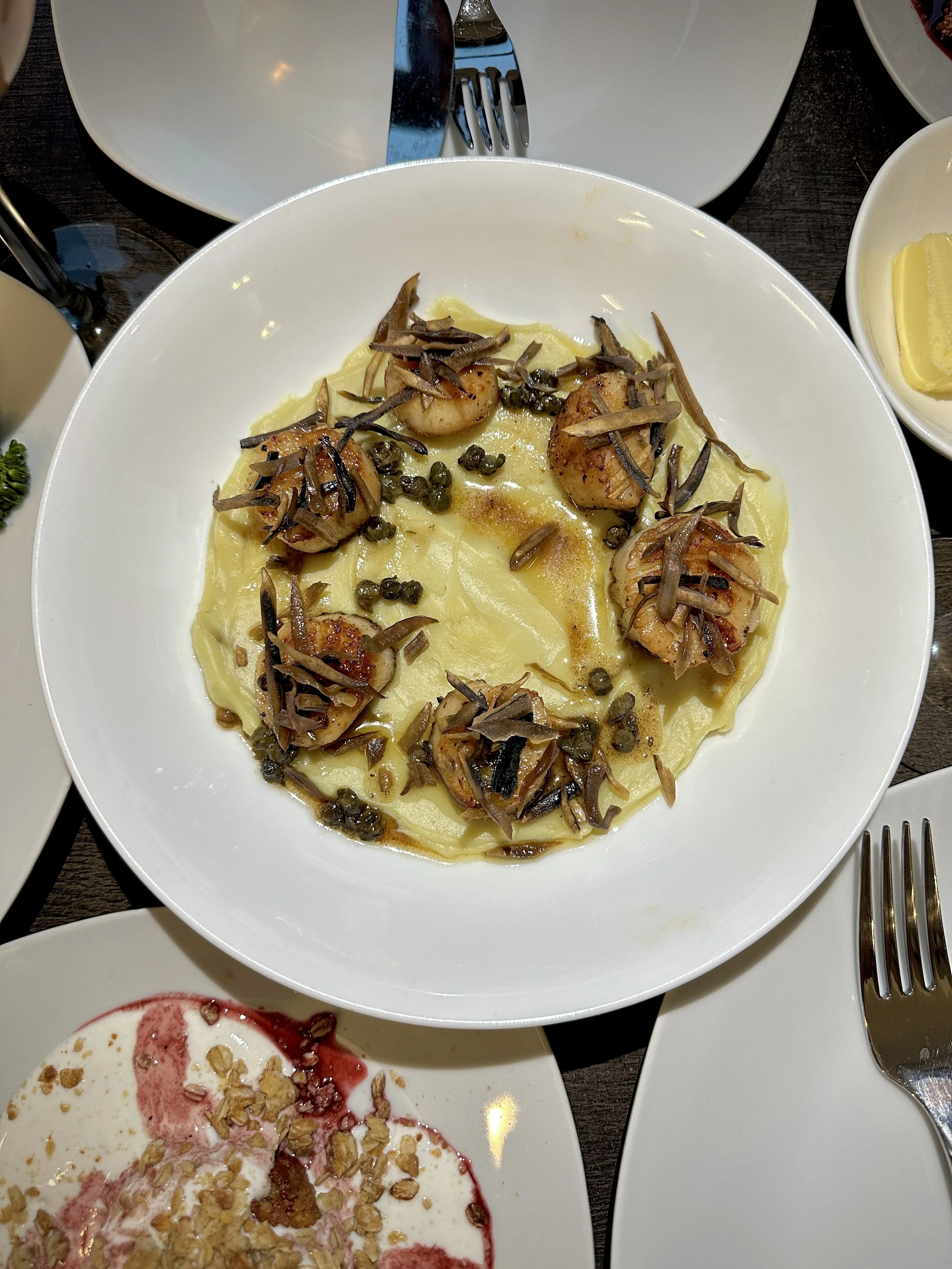
Here is a tiny subgraph from the massive graph that is my edible social graph (related to the pictures & dishes below).
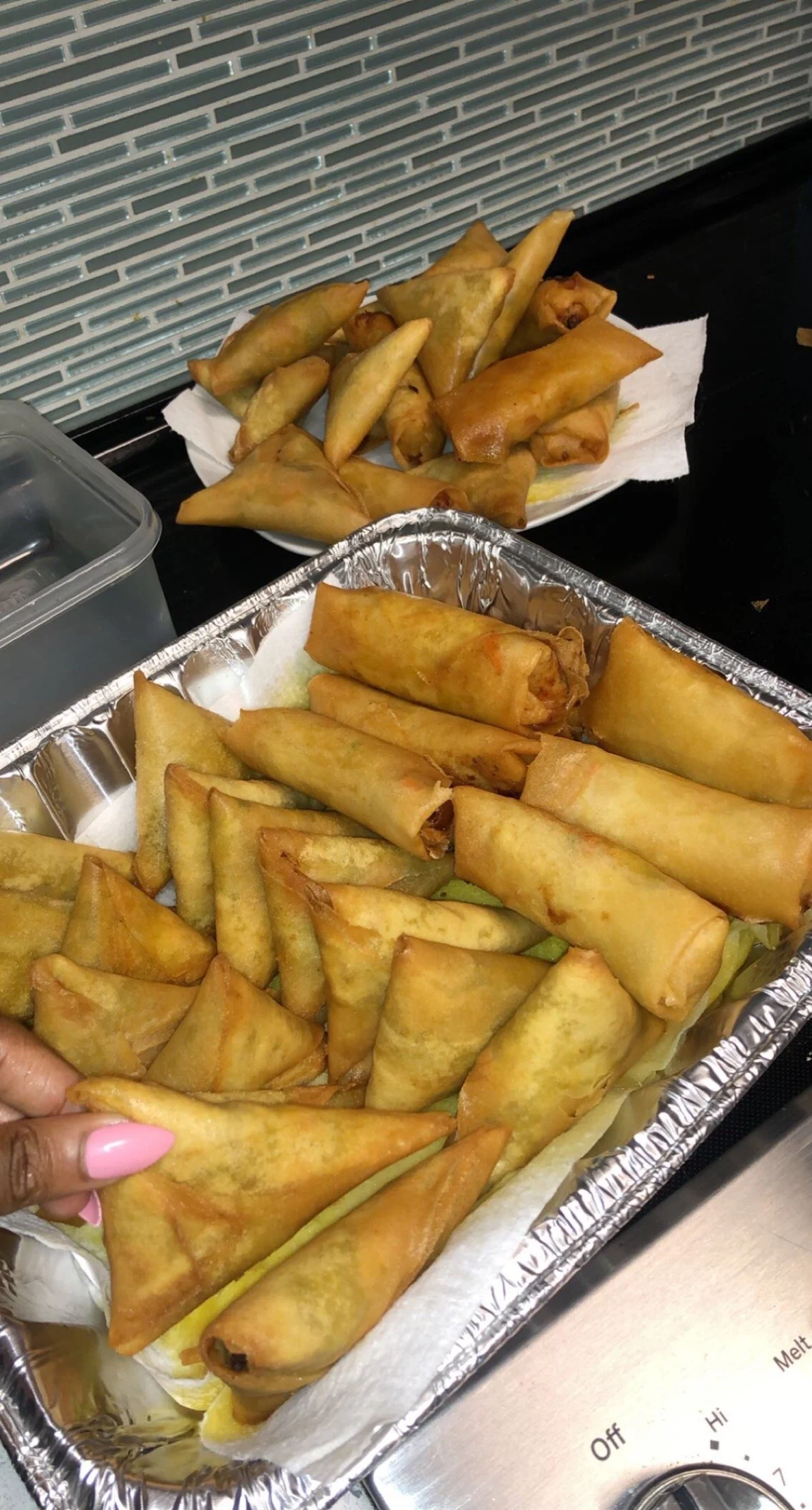
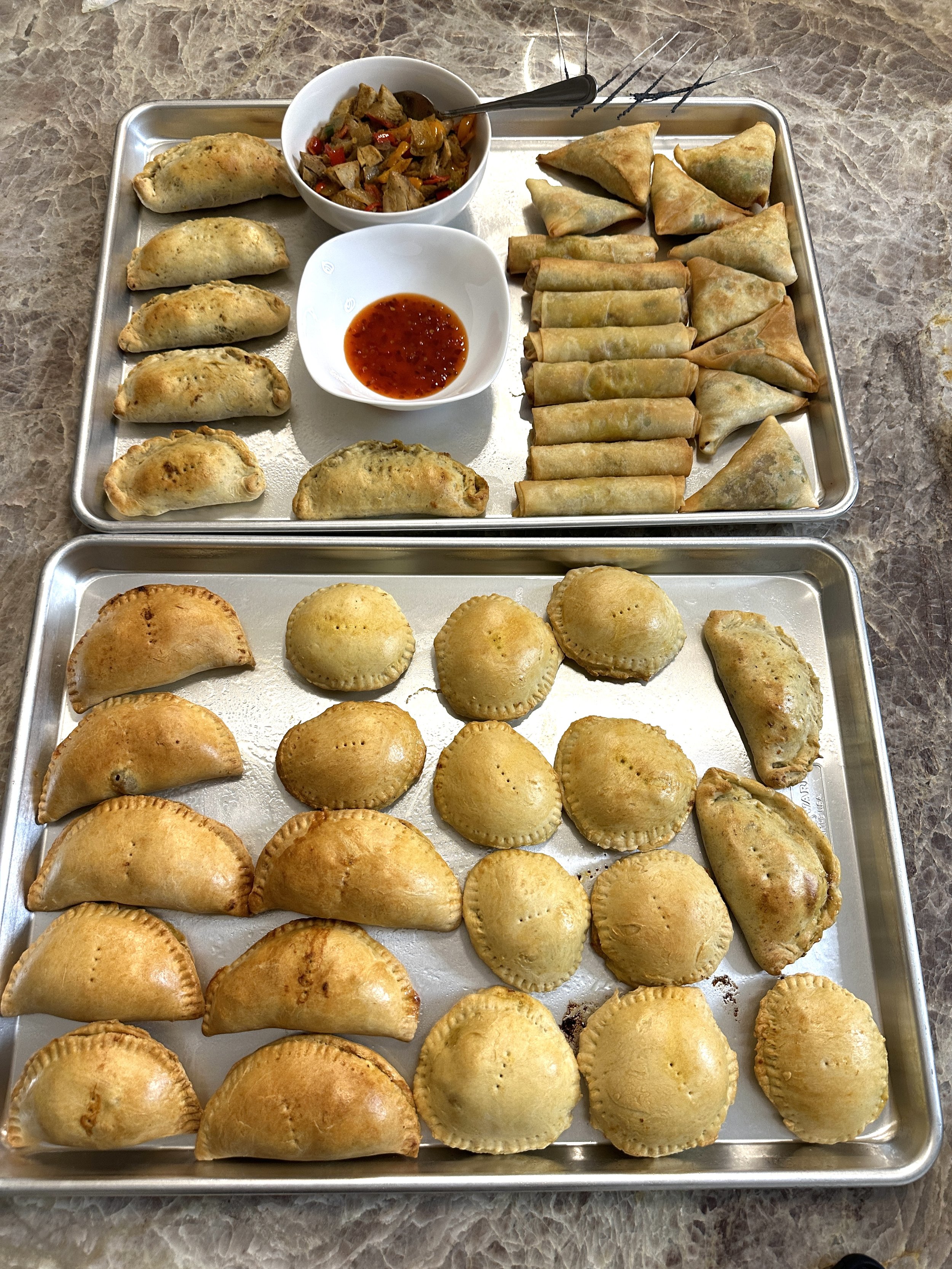
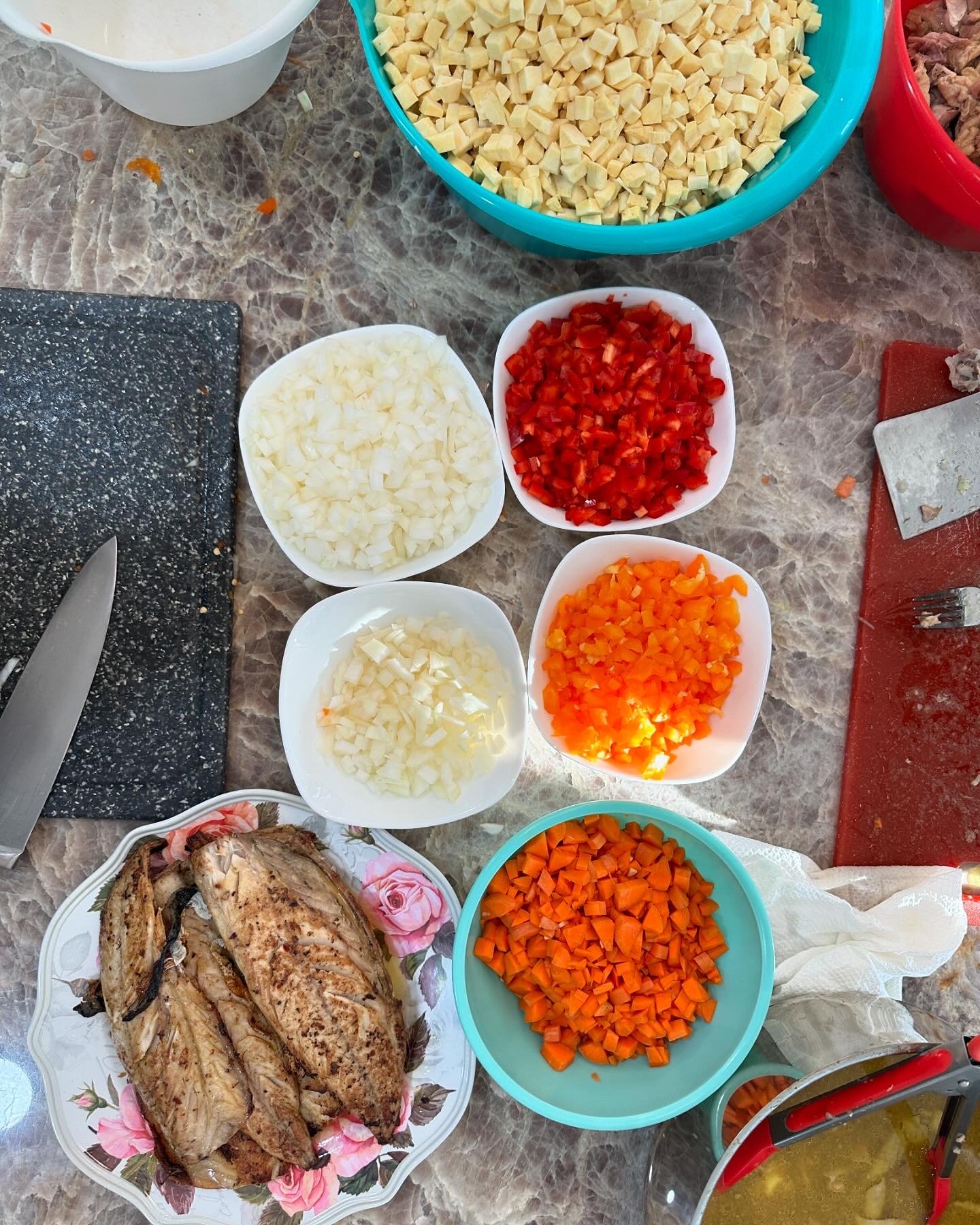
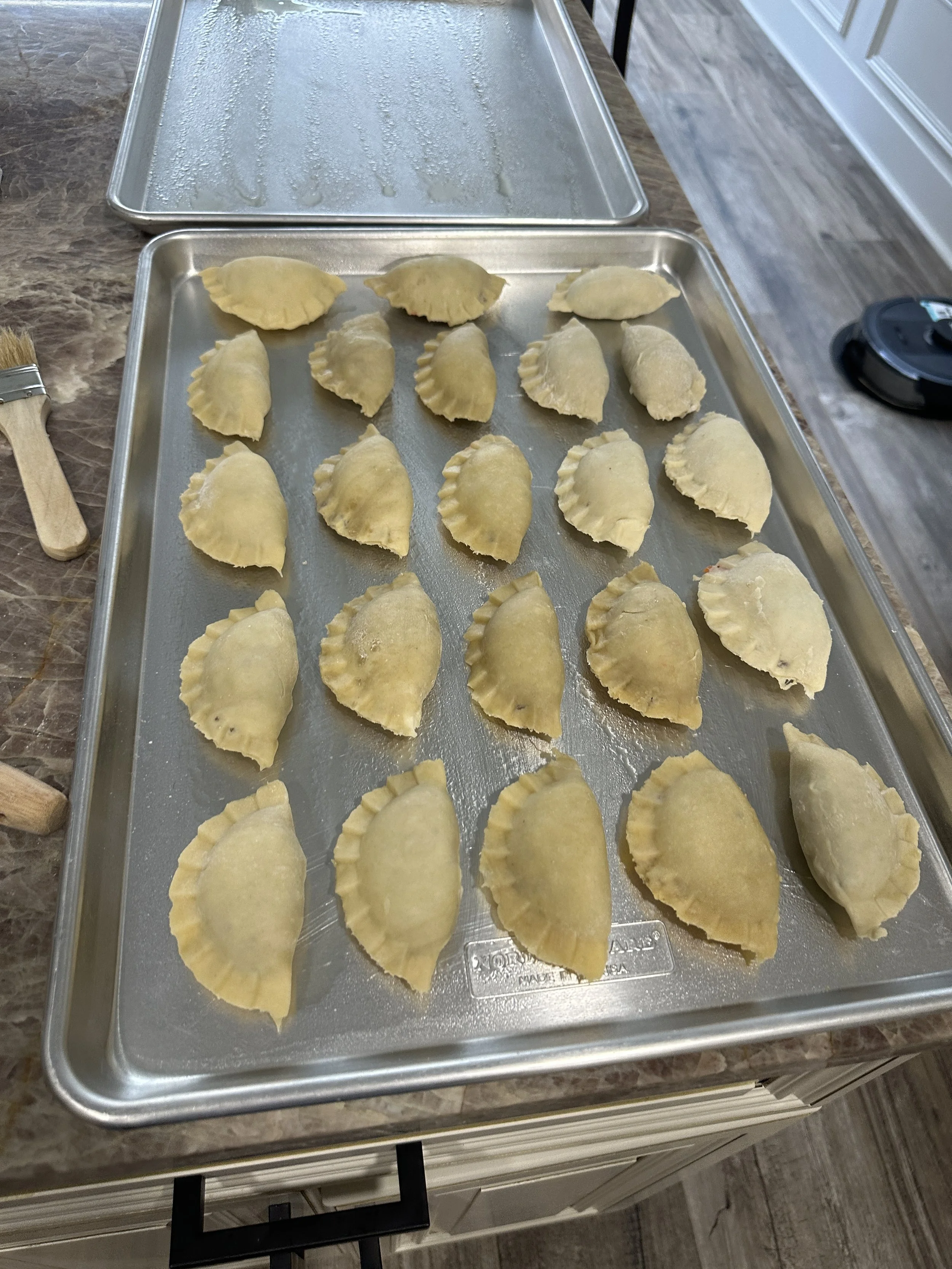
Nigerian Samosa & Spring Rolls
The Nigerian party staples. But their roots? Asian.
The first time I learned that, something clicked. We've been remixing cultures forever. Samosas and spring rolls are everywhere in Nigeria: street food, party food, everyday food. But they came from Asia. We just made them ours. Changed the filling, the spice mix, the way we eat them.
That's how food actually moves. Not only through preservation, but through translation.
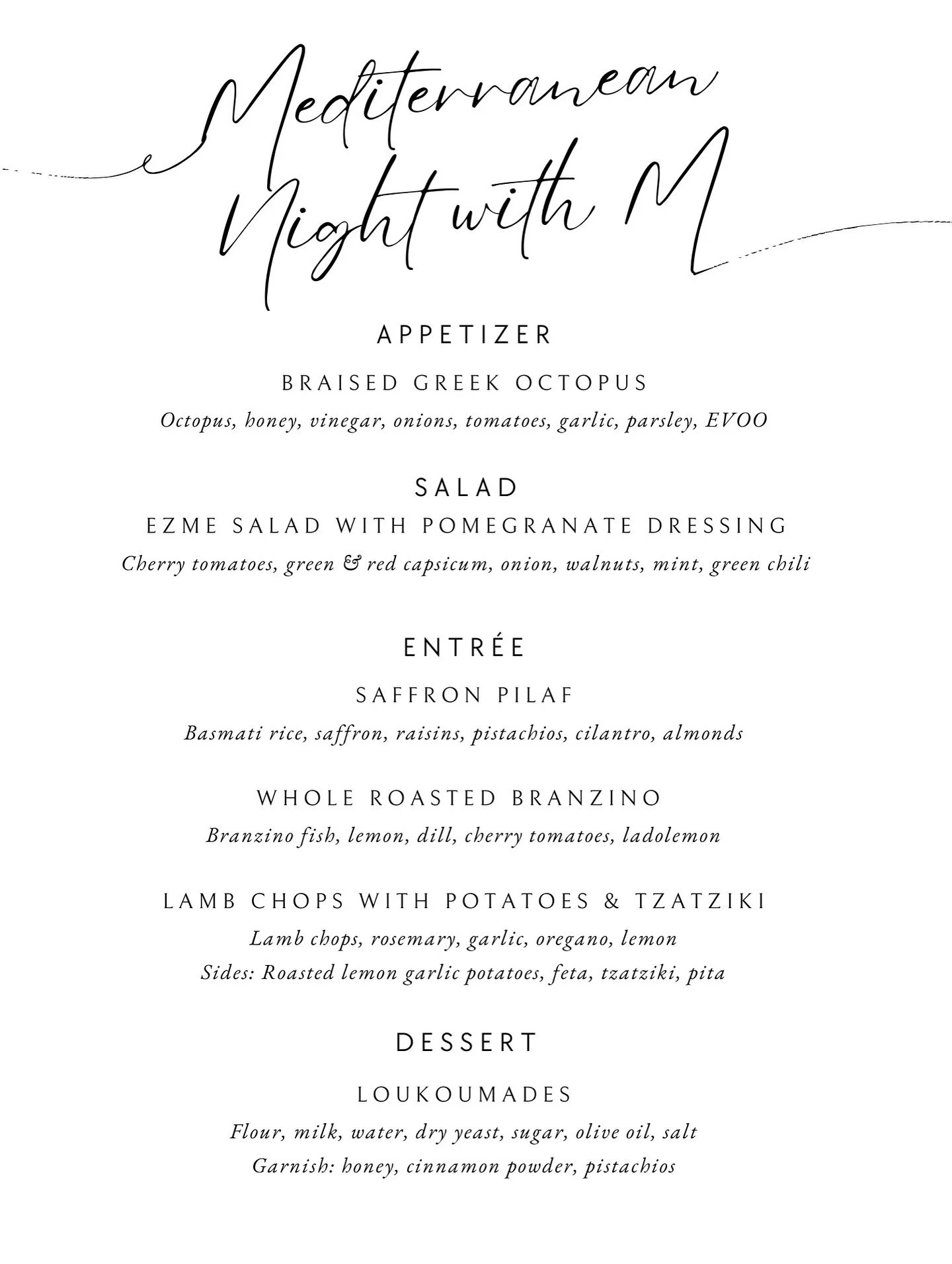
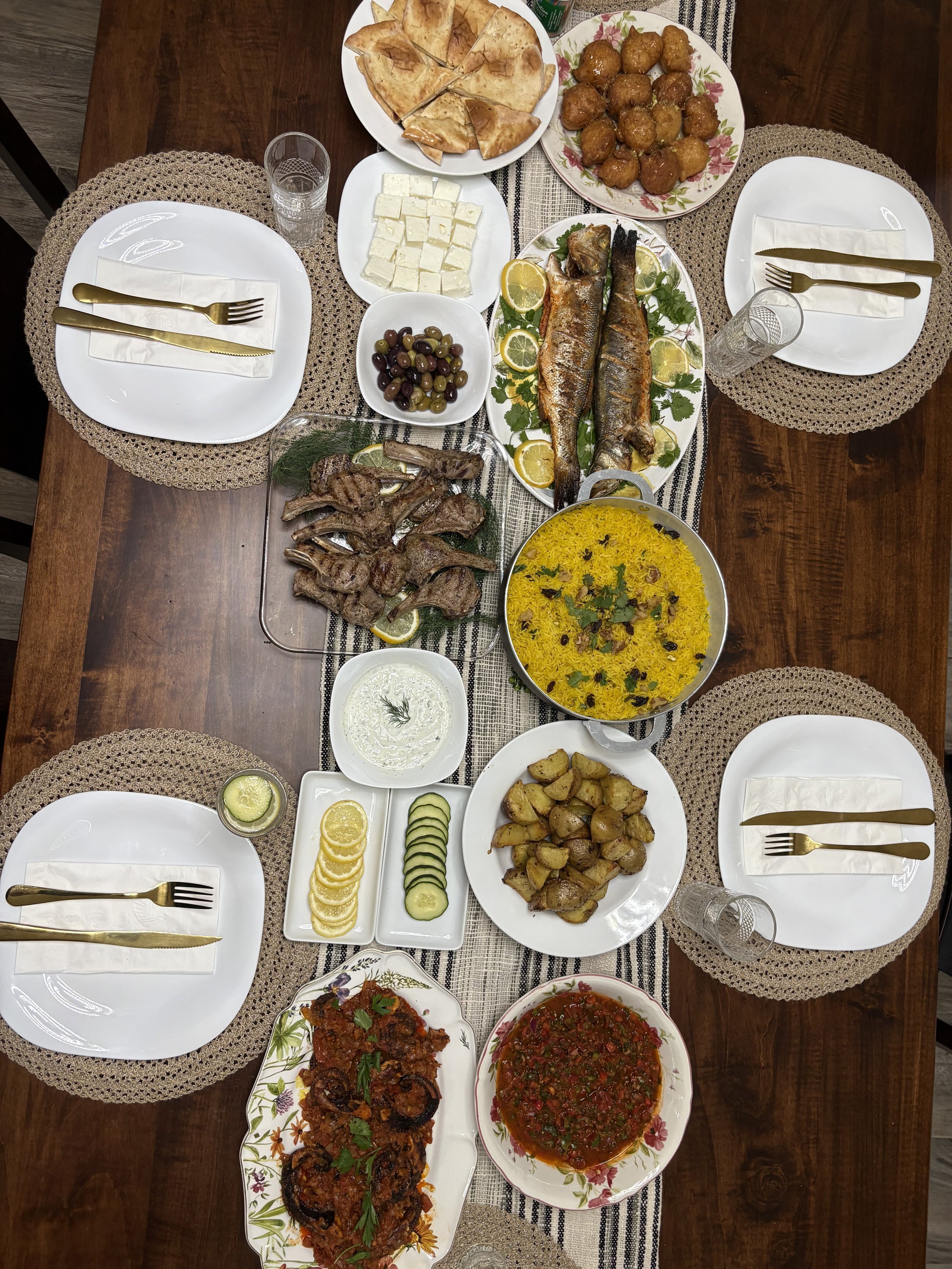
The Mediterranean Menu After Greece
When I came back, I couldn't stop thinking about lemon, olive oil, oregano. So I made a full spread: grilled fish, lamb, potatoes, tzatziki, warm bread.
I wasn't trying to replicate Greek cuisine. I just wanted to hold onto the feeling.
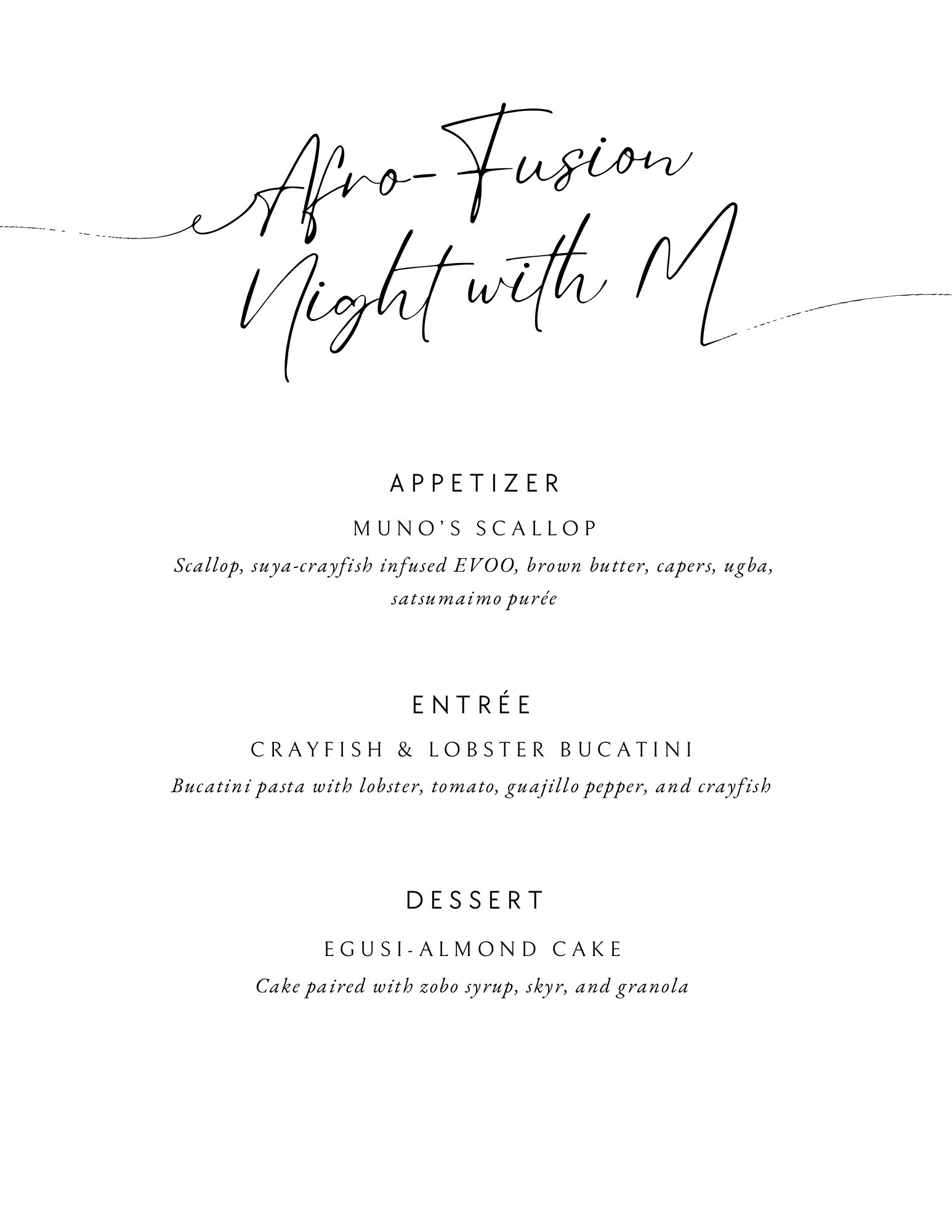
The Afro-Fusion Menu
Nigerian base. Global accents. Very me.
But here's what's been bothering me: a lot of traditional Nigerian dishes don't have progressive or creative formats. Egusi is everyone's scapegoat ingredient now. It shows up in fancy restaurants, deconstructed or reimagined. But why just egusi? Why not pepper soup or ugba or or banga or ogbono?
Nigerian cuisine has so much depth, but we're not always giving ourselves permission to play with it the way other cultures do.
That's what my Afro-fusion menus are trying to figure out. How do you honor where something came from while also letting it evolve?
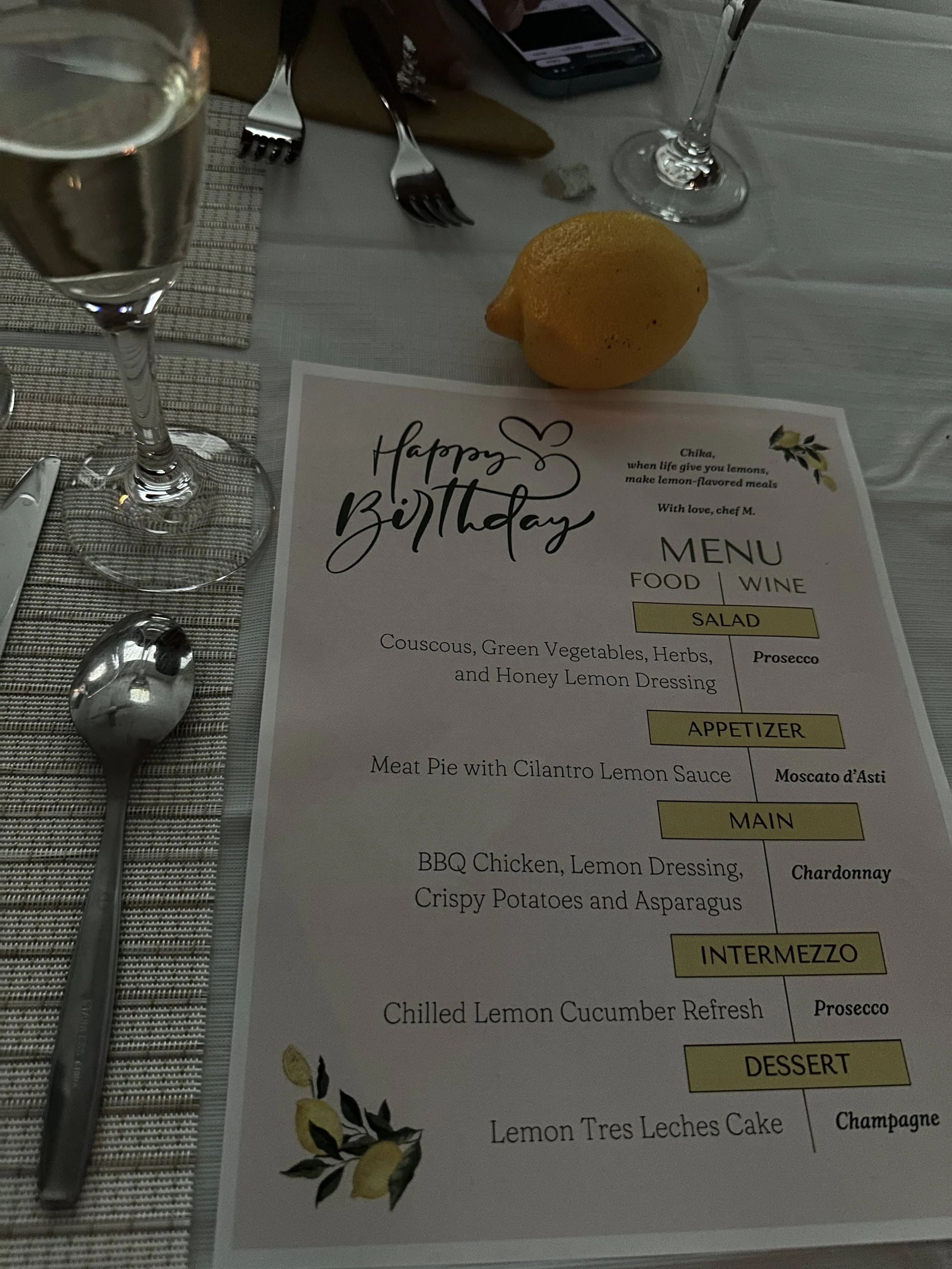
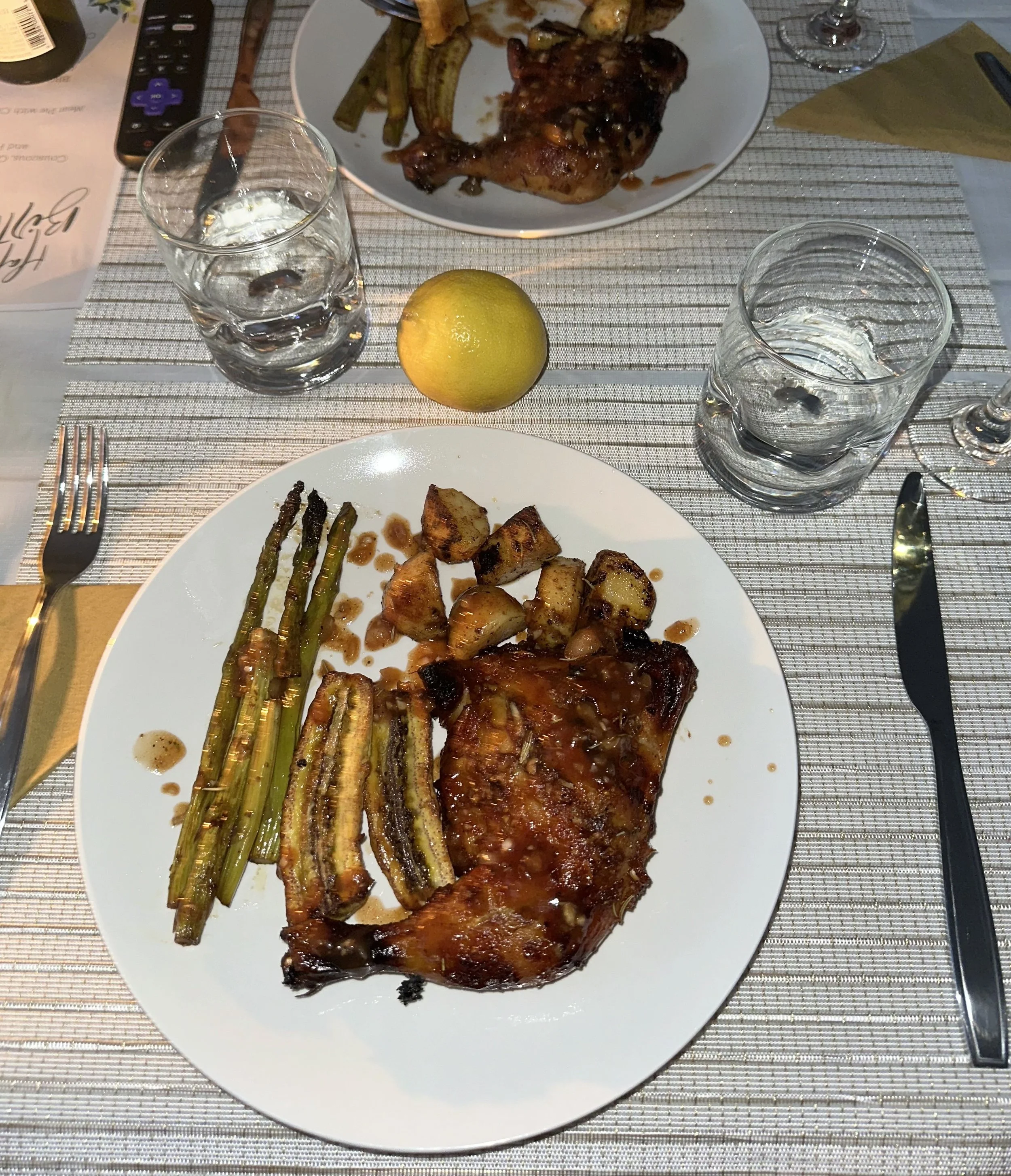
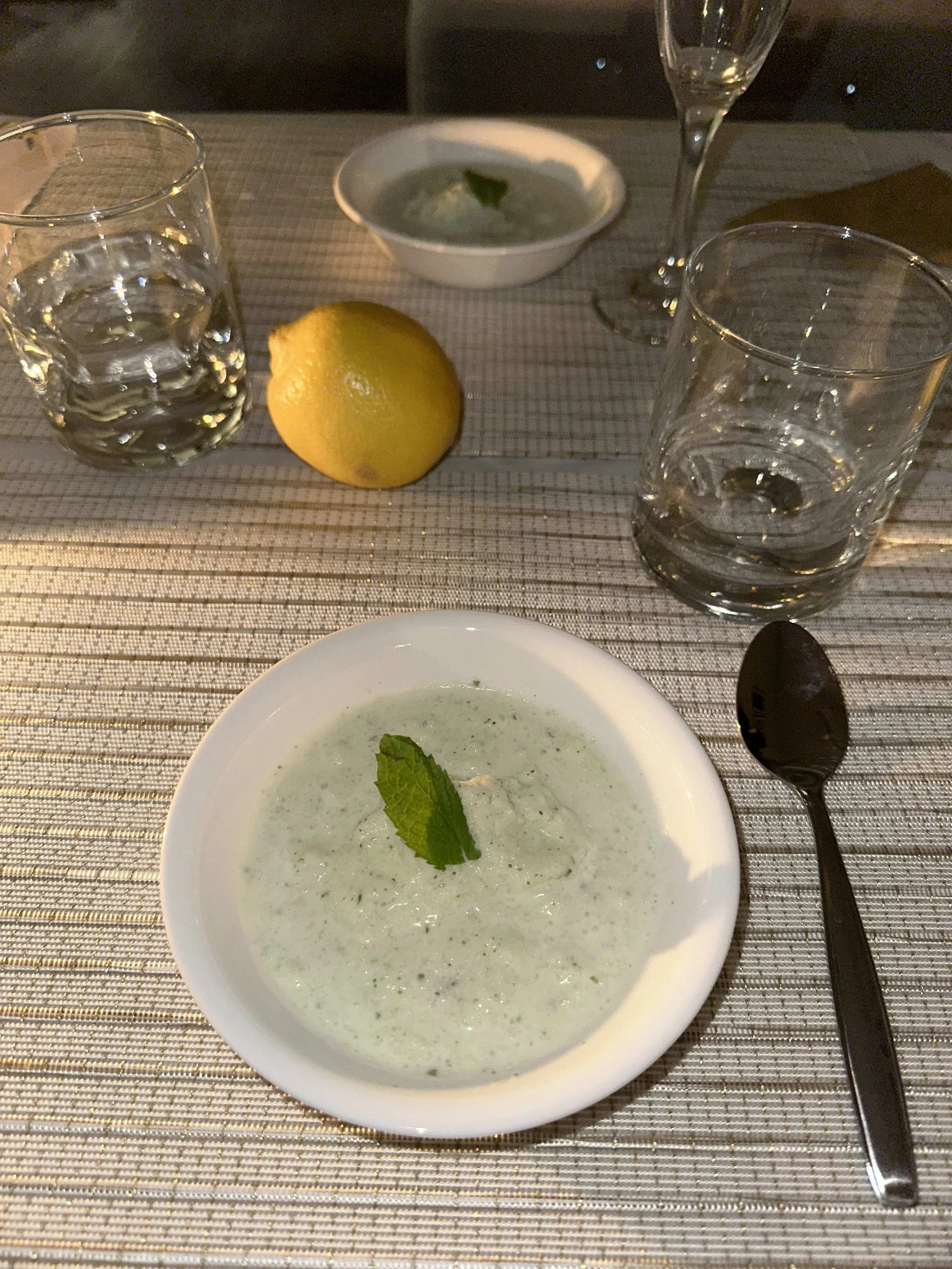
The Lemon-Themed Menu
I made a summer birthday menu. Very bright, very citrus.
Lemon was the mood I was thinking of. Clarity, reset energy. I was trying to simplify during the busy and noisy season the person was in.
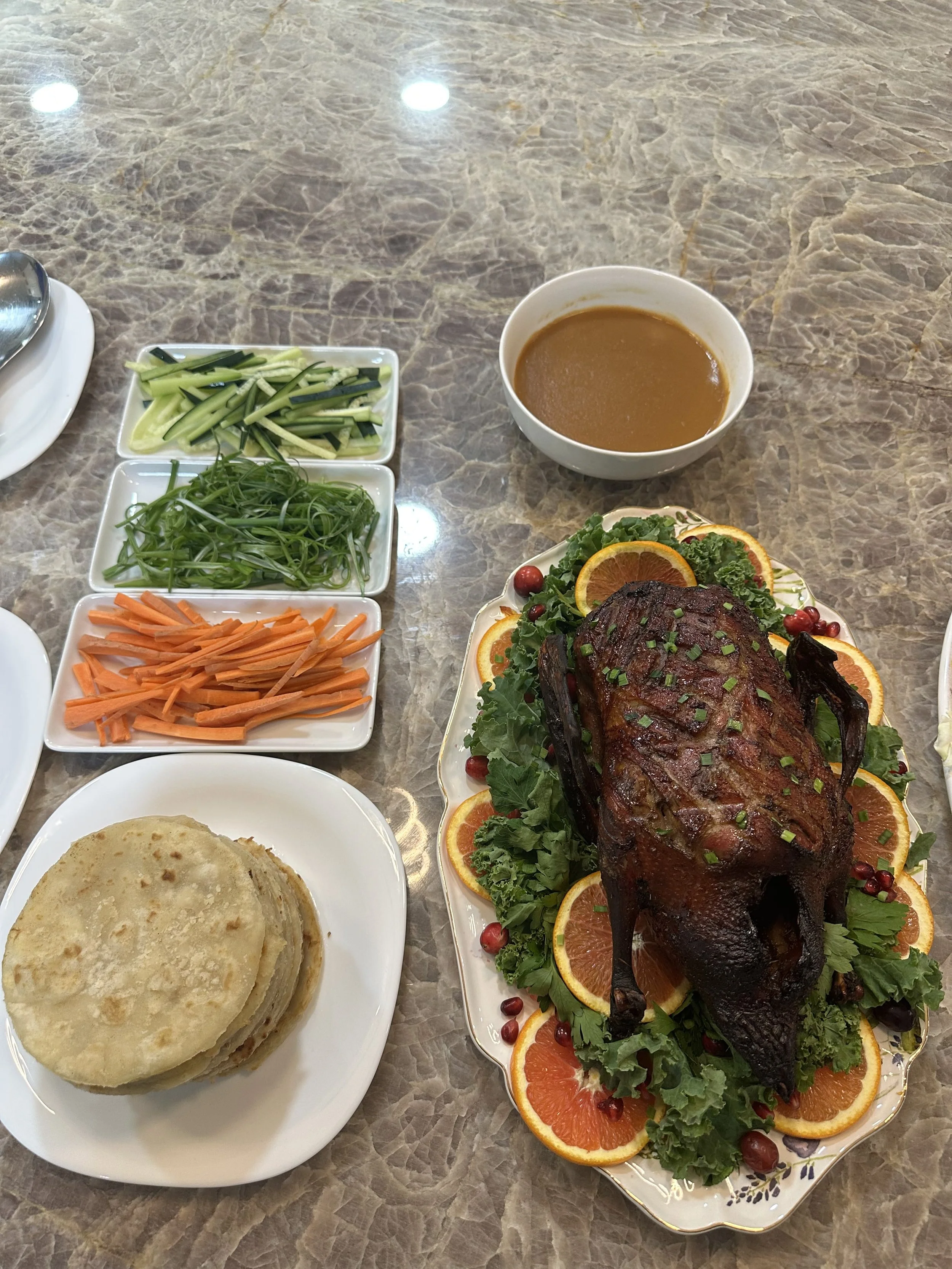
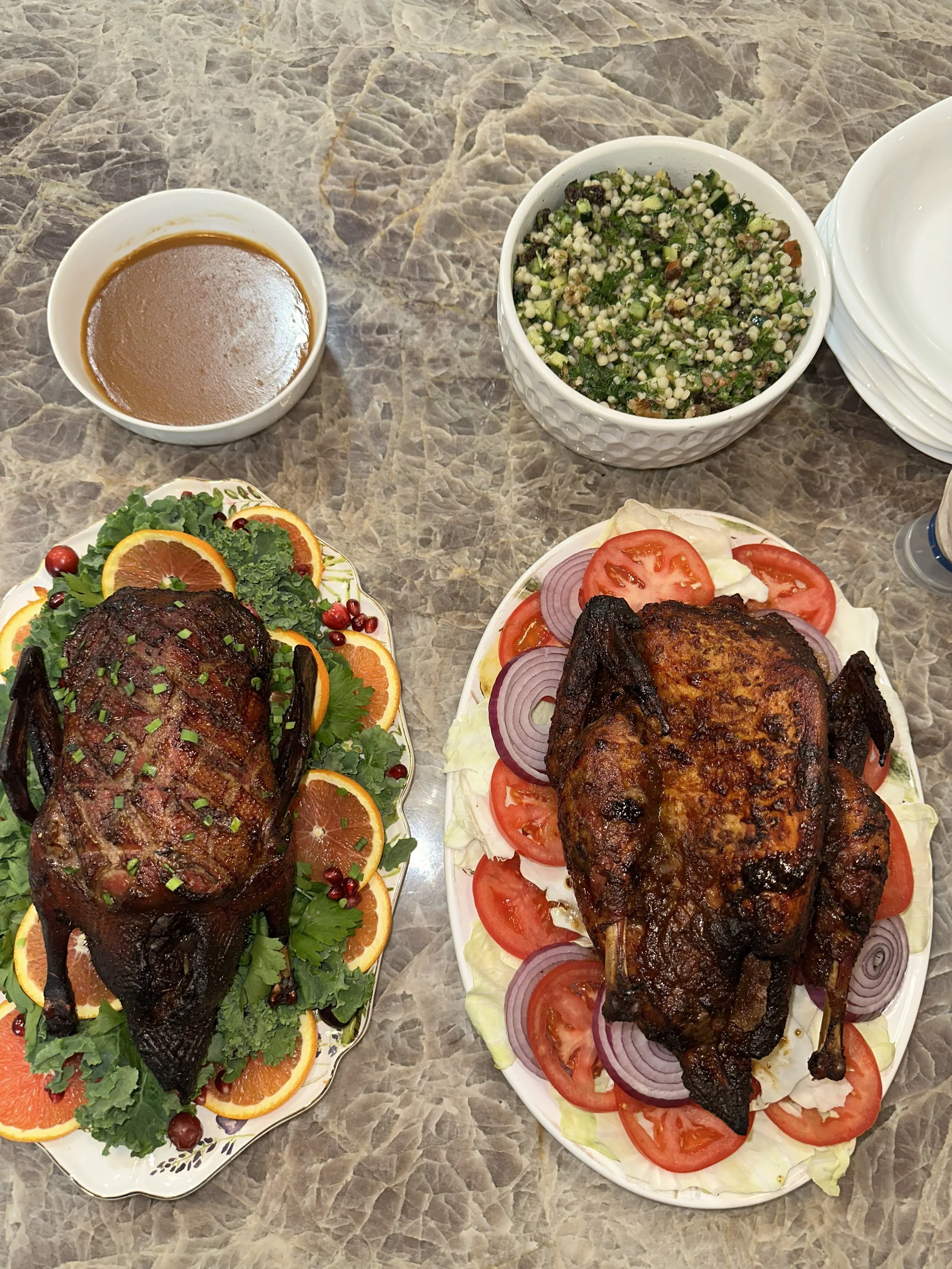
Roasted Duck with Orange Sauce + Suya Guinea Fowl
My mom got some duck and guinea fowl and asked me to roast it whole for Christmas. A little chaotic, very delicious.
The duck was Chinese-inspired. The skin was not crisp and it was over-cooked but still delicious. I made wraps because I love the assemble-your-own experience. I tried to plate them to represent their flavors or ways of eating. This was a fun challenge and i’ll probably do it again; especially to cook duck better.
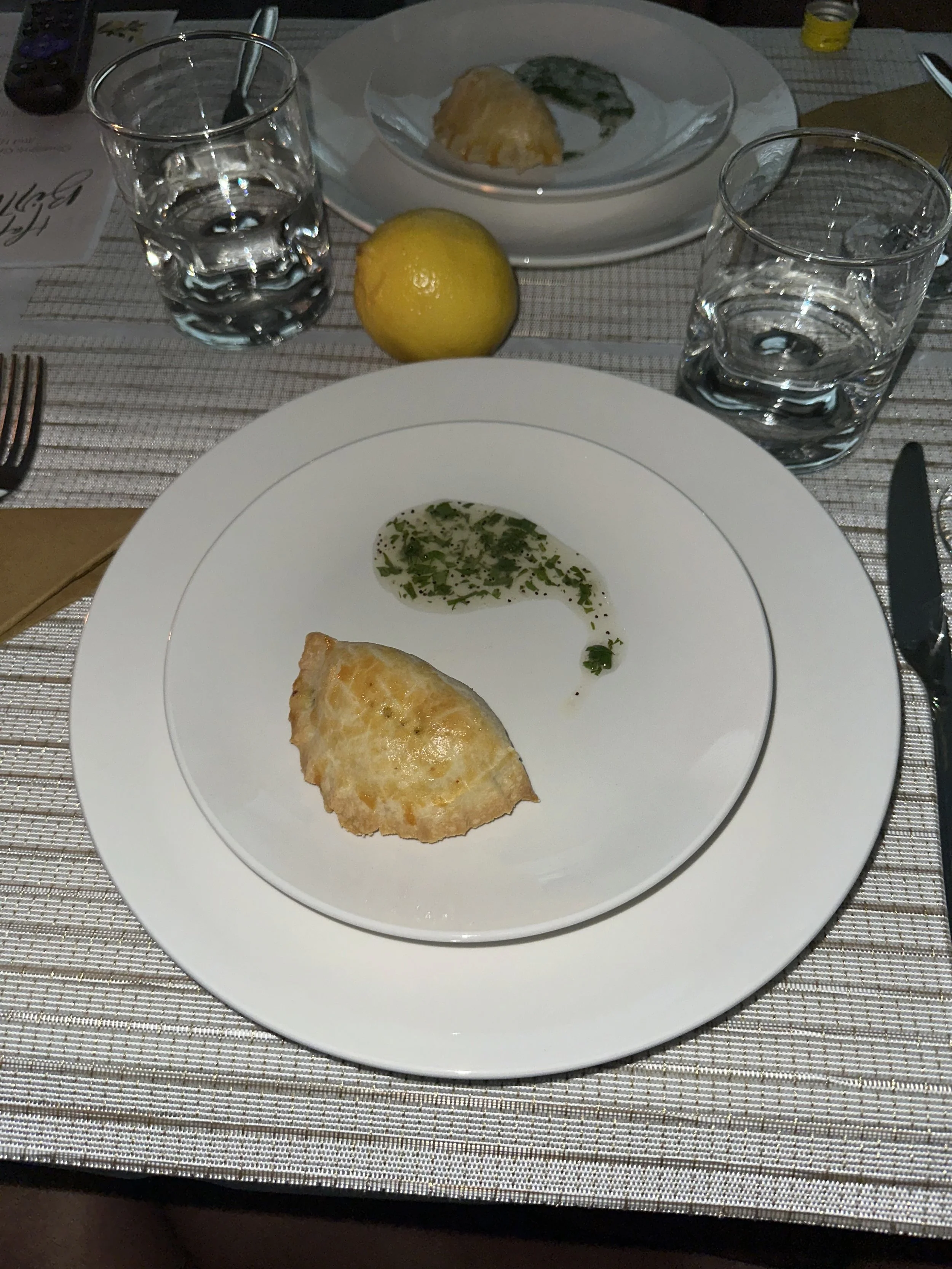
The Pie Era
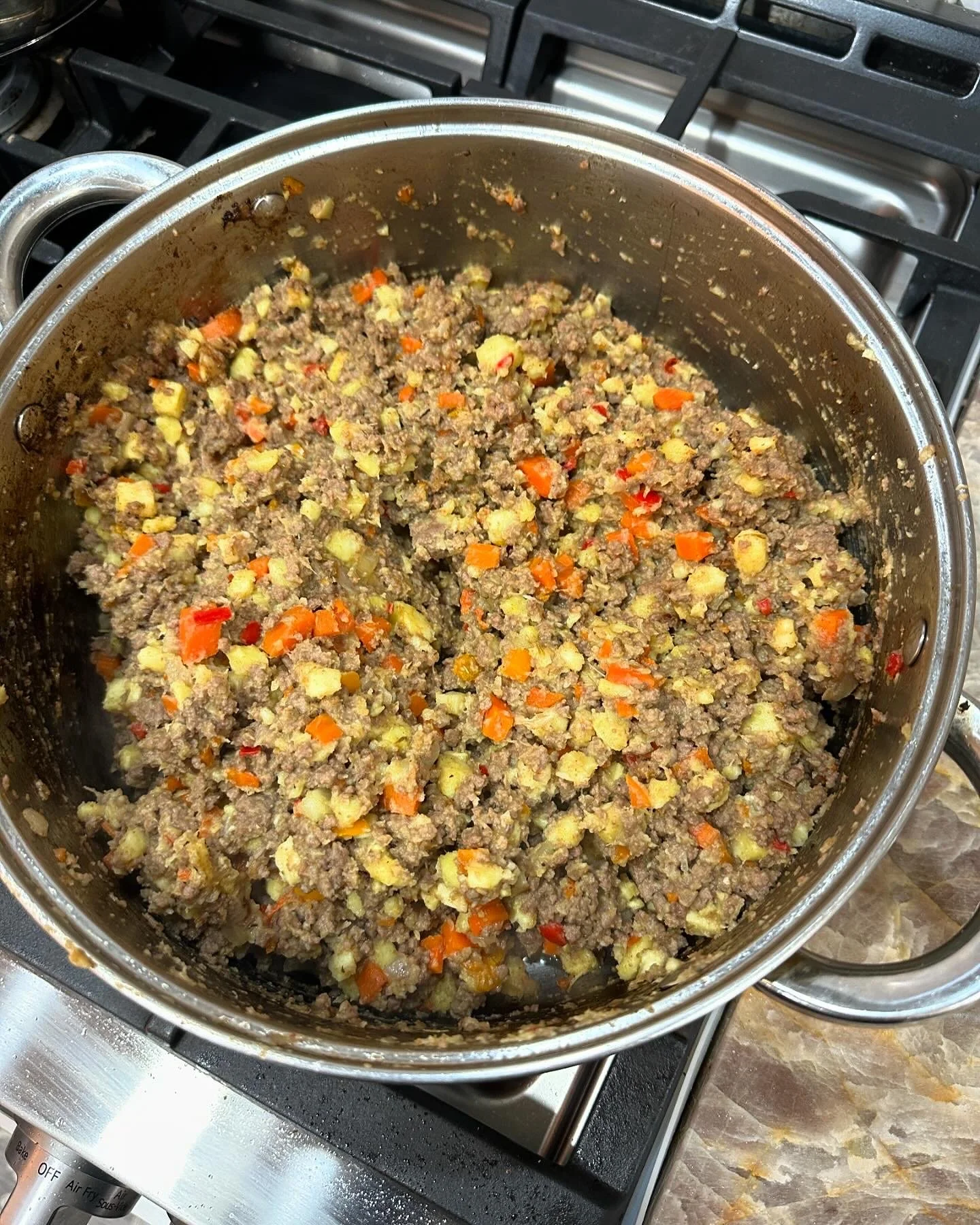
Meat pie. Chicken pie. Plantain pie. Fish pie. Liver pie.
My dad was the catalyst for the liver one. He likes metallic tastes: the kind most people avoid (me occasionally.. I do not like liver). So I made liver pie for him, his encouragement was that you can make a pie out of almost anything if you understand the structure. It actually turned out pretty good.
Thinking about cooking
Honestly, when I look at the way I cook now, it’s just everyone I’ve learned from showing up in different ways.
Friends, parents, trips, random kitchens I’ve stood in. All those influences just connect.
That’s really what I mean by an edible social graph: my cooking is basically the sum of the people and places that taught me how to taste.
Thank you for thinking with me. This piece is part of Ode by Muno, where I explore the invisible systems shaping how we sense, think, and create.
📬 This essay is also available on Substack, where I send new pieces directly to your inbox. Subscribe to get essays like this before they're archived here.
Drop a comment with what resonated or what you noticed in your own cooking network. And if you know someone who also thinks about food this way, as a mix of memory, influence, and culture, feel free to share this with them. If you want to follow along as this series grows, subscribe to get new pieces as I write them.
The quote at the intro is from the book, Systems Intelligence.