Taste has infrastructure too. Here's how to notice it.
“Once a person confronts and thus notices the limits of his current mental models, he or she can more easily adopt more functional ones to accommodate to the actual reality.”
Last time, I wrote about how AI infrastructure is invisible until it isn't — how most people see software but miss the rare earth minerals, power grids, and supply chains beneath it.
This time, I want to show you another invisible infrastructure: taste.
Because this is a way of thinking, it can be developed and applied elsewhere.
Visual Similarity × Taste Divergence Equation
Here's a mental equation that I think makes the invisible visible for taste:
Dish A ≈ Dish B (visually)
BUT
Dish A ≠ Dish B (perceptually)

WHERE:

Visual Similarity = f(Structure, Form, Color)
Taste Divergence = f(Taste Signature, Texture, Cooking Method, Cultural Context)

THEREFORE:

If you like [Dish A] for [X reason],
Try [Dish B] + adjust for [Δ Taste Signature, Δ Texture, Δ Method, Δ Context]
Let’s apply the equation to 10 examples
I'll give you the pattern for each pair so you can form your own pairs!
Noe: all images below are gotten from google search
1. Fried Banana vs. Fried Plantain
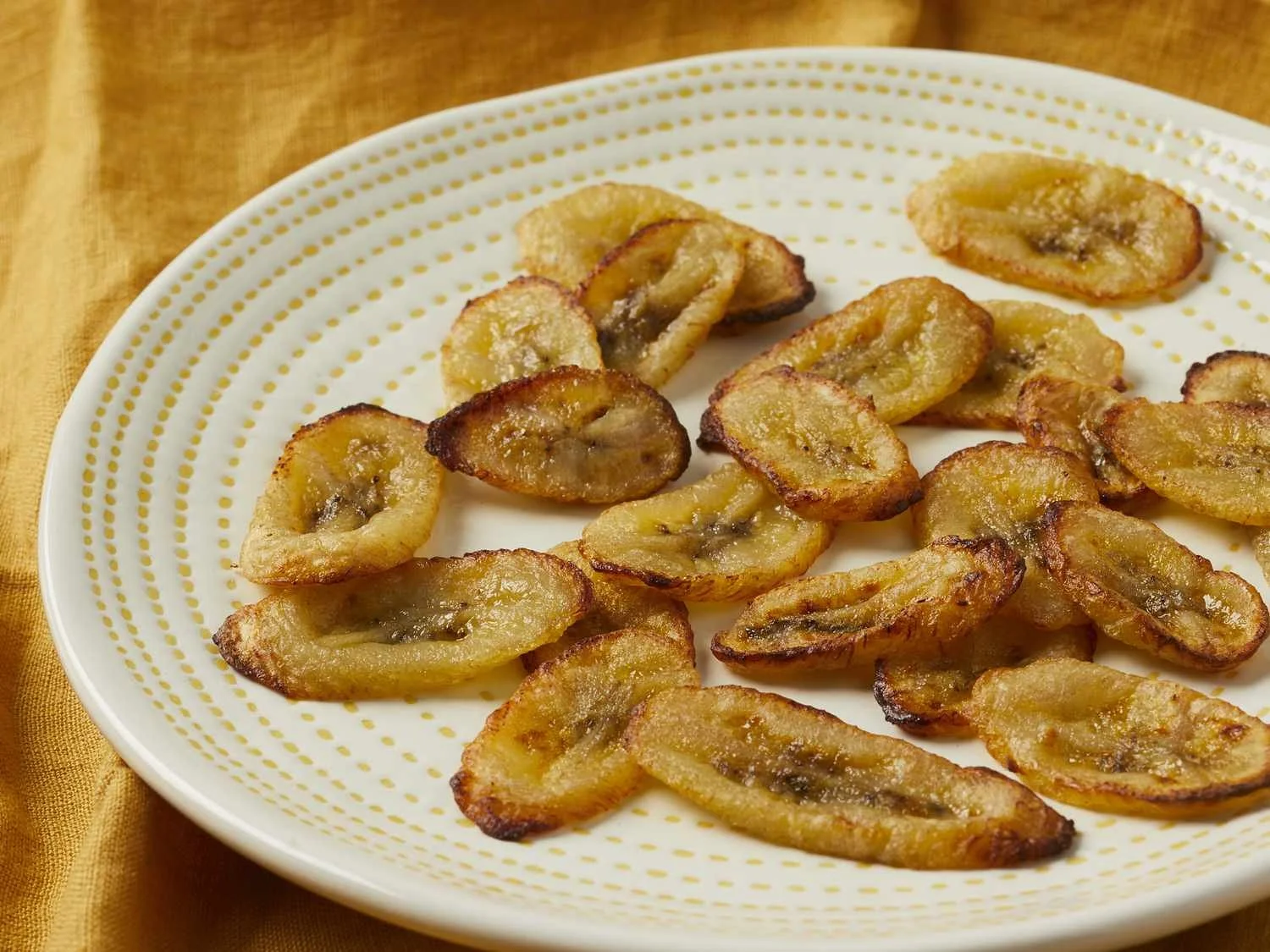
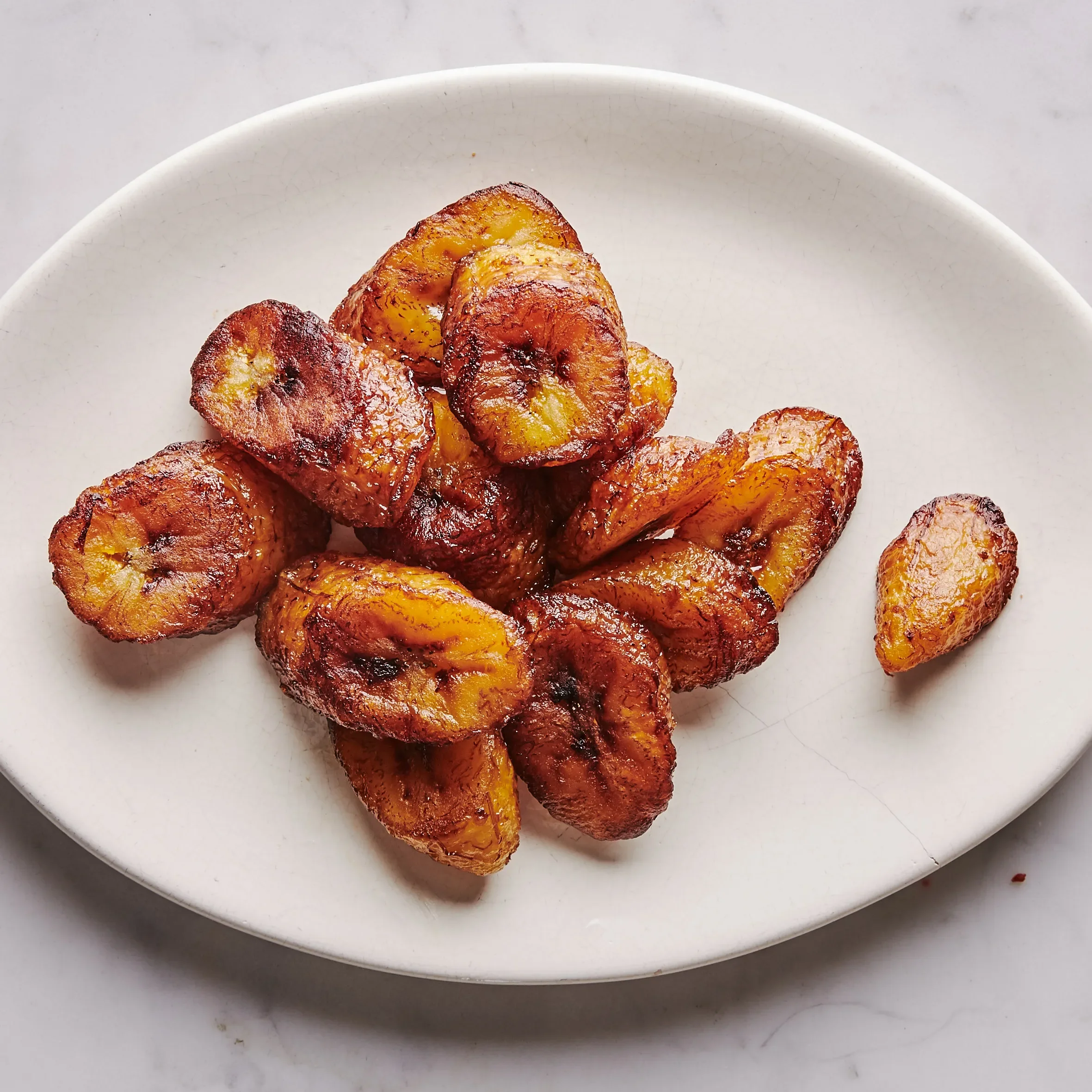
Visual Similarity = f(Structure, Form, Color)
Structure: Fried slices or whole pieces, hand-held snack
Form: Caramelized edges, glossy surface from oil
Color: Golden to dark brown
Taste Divergence = f(Taste Signature, Texture, Cooking Method, Cultural Context)
Taste Signature
Fried banana: Sweet, Fatty
Fried plantain: Sweet, Earthy, Fatty
Texture
Fried banana: Tender, Sticky
Fried plantain: Tender, Firm (firmer, holds shape)
Cooking Method
Deep-fried or pan-fried in oil. Banana (high sugar content) breaks down faster; plantain (lower sugar) holds structure
Cultural Context
Fried banana: Southeast Asia (Thailand, Indonesia, Philippines), Latin America, Caribbean
Fried plantain: West Africa, Caribbean, Latin America (Colombia, Puerto Rico, Dominican Republic)
2. Empanada vs. Meat Pie
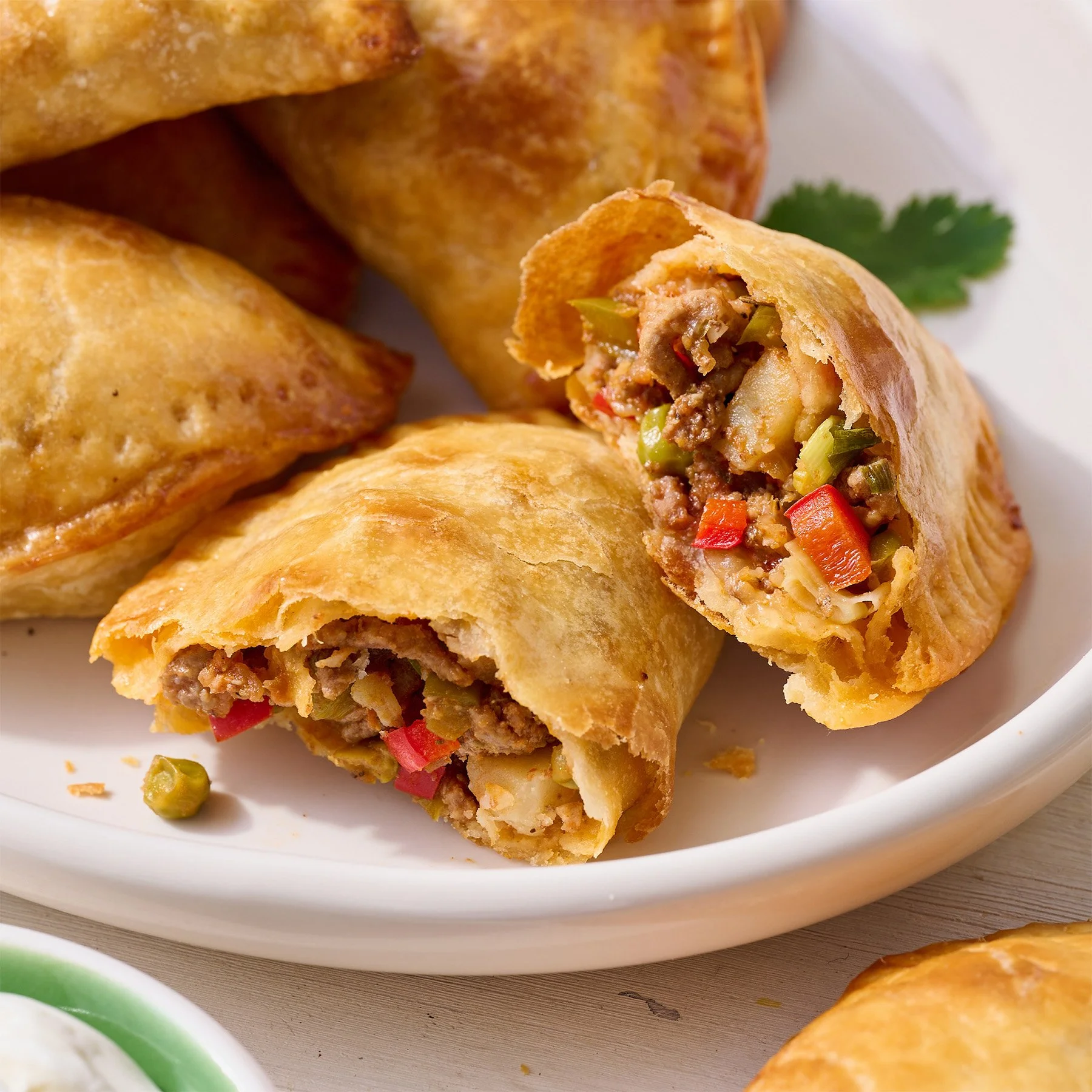
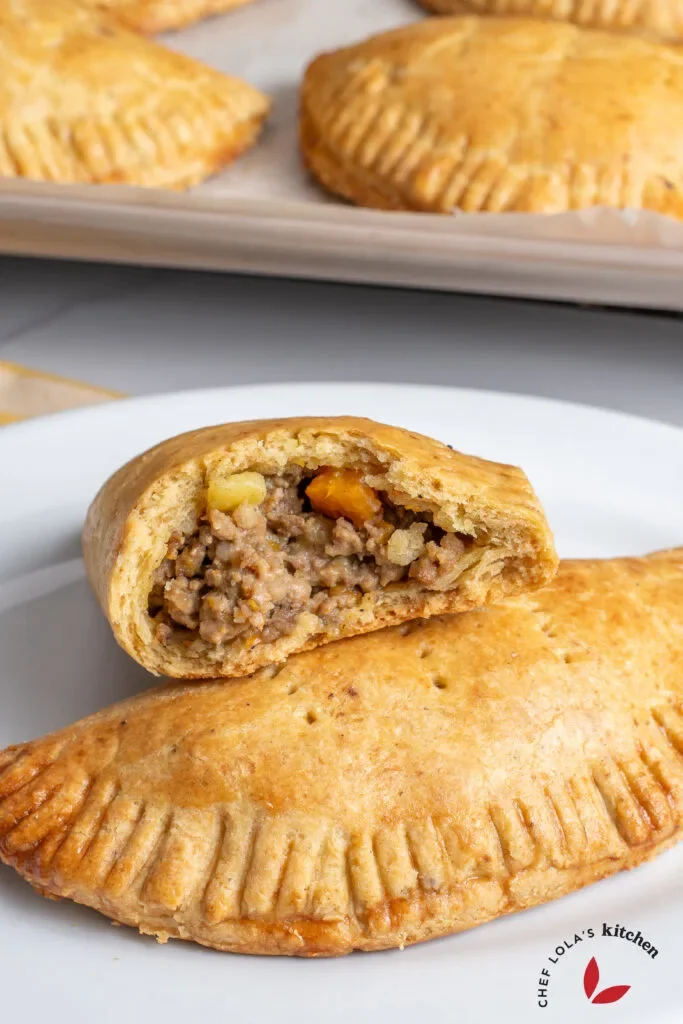
Visual Similarity = f(Structure, Form, Color)
Structure: Hand-held pastry pocket, sealed edges, half-moon or circular shape
Form: Crimped or fork-pressed edges, baked or fried
Color: Golden brown to deep brown
Taste Divergence = f(Taste Signature, Texture, Cooking Method, Cultural Context)
Taste Signature
Empanada: Sour, Spicy, Nutty (cumin, paprika, olives)
Meat pie: Spicy, Herbal, Umami (curry powder, thyme, Maggi)
Texture
Empanada: Flaky, Crispy (butter-based dough)
Meat pie: Crumbly, Tender (shortcrust pastry)
Cooking Method
Both baked or fried. Empanada uses butter/lard in dough. Meat pie uses shortcrust pastry (denser).
Cultural Context
Empanada: Spain, Latin America (Argentina, Chile, Colombia, Mexico)
Meat pie: West Africa (Nigeria, Ghana), UK, Australia
3. Paella vs. Jambalaya
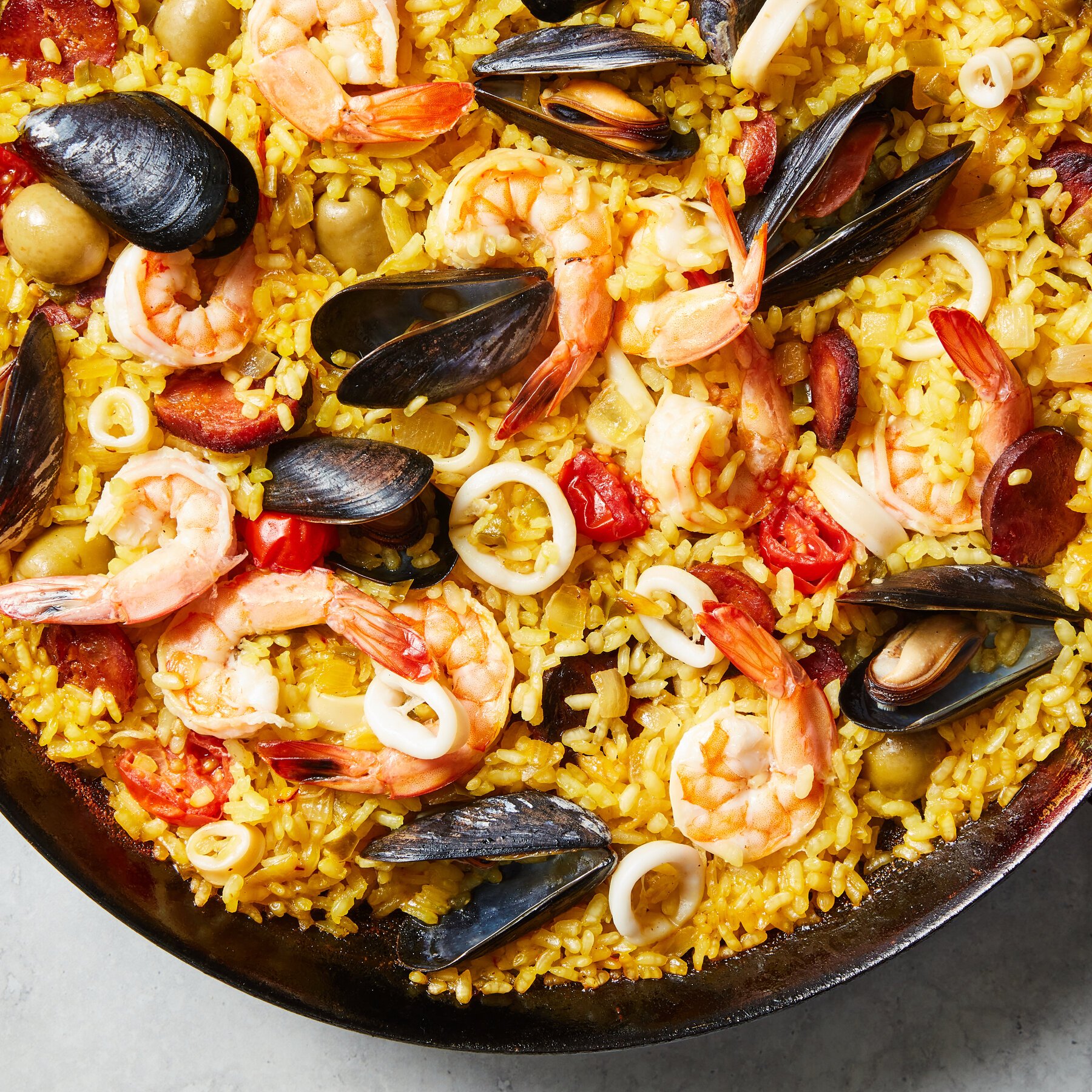
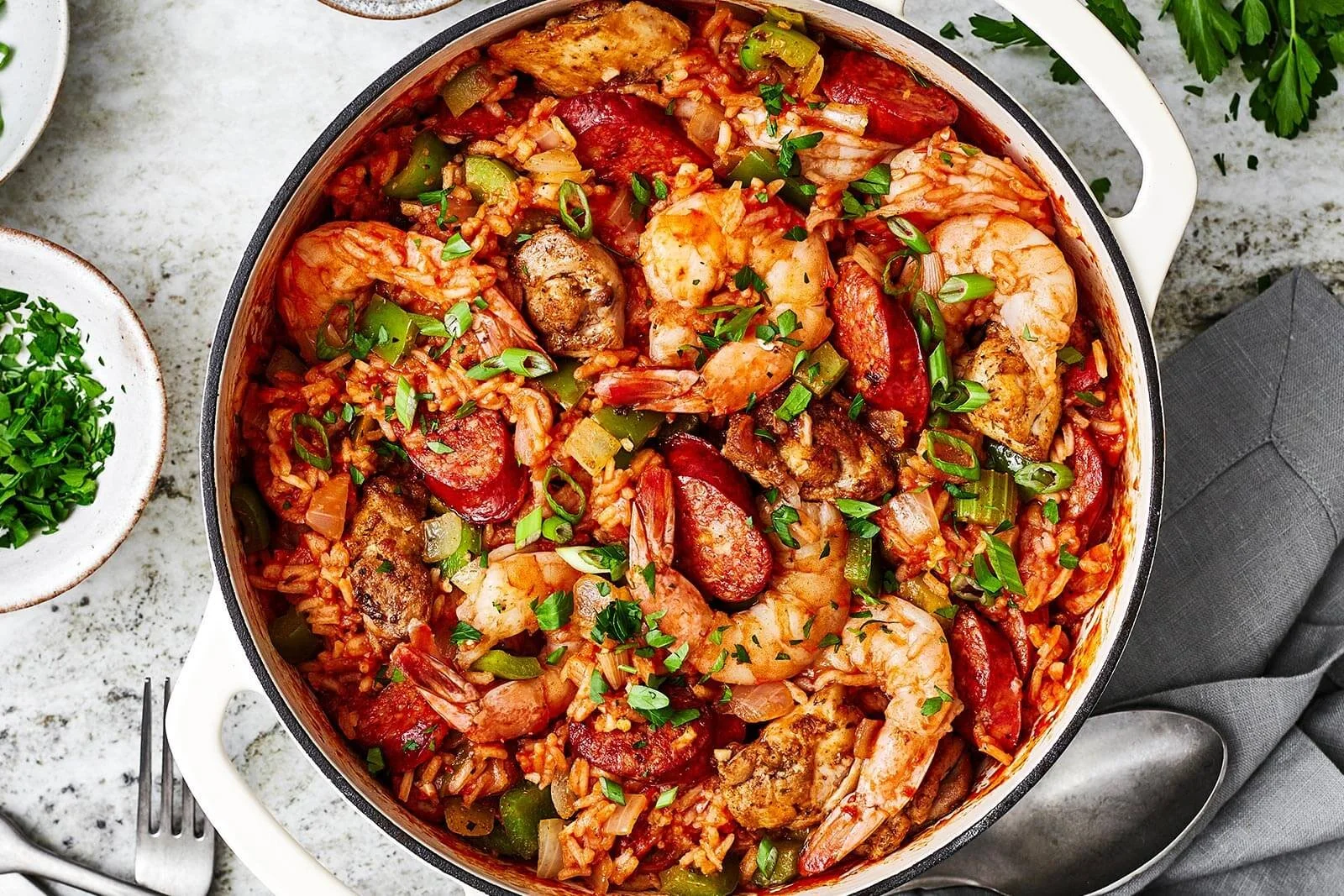
Visual Similarity = f(Structure, Form, Color)
Structure: One-pot rice dish with meat, seafood, and vegetables
Form: Rice cooked in wide, shallow pan + bomba rice (paella) or deep pot + long-grain rice (jambalaya)
Color: Yellow-orange-red
Taste Divergence = f(Taste Signature, Texture, Cooking Method, Cultural Context)
Taste Signature
Paella: Floral, Herbal, Umami (saffron, parsley)
Jambalaya: Spicy, Smoky, Fatty (cayenne, andouille sausage)
Texture
Paella: Tender rice, Crispy bottom (socarrat)
Jambalaya: Tender rice, Grainy (no crispy bottom)
Cooking Method
Paella: High heat, shallow pan, no stirring. Socarrat (crispy rice layer) is very important.
Jambalaya: Cooked in a pot, rice absorbs broth. No crispy bottom.
Cultural Context
Paella: Spain (Valencia)
Jambalaya: United States (Louisiana, Cajun/Creole)
4. Wonton vs. Tortellini
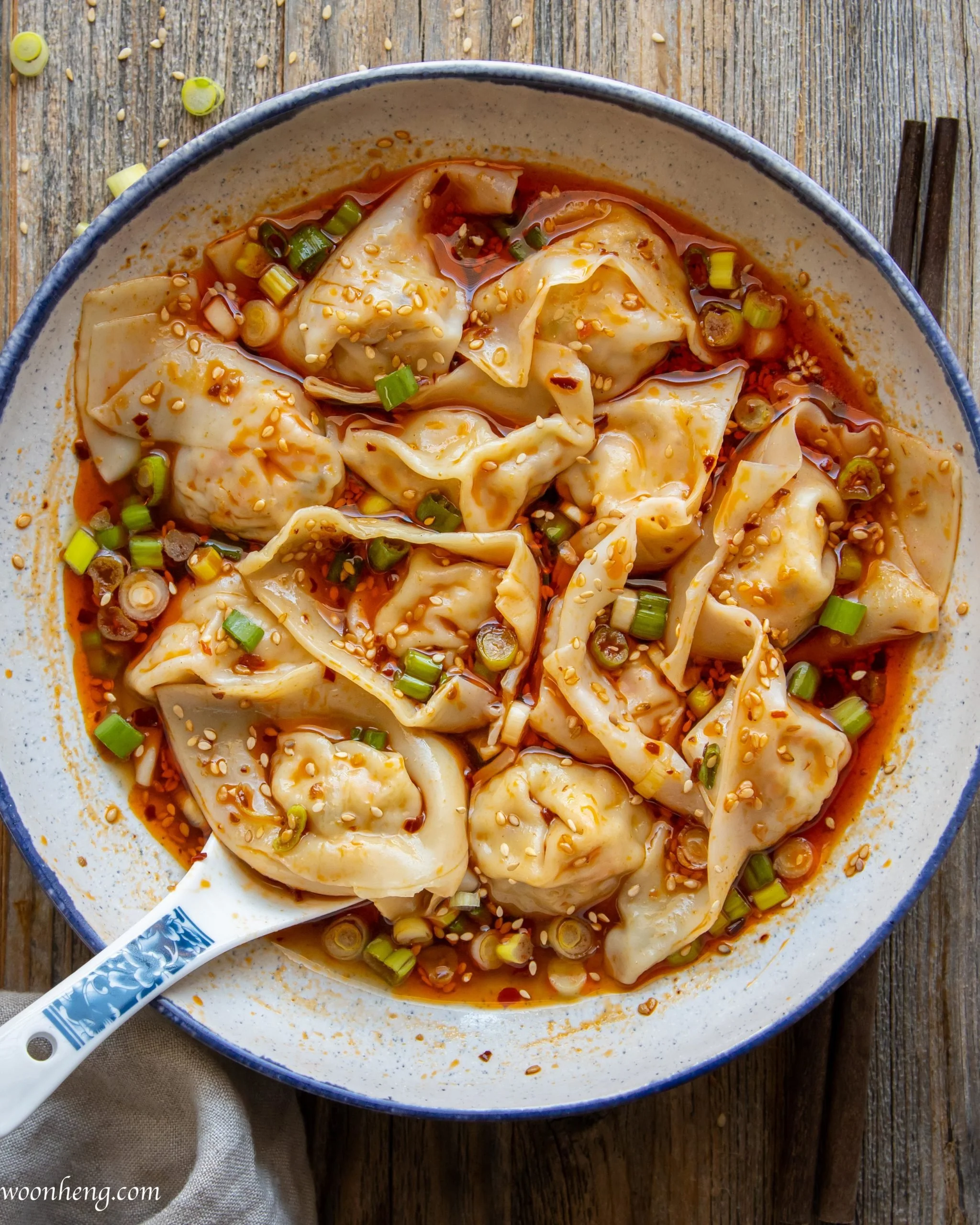
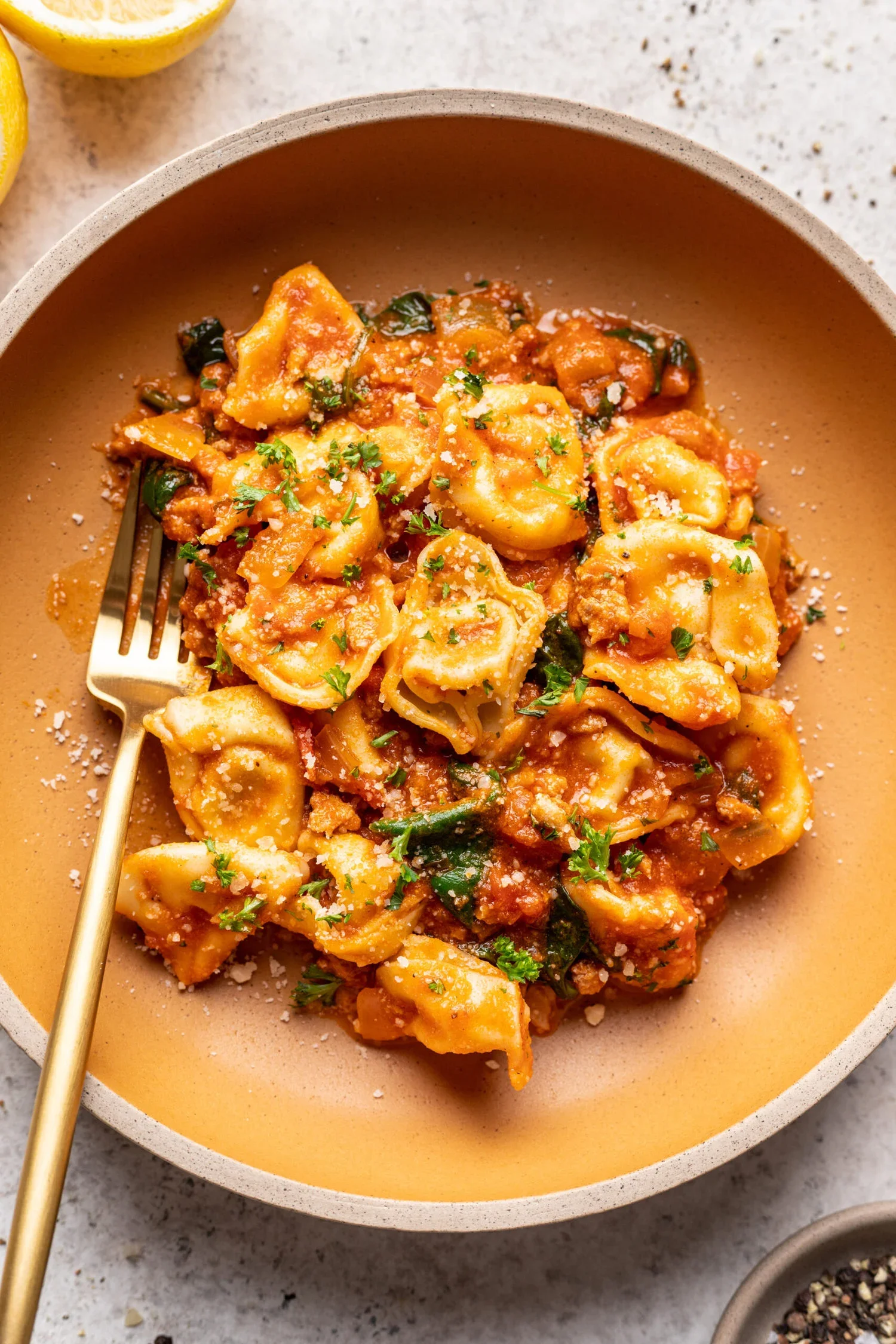
Visual Similarity = f(Structure, Form, Color)
Structure: Small, folded dumplings with twisted or pinched shapes
Form: Wrapped filling, sealed edges (various folds: triangle, nurse's cap, ring)
Color: Pale yellow to white (wonton), golden yellow (tortellini)
Taste Divergence = f(Taste Signature, Texture, Cooking Method, Cultural Context)
Taste Signature
Wonton: Umami, Herbal, Fatty (ginger, soy sauce, sesame oil)
Tortellini: Umami, Nutty, Herbal, Fatty (nutmeg, Parmesan, prosciutto)
Texture
Wonton: Silky, Slippery (thin wrapper)
Tortellini: Chewy, Tender (thicker egg pasta with "bite")
Cooking Method
Wonton: Boiled in clear broth or fried
Tortellini: Boiled in rich broth (brodo) or served with cream/butter sauce
Cultural Context
Wonton: China (Cantonese cuisine, southern China)
Tortellini: Italy (Emilia-Romagna, Bologna and Modena)
5. Shepherd's Pie vs. Moussaka
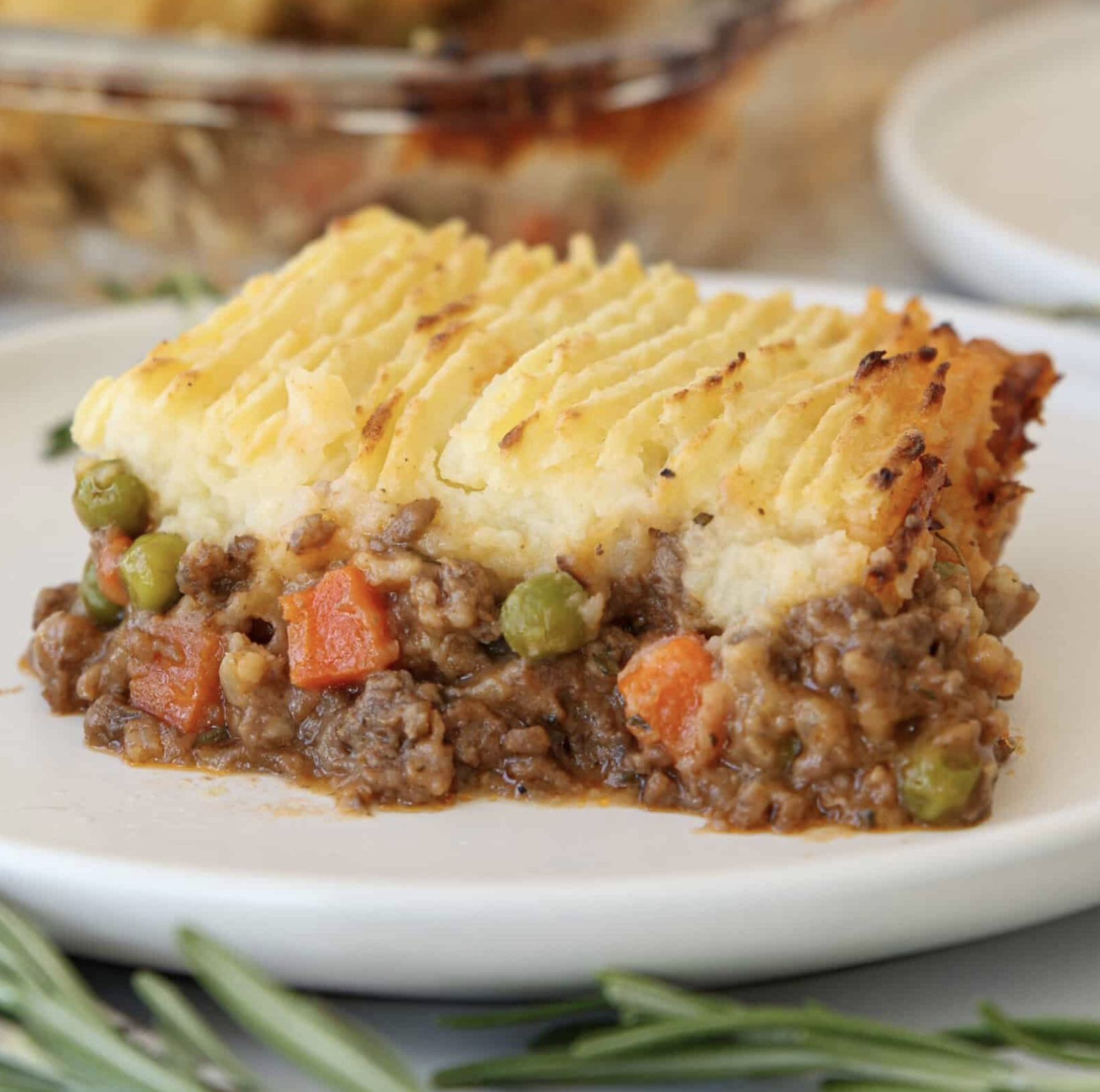
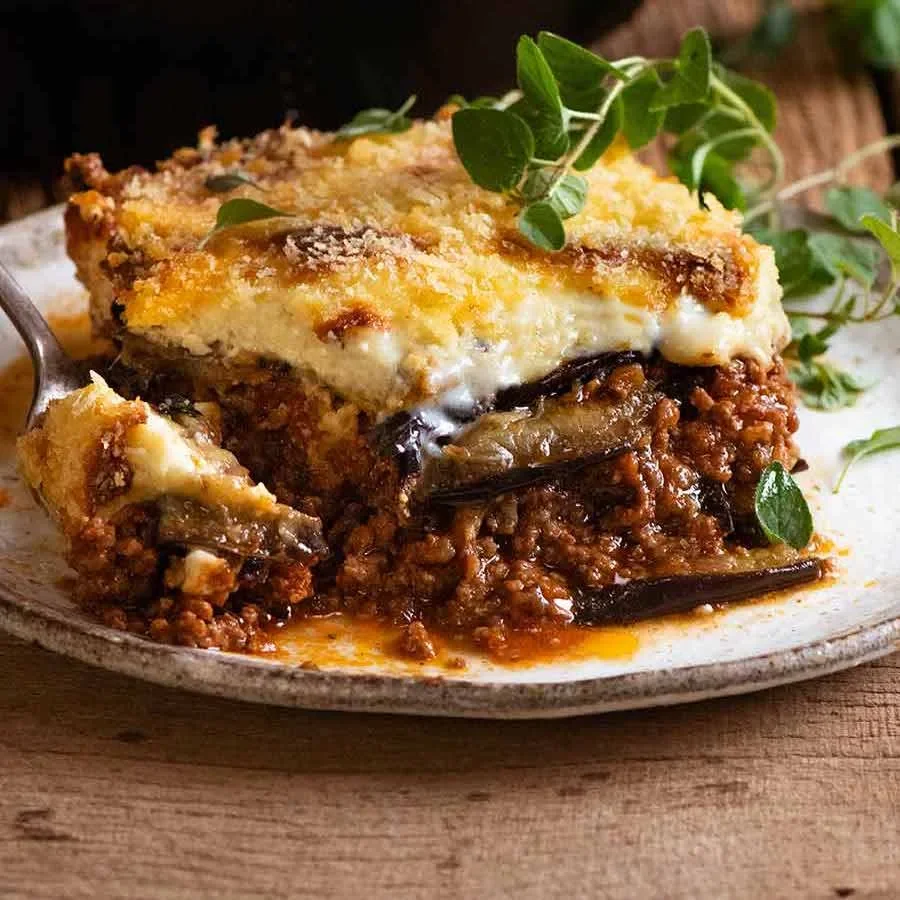
Visual Similarity = f(Structure, Form, Color)
Structure: Layered casserole with meat filling and creamy/starchy top, baked in dish
Form: Multiple layers (vegetables/starch, meat, topping), baked golden
Color: Golden brown top, darker brown meat layer
Taste Divergence = f(Taste Signature, Texture, Cooking Method, Cultural Context)
Taste Signature
Shepherd's Pie: Umami, Salty, Herbal (Worcestershire sauce, thyme)
Moussaka: Sweet, Herbal, Umami, Bitter (cinnamon, nutmeg, eggplant)
Texture
Shepherd's Pie: Creamy (mashed potato), Crumbly (cheesy potato top)
Moussaka: Tender (eggplant), Creamy (béchamel top: buttery, French-style white sauce)
Cooking Method
Shepherd's Pie: Meat cooked in pan, transferred to dish, topped with mashed potatoes, baked until golden.
Moussaka: Eggplant sliced and fried/baked, layered with meat sauce, topped with béchamel, baked.
Cultural Context
Shepherd's Pie: UK (Ireland, England)
Moussaka: Greece, Middle East
6. Lasagna vs. Pastitsio
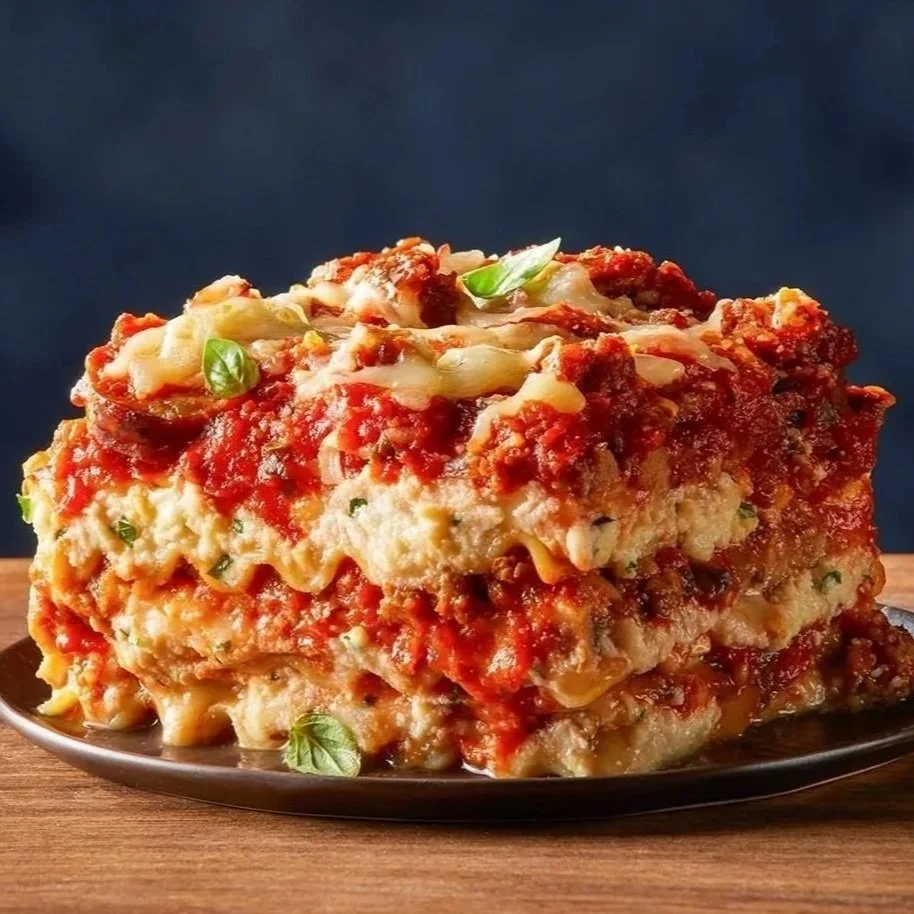
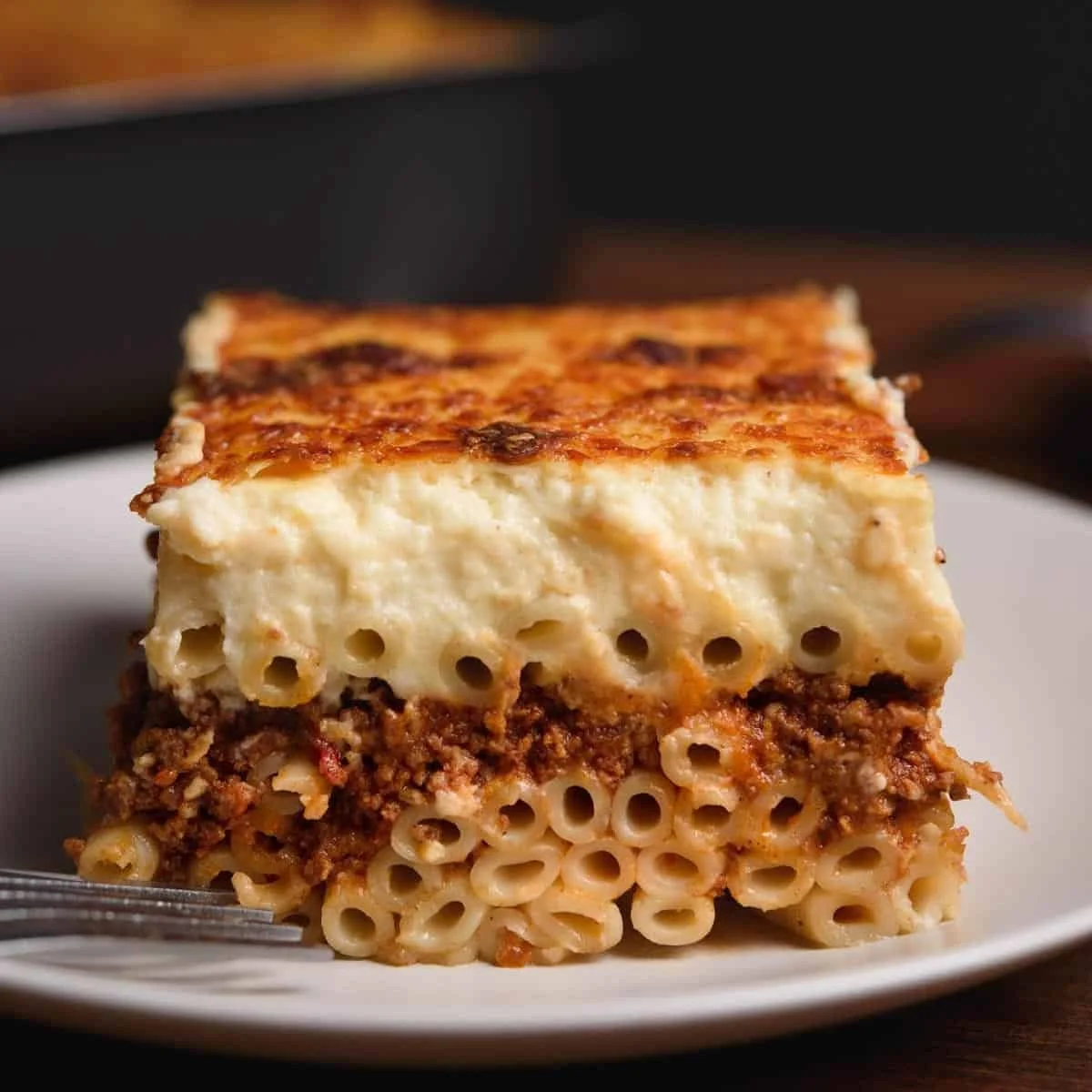
Visual Similarity = f(Structure, Form, Color)
Structure: Baked layered pasta casserole with meat sauce and creamy top
Form: Horizontal layers (pasta, sauce, topping), baked in rectangular or square dish
Color: Golden brown top, red-brown meat layer
Taste Divergence = f(Taste Signature, Texture, Cooking Method, Cultural Context)
Taste Signature
Lasagna: Umami, Sour, Herbal (tomato-heavy, oregano, basil)
Pastitsio: Umami, Sweet, Herbal, Nutty (cinnamon, nutmeg, allspice)
Texture
Lasagna: Tender (flat pasta sheets), Creamy (ricotta/béchamel), Sticky (melted mozzarella)
Pastitsio: Chewy (tubular pasta), Creamy (thick béchamel), Gelatinous (custard-like top)
Cooking Method
Lasagna: Layered with flat pasta sheets, ricotta or béchamel, mozzarella. Italian ragù = tomato-heavy, slow-cooked. No warm spices.
Pastitsio: Tubular pasta (Pastitsio pasta No. 2, also called Greek bucatini or macaroni). Greek meat sauce = cinnamon, cloves, nutmeg. Less tomato, more aromatic.
Cultural Context
Lasagna: Italy (Emilia-Romagna, especially Bologna)
Pastitsio: Greece
7. Nigerian Jollof vs. Senegalese Jollof
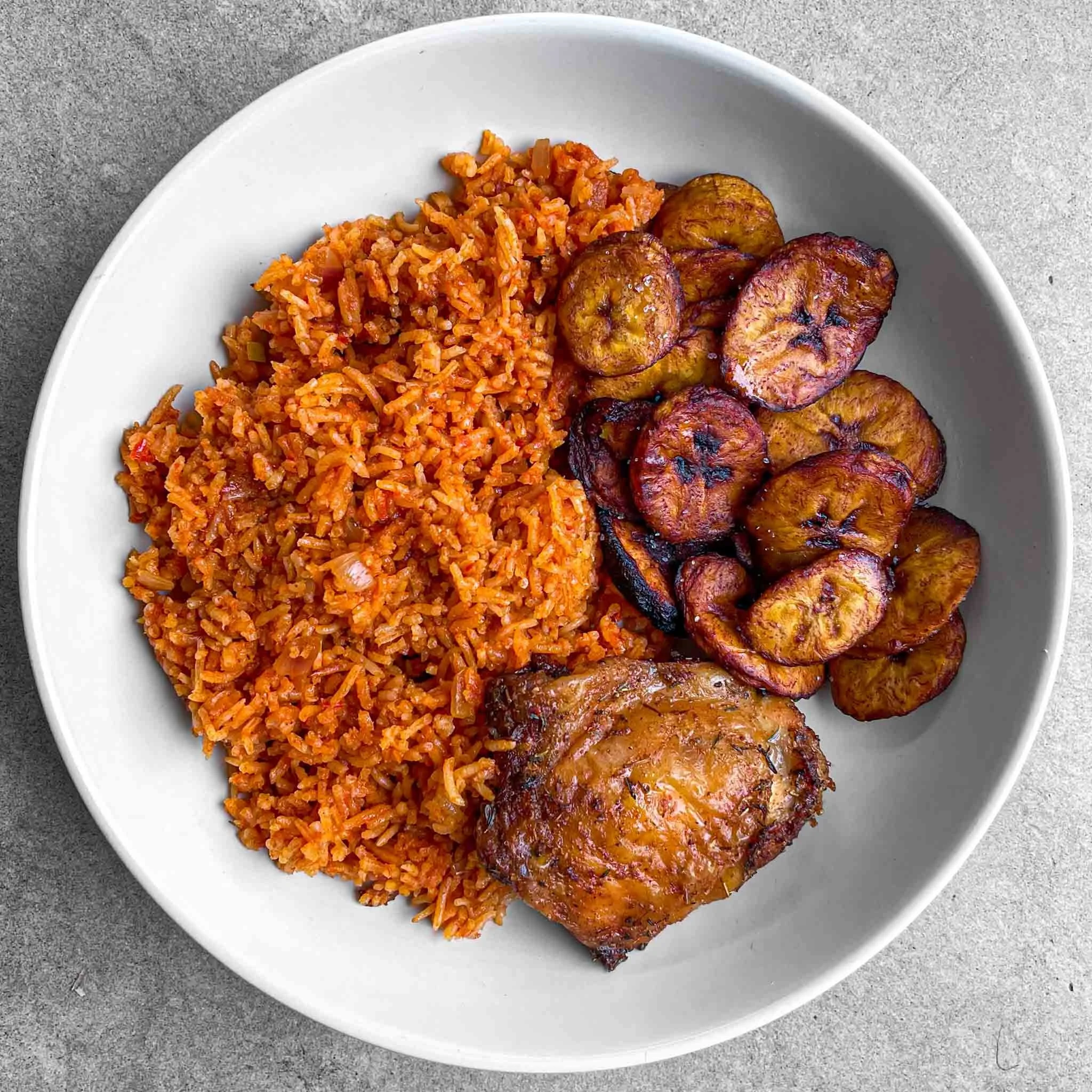
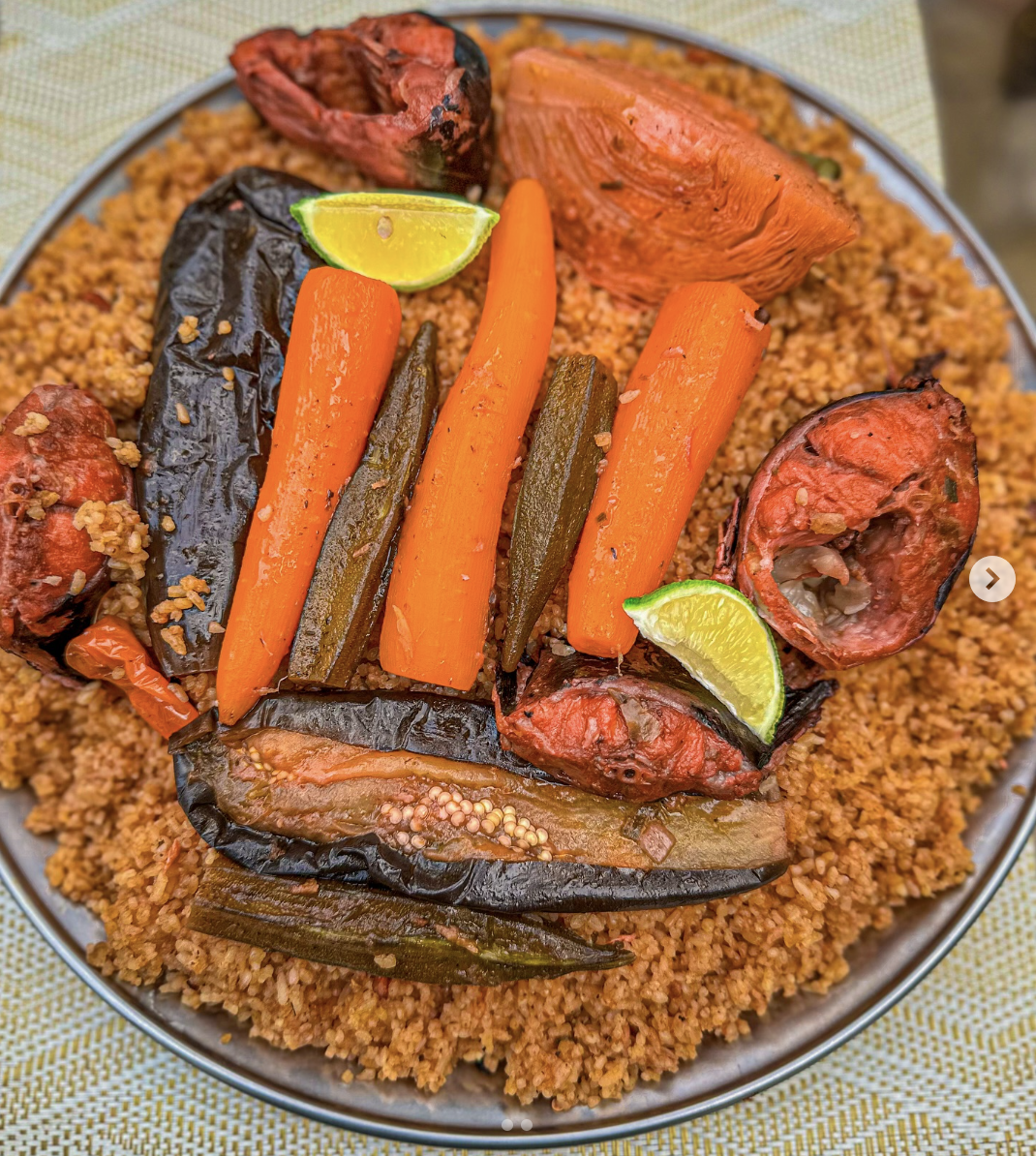
Visual Similarity = f(Structure, Form, Color)
Structure: One-pot rice dish with meat/seafood/vegetables
Form: Rice cooked in tomato-based sauce, served on plate or in bowl, often with protein on the side or mixed in
Color: Red-orange (Nigerian) vs. red-orange with visible vegetables (Senegalese)
Taste Divergence = f(Taste Signature, Texture, Cooking Method, Cultural Context)
Taste Signature
Nigerian jollof: Umami, Spicy, Sweet, Smoky (curry powder, thyme, bay leaves, Maggi)
Senegalese jollof (Thieboudienne): Umami, Smoky, Herbal, Fermented (parsley, nététou/fermented locust beans, tamarind, sometimes guedj/fermented fish)
Texture
Nigerian jollof: Tender, Grainy (separate grains), sometimes Crispy (intentional "burn" at bottom)
Senegalese jollof: Tender, Grainy, sometimes Sticky (depending on region), often with Crunchy vegetables
Cooking Method
Nigerian jollof: Parboiled long-grain rice cooked in blended tomato-pepper base with stock. Cooked with more liquid initially, then dried out over high heat. Traditionally cooked over firewood for smokiness. Party jollof gets intentional "bottom pot" (burnt rice layer).
Senegalese jollof: Broken jasmine or white rice cooked in fish/meat stock with tomato paste, vegetables (cassava, carrots, cabbage, eggplant), whole fish/meat. Cooked in one pot, vegetables removed before rice is added. Nokoss (burnt rice at bottom) is important as well.
Cultural Context
Nigerian jollof: Nigeria, West Africa
Senegalese jollof: Senegal, West Africa (considered the origin of all jollof rice dishes)
8. Gyoza vs. Jiaozi
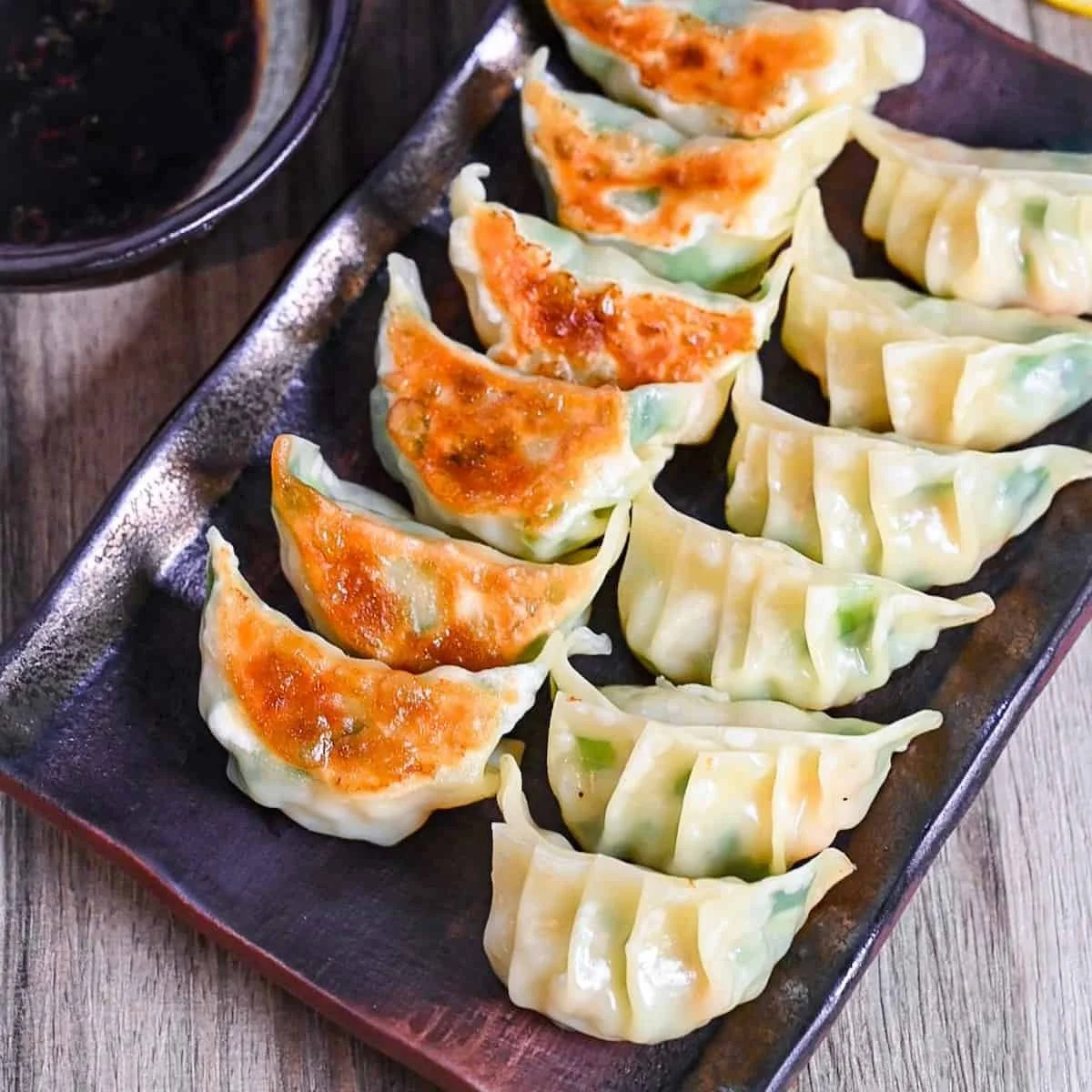
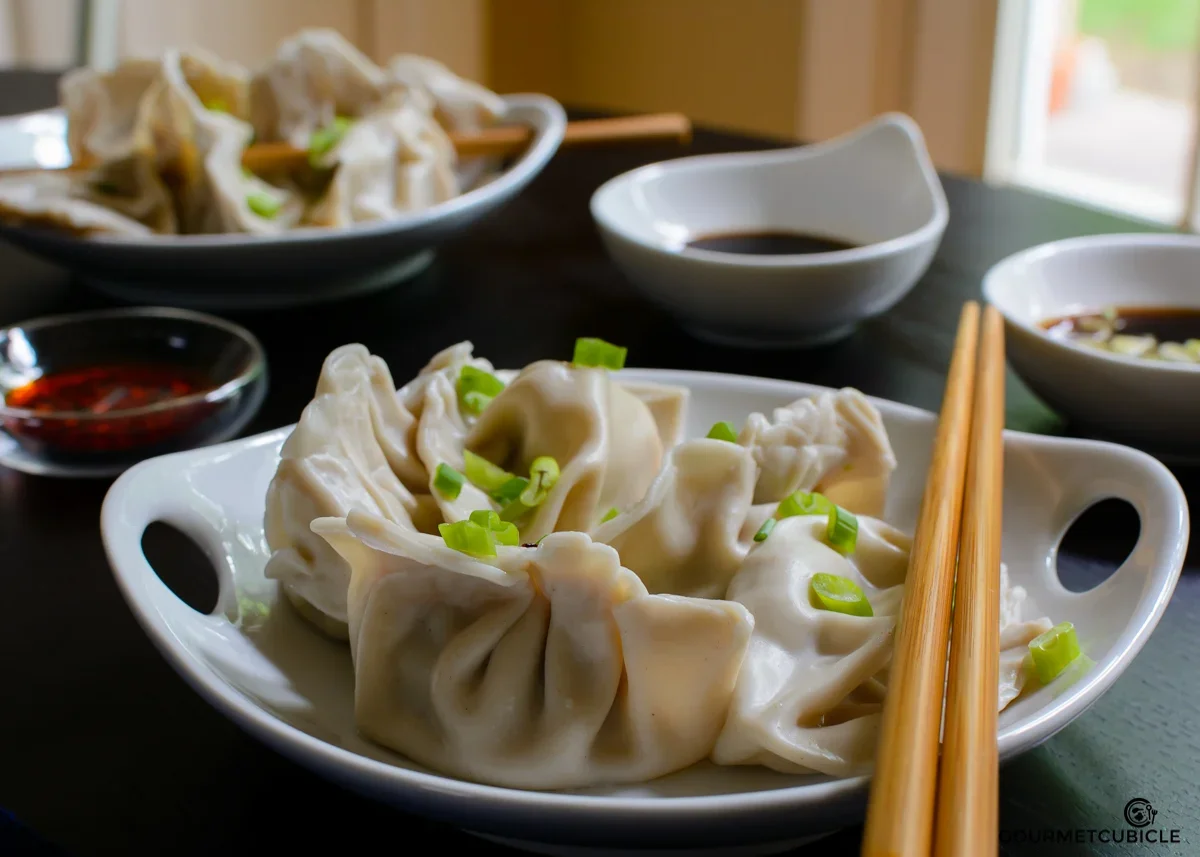
Important Note: Gyoza and jiaozi are actually the same dish: gyoza is simply the Japanese pronunciation and adaptation of Chinese jiaozi. However, they have diverged enough in preparation and cultural context to compare.
Visual Similarity = f(Structure, Form, Color)
Structure: Crescent-shaped dumplings with crimped edges
Form: Hand-folded, pleated edges
Color: Pale white to light golden (when pan-fried)
Taste Divergence = f(Taste Signature, Texture, Cooking Method, Cultural Context)
Taste Signature
Gyoza (Japanese): Umami, Herbal, Fatty, Sour (garlic-forward, less ginger, more cabbage, sometimes with ponzu)
Jiaozi (Chinese): Umami, Herbal, Spicy (ginger-forward, garlic, scallions, soy sauce, sesame oil)
Texture
Gyoza: Chewy, Crispy (thinner wrapper, crispier bottom when pan-fried)
Jiaozi: Chewy, Springy (slightly thicker wrapper)
Cooking Method
Gyoza: Most commonly pan-fried (yaki gyoza): steamed first, then fried to create crispy bottom. Less commonly boiled or steamed only. Served with soy sauce/chili oil.
Jiaozi: Most commonly boiled (shui jiao), can be steamed or pan-fried. Served with soy sauce/chili oil.
Cultural Context
Gyoza: Japan (adapted from Chinese jiaozi, became popular post-WWII); often a side dish or appetizer
Jiaozi: China (Northern China), especially eaten during Chinese New Year (symbol of wealth); often a main dish
9. Lo Mein vs. Lagman Stir-fry
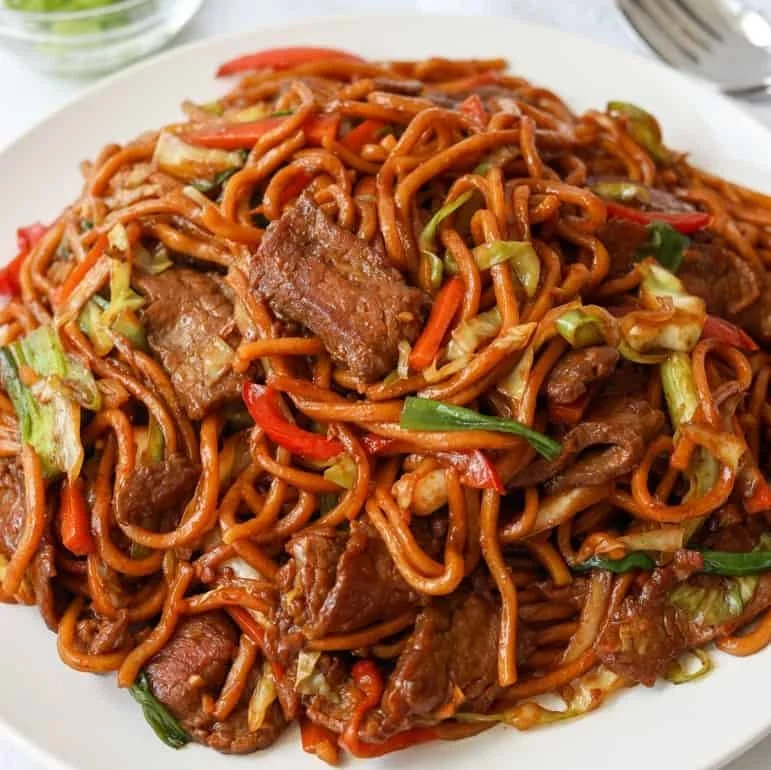
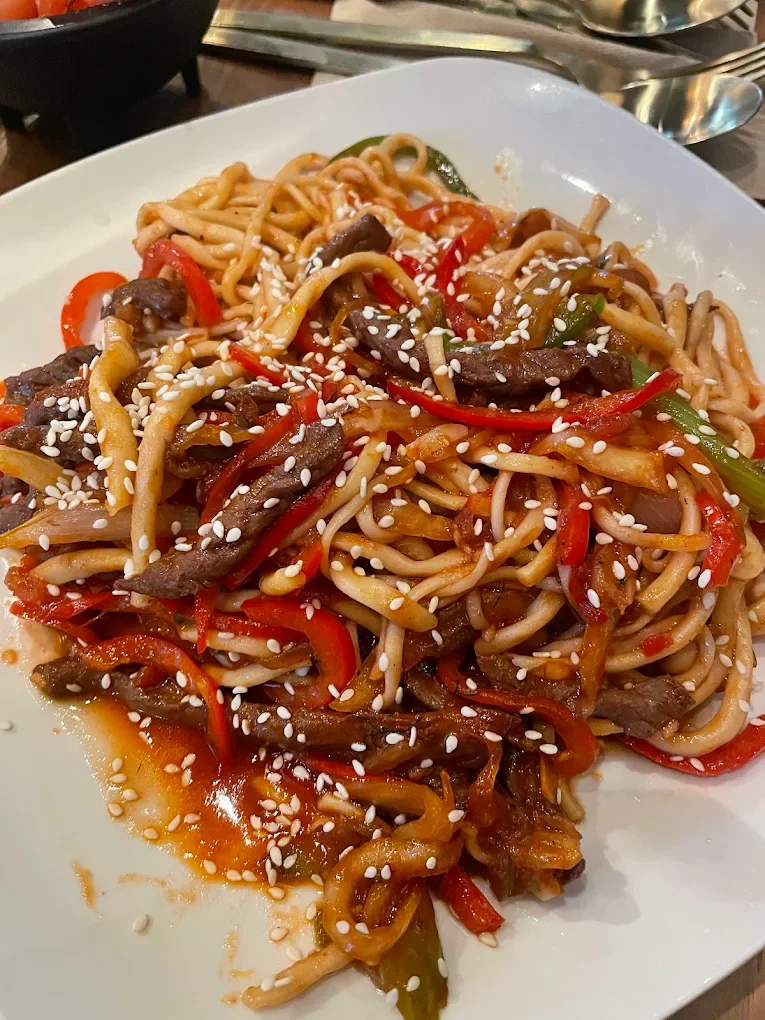
Visual Similarity = f(Structure, Form, Color)
Structure: Stir-fried wheat noodles with vegetables and meat
Form: Long noodles tossed with vegetables and protein in savory sauce
Color: Brown-red (lagman with tomato) vs. brown (lo mein with soy)
Taste Divergence = f(Taste Signature, Texture, Cooking Method, Cultural Context)
Taste Signature:
Lo mein: Umami, Salty, Fatty, Nutty (soy sauce, oyster sauce, sesame oil)
Lagman: Earthy, Herbal, Sour, Spicy (cumin, garlic, tomato, bell peppers)
Texture:
Lo mein: Tender, Slippery (pre-made egg noodles, soft, thin)
Lagman: Chewy, Springy (hand-pulled noodles, thick)
Cooking Method:
Lo mein: Pre-made egg noodles. Stir-fried with soy sauce, oyster sauce, sesame oil. Tossed, not fried crispy.
Lagman: Hand-pulled noodles. Tomato-based sauce with cumin, garlic, bell peppers, carrots, potatoes. Can be stir-fried or served in broth.
Cultural Context:
Lo mein: China (Cantonese origin)
Lagman: Uzbekistan, Central Asia (Uyghur origin, adapted from Chinese lamian)
10. Ofe Nsala vs. Ukodo
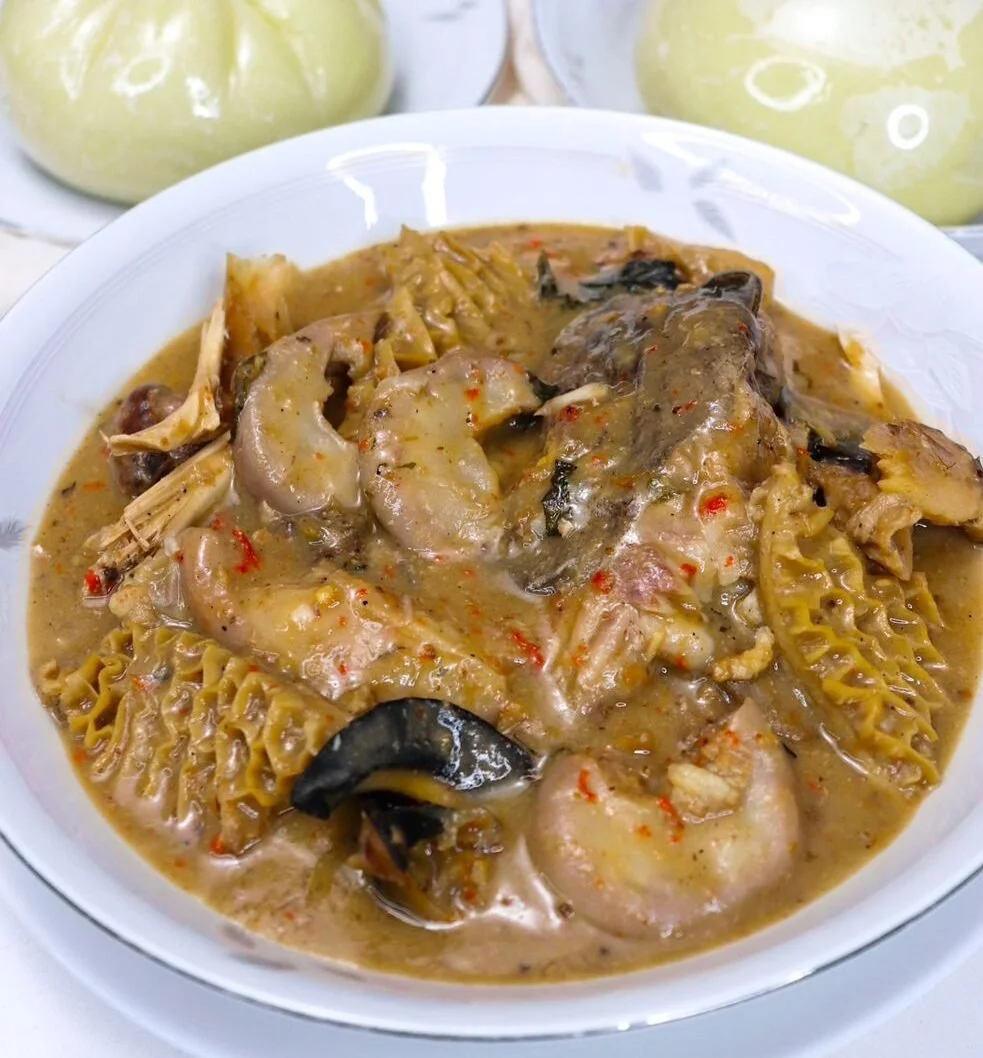
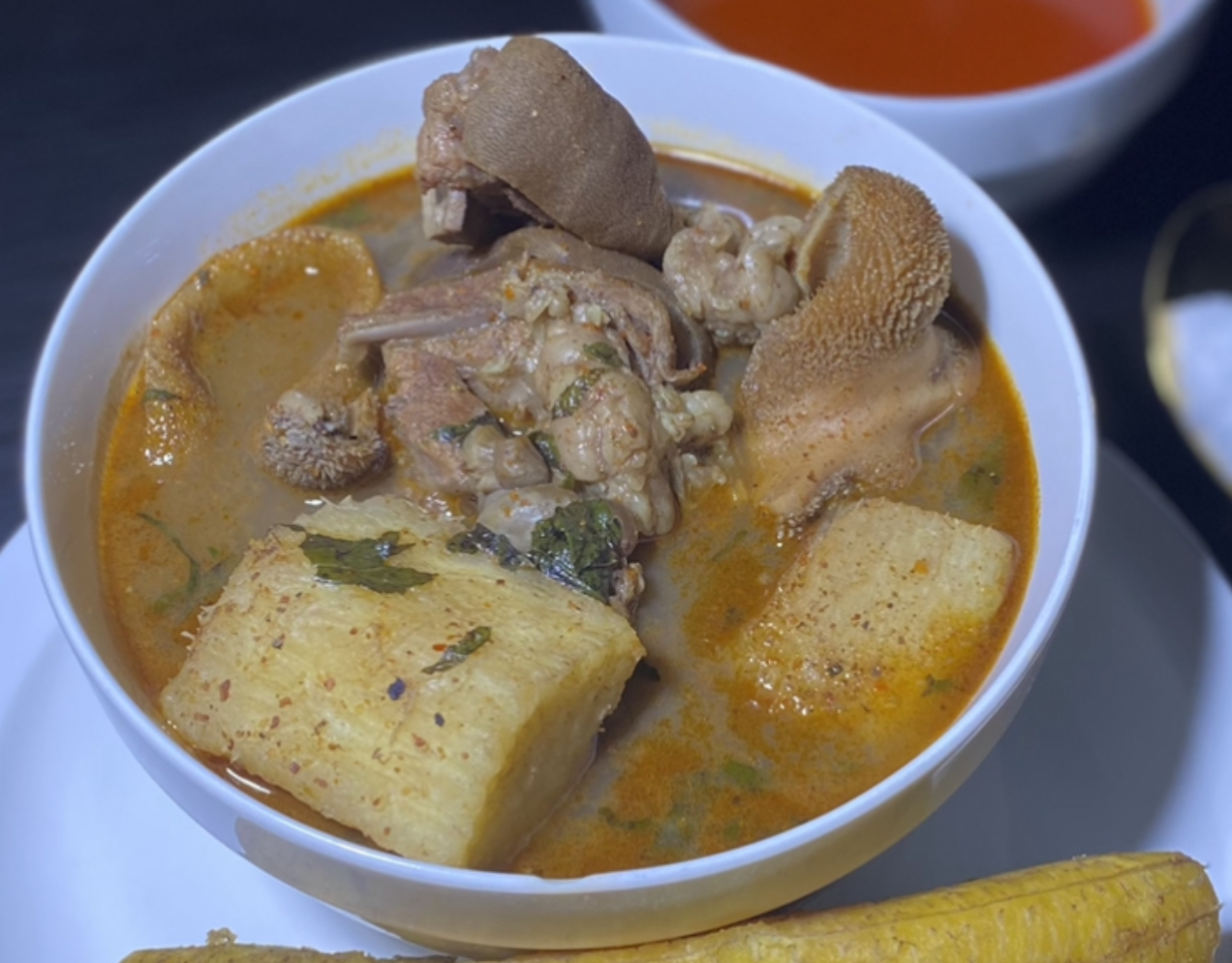
Visual Similarity = f(Structure, Form, Color)
Structure: Light-colored (white/pale) peppery soup with meat and yam/potatoes
Form: Soup served in bowl, eaten with swallow (fufu, pounded yam) or bread or boiled yam/plantain
Color: clear to pale grey/yellow
Taste Divergence = f(Taste Signature, Texture, Cooking Method, Cultural Context)
Taste Signature
Ofe Nsala: Spicy, Umami, Bitter, Fermented (ogiri, utazi leaves, calabash nutmeg)
Ukodo: Spicy, Herbal, Metallic, Astringent (pepper soup spice, alligator pepper, uda)
Texture
Ofe Nsala: Creamy, Silky (thickened with pounded yam or ogiri)
Ukodo: Tender, Watery (clear broth, not thickened)
Cooking Method
Ofe Nsala: Catfish or chicken. Thickened with pounded yam (utazi) or ogiri (fermented locust beans). Seasoned with uziza seeds, utazi leaves, ehuru (calabash nutmeg). Creamy consistency.
Ukodo: Goat meat or assorted meats. Yam (big chunks). Spiced with pepper soup spice mix (uziza, uda, ehuru, alligator pepper). Very peppery, clear broth (not thickened).
Cultural Context
Ofe Nsala (White Soup): Igbo people, southeastern Nigeria
Ukodo (Yam Pepper Soup): Isoko & Urhobo people, southern Nigeria (Delta State)
Apply the equation yourself
As you can see, visual similarity is surface-level. Taste divergence is the deeper story.
That's what this equation reveals: the invisible architecture beneath what you eat. The taste signatures, the spice systems, the textures, the cooking methods, the cultural contexts, the serving contexts.
When you understand this equation, you stop searching by cuisine and start searching by structure + divergence from saying "I want Italian" to "I want something layered and baked with a creamy top, but I'm curious what happens when cinnamon replaces oregano" & boom! Moussaka appears even if you initially did not know it existed.
You become fluent in the language your perceptual systems already speak.
That's perceptual literacy + computational gastronomy.
That's the architecture of taste — and once you see it, you can't unsee it.
So the next time you look at a menu and see something unfamiliar, ask yourself:
What does this structurally remind me of?
What's the taste signature?
What's divergent from what I know?
Then take the leap. Because the best dishes you'll ever eat are the ones that look like home but taste like discovery.
That's systems intelligence applied to eating.
You’re welcome!
Thank you for thinking with me. This piece is part of Ode by Muno, where I explore the invisible systems shaping how we sense, think, and create.
📬 This essay is also available on Substack, where I send new pieces directly to your inbox. Subscribe to get essays like this before they're archived here.
Drop a comment with dish pairs you've discovered. And if you know someone who decodes menus this way, who sees these patterns, feel free to share this with them. Subscribe if you want to follow along as this series grows.
The quote at the intro is from the book, Systems Intelligence.
Now that we've mapped taste as infrastructure (these invisible architectures that connect dishes across cultures) the next piece explores something more personal: how your cooking style is actually an edible social graph. Most of us blend influences without thinking: the food we grew up with, dishes we discovered traveling, techniques we absorbed from friends. Even our "traditional" dishes were once foreign. Fusion is the default.